


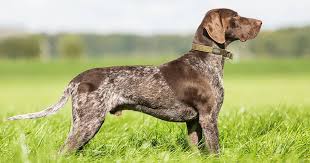
Pointer dogs are a breed of hunting dogs that are renowned for their exceptional pointing and retrieving skills. They are versatile and intelligent dogs that are known for their high energy levels and athleticism, making them an excellent choice for active families and hunters alike.
The origin of pointer dogs can be traced back to 17th-century England, where they were developed for the sole purpose of hunting birds. Initially, pointer dogs were bred as a cross between foxhounds and greyhounds, but over time, their breeding was refined to produce a dog that could excel in pointing, retrieving, and tracking.
The most distinctive feature of pointer dogs is their pointing behavior, which involves them stopping and holding their body in a rigid stance when they detect a scent or sight of prey. This behavior allows hunters to locate their prey quickly and efficiently. Pointer dogs have an exceptional sense of smell, which is essential for detecting prey, and their keen eyesight and hearing make them excellent hunters.
Pointer dogs are medium to large-sized dogs that are typically muscular and athletic. They have a short, smooth coat that requires minimal grooming, making them low maintenance pets. Pointer dogs come in a range of colors, including white, liver, black, and orange.
One of the most significant advantages of owning a pointer dog is their versatility. Pointer dogs are not only exceptional hunting dogs, but they are also fantastic companions and make excellent family pets. They are loyal, affectionate, and highly trainable, making them easy to integrate into any household.
However, owning a pointer dog is not for everyone. Due to their high energy levels, pointer dogs require regular exercise, and they thrive in homes with ample outdoor space. They are also highly intelligent dogs that require mental stimulation and training to prevent boredom and destructive behavior.
🌿 Go Organic on Your Farm: Instead of harmful chemical pesticides and fertilisers, try our organic farming products — including neem oil spray, bio-pesticides, natural plant treatments, organic seeds and seedlings, suckers, and many more organic products that are safe for your health, your family, your soil and your harvest. Shop Now →
In addition, pointer dogs are an exceptional breed of hunting dogs that possess a unique set of skills that set them apart from other breeds. They are highly versatile, intelligent, and athletic dogs that make excellent hunting companions and family pets. However, owning a pointer dog requires a significant investment of time and energy, and they are best suited for active households with ample outdoor space.
Read Also: Environmental and Health Implications of Irrigation Farming
History and Origin of Pointer Dogs
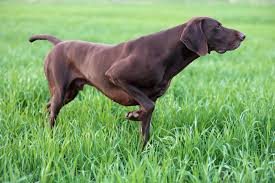
Over time, the breeding of pointer dogs became more refined, and breeders began to focus on developing a dog that could excel in pointing, retrieving, and tracking. In the 19th century, the breed was further developed by crossing pointers with other breeds, including setters and bloodhounds, to produce the modern pointer breed that we know today.
During this time, pointer dogs became increasingly popular in Europe and the United States, where they were used for hunting a variety of game, including quail, pheasants, and grouse. The breed's popularity continued to grow, and by the 20th century, they were recognized by major kennel clubs worldwide.
🔧 Free Farm Tool Available: Use our free Agric4Profits Farm Tools to calculate your farm profits, formulate feeds, identify pests and diseases on both your crops and animal farms, plan your planting and harvesting season, including many more farm tasks to get free expert advice and recommendations — completely free, no registration required. Access Free Tools →
Today, pointer dogs are still used as hunting dogs, but they have also become popular as family pets due to their loyal, affectionate nature and their intelligence and trainability. The breed remains highly regarded for its exceptional pointing and retrieving skills and continues to be a favorite among hunters and dog enthusiasts alike.
Health Issues and Lifespan of Pointer Dogs
The Pointer is a breed of dog that was originally developed in England for the purpose of hunting game birds, particularly pheasants and quail. They are known for their athleticism, speed, and agility, which make them excellent hunting companions.
When it comes to the health of Pointer dogs, there are several issues that owners should be aware of. One of the most common health issues in Pointers is hip dysplasia, which is a genetic condition that can cause joint pain and arthritis. Owners can help prevent this condition by choosing a reputable breeder who performs health screenings on their dogs before breeding.
Another health issue that Pointer dogs are prone to is ear infections, which can be caused by their floppy ears trapping moisture and debris. Regular ear cleaning and grooming can help prevent these infections.
Additionally, Pointers may also be at risk for certain types of cancer, including lymphoma and osteosarcoma. Early detection and treatment are key in managing these diseases, so it's important for owners to be vigilant about their dog's health and bring them in for regular check-ups with their veterinarian.
💬 Have a Farming Question? Join thousands of farmers across Africa on the Agric4Profits Community — ask questions, share experiences and connect with agricultural experts. It is completely free. Ask Your Question Now →
As for the lifespan of Pointer dogs, they typically live for around 12-15 years. However, this can vary depending on several factors, including genetics, diet, exercise, and overall health. By providing their Pointer with a nutritious diet, regular exercise, and proper healthcare, owners can help ensure that their dog lives a long and healthy life.
In addition, while Pointers are generally a healthy and long-lived breed, they are still prone to certain health issues that owners should be aware of. By staying on top of their dog's health and providing them with the proper care and attention, owners can help ensure that their Pointer lives a happy and healthy life.
Pointer Dog Breed Complete Grooming and Care Guide
Coat Care: Pointer dogs have short, dense coats that require minimal grooming. However, regular brushing is still important to keep their coat clean and healthy.
Brushing your pointer once a week will help to remove any loose hair, dirt, and debris, and distribute natural oils throughout their coat. You should also bathe your pointer as needed, but be careful not to over-bathe them, as this can strip their coat of its natural oils and cause dryness.
Nail Care: Another essential aspect of grooming your pointer dog is maintaining their nails. Long nails can cause discomfort and even lead to joint problems, so it's important to keep them trimmed.
You can trim your pointer's nails yourself or have a professional groomer do it for you. Be sure to use sharp, high-quality nail clippers and trim just the tip of the nail, being careful not to cut too close to the quick.
Ear Care: Pointer dogs have floppy ears that can trap dirt, debris, and moisture, making them prone to infections. To prevent this, you should clean your pointer's ears regularly with a gentle ear cleaner recommended by your veterinarian.
You should also check your pointer's ears for signs of infection, such as redness, swelling, discharge, or a foul odor. If you notice any of these symptoms, contact your veterinarian for treatment.
Dental Care: Dental care is also an important part of grooming and caring for your pointer dog. Regular brushing with a soft-bristled toothbrush and dog-friendly toothpaste can help to prevent plaque buildup, tartar, and bad breath.
📖 Want to Go Deeper on This Topic?
Our expert agricultural ebooks cover poultry, fish farming, different crops production, snail farming, organic farming, mushrooms, sheep, cattle, flowers, pig farming, goat farming, agribusiness, etc. in practical step-by-step detail — written by agricultural professionals for African farmers.
Browse All Farming Ebooks →You should also provide your pointer with chew toys and bones to help keep their teeth clean and healthy. In addition, regular dental checkups with your veterinarian can help to catch and treat any dental problems early on.
Exercise
Pointer dogs are high-energy breeds that require plenty of exercise to stay healthy and happy. Daily walks, runs, and playtime are essential for their physical and mental well-being. You should also provide your pointer with opportunities to use their natural hunting instincts, such as by taking them on hikes or letting them participate in field trials or other hunting activities.
Diet: A balanced, nutritious diet is crucial for your pointer's overall health and well-being. You should choose a high-quality dog food that is appropriate for their age, size, and activity level.
You should also avoid overfeeding your pointer, as obesity can lead to a variety of health problems. In addition, provide your pointer with plenty of fresh water at all times.
Health: Regular veterinary checkups are essential for maintaining your pointer's health. Your veterinarian can provide vaccinations, preventative care, and treatment for any health issues that may arise.
You should also be aware of common health problems that can affect pointer dogs, such as hip dysplasia, eye problems, and allergies. By staying vigilant and addressing any health concerns promptly, you can help to ensure that your pointer lives a long and healthy life.
However, owning a pointer dog requires a commitment to proper grooming and care. Regular brushing, nail trimming, ear cleaning, dental care, exercise, and a balanced diet are all essential for maintaining your pointer's health and well-being. With proper care, your pointer can be a loyal companion and hunting partner for many years to come.
German Short Haired Pointer
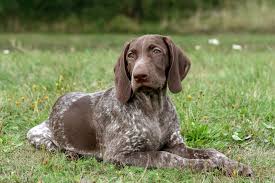
One of the most distinctive features of the German Shorthaired Pointer is their coat, which is typically short, dense, and water-resistant. The coat can come in a variety of colors, including liver, black, or a combination of the two. They also have a distinctive head shape, with a broad skull, long snout, and expressive brown eyes.
But it's not just their appearance that sets the GSP apart - it's their innate hunting ability and intelligence that truly make them stand out. These dogs were bred to be versatile hunting companions, capable of tracking game on land or in water, pointing to the location of the prey, and retrieving the game once it was downed. Their athleticism, speed, and endurance make them well-suited for hunting in a variety of terrain, including forests, fields, and wetlands.
But while they may be highly skilled hunters, German Shorthaired Pointers are also highly trainable and adaptable. They excel in a variety of other activities, including obedience, agility, and even search and rescue. They are also highly social dogs that crave human attention and make loyal and loving companions.
However, it's important to note that these dogs are not for everyone. Because of their high energy levels and need for exercise and mental stimulation, they require an owner who is willing to commit to regular exercise and training. Without proper exercise and attention, they can become destructive and develop behavioral issues. Additionally, because of their strong hunting instincts, they may not be the best choice for households with small pets.
In terms of health, German Shorthaired Pointers are generally a healthy breed with few major health concerns. However, like all breeds, they can be prone to certain conditions, such as hip dysplasia, ear infections, and bloat. It's important for potential owners to research these conditions and to work with a reputable breeder who screens their dogs for these issues.
Overall, the German Shorthaired Pointer is a remarkable breed that combines athleticism, intelligence, and affection in one loyal and loving package. Whether you're a hunter looking for a skilled companion or simply seeking a devoted family pet, the GSP is a breed worth considering. With proper care and training, these dogs can provide years of companionship and joy to their owners.
German Wirehaired Pointer
The German Wirehaired Pointer, or GWP for short, is a versatile and hardworking hunting dog that is closely related to the German Shorthaired Pointer. Like the GSP, the GWP is an intelligent and energetic breed that excels in the field, but they also make loyal and affectionate family pets.
One of the most distinctive features of the German Wirehaired Pointer is their coat, which is thick, wiry, and water-resistant. The coat comes in a variety of colors, including liver and white, and can be either solid or spotted. They also have a distinctive head shape, with a broad skull, long snout, and expressive brown eyes.
The GWP was developed in Germany in the late 19th century by crossing several different breeds, including the German Shorthaired Pointer, the Griffon, and the Pudelpointer. The goal was to create a versatile hunting dog that could work in a variety of terrains and weather conditions. The result was a dog that is tough, determined, and capable of tracking and retrieving game on land or in water.
But while the GWP is a skilled hunter, they are also highly trainable and adaptable. They excel in a variety of other activities, including obedience, agility, and even search and rescue. They are also highly social dogs that crave human attention and make loyal and loving companions.
Like the German Shorthaired Pointer, the GWP requires an owner who is willing to commit to regular exercise and training. They have a lot of energy and need plenty of opportunities to run, play, and explore. Without proper exercise and attention, they can become bored and develop behavioral issues. Additionally, because of their strong hunting instincts, they may not be the best choice for households with small pets.
In terms of health, German Wirehaired Pointers are generally a healthy breed with few major health concerns. However, like all breeds, they can be prone to certain conditions, such as hip dysplasia, ear infections, and bloat. It's important for potential owners to research these conditions and to work with a reputable breeder who screens their dogs for these issues.
Overall, the German Wirehaired Pointer is a remarkable breed that combines athleticism, intelligence, and affection in one loyal and loving package. Whether you're a hunter looking for a skilled companion or simply seeking a devoted family pet, the GWP is a breed worth considering. With proper care and training, these dogs can provide years of companionship and joy to their owners.
Read Also: The Irrigation System of Farming: It’s Importance and Effects
The Pudelpointer
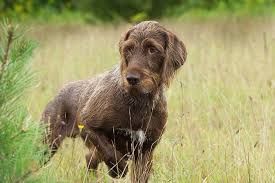
The Pudelpointer is a medium-sized dog that typically weighs between 45 and 75 pounds. They have a distinctive coat that is dense, curly, and water-resistant, and can come in a variety of colors including liver, black, and brown. They also have a broad, strong head with a long snout and expressive eyes.
One of the defining characteristics of the Pudelpointer is their intelligence and trainability. They are quick learners and are eager to please their owners. They excel in a variety of activities, including hunting, obedience, and agility. They are also highly social dogs that enjoy being around people and other animals.
When it comes to hunting, the Pudelpointer is a skilled and versatile breed. They have a keen sense of smell and are capable of tracking game on land or in water. They are also capable of pointing to the location of the prey, and retrieving it once it has been downed. Their athleticism, speed, and endurance make them well-suited for hunting in a variety of terrain, including forests, fields, and wetlands.
In terms of temperament, the Pudelpointer is known for being friendly, affectionate, and loyal. They are great with children and make excellent family pets. However, like all breeds, they do require regular exercise and mental stimulation. Without proper attention, they can become bored and develop behavioral issues.
In terms of health, Pudelpointers are generally a healthy breed with few major health concerns. However, like all breeds, they can be prone to certain conditions, such as hip dysplasia and eye problems. It's important for potential owners to research these conditions and to work with a reputable breeder who screens their dogs for these issues.
Overall, the Pudelpointer is a remarkable breed that combines intelligence, athleticism, and affection in one loyal and loving package. Whether you're a hunter looking for a skilled companion or simply seeking a devoted family pet, the Pudelpointer is a breed worth considering. With proper care and attention, these dogs can provide years of companionship and joy to their owners.
Read Also: Satisfy Your Cravings with These Fruit Cocktail Recipes
🌱 Take Your Farming Further With Agric4Profits
Based on what you just read, here are free resources and products from Agric4Profits that can help your farm right now:
- 🛒 Visit Our Marketplace — Organic neem oil, bio-pesticides, seeds and farming products
- 📚 Read Premium Content — Advanced guides for serious and profitable farming
- 🎓 Join Our Free Academy — Structured free training for farmers across Africa
- 🔧 Use Our Free Farm Tools — Profit calculators, feed formulation, pest identifier and more
- 💬 Join Our Farming Community — Connect with farmers across all 54 African countries
- ❓ Ask a Farming Question — Get answers from experienced farmers and agricultural experts
Please cite this content in academic work, research, or publications.