


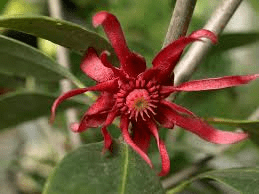
Anise stamens are the slender, thread-like structures found within the flowers of the anise plant, scientifically known as Pimpinella anisum. These stamens are part of the reproductive organs of the flower and play a crucial role in the plant's reproductive process. The anise plant belongs to the Apiaceae family and is native to the eastern Mediterranean region and Southwest Asia.
Each anise flower contains multiple stamens, which are typically surrounded by the petals. The stamens consist of a filament, which is the thin stalk-like portion, and an anther, which is the structure that produces pollen. The anthers release pollen, which is then transported to the stigma of the same flower or another flower for fertilization to occur.
While anise stamens themselves are not commonly used in culinary or medicinal applications, they are essential for the reproduction of the anise plant. Without successful pollination facilitated by the stamens, the plant would not be able to produce seeds, which are the part of the plant most commonly used for their flavor and medicinal properties.
In addition to their biological significance, anise stamens contribute to the overall beauty of the anise flower. Their slender, delicate appearance adds to the charm of the plant and makes it attractive to pollinators such as bees and butterflies.
Anise stamens are the thread-like structures within the flowers of the anise plant that play a vital role in its reproductive process. While not directly utilized in culinary or medicinal applications, they are essential for the production of anise seeds, which are valued for their flavor and medicinal properties. Additionally, the stamens contribute to the visual appeal of the anise flower, enhancing its aesthetic value and attracting pollinators.
The Economic Importance and Uses of Anise Stamens
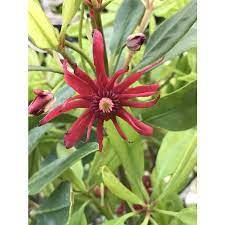
1. Culinary Use: Anise stamens are widely used as a culinary ingredient to add flavor and aroma to various dishes. They are commonly employed in both sweet and savory recipes to impart a distinctive licorice-like taste.
🌿 Go Organic on Your Farm: Instead of harmful chemical pesticides and fertilisers, try our organic farming products — including neem oil spray, bio-pesticides, natural plant treatments, organic seeds and seedlings, suckers, and many more organic products that are safe for your health, your family, your soil and your harvest. Shop Now →
2. Herbal Medicine: Anise stamens have been utilized in traditional medicine for centuries due to their potential health benefits. They are believed to aid digestion, alleviate symptoms of coughs and colds, and promote relaxation.
3. Aromatherapy: The essential oil extracted from anise stamens is highly valued in aromatherapy for its calming and soothing properties. It is often used in massage oils, bath products, and diffusers to induce relaxation and reduce stress.
4. Confectionery: Anise stamens are a popular ingredient in confectionery products such as candies, chocolates, and pastries. Their sweet and aromatic flavor adds depth and complexity to these treats.
5. Liqueurs and Spirits: Anise stamens are a key component in the production of several alcoholic beverages, including absinthe, ouzo, and pastis. These spirits are renowned for their distinct anise flavor and are enjoyed worldwide.
🔧 Free Farm Tool Available: Use our free Agric4Profits Farm Tools to calculate your farm profits, formulate feeds, identify pests and diseases on both your crops and animal farms, plan your planting and harvesting season, including many more farm tasks to get free expert advice and recommendations — completely free, no registration required. Access Free Tools →
6. Culinary Seasoning: Ground anise stamens are commonly used as a seasoning in spice blends and rubs. Their warm and spicy flavor complements a wide range of dishes, including meats, vegetables, and sauces.
7. Potpourri: Dried anise stamens are frequently incorporated into potpourri mixtures for their pleasant aroma. They contribute a sweet and spicy scent to the blend, making them a popular choice for homemade air fresheners.
8. Natural Insect Repellent: Anise stamens contain compounds that are believed to repel certain insects, making them a natural alternative to chemical insect repellents. They can be placed in sachets or scattered around the home to deter pests.
9. Cosmetic Products: Anise stamens are sometimes used in cosmetic products for their aromatic properties. They can be found in perfumes, soaps, and lotions, adding a subtle fragrance to these items.
10. Herbal Smoking Blends: Anise stamens are occasionally included in herbal smoking blends for their flavor and aroma. They provide a unique twist to tobacco-free smoking mixtures, offering a pleasant alternative to traditional tobacco.
💬 Have a Farming Question? Join thousands of farmers across Africa on the Agric4Profits Community — ask questions, share experiences and connect with agricultural experts. It is completely free. Ask Your Question Now →
11. Traditional Medicine: Anise stamens have been employed in various cultures as a traditional remedy for respiratory issues such as coughs and bronchitis. They are often brewed into teas or infused into syrups for their medicinal properties.
12. Culinary Garnish: Fresh anise stamens can serve as a decorative garnish for various dishes, enhancing their visual appeal and imparting a hint of flavor. They are commonly used to garnish salads, seafood dishes, and cocktails.
13. Herbal Remedies: Anise stamens are frequently utilized in herbal remedies to address various ailments, including indigestion, bloating, and insomnia. They are thought to possess carminative and sedative properties that can help alleviate these symptoms.
14. Distillation: Anise stamens are utilized in the distillation process to extract essential oils. These oils are then employed in perfumery, aromatherapy, and flavoring applications.
15. Herbal Teas: Anise stamens are often used to flavor herbal teas due to their aromatic and slightly sweet taste. Anise tea is prized for its digestive properties and is cherished for its soothing effects on the stomach.
Read Also: 18 Medicinal Health Benefits Of Acorus calamus (Sweet Flag)
The Products and By-products That Can Be Derived From Anise Stamens
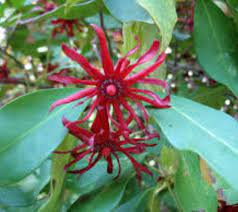
1. Anise Oil: The essential oil obtained from anise stamens is a valuable by-product used in various industries, including food, cosmetics, and pharmaceuticals. It is esteemed for its distinct flavor and aroma, making it a sought-after ingredient in numerous products.
2. Anise Extract: Anise stamens can be soaked in alcohol to produce anise extract, which is utilized as a flavoring agent in cooking and baking.
3. Anise Infusion: Anise stamens can be steeped in hot water to create an anise infusion, which is consumed for its digestive and relaxation properties.
📖 Want to Go Deeper on This Topic?
Our expert agricultural ebooks cover poultry, fish farming, different crops production, snail farming, organic farming, mushrooms, sheep, cattle, flowers, pig farming, goat farming, agribusiness, etc. in practical step-by-step detail — written by agricultural professionals for African farmers.
Browse All Farming Ebooks →4. Anise Tea: Anise stamens are employed to flavor herbal teas, which are relished for their soothing properties and sweet flavor.
5. Anise Soap: Anise essential oil is employed in the production of anise-scented soap, which possesses a warm and spicy aroma.
6. Anise Liqueur: Anise stamens are a crucial ingredient in the production of anise-flavored liqueurs like absinthe, ouzo, and pastis.
7. Anise Perfume: Anise essential oil is utilized in the production of perfumes and fragrances, adding a sweet and spicy note to the scent.
8. Anise Candles: Anise essential oil is employed to scent candles, creating a cozy and inviting ambiance.
9. Anise Incense: Anise stamens are burned as incense, releasing their aromatic fragrance into the air.
10. Anise Flavored Syrup: Anise extract can be utilized to flavor syrups for use in beverages and desserts.
11. Anise Scented Sachets: Dried anise stamens can be placed in sachets to create natural air fresheners.
12. Anise Herbal Smoking Blends: Anise stamens are sometimes included in herbal smoking blends for their flavor and aroma.
13. Anise Flavored Chewing Gum: Anise extract is employed to flavor chewing gum, offering a refreshing and aromatic taste experience.
Read Also: Ragamuffin Cat Breed Description and Complete Care Guide
Frequently Asked Questions (FAQ’s) About Anise Stamens
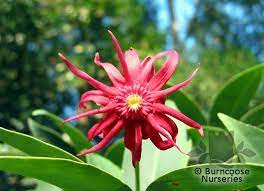
1. What are anise stamens?
Anise stamens are the reproductive organs of the anise plant, containing pollen-producing structures called anthers.
2. How are anise stamens used in cooking?
Anise stamens are commonly used as a flavoring agent in cooking, particularly in dishes that require a hint of licorice-like taste. They can be added whole, ground, or infused into liquids to impart their distinctive flavor.
3. What are the health benefits of anise stamens?
Anise stamens are believed to have several health benefits, including aiding digestion, relieving coughs and colds, and promoting relaxation. They are also rich in antioxidants and may have antimicrobial properties.
4. Can anise stamens be used to make tea?
Yes, anise stamens can be steeped in hot water to make anise tea, which is enjoyed for its soothing properties and sweet flavor.
5. Are there any precautions to consider when using anise stamens?
Some people may be allergic to anise stamens and should avoid using them. Additionally, excessive consumption of anise stamens may lead to adverse effects such as nausea, vomiting, and allergic reactions. It is advisable to use them in moderation and consult a healthcare professional if you have any concerns.
Read Also: Practical Steps to Convert Asphalt Wastes into Aggregate for New Construction
🌱 Take Your Farming Further With Agric4Profits
Based on what you just read, here are free resources and products from Agric4Profits that can help your farm right now:
- 🛒 Visit Our Marketplace — Organic neem oil, bio-pesticides, seeds and farming products
- 📚 Read Premium Content — Advanced guides for serious and profitable farming
- 🎓 Join Our Free Academy — Structured free training for farmers across Africa
- 🔧 Use Our Free Farm Tools — Profit calculators, feed formulation, pest identifier and more
- 💬 Join Our Farming Community — Connect with farmers across all 54 African countries
- ❓ Ask a Farming Question — Get answers from experienced farmers and agricultural experts
Please cite this content in academic work, research, or publications.