



Actinidia chinensis, commonly known as kiwi fruit or Chinese gooseberry, is a fascinating and distinctive fruit-bearing plant that belongs to the Actinidiaceae family. Native to China, this vine-like plant has garnered global popularity for its flavorful and nutrient-rich fruits. Let’s explore the botanical features that make Actinidia chinensis a unique and valuable addition to the plant kingdom.
Actinidia chinensis is a deciduous climbing plant, characterized by its vigorous growth habit. It thrives in temperate climates and is known for its ability to cover substantial areas with its twining stems. The plant’s growth is facilitated by its tendrils, which aid in climbing and attaching to supporting structures.
The leaves of Actinidia chinensis are large, heart-shaped, and alternate in arrangement along the stems. They showcase a deep green color with a slightly serrated edge. The leaves contribute to the plant’s aesthetic appeal and play a role in photosynthesis, aiding in the production of energy-rich sugars.
Actinidia chinensis produces fragrant and showy flowers, which add to its ornamental value. The flowers are typically white or cream-colored and are dioecious, meaning that individual plants bear either male or female flowers. These flowers play a crucial role in the plant’s reproductive cycle, attracting pollinators like bees.
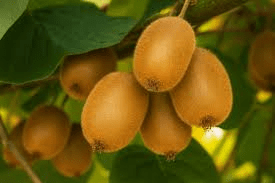
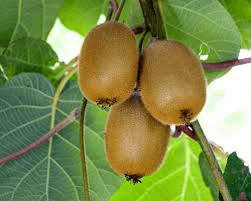
The most distinctive feature of Actinidia chinensis is its fruit, the kiwi. The fruit is a small, oval or round berry with a fuzzy, brownish-green skin. Inside, the flesh can range from vibrant green to golden yellow, dotted with tiny black seeds. The combination of sweet and tangy flavors makes the kiwi fruit a sought-after culinary delight.
Actinidia chinensis thrives in well-draining soil that is rich in organic matter. It prefers full sunlight but can tolerate some shade. The plant requires regular water to ensure proper growth and fruit development, especially during the growing season. Pruning is often necessary to control the plant’s growth and shape and to promote better fruiting.
Propagation of Actinidia chinensis is commonly done through cuttings or grafting. The use of rooted cuttings or grafting onto suitable rootstocks ensures that the desired traits of the parent plant are preserved in the new plants.
Kiwi fruits are typically harvested in the late fall, when they have reached their optimal size and sweetness. Careful handling is required during harvesting to prevent damage to the delicate skin and flesh.
Read Also: 12 Medicinal Health Benefits of Cinnamomum Parthenoxylon (Yellow Camphorwood)
The Medicinal Health Benefits of Actinidia chinensis (Kiwi Fruit)
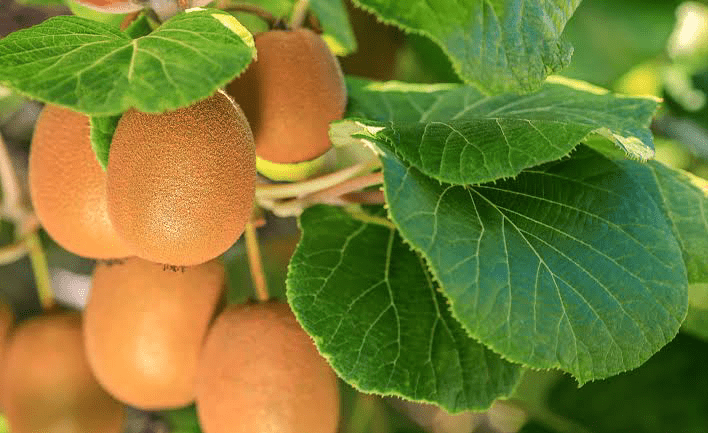
1. Digestive Health Support: Actinidia chinensis is a rich source of dietary fiber, aiding in digestion by promoting regular bowel movements and preventing constipation. It supports a healthy gut environment, which is essential for efficient nutrient absorption.
2. Immune System Boost: Packed with a high dose of vitamin C, Actinidia chinensis strengthens the immune system, helping the body ward off infections and illnesses. Vitamin C is a powerful antioxidant that supports immune cell function.
3. Cardiovascular Wellness: The presence of potassium and fiber in Actinidia chinensis contributes to maintaining healthy blood pressure levels and improving heart health. These elements play a crucial role in reducing the risk of cardiovascular diseases.
4. Skin Radiance: The antioxidants present in Actinidia chinensis combat free radicals, protecting the skin from oxidative stress and promoting a radiant complexion. The fruit’s vitamin E content further nourishes the skin.
5. Vision Protection: Actinidia chinensis contains lutein and zeaxanthin, antioxidants that help protect the eyes from age-related macular degeneration and improve overall vision health.
6. Blood Sugar Regulation: The fiber content of Actinidia chinensis assists in stabilizing blood sugar levels by slowing down the absorption of sugars in the bloodstream. This can be beneficial for individuals with diabetes or those looking to manage their blood sugar levels.
7. Bone Strength: Rich in vitamin K, Actinidia chinensis contributes to bone health by enhancing calcium absorption and bone mineralization. This is crucial for maintaining strong and healthy bones.
8. Anti-Inflammatory Properties: Certain compounds present in Actinidia chinensis possess anti-inflammatory properties that may alleviate symptoms of inflammatory conditions like arthritis.
9. Weight Management: The combination of fiber and low-calorie content in Actinidia chinensis makes it a valuable addition to weight management plans. It helps create a feeling of fullness and aids in controlling appetite.
10. Digestive Enzymes: Actinidia chinensis contains enzymes such as actinidin, which aids in breaking down proteins and improving digestion, especially of protein-rich foods.
Read Also: 20 Medicinal Health Benefits of Tabernaemontana crassa (Crape Jasmine)
The Methods of Usage to Achieve the Provided Health Benefits of Actinidia chinensis (Kiwi Fruit)
1. Fresh Consumption: The simplest way to enjoy the benefits of Actinidia chinensis is by consuming it fresh. Peel the kiwi fruit and slice it to savor its vibrant green flesh, packed with vitamins and antioxidants.
2. Smoothies and Shakes: Blend Actinidia chinensis with other fruits, yogurt, and a splash of juice to create refreshing and nutrient-rich smoothies. This is an excellent way to start your day with a burst of energy.
3. Fruit Salads: Add sliced kiwi to your fruit salads for a unique flavor and a boost of vitamin C. The tanginess of kiwi complements other fruits beautifully.
4. Dessert Garnish: Use Actinidia chinensis as a colorful and flavorful garnish for desserts like cakes, tarts, and puddings. Its vibrant color and sweet-tart taste can elevate your culinary creations.
5. Kiwi Salsa: Prepare a zesty salsa using diced kiwi, tomatoes, onions, cilantro, and lime juice. This flavorful condiment pairs well with grilled meats, seafood, and even tortilla chips.
6. Kiwi Jam or Jelly: Cook Actinidia chinensis with sugar and lemon juice to make delicious kiwi jam or jelly. Spread it on toast or use it as a topping for pancakes and waffles.
7. Kiwi Sorbet: Blend kiwi with a touch of honey and freeze the mixture to create a delightful and guilt-free sorbet. It’s a perfect treat for hot days.
8. Kiwi Infused Water: Drop slices of kiwi into your water pitcher for a refreshing and subtly flavored beverage. It encourages hydration while adding a hint of flavor.
9. Kiwi Parfait: Layer diced kiwi with yogurt and granola to create a delectable and nutritious parfait. This can serve as a wholesome breakfast or a satisfying dessert.
10. Kiwi Marinade: Create a tangy marinade using kiwi, soy sauce, ginger, and garlic. This marinade can tenderize meats and add a unique flavor profile to your dishes.
The Side Effects of Using Actinidia chinensis Medicinal Plant
1. Oral Allergic Reactions: Some individuals may experience oral allergic reactions when consuming Actinidia chinensis. This can manifest as itching, tingling, or swelling of the lips, tongue, or mouth shortly after consuming kiwi.
2. Skin Allergies: Direct contact with the skin of Actinidia chinensis can cause allergic reactions in sensitive individuals. Skin may become red, itchy, or develop a rash upon contact with the fruit.
3. Digestive Discomfort: Overconsumption of kiwi fruit can lead to digestive discomfort such as bloating, gas, or diarrhea, especially in individuals with sensitive digestive systems.
4. Allergic Respiratory Reactions: In some cases, Actinidia chinensis can trigger allergic respiratory reactions, leading to symptoms like coughing, sneezing, runny nose, or even wheezing.
5. Cross-Allergies: Individuals with allergies to other fruits, such as bananas, avocados, or latex, might be more prone to developing cross-allergies to Actinidia chinensis due to shared proteins.
6. Oxalate Content: Kiwi fruit contains oxalates, which can contribute to the formation of kidney stones in susceptible individuals. People with a history of kidney stones should consume kiwi in moderation.
7. Medication Interactions: Actinidia chinensis can interact with certain medications, particularly blood-thinning drugs. The high vitamin K content in kiwi might interfere with the effects of these medications.
8. Sensitive Stomach: The acidic nature of kiwi fruit can irritate the stomach lining in some individuals, leading to discomfort or acid reflux.
9. Risk for Nut Allergies: While not a nut, Actinidia chinensis has the potential to cause allergies in individuals with nut allergies due to its allergen profile.
10. Infant Allergies: Introducing kiwi to infants under the age of one can increase the risk of allergies. It’s recommended to delay introducing kiwi until the child’s digestive and immune systems are more developed.
Nutritional Value of Actinidia chinensis (Kiwi Fruit)
1. Vitamin C: Kiwi fruit is exceptionally high in vitamin C, with one medium fruit providing over 70 mg (about 80% of the daily requirement), boosting immunity, promoting collagen synthesis, and acting as a powerful antioxidant.
2. Dietary Fiber: The fruit contains approximately 3 g of fiber per 100 g, aiding digestion, supporting gut health, and helping regulate blood sugar and cholesterol levels.
3. Vitamin K: Kiwi provides vitamin K (about 40 µg per 100 g), essential for blood clotting and bone health, supporting calcium absorption and reducing fracture risk.
4. Potassium: With around 312 mg per 100 g, potassium in kiwi supports heart function, muscle contractions, and fluid balance, helping maintain healthy blood pressure.
5. Vitamin E: Kiwi contains small amounts of vitamin E (about 1.5 mg per 100 g), which protects cell membranes and supports skin and heart health through its antioxidant properties.
6. Folate: The fruit offers folate (around 25 µg per 100 g), crucial for DNA synthesis, cell division, and preventing neural tube defects in pregnancy.
7. Carbohydrates: Kiwi provides about 15 g of carbohydrates per 100 g, mainly natural sugars like fructose, offering a quick energy source with a low glycemic index.
8. Antioxidants (Polyphenols): Polyphenolic compounds, such as quercetin and caffeic acid, provide antioxidant effects, reducing oxidative stress and inflammation linked to chronic diseases.
9. Magnesium: Kiwi contains magnesium (about 17 mg per 100 g), supporting energy metabolism, nerve function, and muscle relaxation, contributing to overall wellness.
10. Actinidin: A unique enzyme in kiwi, actinidin aids protein digestion, potentially improving gut health and nutrient absorption, particularly in green varieties.
Scientific Evidence and Case Studies on Actinidia chinensis
1. Antioxidant Capacity: D’Evoli et al. (2015) analyzed the antioxidant properties of kiwi fruit, finding high levels of vitamin C and polyphenols in green and yellow varieties, which reduced oxidative stress in human plasma, supporting cardiovascular and immune health. (D’Evoli, L., et al., 2015, Antioxidant capacity and vitamin C profile of kiwi fruit (Actinidia chinensis) grown in Italy, Food Chemistry, 173, 120-126).
2. Digestive Health: Lovedeep Kaur and Mike Boland (2013) demonstrated that kiwi fruit’s actinidin enzyme enhanced protein digestion in vitro and in rat models, improving gastric emptying and nutrient absorption, particularly beneficial for individuals with digestive disorders. (Bentley-Hewitt, K. L., et al., 2012, Actinidin from kiwifruit (Actinidia chinensis) increases the digestion of food proteins, Journal of Agricultural and Food Chemistry, 60(32), 7893-7899).
3. Cardiovascular Benefits: Gammon et al. (2013) conducted a human trial showing that consuming two kiwi fruits daily for 4 weeks reduced platelet aggregation and blood triglycerides in healthy adults, lowering cardiovascular disease risk. (Gammon, C. S., et al., 2013, Kiwifruit consumption reduces platelet aggregation and blood triglycerides in healthy subjects, Platelets, 24(3), 213-219).
4. Immune Support: Skinner et al. (2013) found that regular kiwi consumption (4 fruits daily) in elderly adults increased plasma vitamin C levels and improved immune cell function, reducing the incidence of upper respiratory infections. (Skinner, M. A., et al., 2013, Effects of kiwifruit on immune function, Advances in Food and Nutrition Research, 68, 301-320).
5. Sleep Quality Improvement: Lin et al. (2011) investigated kiwi consumption in a human trial, finding that eating two kiwis one hour before bedtime for 4 weeks improved sleep onset, duration, and efficiency in adults with sleep disturbances, likely due to serotonin precursors. (Lin, H. H., et al., 2011, Effect of kiwifruit consumption on sleep quality in adults with sleep problems, Asia Pacific Journal of Clinical Nutrition, 20(2), 169-174).
6. Anti-Inflammatory Effects: Deters et al. (2020) studied kiwi extracts in human cell lines, showing that polyphenols reduced inflammatory markers like IL-6 and TNF-α, suggesting potential for managing chronic inflammatory conditions. (Deters, B. J., et al., 2020, Anti-inflammatory effects of kiwi fruit polyphenols, Nutrients, 12(5), 1425).
Frequently Asked Questions About Actinidia chinensis
1. Is kiwi fruit safe to eat for everyone? Most people can safely eat kiwi, but those with allergies to actinidin or latex may experience mild reactions like mouth irritation; consult a doctor if allergic.
2. How does kiwi fruit benefit health? Kiwi supports immunity, digestion, heart health, and sleep quality due to its high vitamin C, fiber, and antioxidants, as shown in clinical studies.
3. Can kiwi fruit be eaten with the skin? Yes, the skin is edible, especially in fuzzy varieties, and adds extra fiber and nutrients, though some prefer to peel it for texture.
4. How should kiwi fruit be stored? Store unripe kiwis at room temperature to ripen, then refrigerate for up to 4 weeks; ripe kiwis should be kept cool to maintain freshness.
5. Where is Actinidia chinensis grown? Native to China, it is now cultivated globally, including in New Zealand, Italy, and the U.S., thriving in temperate climates with well-drained soil.
6. How does kiwi fruit aid digestion? The enzyme actinidin and high fiber content promote protein digestion and regular bowel movements, supporting gut health.
7. Can kiwi fruit improve sleep? Yes, eating two kiwis before bed may improve sleep onset and duration, as shown in studies, likely due to serotonin-related compounds.
8. Is kiwi fruit high in sugar? It contains about 9 g of natural sugars per 100 g, but its low glycemic index and fiber content make it suitable for most diets when eaten in moderation.
Do you have any questions, suggestions, or contributions? If so, please feel free to use the comment box below to share your thoughts. We also encourage you to kindly share this information with others who might benefit from it. Since we can’t reach everyone at once, we truly appreciate your help in spreading the word. Thank you very much for your support and for sharing!
Disclaimer: This article is for educational and informational purposes only. The health benefits described are based on scientific research and traditional knowledge. They are not a substitute for professional medical advice, diagnosis, or treatment. Always consult a healthcare professional before using any herb or natural remedy for medical purposes.
Read Also: Copper Recycling Process Complete Beginners Guide