


Actinidia polygama, commonly known as Silver Vine or Matatabi, is a captivating woody vine that belongs to the Actinidiaceae family. This unique plant hails from Eastern Asia, specifically Japan and China, where it has been revered for its intriguing characteristics and potential health benefits.
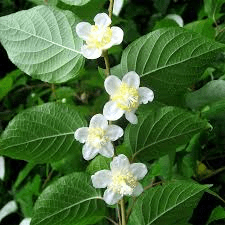
The leaves of Actinidia polygama are one of its most distinctive features. They are heart-shaped, green on the upper side, and adorned with a silvery-white underside. This silver hue contributes to its common name, Silver Vine. The leaves are typically 5 to 15 cm in length and have a soft, velvety texture.
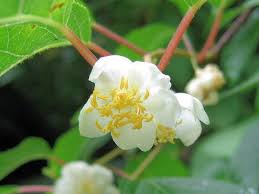
The plant produces small, fragrant flowers that are either male or female. The flowers are white to pale yellow in color and grow in clusters. The fragrance of these flowers is one of the reasons Silver Vine is of interest to cats, similar to catnip.
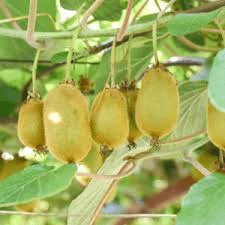
Actinidia polygama produces small, edible fruits that resemble kiwifruit, albeit smaller in size. The fruits are round and covered with fine, short hairs. They change in color as they ripen, starting from green and turning to a pale yellow-orange hue. While humans can consume these fruits, they are more commonly enjoyed by wildlife.
Silver Vine is a climbing vine that can grow to considerable lengths. Its tendrils aid in attaching to supporting structures, making it a versatile and ornamental addition to gardens or natural landscapes.
Actinidia polygama is native to the deciduous forests of Eastern Asia. It thrives in areas with well-draining soil and prefers partial shade to full sunlight. The plant’s growth can be vigorous, especially when provided with suitable support for its climbing nature.
Actinidia polygama has cultural and traditional significance in its native regions. It has been used in various folk remedies and traditional medicine practices for its potential health benefits, including stress relief and relaxation.
Silver Vine has garnered attention for its potential to enrich the lives of pets, particularly cats, due to its catnip-like effects. However, its appeal extends to humans as well, thanks to its various medicinal properties. As with any plant, responsible harvesting and cultivation are important to ensure its long-term availability and conservation.
Read Also: 20 Medicinal Health Benefits of Strophanthus sarmentosus (Creeping Strophanthus)
The Medicinal Health Benefits of Actinidia polygama (Silver Vine)

1. Relief from Stress and Anxiety: Actinidia polygama contains compounds like actinidine and dihydroactinidiolide that possess calming effects. These compounds can help reduce stress and anxiety, promoting a sense of relaxation.
2. Enhanced Sleep Quality: Silver Vine is believed to improve sleep quality due to its sedative properties. It may help individuals with insomnia or sleep disturbances to achieve a more restful sleep.
3. Anti-Inflammatory Properties: The plant contains active compounds that exhibit anti-inflammatory effects. Incorporating it into your wellness routine may aid in managing inflammation-related conditions.
4. Pain Relief: Actinidia polygama has been used traditionally for pain relief. It may alleviate mild discomfort and provide a natural alternative for pain management.
5. Stimulating Appetite: Silver Vine has been observed to stimulate appetite in some individuals. This can be particularly beneficial for those recovering from illnesses or dealing with appetite loss.
6. Digestive Support: The plant is believed to have digestive benefits, helping to soothe digestive discomfort and promote overall gastrointestinal health.
7. Oral Health: Silver Vine’s antibacterial properties make it a potential ally in maintaining oral health. It might help combat harmful bacteria in the mouth.
8. Immune System Boost: Rich in antioxidants, Actinidia polygama may contribute to boosting the immune system and protecting the body against oxidative stress.
9. Respiratory Health: Some traditional uses suggest that Silver Vine could be beneficial for respiratory health, potentially helping to relieve symptoms of coughs and congestion.
10. Mood Elevation: Consuming Silver Vine may lead to mood elevation and a general sense of well-being, thanks to its interactions with neurotransmitters in the brain.
Read Also: 10 Medicinal Health Benefits of Schisandra chinensis (Schisandra)
The Methods of Usage to Achieve the Provided Health Benefits of Actinidia polygama (Silver Vine)
1. Herbal Infusion as Tea: Create a soothing herbal infusion by steeping Actinidia polygama leaves or stems in hot water. This tea can be enjoyed to promote relaxation, alleviate stress, and support sleep quality.
2. Topical Application: Crush Silver Vine leaves and apply them topically to the skin. This method can provide localized relief for minor discomfort and potential anti-inflammatory effects.
3. Tinctures and Extracts: Prepare tinctures or extracts by soaking Silver Vine plant material in alcohol or a suitable solvent. These concentrated forms can be ingested or diluted for various health benefits.
4. Inhalation: Inhale the aroma of Silver Vine by placing a small amount of the dried plant material in a bowl of hot water. This can help with respiratory health and provide a calming effect.
5. Culinary Use: Incorporate Actinidia polygama leaves or fruits into your culinary creations. While less common, they can add a unique flavor to dishes, and the potential health benefits are an added bonus.
6. Capsules or Tablets: Some health stores offer Actinidia polygama in capsule or tablet form. These standardized forms can provide a convenient way to incorporate the plant’s benefits into your daily routine.
7. Aromatherapy: Use essential oils derived from Silver Vine for aromatherapy. Inhaling the aroma can contribute to mood elevation and relaxation.
The Side Effects of Using Actinidia polygama Medicinal Plant
1. Gastrointestinal Discomfort: In some cases, consumption of Actinidia polygama may lead to mild gastrointestinal discomfort, including stomachache or bloating.
2. Allergic Reactions: Individuals with sensitivities or allergies to plants in the Actinidiaceae family might experience allergic reactions when using Silver Vine.
3. Drowsiness or Sedation: Due to its potential sedative effects, consuming Silver Vine could lead to drowsiness. Avoid activities that require alertness after consumption.
4. Interactions with Medications: Silver Vine’s compounds might interact with certain medications. Consult a healthcare professional if you are taking prescribed drugs.
5. Skin Sensitivity: Direct contact with Silver Vine plant material could lead to skin irritation in sensitive individuals. Perform a patch test before topical application.
6. Drug Interaction with Sedatives: The sedative effects of Silver Vine could potentially interact with medications or substances that have similar effects, leading to increased drowsiness.
7. Pregnancy and Breastfeeding: Pregnant or breastfeeding individuals should exercise caution with Silver Vine, as its effects on these conditions are not well-studied.
8. Not Suitable for Children: Silver Vine may not be appropriate for use by children due to its potential effects on their developing systems.
9. Long-Term Use Effects: The long-term effects of consistent Silver Vine usage are not extensively studied. It’s advisable to use it in moderation.
Nutritional Value of Actinidia polygama (Silver Vine)
1. Carbohydrates: The fruits of Actinidia polygama contain carbohydrates, primarily in the form of sugars and starches, providing a source of energy. These are present in the small, edible berries, similar to related kiwifruit species, though the fruits are less palatable and smaller in size.
The berries’ carbohydrate content supports their traditional use as a minor food source, but processing may be needed to improve taste and digestibility.
2. Fiber: Dietary fiber is found in the fruit pulp and leaves, aiding digestion and promoting gut health. Fiber helps regulate bowel movements and may contribute to overall metabolic health when consumed in herbal preparations.
As a climbing vine, the plant’s fibrous structure enhances its role in traditional diets for digestive support.
3. Protein: Trace amounts of protein are present in the leaves and fruits, supporting tissue repair and growth. While not a high-protein food, it adds to the nutritional profile in small servings used traditionally.
Protein levels are modest, aligning with its primary ornamental and medicinal uses rather than as a staple.
4. Vitamin C: The fruits are rich in vitamin C, similar to other Actinidia species, with levels contributing to immune function and antioxidant protection. This vitamin supports collagen synthesis and combats oxidative stress.
Vitamin C content makes the berries a potential source for nutritional supplements in traditional contexts.
5. Phenolic Compounds: The plant contains phenolic compounds, such as those identified in extracts, acting as antioxidants to reduce oxidative stress. These compounds support cellular health and may enhance the fruit’s overall nutritional value.
Phenolics are key to the plant’s bioactive profile, providing benefits beyond basic nutrition.
6. Flavonoids: Flavonoids, including quercetin derivatives, are present in the fruits and leaves, offering anti-inflammatory and antioxidant effects. They help protect against chronic diseases when incorporated into diets.
Flavonoids contribute to the plant’s high nutritional and therapeutic potential.
7. Minerals (Potassium): Potassium is found in the fruits, aiding electrolyte balance, nerve function, and muscle contractions. Levels are comparable to related kiwifruit, supporting hydration and cardiovascular health.
This mineral enhances the berries’ role as a hydrating and nutrient-dense food.
8. Minerals (Calcium): Trace calcium in the leaves and fruits supports bone health and muscle function. Though quantities are modest, it adds to the plant’s mineral profile for supplementary nutrition.
Calcium presence is inferred from genus studies, promoting its use in balanced diets.
9. Essential Oils: The stems and leaves contain essential oils with iridoids like nepetalactol, which have bioactive properties but minimal direct nutritional value. These compounds may aid digestion indirectly.
Essential oils are more pharmacological, contributing to the plant’s medicinal rather than caloric nutrition.
10. Alkaloids: Alkaloids in the plant provide potential health benefits but are not primary nutrients. They may influence metabolic processes, though toxicity concerns limit consumption.
Scientific Evidence and Case Studies on Actinidia polygama
1. Kim et al. (2023): This study examined the effects of Actinidia polygama ethanol extract (APEE) and water extract (APWE) on wrinkle formation in UVB-irradiated hairless mice. Both extracts significantly reduced wrinkle formation, improved skin elasticity, and inhibited matrix metalloproteinases, demonstrating anti-photoaging benefits through antioxidant mechanisms (Kim, Y. J., et al. (2023). Effect of A. polygama APEE (Actinidia polygama ethanol extract) or APWE (Actinidia polygama water extract) on wrinkle formation in UVB-irradiated hairless mice. Journal of Cosmetic Dermatology, 22(2), 311-319).
2. Lee et al. (2024): Researchers investigated APWE’s protective effects against UVB-induced photoaging via MAPK/AP-1 and TGFβ-Smad pathways in vitro and in vivo. The extract suppressed collagen degradation and inflammation, confirming its potential for skin health applications (Lee, J. O., et al. (2024). Actinidia polygama Water Extract (APWE) Protects Against UVB-Induced Photoaging via MAPK/AP-1 and TGFβ-Smad Pathway. Nutrients, 16(3), 389).
3. Choi et al. (2004): This study evaluated the anti-inflammatory activity of Actinidia polygama fruit extracts in animal models of inflammation. The extracts significantly reduced paw edema and pain responses, attributed to inhibition of inflammatory mediators, supporting traditional uses for arthritis and pain (Choi, B. T., et al. (2004). Anti-inflammation activity of Actinidia polygama. Journal of Ethnopharmacology, 91(1), 51-54).
4. Latocha (2017): A review highlighted the nutritional and therapeutic properties of Actinidia species, including A. polygama, noting its high antioxidant capacity from phenolics and flavonoids. Extracts showed anti-inflammatory, antiallergic, and hepatoprotective effects, with potential for immune-mediated disease prevention (Latocha, P. (2017). The Nutritional and Health Benefits of Kiwiberry (Actinidia arguta) – a Review. Plant Foods for Human Nutrition, 72(4), 429-443).
Frequently Asked Questions About Actinidia polygama
1. Is Actinidia polygama safe for humans to consume?
The fruits are edible but not very palatable due to their small size and taste; they are safe in moderation. Extracts are used medicinally, but consult a doctor for therapeutic use due to potential interactions.
2. What parts of Actinidia polygama are used for cats?
The stems, leaves, and fruit galls are dried and ground into powder for cats, eliciting euphoric responses similar to catnip, often more intensely.
3. Can Actinidia polygama help with skin aging?
Studies show its extracts reduce wrinkles and improve elasticity in UVB-exposed models, suggesting anti-photoaging benefits for skin health.
4. Where does Actinidia polygama grow?
It is native to mountainous regions of Japan, China, and Korea, thriving at elevations of 500–1,900 meters in temperate climates.
5. Is Actinidia polygama the same as kiwi fruit?
No, it is a related species in the Actinidia genus but produces smaller, less juicy fruits; it is known more for ornamental value and cat attraction than commercial kiwifruit.
6. Does Actinidia polygama have medicinal uses?
Traditionally used in oriental medicine for pain, arthritis, inflammation, and hypertension; modern studies support anti-inflammatory and anti-photoaging effects.
7. How do you grow Actinidia polygama?
It prefers partial shade, well-drained soil, and support for climbing; it is dioecious, requiring male and female plants for fruit production, and hardy to -30°C.
8. Is Actinidia polygama toxic to pets other than cats?
It is non-toxic to cats and generally safe, but avoid ingestion by dogs or other pets in large amounts due to unknown effects; primarily used for feline enrichment.
Do you have any questions, suggestions, or contributions? If so, please feel free to use the comment box below to share your thoughts. We also encourage you to kindly share this information with others who might benefit from it. Since we can’t reach everyone at once, we truly appreciate your help in spreading the word. Thank you very much for your support and for sharing!
Disclaimer: This article is for educational and informational purposes only. The health benefits described are based on scientific research and traditional knowledge. They are not a substitute for professional medical advice, diagnosis, or treatment. Always consult a healthcare professional before using any herb or natural remedy for medical purposes.
Read Also: 5 Ways to Properly Dispose your Metal Wastes