


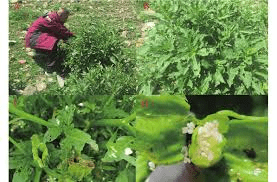
Anisodus tanguticus is commonly known as Chinese Belladonna or Yellow Skunk Cabbage. These common names are often used to refer to this plant in various regions where it is found and utilized for its medicinal properties.
Anisodus tanguticus, an intriguing plant native to the Himalayan region, stands as a botanical wonder with a rich history of medicinal and therapeutic use. This plant belongs to the Solanaceae family, a group known for its diverse range of members that includes tomatoes, potatoes, and bell peppers.
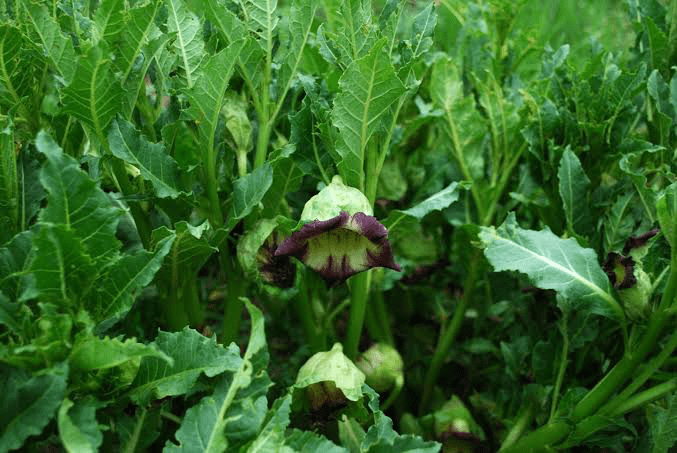
Anisodus tanguticus is a perennial herbaceous plant that typically reaches a height of about 30 to 60 centimeters. It boasts elongated, lance-shaped leaves that alternate along the stem. The leaves exhibit a velvety texture and are often marked by prominent veins. The plant’s overall appearance gives off an air of elegance, with its verdant foliage and delicate yet striking blooms.
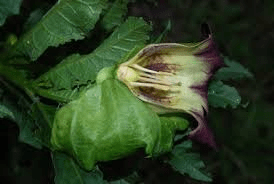
The flowers of Anisodus tanguticus are a sight to behold. They emerge in clusters from the leaf axils, displaying a bell-shaped corolla that showcases hues ranging from pale yellow to creamy white. These delicate blossoms emit a subtle, pleasant fragrance that adds to their allure. The flowering period typically occurs during the summer months, contributing to the plant’s overall aesthetic appeal.
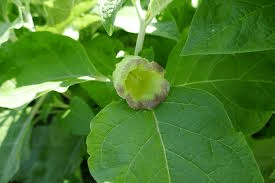
Anisodus tanguticus produces small, spherical fruits that contain numerous tiny seeds. These fruits are initially green but gradually transition to a light yellow or pale brown color as they mature. While not a primary focus of its medicinal use, the fruits hold botanical significance as they contribute to the plant’s reproductive cycle.
Anisodus tanguticus is commonly found in alpine and subalpine regions, thriving in rocky slopes and meadows. Its ability to flourish in such challenging environments highlights its adaptability and resilience. The plant’s growth is influenced by factors like sunlight exposure, soil composition, and local climate conditions, all of which contribute to shaping its unique characteristics.
The utilization of Anisodus tanguticus in traditional medicine has deep cultural roots in the regions where it grows. Communities in the Himalayan region have long recognized its potential to address various health concerns. The plant’s historical significance is a testament to the indigenous knowledge that has been passed down through generations.
Conservation and Future Prospects: Given its restricted habitat and potential medicinal benefits, Anisodus tanguticus deserves attention in terms of conservation efforts and further scientific exploration. Sustainable harvesting practices and responsible cultivation could play a crucial role in preserving this valuable plant for future generations.
Read Also: 12 Medicinal Health Benefits of Cinnamomum Parthenoxylon (Yellow Camphorwood)
The Medicinal Health Benefits of Anisodus tanguticus (Chinese Belladonna)
1. Respiratory Relief: Anisodus tanguticus is known for its bronchodilator properties, which can help alleviate respiratory issues such as asthma and bronchitis. It works by relaxing the bronchial muscles and facilitating easier breathing.
2. Pain Management: The plant’s analgesic properties make it effective in managing pain, particularly headaches and muscle aches. It’s often used as a natural alternative to conventional pain relievers.
3. Anti-Inflammatory Action: Anisodus tanguticus contains compounds with potent anti-inflammatory effects. This makes it valuable in reducing inflammation in conditions like arthritis and joint pain.
4. Sedative and Relaxant: Traditionally, this plant has been used as a sedative and relaxant, helping to soothe anxiety, stress, and even promoting better sleep.
5. Digestive Aid: Anisodus tanguticus can aid digestion by promoting the secretion of digestive enzymes. It’s used to alleviate indigestion, bloating, and other gastrointestinal discomforts.
6. Fever Reduction: The plant’s febrifuge properties are beneficial in lowering fever by inducing sweating and facilitating temperature regulation.
7. Skin Health: Applied topically or consumed, Anisodus tanguticus can improve skin health. It can be used to treat skin conditions like eczema, rashes, and even insect bites.
8. Cardiovascular Support: It’s believed that this plant has mild cardiovascular benefits, potentially helping in regulating blood pressure and improving overall heart health.
9. Antispasmodic Effects: Anisodus tanguticus is known for its antispasmodic effects, which can provide relief from muscle spasms, cramps, and related discomforts.
10. Antiemetic Properties: For those prone to nausea and vomiting, this plant can act as a natural antiemetic, helping to ease these symptoms.
Read Also: A Guide to Growing and Caring for Tifway 419 Bermuda Grass
The Methods of Usage to Achieve the Provided Health Benefits of Anisodus tanguticus (Chinese Belladonna)
1. Infusion/Tea: Creating an infusion or tea from the dried leaves or roots of Anisodus tanguticus is a common method of usage. Simply steep a teaspoon of dried plant material in a cup of hot water for about 10 minutes. This can be consumed up to two times a day, especially for respiratory relief, pain management, and relaxation.
2. Topical Applications: For skin-related concerns, prepare a poultice or cream using powdered Anisodus tanguticus. Mix the powdered plant material with a carrier oil or water to form a paste. Apply this paste to the affected area for relief from skin conditions, insect bites, or muscle aches.
3. Steam Inhalation: To ease respiratory issues, such as congestion or cough, inhale steam infused with the essential oils of Anisodus tanguticus. Add a few drops of the essential oil to a bowl of hot water, place a towel over your head, and inhale the steam for about 10 minutes.
4. Tincture: A tincture can be prepared using the plant’s dried roots or leaves. Mix the dried material with alcohol or glycerin and let it sit for a few weeks. This method can help preserve the plant’s medicinal properties for longer periods and can be taken in small doses.
5. Infused Oil: For external applications, prepare an infused oil by steeping dried Anisodus tanguticus in a carrier oil, such as olive oil or coconut oil. Let the mixture sit in a dark place for a few weeks, then strain and use the oil for massages or as a topical remedy.
6. Herbal Compress: Create a compress by soaking a cloth in a strong infusion of Anisodus tanguticus. Apply the damp cloth to the affected area for pain relief, reduction of inflammation, or relaxation.
7. Herbal Bath: Add a strong infusion or a few drops of the essential oil of Anisodus tanguticus to your bathwater. This method can help promote relaxation, soothe sore muscles, and provide relief from skin discomforts.
8. Inhalation Blend: Blend the essential oil of Anisodus tanguticus with other suitable essential oils like eucalyptus or lavender. Use this blend in an essential oil diffuser to create a calming and respiratory-supportive atmosphere.
The Side Effects of Using Anisodus tanguticus Medicinal Plant
1. Digestive Disturbances: Excessive consumption of Anisodus tanguticus can lead to digestive discomforts such as nausea, vomiting, or stomach upset. It’s essential to use this plant in moderation to avoid such issues.
2. Dizziness: In some cases, overuse or improper usage of Anisodus tanguticus can result in dizziness or lightheadedness. This is particularly important to consider if you’re prone to such sensations.
3. Skin Reactions: Topical application of Anisodus tanguticus preparations, especially on sensitive skin, may lead to skin irritation or allergic reactions. Always perform a patch test before using any new topical remedy.
4. Interaction with Medications: Anisodus tanguticus may interact with certain medications, especially those metabolized by the liver. Consult a healthcare professional before using this plant alongside other medications.
5. Photosensitivity: Some individuals may experience heightened sensitivity to sunlight after using products containing Anisodus tanguticus. This can lead to sunburn more quickly than usual.
6. Allergic Responses: Individuals with known allergies to plants in the Solanaceae family (which includes tomatoes, potatoes, and bell peppers) may be at an increased risk of allergic reactions to Anisodus tanguticus.
7. Respiratory Distress: In rare cases, excessive inhalation of the plant’s essential oil or prolonged exposure to its aroma may cause respiratory distress, especially in those with preexisting respiratory conditions.
8. Blood Pressure Changes: While Anisodus tanguticus may have mild cardiovascular benefits, excessive use could potentially lead to fluctuations in blood pressure. Individuals with blood pressure issues should exercise caution.
9. Hormonal Interactions: There’s limited research on the effects of Anisodus tanguticus on hormones, so it’s advisable for individuals with hormonal imbalances to consult a healthcare professional before use.
10. Pregnancy and Nursing: Due to limited research on the safety of Anisodus tanguticus during pregnancy and breastfeeding, it’s recommended that pregnant or nursing individuals avoid using it.
11. Central Nervous System Effects: Anisodus tanguticus may have sedative properties. Overconsumption could lead to excessive sedation, affecting concentration and alertness.
12. Gastrointestinal Spasms: While Anisodus tanguticus can aid digestion, excessive consumption might lead to gastrointestinal spasms or cramps.
Nutritional Value of Anisodus tanguticus (Chinese Belladonna)
1. Carbohydrates: The roots and leaves of Anisodus tanguticus contain carbohydrates, primarily in the form of starches, serving as an energy source. These are present in the plant’s tissues, supporting its growth in nutrient-rich soils, though specific levels are not well-quantified due to limited nutritional analyses.
2. Fiber: Dietary fiber is likely found in the stems and roots, aiding digestion and promoting gut health. Fiber contributes to the plant’s fibrous structure, inferred from its perennial nature, but exact content requires further study.
3. Protein: Trace amounts of protein are present in the leaves and roots, supporting tissue repair and enzymatic functions. While not a primary source, proteins are essential for the plant’s metabolic processes and may offer minor benefits in traditional preparations.
4. Nitrogen Compounds: As a plant responsive to nitrogen fertilization, Anisodus tanguticus accumulates nitrogen-based compounds, including alkaloids derived from amino acids. Optimal nitrogen at 225 kg/ha enhances growth, indirectly supporting protein synthesis.
5. Phosphorus Compounds: Phosphorus, optimally added at 600 kg/ha or less, is crucial for energy transfer and root development. It aids in the formation of ATP and other phosphates, contributing to the plant’s overall metabolic health.
6. Potassium: The plant benefits from potassium addition at 75 kg/ha, which supports enzyme activation and water regulation. Potassium helps in maintaining cellular turgor, essential for its adaptation to high-altitude environments.
7. Alkaloids: Rich in tropane alkaloids like anisodamine and anisodine, these bioactive compounds are not traditional nutrients but provide pharmacological value. They are synthesized from basic amino acids, linking to nitrogen metabolism.
8. Phenolic Compounds: Phenolics, present in the roots, act as antioxidants, potentially reducing oxidative stress. These compounds support cellular protection, though their nutritional role is secondary to medicinal applications.
9. Flavonoids: Flavonoids are inferred in the extracts, offering anti-inflammatory benefits. They contribute to the plant’s antioxidant capacity, enhancing health when used in controlled medicinal doses.
10. Terpenoids: Sesquiterpenoids, such as eudesmane-like compounds in the roots, provide anti-inflammatory effects. These are bioactive rather than caloric nutrients, supporting traditional therapeutic uses.
Scientific Evidence and Case Studies on Anisodus tanguticus
1. Liu et al. (2022): This study examined the effects of planting densities and harvesting periods on growth and tropane alkaloids in Anisodus tanguticus. At a density of 40 cm × 50 cm during the growth period, total alkaloid accumulation reached 1.08% (139.48 kg/ha), supporting its use for extracting anticholinergic drugs like anisodamine for circulatory shock (Liu, N., et al. (2022). Effects of different planting densities and harvesting periods on the growth and major alkaloids of Anisodus tanguticus (Maxim.) Pascher on the Qinghai–Tibetan Plateau. Agriculture, 12(11), 1881).
2. Chen et al. (2024): Researchers investigated macronutrient regulation on alkaloid yield, finding optimal nitrogen (225 kg/ha), potassium (75 kg/ha), and phosphorus (≤600 kg/ha) during the T-Wilting period maximized tropane alkaloids. This enhances pharmaceutical production for spasmolytic and antiasthmatic effects (Chen, C., et al. (2024). Exogenous regulation of macronutrients promotes the accumulation of alkaloid yield in Anisodus tanguticus (Maxim.) Pascher. BMC Plant Biology, 24(1), 612).
3. Chen et al. (2022): Using multivariate analysis, this study traced metabolites for geographical origins and network pharmacology, identifying tropane alkaloids linked to analgesia, motion sickness relief, and anesthesia. It supports traditional Tibetan uses for blood activation and bleeding control (Chen, C., et al. (2022). Multivariate statistical analysis of metabolites in Anisodus tanguticus (Maxim.) Pascher to determine geographical origins and network pharmacology. Frontiers in Plant Science, 13, 927336).
4. Li et al. (2024): This research isolated eleven eudesmane-like sesquiterpenoids from roots, with eight novel compounds showing anti-inflammatory effects by inhibiting NO production in LPS-induced RAW264.7 cells. It validates uses for pain, spasms, ulcers, and colitis (Li, Y., et al. (2024). Eudesmane-like sesquiterpenoids from the roots of Anisodus tanguticus and their anti-inflammatory effects. Journal of Ethnopharmacology, 334, 118568).
Frequently Asked Questions About Anisodus tanguticus
1. Is Anisodus tanguticus safe to consume?
No, it is highly toxic due to tropane alkaloids, causing poisoning outbreaks when mistaken for edible plants. Use only in pharmaceutical extracts under medical supervision.
2. What parts of Anisodus tanguticus are used medicinally?
The roots are primarily used to extract anisodamine and anisodine for drugs treating circulatory shock, spasms, and pain in traditional Chinese and Tibetan medicine.
3. Can Anisodus tanguticus treat pain or spasms?
Yes, its tropane alkaloids provide spasmolytic and analgesic effects, used traditionally for pain relief, anesthesia, and motion sickness.
4. Where does Anisodus tanguticus grow?
It is endemic to the Qinghai-Tibet Plateau, including Qinghai, Gansu, Sichuan, Tibet, and parts of Nepal, thriving on sunny grassy slopes at high altitudes.
5. Is Anisodus tanguticus endangered?
Yes, it is considered endangered due to overexploitation for medicinal purposes, leading to genetic variation concerns and the need for conservation.
6. What are the traditional uses of Anisodus tanguticus?
In Tibetan medicine, it treats spasms, pain, skin diseases, ulcers, colitis, and gallstones; it’s one of the 50 fundamental herbs in traditional Chinese medicine.
7. What are the risks of Anisodus tanguticus?
Ingestion can cause anticholinergic poisoning with symptoms like dry mouth, blurred vision, hallucinations, and death; one outbreak in 2021 resulted in 10 cases and one fatality.
8. How is Anisodus tanguticus used in modern medicine?
Alkaloids are synthesized for drugs like 654-2 (anisodamine) to treat acute circulatory shock, introduced in China in 1965.
Do you have any questions, suggestions, or contributions? If so, please feel free to use the comment box below to share your thoughts. We also encourage you to kindly share this information with others who might benefit from it. Since we can’t reach everyone at once, we truly appreciate your help in spreading the word. Thank you very much for your support and for sharing!
Disclaimer: This article is for educational and informational purposes only. The health benefits described are based on scientific research and traditional knowledge. They are not a substitute for professional medical advice, diagnosis, or treatment. Always consult a healthcare professional before using any herb or natural remedy for medical purposes.
Read Also: Collective Farming: The Key to Sustainable Food Systems