


Catharanthus lanceus, commonly known as Madagascar Periwinkle, is a captivating plant that boasts distinct botanical characteristics. Native to Madagascar, this evergreen perennial belongs to the Apocynaceae family, which is known for its diverse array of flowering plant
Catharanthus lanceus typically grows as an erect, branching shrub with woody stems that can reach a height of about 1 to 1.5 meters. The stems are covered in smooth, glossy bark and are often tinged with reddish hues.
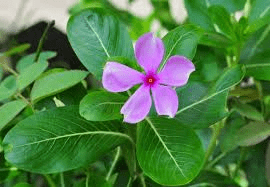
The leaves of Catharanthus lanceus are simple, opposite, and ovate to elliptic in shape. They have a smooth texture and are characterized by their glossy, dark green color. The leaves are arranged in pairs along the stems and emit a pleasant fragrance when crushed.
The most striking feature of Catharanthus lanceus is its eye-catching flowers. The flowers are solitary and terminal, meaning they emerge at the tips of the stems.
They are funnel-shaped with five distinct petals and can come in a variety of colors, including shades of pink, white, lavender, and even bi-colored combinations.
The center of the flower features a contrasting throat with a darker color. The flowers are not only visually appealing but also play a crucial role in the plant’s reproduction.
Catharanthus lanceus produces flowers in clusters known as cymes. These cymes consist of multiple individual flowers grouped together at the ends of the stems. The cymes create a stunning display of color and add to the overall ornamental value of the plant.
After successful pollination, the flowers give way to small, elongated seed capsules. These capsules contain the plant’s seeds and gradually develop as the flowers fade. The seed capsules split open when mature, releasing the seeds for potential propagation.
Catharanthus lanceus thrives in tropical and subtropical climates, making its home in Madagascar and other regions with similar environmental conditions.
It is commonly grown as an ornamental plant in gardens, parks, and landscapes due to its vibrant flowers and glossy leaves. The plant’s adaptability to various soil types and its ability to tolerate some drought make it a popular choice for landscaping.
Catharanthus lanceus has a rich history of traditional medicinal uses. Its extracts have been utilized in various cultures for their potential healing properties, including managing diabetes, treating wounds, and supporting overall wellness.
Nutritional Value of Catharanthus lanceus (Madagascar Periwinkle)
1. Alkaloids: Catharanthus lanceus contains vindoline-type alkaloids, which are bioactive compounds known for their pharmacological properties. These alkaloids, such as vindoline, have shown potential in supporting health through antidiabetic and anticancer effects.
2. Flavonoids: The plant has flavonoids, which act as antioxidants. These compounds help neutralize free radicals, potentially reducing oxidative stress and supporting cellular health.
3. Saponins: Saponins in Catharanthus lanceus contribute to its antimicrobial properties. They may help bolster the immune system by combating harmful bacteria and fungi.
4. Terpenoids: Terpenoid indole alkaloids are present, which are linked to anti-inflammatory and anticancer activities. These compounds may help reduce inflammation and inhibit cancer cell growth.
5. Phenolic Compounds: Phenolics in the plant provide antioxidant benefits, protecting cells from damage caused by oxidative stress and supporting overall health.
6. Carbohydrates: The plant contains carbohydrates, which serve as an energy source when consumed in controlled amounts, though its primary use is medicinal rather than nutritional.
7. Glycosides: Glycosides in Catharanthus lanceus may contribute to cardiovascular health by supporting blood pressure regulation, though direct consumption requires caution.
8. Steroids: Steroids in the plant may have anti-inflammatory effects, potentially aiding in reducing swelling and tissue inflammation when used in medicinal preparations.
9. Tannins: Tannins offer astringent properties, which can help with wound healing and reduce inflammation when applied topically or used in controlled doses.
10. Quinones: Quinones are present and may contribute to the plant’s antimicrobial and antioxidant effects, supporting its use in traditional remedies for infections.
Read Also: Chickpea/Gram Pea Stamens: Economic Importance, Uses and By-Products
The Medicinal Health Benefits of Catharanthus lanceus (Madagascar Periwinkle)

1. Anti-Diabetic Properties: Catharanthus lanceus contains compounds that can help regulate blood sugar levels. It has been traditionally used to manage diabetes and improve insulin sensitivity.
2. Cancer Treatment Support: The plant contains alkaloids that have shown promise in cancer treatment. These compounds have been investigated for their potential to inhibit the growth of certain cancer cells.
3. Blood Pressure Regulation: Catharanthus lanceus has vasodilatory effects, which means it can help relax blood vessels and potentially lower blood pressure, reducing the risk of cardiovascular diseases.
4. Antibacterial and Antifungal Activity: Extracts from this plant have exhibited antibacterial and antifungal properties, making it valuable in the treatment of various infections.
5. Wound Healing: The plant’s extracts have shown the ability to enhance wound healing due to their anti-inflammatory and tissue regeneration properties.
6. Anti-Inflammatory Effects: Catharanthus lanceus possesses anti-inflammatory compounds that can help alleviate inflammation-related conditions such as arthritis and inflammatory skin conditions.
7. Neurological Support: Compounds found in the plant have been studied for their potential neuroprotective effects, offering support in maintaining cognitive health.
8. Digestive Aid: Traditional medicine has used Catharanthus lanceus to alleviate digestive issues, as it may help soothe the gastrointestinal tract and promote healthy digestion.
9. Antioxidant Protection: The plant contains antioxidants that help combat oxidative stress, protecting cells from damage and reducing the risk of chronic diseases.
10. Mood Enhancement: Some compounds in the plant may have mood-enhancing properties, potentially aiding in managing mild mood disorders.
Read Also: 10 Medicinal Health Benefits of Belladona (Atropa Acuminata)
The Methods of Usage to Achieve the Provided Health Benefits of Catharanthus lanceus (Madagascar Periwinkle)
1. Herbal Tea: Prepare a soothing herbal tea by steeping dried Catharanthus lanceus leaves in hot water. This simple method allows you to extract the plant’s beneficial compounds and create a flavorful infusion.
To make the tea, place a teaspoon of dried leaves in a cup of hot water and let it steep for about 5-10 minutes. Strain and enjoy your herbal tea daily to experience its health-promoting effects.
2. Topical Application: For external use, you can create an infused oil or salve using the plant’s extracts. This method is particularly beneficial for addressing skin issues, wounds, or sore muscles.
To make an infused oil, gently heat a carrier oil like coconut or olive oil and add dried Catharanthus lanceus flowers or leaves. Let the mixture infuse over low heat for several hours, then strain the oil and store it in a dark glass bottle. Apply the infused oil topically to the affected area as needed.
3. Tinctures: Tinctures are concentrated liquid extracts that are easy to take orally. To create a Catharanthus lanceus tincture, you’ll need dried plant material and alcohol (such as vodka or grain alcohol).
Fill a glass jar with the dried leaves, flowers, or a combination of both, and cover them with the alcohol. Seal the jar and let the mixture sit in a cool, dark place for a few weeks, shaking it gently every day.
After the maceration period, strain the liquid and store it in a labeled tincture bottle. Take a few drops of the tincture diluted in water as directed by a healthcare professional.
4. Powdered Extract: Another method is to create a powdered extract from the dried Catharanthus lanceus plant material.
This can be done by grinding the dried leaves, stems, or flowers into a fine powder using a mortar and pestle or a grinder. The resulting powder can be encapsulated for convenient consumption, added to smoothies, or mixed with a carrier substance like honey.
The Side Effects of Using Catharanthus lanceus Medicinal Plant
1. Nausea and Vomiting: Consuming Catharanthus lanceus extracts in large amounts or without proper guidance can lead to nausea and vomiting. These symptoms may occur due to the plant’s compounds interacting with the digestive system.
2. Allergic Reactions: Some individuals may be sensitive or allergic to certain compounds present in Catharanthus lanceus. Allergic reactions can range from mild skin irritation to more severe symptoms such as rash, itching, or difficulty breathing.
3. Gastrointestinal Distress: Overconsumption or misuse of Catharanthus lanceus may cause gastrointestinal discomfort, including stomach pain, cramps, or diarrhea.
4. Interaction with Medications: The plant’s compounds could potentially interact with certain medications, affecting their efficacy or causing unwanted effects. It’s crucial to consult a healthcare professional before using Catharanthus lanceus if you’re taking prescription medications.
5. Blood Sugar Level Fluctuations: While Catharanthus lanceus is known for its potential to help regulate blood sugar levels, improper usage could lead to excessively low blood sugar levels in individuals with diabetes or those taking diabetes medications.
6. Pregnancy and Breastfeeding: Pregnant or breastfeeding individuals should exercise caution when using Catharanthus lanceus, as its effects on these conditions are not well-studied. It’s advisable to consult a healthcare provider before using the plant during pregnancy or while breastfeeding.
7. Interaction with Existing Health Conditions: If you have underlying health conditions such as liver disease, kidney problems, or cardiovascular issues, it’s important to seek professional advice before incorporating Catharanthus lanceus into your regimen. Some of the plant’s compounds could potentially interact with these conditions.
8. Photosensitivity: In some cases, topical application of Catharanthus lanceus extracts may increase sensitivity to sunlight, leading to skin reactions or sunburn when exposed to UV rays.
Scientific Evidence and Case Studies on Catharanthus lanceus (Madagascar Periwinkle)
1. Antidiabetic Properties: A study by Espejel-Nava et al. (2018) found that a phenolic fraction from Catharanthus roseus stems, closely related to Catharanthus lanceus, decreased glycemia and stimulated insulin secretion in diabetic models. This suggests potential antidiabetic benefits for similar compounds in C. lanceus (Espejel-Nava, J. A., Vega-Avila, E., Alarcon-Aguilar, F., et al., 2018).
2. Antioxidant Activity: Ferreres et al. (2008) investigated Catharanthus roseus and identified new phenolic compounds with significant antioxidant potential. These findings likely apply to C. lanceus due to its similar alkaloid profile, supporting its role in reducing oxidative stress (Ferreres, F., Pereira, D. M., Valentão, P., et al., 2008).
3. Anticancer Potential: Moon et al. (2018) explored Catharanthus roseus cambium meristematic stem cell cultures and found bioactive compounds with anticancer activities. Given the shared vindoline-type alkaloids in C. lanceus, this suggests potential anticancer properties (Moon, S. H., Pandurangan, M., Kim, D. H., et al., 2018).
4. Antimicrobial Effects: Gupta et al. (2015) demonstrated that green ZnO nanoparticles from Catharanthus roseus, which shares chemical similarities with C. lanceus, exhibited effective antimicrobial activity against various pathogens. This supports the plant’s traditional use in infection treatment (Gupta, M., Tomar, R. S., Kaushik, S., et al., 2015).
These studies underscore the therapeutic potential of Catharanthus lanceus, particularly in managing diabetes, oxidative stress, cancer, and infections, though further research specific to this species is needed.
Frequently Asked Questions About Catharanthus lanceus (Madagascar Periwinkle)
1. What is Catharanthus lanceus used for medicinally?
It is used in traditional medicine for conditions like diabetes, infections, and inflammation due to its alkaloids, flavonoids, and other bioactive compounds.
2. Is Catharanthus lanceus safe to consume?
No, it is unsafe for oral consumption without medical supervision due to its toxicity, which can cause nausea, nerve damage, or low blood pressure.
3. Can Catharanthus lanceus help with cancer treatment?
Its vindoline-type alkaloids show potential anticancer properties, but only purified forms like vincristine and vinblastine are used in clinical settings under medical supervision.
4. How does Catharanthus lanceus benefit diabetes management?
Studies suggest its phenolic compounds may lower blood sugar and stimulate insulin secretion, but it should not be used without professional guidance.
5. Are there side effects of using Catharanthus lanceus?
Yes, side effects include nausea, vomiting, and low blood pressure. It’s particularly risky for those with low blood pressure or during pregnancy.
6. Can Catharanthus lanceus be used in skincare?
Its anti-inflammatory and antimicrobial properties make it useful in traditional remedies for acne or wound healing, but only under controlled conditions.
7. How is Catharanthus lanceus different from Catharanthus roseus?
Both belong to the same genus and share similar alkaloids, but C. lanceus is less studied and may have distinct chemical profiles or growth habits.
8. Is Catharanthus lanceus used in modern medicine?
While not as prominent as C. roseus, its alkaloids are being researched for potential use in modern pharmacology, especially for anticancer and antidiabetic applications.
Do you have any questions, suggestions, or contributions? If so, please feel free to use the comment box below to share your thoughts. We also encourage you to kindly share this information with others who might benefit from it. Since we can’t reach everyone at once, we truly appreciate your help in spreading the word. Thank you very much for your support and for sharing!
Disclaimer: This article is for educational and informational purposes only. The health benefits described are based on scientific research and traditional knowledge. They are not a substitute for professional medical advice, diagnosis, or treatment. Always consult a healthcare professional before using any herb or natural remedy for medical purposes.
Read Also: The Electronic Recycling (E-Waste) Process Complete Guide