


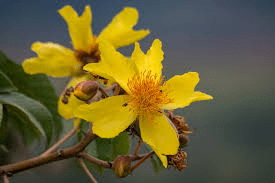
Cochlospermum angolense, commonly known as African Yellowwood, is a captivating deciduous tree that holds both botanical beauty and medicinal significance. Native to various regions of Africa, this tree’s distinctive features make it easily recognizable and highly valued for its versatile applications.
Cochlospermum angolense is a tall tree that can reach heights of up to 20 meters, and occasionally even taller. Its trunk is stout and covered in a rugged, scaly bark that ranges in color from gray to brown.
The branches spread out gracefully, forming a wide and open canopy that provides ample shade. The tree’s vibrant yellow flowers stand out against its lush green foliage, creating a striking visual contrast.
The leaves of Cochlospermum angolense are simple, alternate, and palmately lobed. Each leaf typically consists of five to seven lobes radiating from a central point, resembling the fingers of a hand. The leaves are a deep green color and can grow to be relatively large, contributing to the tree’s overall lush appearance.
The most iconic feature of Cochlospermum angolense is its bright yellow flowers. These large, cup-shaped flowers are borne on long stalks and bloom in clusters. The petals are often crinkled at the edges, adding to the flower’s unique charm.
The sight of a Cochlospermum angolense tree in full bloom is truly a spectacle, as its yellow flowers create a vivid display against the backdrop of its green foliage.
The tree produces spherical, woody capsules that contain seeds. As the capsules mature, they turn brown and split open to release their seeds. These capsules have a unique appearance, adding to the tree’s overall aesthetic appeal.
Cochlospermum angolense thrives in tropical and subtropical climates. It can be found across various regions of Africa, including countries like Angola, Cameroon, Nigeria, and the Democratic Republic of the Congo.
It often grows in savannas, woodlands, and riverine areas, where it benefits from the well-drained soils and abundant sunlight.
Cochlospermum angolense has been a valuable resource for traditional medicine. Indigenous communities have utilized different parts of the tree for their medicinal properties.
The bark, leaves, and roots are often used in remedies to address various ailments, ranging from pain relief to digestive issues. Its prominence in traditional healing practices highlights the deep connection between nature and human well-being.
Nutritional Value of Cochlospermum angolense (African Yellowwood)
1. Flavonoids: These are powerful antioxidants found in the leaves, bark, and roots of Cochlospermum angolense. Flavonoids, such as isoquercetin and dihydromyricetin, help neutralize free radicals, reducing oxidative stress and potentially lowering the risk of chronic diseases like heart disease and cancer.
2. Phenolic Compounds: The plant is rich in phenols, which contribute to its antioxidant properties. These compounds protect cells from damage caused by free radicals and support anti-inflammatory processes, promoting overall health.
3. Alkaloids: Alkaloids like angustine B, identified in the plant, may have antimicrobial and anti-inflammatory effects, supporting traditional uses for treating infections and inflammation.
4. Terpenes: Terpenes, including sesquiterpenoids found in the roots, exhibit antioxidant and anti-inflammatory properties, which may aid in preventing diseases linked to inflammation.
5. Quinones: These compounds contribute to the plant’s ability to combat oxidative stress, potentially offering protective effects against cellular damage.
6. Carotenoids: Present in Cochlospermum angolense, carotenoids are known for their role in supporting eye health and boosting the immune system due to their antioxidant capabilities.
7. Sterols: Sterols in the plant may support cardiovascular health by helping to regulate cholesterol levels and providing anti-inflammatory benefits.
8. Abscisic Acid: A newly identified compound in the plant, (+)-abscisic acid, may play a role in regulating plant-based health benefits, potentially influencing metabolic processes.
9. Lignans: These compounds have antioxidant properties and may support hormonal balance and cardiovascular health, based on their presence in related species.
10. Dihydrogenistein: This flavonoid derivative has antioxidant effects and may contribute to reducing inflammation and protecting against oxidative stress-related conditions.
Read Also: Soybean Flowers: Economic Importance, Uses and By-Products
The Medicinal Health Benefits of Cochlospermum angolense (African Yellowwood)
1. Anti-Inflammatory Powerhouse: The bark of Cochlospermum angolense contains potent anti-inflammatory compounds. These compounds can help alleviate inflammation-related discomfort and conditions such as arthritis and joint pain.
By targeting inflammatory pathways, the plant provides a natural approach to managing these common ailments.
2. Antioxidant Defense: African Yellowwood is a rich source of antioxidants, which play a crucial role in neutralizing harmful free radicals in the body.
By doing so, these antioxidants help reduce oxidative stress, which is implicated in various chronic diseases and the aging process. Regular consumption or application of extracts from the plant can contribute to overall well-being.
3. Traditional Pain Reliever: In traditional medicine, different parts of the Cochlospermum angolense plant have been used as natural pain relievers. The bark, leaves, and roots contain compounds that may help alleviate pain and discomfort, making it a valuable resource for managing various types of pain.
4. Wound Healing and Skin Support: The leaves of this plant have been employed in traditional remedies to promote wound healing. Their application on wounds is believed to accelerate the recovery process. Additionally, the plant’s properties extend to skincare, where it can provide relief from skin irritations and rashes.
5. Respiratory Comfort: For respiratory health, Cochlospermum angolense has been utilized to address issues such as coughs and bronchitis. Traditional preparations made from its parts may help soothe the respiratory tract and alleviate discomfort associated with respiratory ailments.
6. Fever Reduction: African Yellowwood has a traditional role in fever reduction. Its usage in managing fever showcases its potential to help the body regulate temperature during illnesses.
7. Digestive Support: Indigenous communities have turned to Cochlospermum angolense for its potential digestive benefits. It is believed to aid in digestion and alleviate gastrointestinal discomfort, offering a natural way to support digestive health.
8. Potential Diabetes Management: Research suggests that this plant may have a role to play in managing blood sugar levels. Its bioactive compounds could contribute to more stable blood glucose levels, making it a subject of interest for diabetes management.
9. Heart Health Promotion: Compounds found in Cochlospermum angolense might contribute to cardiovascular well-being by promoting proper circulation and supporting heart health.
10. Anti-Anxiety and Relaxation: In traditional practices, the plant has been used to reduce anxiety and promote relaxation. Incorporating it into relaxation routines may offer a natural way to ease stress.
Read Also: 10 Medicinal Health Benefits of Dacryodes edulis (African Pear)
The Methods of Usage to Achieve the Provided Health Benefits of Cochlospermum angolense (African Yellowwood)
1. Herbal Infusions and Teas: One of the most common ways to enjoy the benefits of Cochlospermum angolense is by preparing herbal infusions or teas.
The bark, leaves, or a combination of both can be dried and steeped in hot water to create a soothing and therapeutic beverage. This method allows you to extract the plant’s beneficial compounds, making them readily available for absorption.
2. Powdered Formulas: For a convenient option, you can powder the dried bark or leaves of the plant. This powdered form can be added to smoothies, juices, or incorporated into cooking. It’s an excellent way to integrate the plant’s health-promoting properties into your daily routine.
3. Tinctures and Extracts: Tinctures and extracts are concentrated forms of the plant’s active compounds. These liquid extracts are usually alcohol-based and are easy to administer in small quantities.
They offer a potent way to access the medicinal benefits of Cochlospermum angolense, and a few drops can go a long way.
4. Poultices and Topical Applications: For external use, the leaves and bark can be turned into poultices or creams. Applying these directly to the skin can help with wound healing, skin irritations, and other dermatological issues. Ensure proper preparation and cleanliness when using topical applications.
5. Inhalation and Steam Therapy: To address respiratory concerns, you can inhale the steam of a herbal infusion made from Cochlospermum angolense. This method allows the therapeutic compounds to reach the respiratory tract, providing relief for coughs, colds, and congestion.
6. Culinary Uses: In some cultures, Cochlospermum angolense is incorporated into traditional dishes for both flavor and health benefits. Integrating it into your cooking can be an enjoyable way to explore its potential culinary applications.
7. Traditional Formulations: Consulting traditional healers or practitioners familiar with the plant’s uses in specific cultures can provide insights into traditional formulations and remedies. These formulations often combine multiple plant parts and other ingredients to create comprehensive healing remedies.
8. Precautions and Dosage: While utilizing Cochlospermum angolense can offer health benefits, it’s essential to exercise caution and moderation.
Consult a healthcare professional before adding any new herbal remedy to your routine, especially if you have pre-existing health conditions or are taking medications. Proper dosage guidance is crucial to ensure safety and efficacy.
The Side Effects of Using Cochlospermum angolense Medicinal Plant
1. Allergic Reactions: Individuals who are sensitive or allergic to plants within the same botanical family as Cochlospermum angolense could potentially experience allergic reactions. It’s recommended to perform a patch test before using the plant extensively, especially if you have a history of plant allergies.
2. Digestive Upset: In some cases, excessive consumption or improper preparation of Cochlospermum angolense may lead to digestive discomfort, including stomach upset, bloating, or diarrhea. It’s important to follow recommended dosages and methods of preparation to minimize the risk of digestive issues.
3. Drug Interactions: Certain compounds in the plant may interact with medications you are currently taking. If you are on any medications, particularly those related to blood clotting, diabetes, or blood pressure, consult a healthcare professional before incorporating Cochlospermum angolense into your routine.
4. Pregnancy and Breastfeeding: Pregnant and breastfeeding individuals should exercise caution when considering the use of Cochlospermum angolense. Limited research is available on its safety during these stages, so it’s advisable to consult a healthcare provider before use.
5. Overdose Concerns: While the plant’s compounds offer health benefits, excessive consumption could lead to adverse effects. It’s important to adhere to recommended dosages and not exceed the specified intake. More is not necessarily better and can lead to unintended consequences.
6. Interactions with Medical Conditions: If you have pre-existing medical conditions such as liver disorders or hormone-related issues, consult with a healthcare professional before using Cochlospermum angolense. Certain compounds could potentially affect these conditions.Medicinal Health Benefits of Cochlospermum angolense (African Yellowwood)6. Interactions with Medical Conditions: If you have pre-existing medical conditions such as liver disorders or hormone-related issues, consult with a healthcare professional before using Cochlospermum angolense. Certain compounds could potentially affect these conditions.
7. Sensitivity to Sunlight: Some individuals may experience heightened sensitivity to sunlight after using Cochlospermum angolense, especially if used topically. It’s advisable to apply sunscreen and limit sun exposure after using products containing the plant.
8. Lack of Regulation: Keep in mind that herbal remedies like Cochlospermum angolense are not regulated in the same way pharmaceutical drugs are. Quality and potency can vary between sources, so it’s important to source products from reputable suppliers.
9. Individual Variation: Responses to herbal remedies can vary widely from person to person. What works well for one individual may not have the same effect on another. Be attentive to how your body responds and adjust usage accordingly.
Scientific Evidence and Case Studies on Cochlospermum angolense
1. Ferreres et al. (2013): This study, published in Phytochemical Analysis, analyzed the bark of Cochlospermum angolense and identified ellagic acid and its derivatives. These compounds showed significant antioxidant and anti-hepatocellular carcinoma activity, suggesting potential for liver health and cancer prevention.
2. Pereira et al. (2013): Published in Industrial Crops and Products, this research evaluated the antioxidant properties of Cochlospermum angolense root extracts. The study confirmed high concentrations of phenolic compounds and their ability to scavenge free radicals, supporting the plant’s hepatoprotective effects, particularly for malaria treatment.
3. Pereira et al. (2014): In a study published in Food and Function, researchers explored the synergistic antioxidant and anti-hepatocellular carcinoma activities of Cochlospermum angolense alongside artichoke and milk thistle. The findings highlighted the plant’s potential in liver protection and cancer prevention due to its bioactive compounds.
4. Diallo et al. (2025): Published in Molecules, this study used HPLC-ESI-MSn to identify new compounds like (+)-abscisic acid, pinobanksin, and isoquercetin in the leaves, bark, and roots. The research confirmed strong antioxidant activity, including the ability to inhibit lipid peroxidation, supporting the plant’s role in combating oxidative stress-related diseases.
5. Costa et al. (2025): This study, published in IntechOpen, investigated pressurized liquid extraction of Cochlospermum angolense roots and flowers. It found high yields of phenolic compounds (21–57% in roots, 16–47% in flowers), reinforcing the plant’s antioxidant and hepatoprotective properties for traditional malaria treatment.
Frequently Asked Questions About Cochlospermum angolense
1. What is Cochlospermum angolense?
It’s a deciduous tree, also known as African Yellowwood or Borututu, native to Angola and parts of the Democratic Republic of the Congo, widely used in traditional medicine for its bark, roots, and leaves.
2. What are the main health benefits of Cochlospermum angolense?
The plant is rich in antioxidants like flavonoids and phenols, which support liver health, reduce inflammation, and may help prevent diseases caused by oxidative stress, such as cancer and heart disease.
3. How is Cochlospermum angolense used in traditional medicine?
In African communities, its roots are often boiled into an infusion to treat malaria, liver issues, and infections due to its hepatoprotective and antimicrobial properties.
4. Are there any scientific studies supporting its use?
Yes, studies like Ferreres et al. (2013) and Diallo et al. (2025) confirm its antioxidant and hepatoprotective effects, supporting its traditional use for malaria and liver health.
5. Can Cochlospermum angolense be consumed as food?
While primarily used medicinally, its bioactive compounds suggest potential as a nutritional supplement, though more research is needed to confirm its safety and efficacy as a food source.
6. What parts of the plant are used?
The leaves, bark, and roots are all used, with roots being particularly valued for their high phenolic content and hepatoprotective effects.
7. Are there any side effects of using Cochlospermum angolense?
There’s limited data on side effects, but as with any herbal remedy, it should be used under guidance to avoid potential toxicity or interactions.
8. Where can Cochlospermum angolense be found?
It grows in Angola, the Democratic Republic of the Congo, and parts of southern Guinea, typically in savannah or dry regions.
Do you have any questions, suggestions, or contributions? If so, please feel free to use the comment box below to share your thoughts. We also encourage you to kindly share this information with others who might benefit from it. Since we can’t reach everyone at once, we truly appreciate your help in spreading the word. Thank you very much for your support and for sharing!
Disclaimer: This article is for educational and informational purposes only. The health benefits described are based on scientific research and traditional knowledge. They are not a substitute for professional medical advice, diagnosis, or treatment. Always consult a healthcare professional before using any herb or natural remedy for medical purposes.
Read Also: Mastering the Art of Making Signage