


Coscinium fenestratum, commonly known as False Calumba or Tree Turmeric, is a medicinal plant native to South Asia, particularly found in countries like India, Sri Lanka, Myanmar and Thailand.
It belongs to the family Menispermaceae. The plant is valued for its medicinal properties and has been used in traditional medicine systems for centuries.
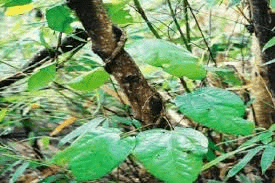
Coscinium fenestratum is a woody climber that can grow up to 10 meters in length. It has simple, alternate, heart-shaped leaves that are leathery in texture. The leaves are characterized by prominent veins and a glossy surface.
The flowers are small, greenish-yellow, and are borne in clusters. The plant produces small, round, berry-like fruits that turn red when ripe.
Read Also: 6 Medicinal Health Benefits of Common Wheat (Triticum Aestivum)
The Medicinal Health Benefits of Coscinium Fenestratum (False Calumba)
1. Digestive Health: Coscinium fenestratum is traditionally used to improve digestion and alleviate digestive discomfort. It may help reduce bloating, gas, and indigestion. For instance, a decoction of the plant’s stem and roots might be consumed after a heavy meal to aid digestion.
2. Anti-Inflammatory Properties: The plant contains compounds with anti-inflammatory effects, which can help reduce inflammation in the body. This can be beneficial for conditions like arthritis, where joint inflammation leads to pain and discomfort.
3. Antioxidant Protection: Coscinium fenestratum’s antioxidants may help protect cells from oxidative stress, potentially lowering the risk of chronic diseases. Regular consumption could contribute to overall well-being and longevity.
4. Skin Disorders: Its topical application might help alleviate skin problems such as rashes, itching and minor wounds. Extracts from the plant could be used in creams or ointments for these purposes.
5. Diabetes Management: Some studies suggest that Coscinium fenestratum may have a positive impact on blood glucose levels. It could potentially be used as a complementary approach for managing diabetes when combined with appropriate medical care and dietary measures.
6. Liver Support: The plant’s compounds might have a hepatoprotective effect, supporting liver health and detoxification processes. This could be beneficial for individuals with liver conditions or those exposed to toxins.
7. Antimicrobial Action: Coscinium fenestratum’s antimicrobial properties could help combat certain bacterial and fungal infections. It might be used as a natural remedy for skin infections or minor wounds to prevent secondary infections.
8. Wound Healing: Its potential wound-healing properties could accelerate the recovery of minor cuts and abrasions. Extracts or poultices could be applied to the affected area to aid in healing.
9. Gastrointestinal Disorders: Beyond aiding digestion, the plant might have a broader role in managing gastrointestinal disorders such as irritable bowel syndrome (IBS) or mild diarrhea.
10. Immune System Support: The immune-boosting effects of Coscinium fenestratum could contribute to overall resilience against infections. It might be particularly useful during seasons when the immune system is under greater stress, such as during cold and flu season.
Read Also: 10 Medicinal Health Benefits of Pycnanthus angolensis (African Nutmeg)
The Methods of Usage to Achieve the Provided Health Benefits of Coscinium Fenestratum (False Calumba)

1. Digestive Health: To support digestion, you can prepare a decoction using the stem and roots of Coscinium fenestratum. Chop the stems and roots into small pieces, and then boil them in water for about 15-20 minutes. Strain the decoction and consume it after meals. This can help alleviate bloating, gas, and indigestion.
2. Anti-Inflammatory Properties: Incorporate Coscinium fenestratum into your diet. You can add powdered stem or root to your meals or make herbal teas using the plant. Regular consumption may help reduce inflammation and provide long-term benefits for conditions like arthritis.
3. Antioxidant Protection: Consume Coscinium fenestratum in various forms. You can infuse the powdered plant material in hot water to make antioxidant-rich herbal teas. Regular intake may help your body fight oxidative stress and lower the risk of chronic diseases.
4. Skin Disorders: Create a paste or salve using Coscinium fenestratum extract. Grind the stem and roots into a fine powder, then mix it with a carrier oil (like coconut oil) to form a paste. Apply this paste topically to the affected skin area to soothe rashes and itching.
5. Diabetes Management: Incorporate Coscinium fenestratum into your diet or use it in supplement form. Consult a healthcare professional for guidance on appropriate dosages and combinations with other diabetes management strategies.
6. Liver Support: Prepare a decoction using Coscinium fenestratum stems and roots. Regular consumption of this decoction might help support liver function and detoxification. However, consult a healthcare provider before making significant changes to your diet or supplement regimen.
7. Antimicrobial Action: For minor skin infections or wounds, prepare a poultice. Grind the stem and roots into a paste, then apply it directly to the affected area. This can help prevent bacterial or fungal growth and promote healing.
8. Wound Healing: Similar to using Coscinium fenestratum for skin infections, you can prepare a poultice and apply it to minor wounds. The plant’s potential wound-healing properties might help speed up the recovery process.
9. Gastrointestinal Disorders: For managing gastrointestinal issues, consume Coscinium fenestratum as a part of your diet. It might be added to soups, stews or other cooked dishes. However, consult a healthcare professional before using it for specific gastrointestinal disorders.
10. Immune System Support: Integrate Coscinium fenestratum into your diet or supplement routine to potentially boost immune system resilience. Regular, controlled intake may provide additional support during times when immune function is crucial, such as flu season.
The Side Effects of Using Coscinium Fenestratum Medicinal Plant
1. Gastrointestinal Distress: In some individuals, the use of Coscinium fenestratum may lead to gastrointestinal discomfort such as nausea, vomiting, or diarrhea. This is particularly true if consumed in excessive amounts. It’s recommended to start with a small amount and monitor your body’s response.
2. Liver Toxicity: Coscinium fenestratum contains alkaloids, and in high doses, these compounds could potentially have hepatotoxic effects, meaning they might harm the liver. People with existing liver conditions or those taking medications that affect liver function should exercise caution and consult a healthcare professional before using the plant.
3. Allergic Reactions: As with any natural product, there’s a possibility of allergic reactions. Skin rashes, itching or hives could occur in sensitive individuals. Before using Coscinium fenestratum topically or internally, it’s wise to perform a patch test and discontinue use if any adverse reactions occur.
4. Drug Interactions: Coscinium fenestratum might interact with certain medications. For instance, due to its potential impact on blood glucose levels, using it alongside diabetes medications could lead to unexpected fluctuations in blood sugar. If you’re taking any medications, consult a healthcare professional before using this plant as a supplement.
5. Pregnancy and Lactation Concerns: Pregnant and breastfeeding women should avoid using Coscinium fenestratum, as its effects on these groups are not well-studied. There’s a lack of sufficient safety data, and it’s better to err on the side of caution during these critical periods.
Nutritional Value of Coscinium Fenestratum (False Calumba)

1. Berberine: Coscinium fenestratum is rich in berberine, an alkaloid that supports blood sugar regulation and has antimicrobial properties, helping to manage diabetes and infections.
2. Palmatine: This alkaloid contributes to the plant’s anti-inflammatory and antioxidant effects, potentially reducing oxidative stress and supporting liver health.
3. Jatrorrhizine: Found in the stem, jatrorrhizine exhibits hypoglycemic and hepatoprotective properties, aiding in carbohydrate metabolism and protecting against liver damage.
4. Flavonoids: These compounds act as antioxidants, combating free radicals and lowering the risk of chronic diseases such as cardiovascular issues.
5. Saponins: Present in the stem, saponins may enhance immune function and have cholesterol-lowering potential, based on traditional uses.
6. Tannins: The plant contains tannins with astringent properties that promote wound healing and reduce inflammation when applied topically.
7. Sitosterol: This phytosterol supports heart health by potentially lowering cholesterol levels and has anti-inflammatory benefits.
8. Palmitic Acid: A fatty acid in the stem that provides minor energy support and contributes to the plant’s overall lipid profile.
9. Oleic Acid: This monounsaturated fat aids in absorption of other nutrients and may support metabolic health in small amounts.
10. Phenolic Compounds: These antioxidants protect cells from damage, supporting anti-inflammatory and antidiabetic effects.
The bioactive compounds in Coscinium fenestratum, particularly its alkaloids, make it a potent ingredient in traditional medicine, though it should be consumed in moderation due to its endangered status and potential toxicity.
Scientific Evidence and Case Studies on Coscinium Fenestratum
1. Shirwaikar et al. (2004): Shirwaikar et al. examined the alcoholic stem extract of Coscinium fenestratum in streptozotocin-nicotinamide induced diabetic rats, demonstrating regulation of carbohydrate metabolism and improved antioxidant status, with significant reductions in blood glucose and enhancements in enzymatic antioxidants like superoxide dismutase.
2. Nair et al. (2005): Nair et al. investigated the antibacterial activity of Coscinium fenestratum extracts, finding potent effects against gram-positive and gram-negative bacteria due to berberine content, confirming its traditional use as an antimicrobial agent.
3. Wattanathorn et al. (2007): Wattanathorn et al. assessed the neurotoxicity of Coscinium fenestratum stem extract in rats, revealing potential adverse effects on neurobehavior and brain regions at high doses, while lower doses showed no significant toxicity, highlighting the need for dosage control.
Frequently Asked Questions About Coscinium Fenestratum
1. What is Coscinium Fenestratum?
Coscinium fenestratum, known as false calumba or tree turmeric, is a woody climber in the Menispermaceae family, native to South and Southeast Asia, used in traditional medicine for its yellow stem and roots.
2. How is Coscinium fenestratum used in traditional medicine?
It is used in Ayurveda and Siddha systems to treat diabetes, inflammation, wounds, jaundice, and digestive issues, often as a decoction from the stem or roots.
3. What are the health benefits of Coscinium fenestratum?
It offers antidiabetic, antimicrobial, anti-inflammatory, and antioxidant effects, helping regulate blood sugar, fight infections, and protect against oxidative stress.
4. Is Coscinium fenestratum endangered?
Yes, it is critically endangered due to overharvesting and habitat loss, with populations declining by over 80% in India and Sri Lanka, leading to conservation efforts.
5. Can Coscinium fenestratum be consumed safely?
In small, traditional doses, it is generally safe, but high doses may cause neurotoxicity or interact with medications; consult a healthcare provider, especially for diabetics.
6. What are the main active compounds in Coscinium fenestratum?
Key compounds include berberine, palmatine, and jatrorrhizine, which contribute to its medicinal properties like blood sugar control and antimicrobial activity.
7. How does Coscinium fenestratum help with diabetes?
Studies show its extracts regulate carbohydrate metabolism and improve antioxidant status in diabetic models, potentially lowering blood glucose levels.
8. Where does Coscinium fenestratum grow?
It grows in moist forests of India (Western Ghats), Sri Lanka, Thailand, Vietnam, and other Southeast Asian regions, at altitudes up to 1200 meters.
Do you have any questions, suggestions, or contributions? If so, please feel free to use the comment box below to share your thoughts. We also encourage you to kindly share this information with others who might benefit from it. Since we can’t reach everyone at once, we truly appreciate your help in spreading the word. Thank you very much for your support and for sharing!
Disclaimer: This article is for educational and informational purposes only. The health benefits described are based on scientific research and traditional knowledge. They are not a substitute for professional medical advice, diagnosis, or treatment. Always consult a healthcare professional before using any herb or natural remedy for medical purposes.
Read Also: The 6 Negative Effects of Taking too much Oranges