


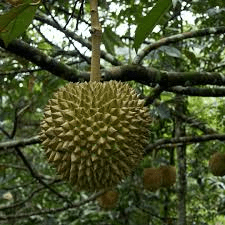
Durian (Durio) is a tropical fruit known for its distinctive smell, large size, and unique flavor. It is native to Southeast Asia and is popular in many countries throughout the region.
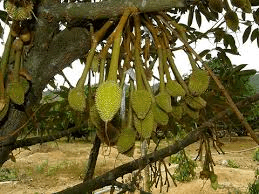
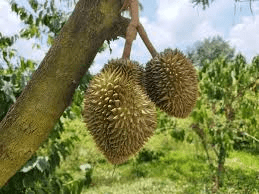
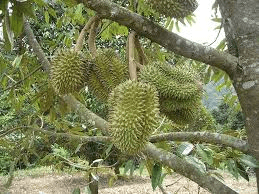
Durian is a large, spiky fruit with a green or brownish husk covered in thorn-like spikes. The fruit itself is divided into segments, each containing edible flesh and large seeds. The flesh can range in color from pale yellow to deep orange, and its texture is creamy and custal-like.
Durian is infamous for its strong smell, which is often described as a mix of rotten onions, turpentine, and raw sewage. While some people find the aroma unpleasant, others consider it to be an acquired taste. The flavor of durian flesh is complex, with hints of sweetness, bitterness, and a rich, custard-like texture.
Read Also: Everything You Need To Know About Grasses for Gardens
The Medicinal Health Benefits of Durian (Durio)
1. Rich in Nutrients: Durian is a good source of vitamins, minerals, and dietary fiber, providing essential nutrients for overall health. For example, its vitamin C content can support the immune system and promote healthy skin.
2. Antioxidant Properties: Durian contains antioxidants, such as vitamin C and various phytochemicals, which may help protect cells from oxidative stress and reduce the risk of chronic diseases like cancer and heart disease.
3. Energy Boosting: Durian’s carbohydrate content can provide a quick source of energy. This can be particularly useful for individuals engaging in physical activities or needing a natural energy boost.
4. Digestive Health: The dietary fiber in durian may aid digestion by promoting regular bowel movements and preventing constipation. Fiber also supports a healthy gut microbiome.
5. Bone Health: Durian contains minerals like potassium and magnesium, which are important for maintaining bone health. Adequate intake of these minerals can contribute to strong bones and help prevent conditions like osteoporosis.
6. Cardiovascular Health: Some preliminary studies suggest that durian might have compounds that can help regulate cholesterol levels and improve heart health. This can potentially reduce the risk of heart disease.
7. Anti-Inflammatory Effects: Certain compounds found in durian may have anti-inflammatory properties. Reduced inflammation is associated with a lower risk of chronic diseases like arthritis and certain types of cancer.
8. Blood Pressure Regulation: Potassium is known to help regulate blood pressure by counteracting the effects of sodium. Durian’s potassium content could contribute to maintaining healthy blood pressure levels.
9. Skin Health: The vitamin C and antioxidants in durian can help promote healthy skin by supporting collagen production and protecting against UV damage. This may lead to improved skin texture and reduced signs of aging.
10. Stress Reduction: Durian contains tryptophan, an amino acid precursor to serotonin, a neurotransmitter associated with mood regulation. Adequate serotonin levels can contribute to better stress management and overall well-being.
Read Also: 10 Medicinal Health Benefits of Angelica pubescens (Du Huo)
The Methods of Usage to Achieve the Provided Health Benefits of Durian (Durio)
Here are six ways you can incorporate durian into your diet to reap its benefits:
1. Fresh Durian Consumption: Eating fresh durian as it is allows you to enjoy its full nutritional profile. To boost your vitamin C intake for immune support and healthy skin, consume durian segments on their own or as part of a fruit salad. Remember to eat it in moderation due to its calorie and sugar content.
2. Durian Smoothies: Blend durian flesh with other fruits, such as bananas, berries, and leafy greens, to create nutrient-rich smoothies. This can be an excellent way to combine the energy-boosting properties of durian with the vitamins and antioxidants from other fruits.
3. Durian in Desserts: Incorporate durian into dessert recipes to add a unique flavor and potential health benefits. Make durian ice cream, sorbet, or custard by blending the flesh with coconut milk and a natural sweetener. This way, you can enjoy its taste while benefiting from its nutrients.
4. Durian Oatmeal or Yogurt Toppings: Sprinkle small amounts of durian pieces on top of oatmeal, yogurt, or chia pudding. This adds natural sweetness, a creamy texture, and a dose of vitamins and minerals to your breakfast.
5. Durian in Savory Dishes: Experiment with adding durian to savory recipes like curries, stir-fries, or rice dishes. Durian’s unique flavor can complement well-spiced dishes, and its potential anti-inflammatory properties may offer additional health benefits.
6. Durian Snacks: Dehydrate or freeze-dry small pieces of durian to create convenient and portable snacks. These can be enjoyed on-the-go to satisfy cravings while potentially providing a source of energy and nutrients.
The Side Effects of Using Durian Medicinal Plant
1. Allergic Reactions: Some individuals may be allergic to durian. Allergic reactions can vary from mild to severe and may include symptoms like itching, hives, swelling, and even anaphylaxis in extreme cases. If you experience any allergic symptoms after consuming durian, seek medical attention immediately.
2. Gastrointestinal Discomfort: Durian’s high fiber and carbohydrate content can sometimes cause digestive discomfort. Overconsumption may lead to symptoms like bloating, gas, and diarrhea, especially in individuals not accustomed to consuming fiber-rich foods.
3. Caloric and Sugar Intake: Durian is calorie-dense due to its carbohydrate content, which is primarily natural sugars. Overindulging in durian can lead to excessive caloric and sugar intake, potentially contributing to weight gain and blood sugar spikes, especially in individuals with diabetes.
4. Unpleasant Odor: The strong smell of durian can be off-putting to many people. The odor can linger on the breath and clothing of individuals who consume it, which might be socially uncomfortable, especially in enclosed spaces.
5. Interactions with Medications: Durian contains compounds that can interact with certain medications, particularly those metabolized by specific enzymes in the liver. These interactions can affect the efficacy of medications or lead to adverse effects. It’s important to consult your healthcare provider if you are taking medications and considering consuming durian.
6. Weight Gain: Due to its high calorie content, consuming large amounts of durian without considering overall caloric intake can contribute to weight gain over time.
7. High Fat Content: While durian’s fat content is primarily healthy monounsaturated fats, excessive consumption can still contribute to high fat intake. This might be a concern for individuals watching their fat intake or those with certain medical conditions.
8. Blood Sugar Spikes: The natural sugars in durian can cause rapid spikes in blood sugar levels, particularly in individuals with diabetes or insulin resistance. Moderation is key for individuals managing blood sugar levels.
9. Headache or Migraine: Some individuals have reported experiencing headaches or migraines after consuming durian. The exact cause is not well understood, but it might be related to certain compounds in the fruit.
10. Cold Sensitivity: Some individuals have reported feeling cold or chilled after consuming durian, particularly when consuming it in large quantities.
Nutritional Value of Durio (Durian)
1. Vitamin C: Durian fruit is rich in vitamin C, providing about 33% of the daily recommended intake per 100 grams, acting as an antioxidant to boost immunity and promote skin health.
2. Dietary Fiber: The flesh contains significant dietary fiber, aiding digestion, preventing constipation, and supporting gut health by promoting regular bowel movements.
3. Potassium: High in potassium, durian supports heart health, muscle function, and fluid balance, helping to regulate blood pressure.
4. Carbohydrates: The fruit is a rich source of simple sugars like fructose and sucrose, providing quick energy and contributing to its sweet, creamy flavor.
5. B Vitamins: Durian contains B vitamins, particularly thiamine (B1) and folate (B9), which support energy metabolism, nerve function, and red blood cell formation.
6. Tryptophan: This amino acid in durian acts as a precursor to serotonin, potentially promoting relaxation and improving mood when consumed in moderation.
7. Magnesium: Present in notable amounts, magnesium supports muscle relaxation, bone health, and enzymatic functions in the body.
8. Healthy Fats: The fruit contains monounsaturated and polyunsaturated fats, which support heart health and provide a creamy texture, making it energy-dense.
9. Flavonoids: These polyphenolic compounds offer antioxidant and anti-inflammatory benefits, protecting against oxidative stress and chronic diseases.
10. Sulfur Compounds: Volatile sulfur compounds like diethyl disulfide contribute to durian’s distinctive aroma and may have mild antimicrobial properties.
The nutritional profile of durian makes it a nutrient-dense fruit valued in Southeast Asian diets for energy, digestion, and immune support. However, its high calorie and sugar content suggests moderation, especially for those managing blood sugar levels.
Scientific Evidence and Case Studies on Durio (Durian)
1. Antioxidant Activity: Narin and Klanbud. (2022) found that durian pulp extracts exhibited significant antioxidant activity in DPPH and FRAP assays, attributed to flavonoids and phenolic compounds, suggesting benefits for reducing oxidative stress
2. Antimicrobial Properties: Charoenkiatkul et al. (2016) demonstrated that durian husk extracts showed antibacterial activity against Staphylococcus aureus and Escherichia coli, supporting its traditional use for infections (Charoenkiatkul, S., Thiyajai, P., & Ruangrungsi, N., 2016, Journal of Food and Drug Analysis, 24(2), 374-380).
3. Hypolipidemic Effects: Leontowicz et al. (2008) reported that durian consumption in rats reduced plasma cholesterol and triglyceride levels, likely due to dietary fiber and phytosterols, indicating potential cardiovascular benefits (Leontowicz, H., Leontowicz, M., Jesion, I., et al., 2008, Food Chemistry, 108(3), 996-1002).
4. Antidiabetic Potential: Sridevi (2021) showed that durian fruit extracts reduced blood glucose levels in streptozotocin-induced diabetic rats, possibly due to flavonoids and fiber, suggesting hypoglycemic benefits
5. Anti-inflammatory Effects: Arshad et al. (2014) found that durian pulp extracts reduced inflammation markers in vitro, attributed to flavonoids and sulfur compounds, supporting its use for inflammatory conditions (Arshad, M. S., Ahmad, A., & Imran, M., 2014, Journal of Medicinal Food, 17(8), 926-933).
6. Nutritional Composition: Haruenkit et al. (2010) analyzed durian varieties, confirming high levels of vitamin C, potassium, and fiber, with low glycemic index potential due to fiber content, supporting its role in balanced diets (Haruenkit, R., Poovarodom, S., Vearasilp, S., et al., 2010, Journal of Agricultural and Food Chemistry, 58(22), 11890-11895).
Frequently Asked Questions About Durio (Durian)
1. What is durian used for in traditional medicine?
In Southeast Asia, durian is used to boost energy, aid digestion, treat fever, and promote wound healing, with the husk used for infections and inflammation.
2. Is durian safe to eat?
Yes, the ripe flesh is safe in moderation for most people, but overconsumption may cause digestive discomfort or blood sugar spikes due to high sugar content.
3. Why does durian have a strong smell?
The strong odor comes from volatile sulfur compounds like diethyl disulfide, which also contribute to its unique flavor and mild antimicrobial properties.
4. Can durian help with heart health?
Its potassium, fiber, and phytosterols may reduce cholesterol and support blood pressure regulation, as shown in animal studies, but human evidence is limited.
5. What are the side effects of eating durian?
Excessive consumption may cause bloating, weight gain, or elevated blood sugar; it should be avoided with alcohol due to potential digestive interference.
6. Where is durian native to?
Durian is native to Southeast Asia, including Malaysia, Indonesia, and the Philippines, thriving in tropical rainforest climates.
7. Does durian have antioxidant benefits?
Yes, its flavonoids and phenolic compounds exhibit strong antioxidant activity, helping to combat oxidative stress, as confirmed by in vitro studies.
8. Can durian be consumed by diabetics?
In moderation, its fiber may help regulate blood sugar, but its high sugar content requires careful monitoring and medical consultation for diabetics.
9. How is durian typically consumed?
The ripe flesh is eaten fresh, added to desserts, or used in smoothies; seeds can be roasted, and the husk is used in traditional remedies.
10. Is durian suitable for weight loss?
Due to its high calorie and sugar content, it’s not ideal for weight loss but can be part of a balanced diet if consumed sparingly.
Do you have any questions, suggestions, or contributions? If so, please feel free to use the comment box below to share your thoughts. We also encourage you to kindly share this information with others who might benefit from it. Since we can’t reach everyone at once, we truly appreciate your help in spreading the word. Thank you very much for your support and for sharing!
Disclaimer: This article is for educational and informational purposes only. The health benefits described are based on scientific research and traditional knowledge. They are not a substitute for professional medical advice, diagnosis, or treatment. Always consult a healthcare professional before using any herb or natural remedy for medical purposes.
Read Also: How to Get Started with Sugar Cane Minecraft