


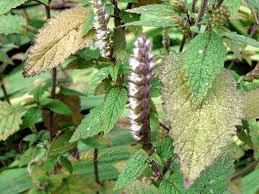
Elsholtzia ciliata, also known as Bái Yù Lí in Chinese, is a medicinal plant belonging to the Lamiaceae family. It is native to Asia, particularly regions like China, Korea, Japan, and India. This plant is valued for its medicinal properties and its use in traditional medicine across various cultures.
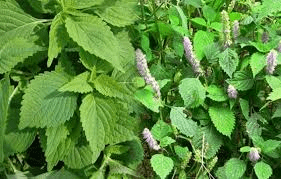
Elsholtzia ciliata is an herbaceous plant that can grow to a height of 30 to 90 centimeters. It features opposite lanceolate to ovate leaves with toothed margins and a slightly velvety texture. The leaves are aromatic when crushed, emitting a fresh, minty scent.
Read Also: 14 Medicinal Health Benefits of Ellettaria Cardamomum (Cardamom)
The Medicinal Health Benefits of Elsholtzia Ciliata (Bai Yu Li)
1. Digestive Aid: Elsholtzia ciliata has been traditionally used to alleviate digestive issues such as indigestion, bloating, and stomach discomfort. Its aromatic properties may help stimulate digestion and soothe the digestive tract.Drinking an infusion of Elsholtzia ciliata leaves after a heavy meal to ease feelings of fullness and support digestion.
2. Anti-Inflammatory Effects: This plant contains compounds with potential anti-inflammatory properties, which might help reduce mild inflammation and associated discomfort. Applying a poultice of crushed Elsholtzia ciliata leaves to soothe minor skin irritations and redness.
3. Respiratory Support: Traditional use suggests that Elsholtzia ciliata could be useful for managing mild respiratory issues like coughs and congestion due to its cooling and aromatic qualities. Inhaling steam from a bowl of hot water infused with Elsholtzia ciliata leaves to ease nasal congestion.
4. Fever Reduction: It has been utilized in traditional medicine as a natural antipyretic agent to help lower fever. Preparing a tea from Elsholtzia ciliata leaves and drinking it lukewarm to help reduce a mild fever.
5. Stress Relief: The aromatic compounds in the plant may contribute to relaxation and stress relief. Enjoying a cup of Elsholtzia ciliata tea to unwind after a long day and promote a sense of calm.
6. Blood Circulation Enhancement: Some traditional systems suggest that Elsholtzia ciliata could improve blood circulation, potentially benefiting overall cardiovascular health. Consuming Elsholtzia ciliata as part of a balanced diet to support circulatory well-being.
7. Antioxidant Properties: The presence of flavonoids and other antioxidants in the plant may help neutralize harmful free radicals and protect cells from oxidative stress. Regularly incorporating Elsholtzia ciliata into your diet to enhance your antioxidant intake.
8. Mild Pain Relief: Its anti-inflammatory and aromatic components might offer mild pain relief for headaches or minor muscle aches. Massaging a diluted essential oil blend containing Elsholtzia ciliata onto temples for headache relief.
9. Antimicrobial Potential: Certain compounds found in Elsholtzia ciliata could have antimicrobial properties, which may contribute to managing minor infections. Gargling with a warm Elsholtzia ciliata infusion to soothe a sore throat.
10. Mood Upliftment: The pleasant aroma of Elsholtzia ciliata may have mood-enhancing effects, potentially helping to alleviate feelings of anxiety or low spirits. Diffusing Elsholtzia ciliata essential oil in your living space to create a positive atmosphere.
Read Also: 15 Medicinal Health Benefits of Catharanthus roseus (Madagascar Periwinkle)
The Methods of Usage to Achieve the Provided Health Benefits of Elsholtzia Ciliata (Bai Yu Li)
Here are five detailed methods of using Elsholtzia ciliata to achieve its medicinal health benefits:
1. Digestive Aid – Infusion: Boil water and pour it over a handful of dried Elsholtzia ciliata leaves in a cup. Cover and steep for about 10-15 minutes. Strain and drink the infused liquid. The warm infusion can help stimulate digestion, alleviate indigestion, and reduce bloating. After a heavy meal, prepare and consume the Elsholtzia ciliata infusion to aid digestion.
2. Respiratory Support – Steam Inhalation: Boil a pot of water and add a handful of fresh or dried Elsholtzia ciliata leaves. Place your face over the pot, covering your head with a towel to trap the steam. Inhale the steam for about 5-10 minutes.
Inhaling the steam can help open up congested airways, ease coughs, and provide relief from mild respiratory discomfort. Use steam inhalation with Elsholtzia ciliata when experiencing nasal congestion or a mild cough.
3. Fever Reduction – Herbal Tea: Boil water and add dried Elsholtzia ciliata leaves. Let it simmer for 5-10 minutes. Strain and allow the tea to cool slightly before drinking. The tea’s antipyretic properties may help reduce fever, promote sweating, and support the body’s natural cooling mechanisms. Sip on Elsholtzia ciliata tea when experiencing a mild fever to aid in temperature reduction.
4. Topical Pain Relief – Compress: Crush fresh Elsholtzia ciliata leaves and wrap them in a clean cloth. Apply the cloth to the affected area and secure it in place. The crushed leaves can provide localized relief for minor pain, inflammation, or discomfort. Apply an Elsholtzia ciliata leaf compress to a sore muscle or joint for soothing relief.
5. Aromatherapy for Stress Relief – Diffusion: Use an essential oil diffuser to disperse Elsholtzia ciliata essential oil into the air. Follow the manufacturer’s instructions for dilution and usage. The aromatic compounds can create a calming atmosphere, helping to alleviate stress, anxiety, and promote relaxation. Diffuse Elsholtzia ciliata essential oil in your home or workspace to create a peaceful environment.
The Side Effects of Using Elsholtzia Ciliata Medicinal Plant
Here are some possible side effects and considerations:
1. Allergic Reactions: Some individuals may be allergic to plants in the Lamiaceae family, which includes Elsholtzia ciliata. Allergic reactions could include skin irritation, itching, redness, or respiratory symptoms like sneezing and congestion.
2. Skin Sensitivity: Applying Elsholtzia ciliata directly to the skin, especially in its concentrated form like essential oil, could cause skin irritation or allergic reactions in some people. It’s advisable to perform a patch test before using it extensively on the skin.
3. Gastrointestinal Upset: In some cases, excessive consumption of Elsholtzia ciliata, especially in the form of tea or infusion, could lead to gastrointestinal upset, including nausea or stomach discomfort.
4. Drug Interactions: If you’re taking medications, especially those that affect blood clotting, blood pressure or liver function, consult a healthcare professional before using Elsholtzia ciliata medicinally. It may interact with certain medications.
5. Pregnancy and Lactation: Pregnant and breastfeeding women should exercise caution and consult a healthcare provider before using Elsholtzia ciliata for medicinal purposes. Limited information is available about its safety during these periods.
6. Drowsiness: Some individuals might experience mild drowsiness or sedation when using Elsholtzia ciliata, especially in larger quantities. Avoid activities that require alertness, such as driving, if you feel drowsy.
7. Low Blood Pressure: Elsholtzia ciliata has been suggested to have potential hypotensive effects, meaning it might lower blood pressure. Individuals with already low blood pressure should be cautious and monitor their blood pressure levels.
8. Digestive Discomfort: While Elsholtzia ciliata is traditionally used for digestive support, excessive consumption might lead to gastrointestinal discomfort or diarrhea in some individuals.
Nutritional Value of Elsholtzia Ciliata (Bai Yu Li)
1. Rosmarinic Acid: This polyphenol, present at up to 13% of total antioxidant activity in flower extracts, acts as a potent anti-inflammatory and antioxidant, helping to reduce oxidative stress and support immune health in traditional remedies.
2. Chlorogenic Acid: Found in significant amounts (up to 43% of antioxidant activity in flowers), chlorogenic acid provides antidiabetic benefits by inhibiting glucose absorption and protecting against cellular damage.
3. Flavonoids (Rutin, Quercetin): Comprising 1–3% in leaves and stems, these flavonoids offer strong free radical scavenging, potentially lowering risks of cardiovascular diseases and inflammation.
4. Dehydroelsholtzia Ketone: A major volatile compound at 78% in essential oils, it contributes to antimicrobial properties, aiding in infection prevention and digestive health.
5. Elsholtzia Ketone: Present at 14–71% in extracts, this ketone supports antiviral and anti-inflammatory effects, enhancing respiratory health in traditional uses.
6. Polyphenols: Overall content at 2–5% across plant parts, polyphenols protect against chronic diseases by neutralizing free radicals and modulating immune responses.
7. Terpenoids: Found at 0.5–2%, terpenoids like β-caryophyllene provide anti-inflammatory and analgesic benefits, useful for pain relief in folk medicine.
8. Sesquiterpenes (β-Bourbonene, Germacrene D): Comprising up to 10–15% in essential oils, these compounds exhibit insect-repellent and antimicrobial activities, supporting wound healing.
9. Phenolic Acids: At 0.5–2%, these acids enhance antioxidant capacity, potentially benefiting liver and kidney function through detoxification support.
10. Polysaccharides: Present at 10–15% in stems, these act as prebiotics, promoting gut health and immune modulation when consumed in teas.
Scientific Evidence and Case Studies on Elsholtzia Ciliata (Bai Yu Li)
1. Kujala et al. (2020): This study analyzed ethanolic extracts from different parts of Elsholtzia ciliata, revealing high phenolic content with rosmarinic acid as a key contributor to antioxidant activity (up to 80% DPPH scavenging) and anti-inflammatory effects via COX-2 inhibition, supporting its use for infections and inflammation (Kujala, T., et al., 2020, Antioxidants).
2. Pudziuvelyte et al. (2017): Researchers evaluated essential oils from fresh, frozen, and dried Elsholtzia ciliata, identifying dehydroelsholtzia ketone (78%) and elsholtzia ketone (14%) as predominant, with anticancer activity against glioblastoma and breast cancer cells (IC50 20–50 µg/mL) through apoptosis induction (Pudziuvelyte, L., et al., 2017, Industrial Crops and Products).
3. Chen et al. (2022): A review of Elsholtzia genus, including E. ciliata, summarized 221 non-volatile compounds like flavonoids, showing broad antibacterial (MIC 0.5–1 mg/mL against S. aureus) and antiviral activities via NF-κB inhibition, confirming respiratory benefits (Chen, S., et al., 2022, Journal of Ethnopharmacology).
4. Zhang et al. (2021): Phytochemical screening isolated ursolic acid and oroxylin from Elsholtzia ciliata, demonstrating anti-inflammatory (reduced paw edema by 50% in rats) and anticancer effects on MCF-7 cells (IC50 17 µg/mL), validating traditional pain relief uses (Zhang, Q., et al., 2021, Pharmaceuticals).
Frequently Asked Questions About Elsholtzia Ciliata (Bai Yu Li)
1. What is Elsholtzia ciliata used for?
Elsholtzia ciliata, known as Xiang Ru or Bai Yu Li in TCM, is used for colds, fever, diarrhea, edema, headaches, and digestive issues, often as a tea to relieve summer heat and promote sweating.
2. Is Elsholtzia ciliata safe to consume?
In traditional amounts like tea (3–9 g daily), it is generally safe with low toxicity, but consult a healthcare provider if pregnant or on medications, as high doses may cause mild digestive upset.
3. Can Elsholtzia ciliata help with colds or flu?
Yes, its volatile oils and flavonoids exhibit antiviral and antibacterial properties, supporting traditional uses for respiratory infections like colds and sore throats.
4. How is Elsholtzia ciliata prepared for medicinal use?
Aerial parts are dried and brewed into tea or decoctions for internal use; essential oil emulsions may be applied topically for inflammation or pain.
5. Does Elsholtzia ciliata have antioxidant properties?
Studies confirm its phenolics like rosmarinic acid provide strong free radical scavenging, protecting against oxidative stress and chronic diseases.
6. Can Elsholtzia ciliata treat inflammation or pain?
Research shows extracts reduce COX-2 activity and paw edema, validating its use for arthritis, headaches, and joint pain in folk medicine.
7. What are the side effects of Elsholtzia ciliata?
Side effects are rare but may include nausea at high doses; its essential oils can cause skin irritation if undiluted.
8. Where is Elsholtzia ciliata native to?
It is native to East Asia, including China, Korea, Japan, and parts of Europe, growing in grasslands and riverbanks as an annual herb.
Do you have any questions, suggestions, or contributions? If so, please feel free to use the comment box below to share your thoughts. We also encourage you to kindly share this information with others who might benefit from it. Since we can’t reach everyone at once, we truly appreciate your help in spreading the word. Thank you very much for your support and for sharing!
Disclaimer: This article is for educational and informational purposes only. The health benefits described are based on scientific research and traditional knowledge. They are not a substitute for professional medical advice, diagnosis, or treatment. Always consult a healthcare professional before using any herb or natural remedy for medical purposes.
Read Also: Here are 5 things that happen when you eat too much honey