


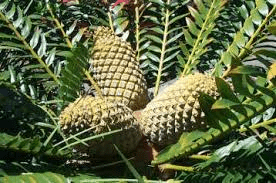
Encephalartos altensteinii, commonly known as the Eastern Cape Blue Cycad, is a captivating and ancient plant species that belongs to the cycad family, Cycadaceae.
Native to the rugged landscapes of South Africa’s Eastern Cape Province, this cycad is celebrated for its remarkable appearance and intriguing botanical features.
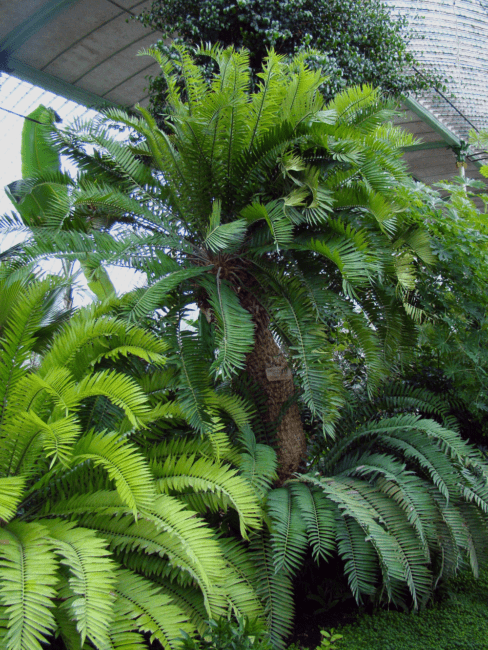
Encephalartos altensteinii is characterized by its robust and symmetrical growth habit. The plant typically forms a stout, woody stem that serves as its central axis.
This stem, also known as the trunk, can vary in height and diameter depending on the age and environmental conditions of the plant. The trunk is adorned with persistent leaf bases, giving it a textured ap
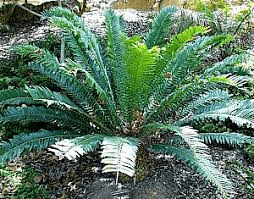
The crowning glory of Encephalartos altensteinii is its stunning foliage. The leaves are pinnate, meaning they consist of multiple leaflets arranged along a central rachis. The leaflets themselves are lance-shaped and possess a remarkable blue-green coloration, which is a defining characteristic of the species.
This striking hue sets Encephalartos altensteinii apart from many other cycad species. The leaves are arranged in a graceful spiral formation atop the trunk, creating a captivating display.
Encephalartos altensteinii is dioecious, meaning individual plants are either male or female. The male plants produce cone-like structures known as strobili, which bear pollen.
These strobili are cylindrical and are often found on separate plants from the females. The female plants produce larger cone-like structures, which house the seeds. These cones are usually larger and have a distinctive appearance.
Encephalartos altensteinii thrives in a variety of habitats within its native range, from rocky slopes to open grasslands. Its adaptation to diverse environments is facilitated by its unique morphological features.
The robust stem provides stability and support, allowing the plant to withstand harsh winds and other environmental stressors. The blue-green coloration of the leaves is thought to have adaptive value, possibly serving as protection against excessive sunlight or herbivore pressure.
Encephalartos altensteinii, like many cycad species, faces conservation challenges. Due to habitat loss, over-exploitation, and illegal trade, the species is categorized as vulnerable by the International Union for Conservation of Nature (IUCN).
Conservation efforts are underway to protect and preserve this ancient and valuable plant species for future generations.
Read Also: 15 Medicinal Health Benefits of Arum maculatum (Lords-and-Ladies)
The Medicinal Health Benefits of Encephalartos altensteinii (Eastern Cape Blue Cycad)
1. Anti-Inflammatory Properties: Encephalartos altensteinii contains compounds that possess anti-inflammatory effects. These properties make it a valuable natural remedy for conditions associated with inflammation, such as arthritis and other joint-related issues.
2. Antioxidant Defense: The plant is rich in antioxidants that play a crucial role in neutralizing harmful free radicals in the body. By doing so, Encephalartos altensteinii contributes to cellular health and helps protect against oxidative stress-related damage.
3. Digestive Comfort: Encephalartos altensteinii has a history of use for digestive discomfort. It may help soothe gastrointestinal irritation and support healthy digestion, making it a potential remedy for digestive issues.
4. Wound Healing Aid: Traditionally, Encephalartos altensteinii extracts have been applied topically to wounds to expedite healing. Its natural compounds could aid in reducing inflammation and preventing infections.
5. Immune System Support: The plant’s bioactive components may have immune-modulating effects, assisting the body’s defense mechanisms and helping to ward off infections.
6. Pain Management: Encephalartos altensteinii has been employed to alleviate pain, particularly in cases of headaches, muscle soreness, and minor injuries. Its potential analgesic properties make it a valuable addition to traditional remedies.
7. Cardiovascular Wellness: Consumption of Encephalartos altensteinii might contribute to cardiovascular health by supporting healthy blood circulation and maintaining optimal blood pressure levels.
8. Respiratory Aid: Traditional uses suggest that the plant might offer relief for respiratory discomfort. It could be beneficial in alleviating conditions such as coughs and bronchitis.
9. Neuroprotective Potential: Preliminary research indicates that certain compounds found in Encephalartos altensteinii may have neuroprotective effects, suggesting a possible role in maintaining cognitive health.
10. Stress and Anxiety Reduction: The plant’s calming properties could potentially be harnessed to alleviate stress and anxiety, contributing to overall mental well-being.
Read Also: 20 Medicinal Health Benefits of Cyclopia Plant (Cyclopia spp.)
The Methods of Usage to Achieve the Provided Health Benefits of Encephalartos altensteinii (Eastern Cape Blue Cycad)
1. Herbal Teas: Prepare an herbal tea using Encephalartos altensteinii leaves. Steep a handful of dried leaves in hot water for about 10-15 minutes.
The resulting tea can be consumed to enjoy its anti-inflammatory, antioxidant, and digestive benefits. It’s advisable to consult with a healthcare professional for appropriate dosages.
2. Topical Balms: Create a soothing topical balm by infusing Encephalartos altensteinii leaves or extracts into a carrier oil, such as coconut oil or olive oil. This balm can be gently massaged onto wounds, bruises, or sore muscles to promote wound healing and alleviate discomfort.
3. Herbal Supplements: Encephalartos altensteinii extracts are available in supplement form. These supplements are designed to provide concentrated doses of the plant’s beneficial compounds.
Follow the recommended dosage instructions on the product label and consult with a healthcare provider before use.
4. Aromatherapy: Essential oils derived from Encephalartos altensteinii may be used in aromatherapy practices. The pleasant aroma of the oil can have a calming effect, potentially assisting with stress reduction and relaxation.
5. Traditional Preparations: Depending on local traditions, Encephalartos altensteinii might be used in traditional medicine practices. These methods could involve making poultices, decoctions, or infusions using different parts of the plant.
6. Consultation with Experts: Before embarking on any method of usage, it’s crucial to consult with herbalists, naturopaths, or healthcare professionals who are knowledgeable about Encephalartos altensteinii’s properties.
They can provide tailored guidance based on individual health needs and potential interactions with existing medications.
7. Safety Measures: It’s important to exercise caution and adhere to recommended dosages. While Encephalartos altensteinii offers health benefits, certain parts of the plant contain toxic compounds. Never consume or apply any part of the plant without proper preparation and expert guidance.
8. Sustainability and Conservation: As you explore methods of usage, it’s essential to consider sustainability. Encephalartos altensteinii is a vulnerable species, and its conservation is paramount. Choose products and practices that support ethical harvesting and conservation efforts.
The Side Effects of Using Encephalartos altensteinii Medicinal Plant
1. Toxic Compounds: Encephalartos altensteinii contains certain toxic compounds, particularly in its seeds and other parts. Ingesting these toxic compounds can lead to serious health issues, including gastrointestinal disturbances, organ damage, and in severe cases, even death.
2. Skin Sensitivity: Some individuals may experience skin sensitivity or allergic reactions when in contact with Encephalartos altensteinii leaves or extracts. Before applying any topical preparation, perform a patch test on a small area of skin to check for any adverse reactions.
3. Pregnancy and Nursing: Pregnant and nursing individuals should exercise caution when considering the use of Encephalartos altensteinii. The plant’s toxic compounds could potentially harm both the mother and the developing fetus or nursing infant. Consulting a healthcare professional before use is advisable.
4. Interactions with Medications: Encephalartos altensteinii may interact with certain medications. If you are taking prescription drugs or have underlying health conditions, consult with a healthcare provider before incorporating Encephalartos altensteinii into your wellness regimen to avoid potential interactions.
5. Dosage and Preparation: Even when using Encephalartos altensteinii under expert guidance, it’s crucial to adhere to recommended dosages and preparation methods. Consuming excessive amounts or using improperly prepared extracts can increase the risk of toxicity and adverse effects.
6. Individual Variability: People’s responses to herbal remedies can vary greatly. What works well for one individual might not be suitable for another. Pay attention to your body’s reactions and discontinue use if you experience any negative effects.
7. Conservation Concerns: Encephalartos altensteinii is a vulnerable and protected species due to over-harvesting and habitat loss. It’s important to support conservation efforts by avoiding the illegal trade or collection of this plant.
Nutritional Value of Encephalartos altensteinii (Eastern Cape Blue Cycad)
1. Starch (Pith): The stem pith of Encephalartos altensteinii is rich in starch, historically used to make a bread-like food called “broodboom” after processing to remove toxins. The pith is buried for two months to detoxify, providing a carbohydrate source.
2. Carbohydrates: Beyond starch, the pith contains other carbohydrates, offering energy when processed, though not a primary dietary component due to the extensive preparation required.
3. Polyphenols: Like other cycads, it likely contains polyphenols in its leaves and stem, which have antioxidant properties that may reduce oxidative stress, though they are not consumed directly.
4. Flavonoids: Flavonoids, potentially present in the leaves, contribute to anti-inflammatory and antioxidant effects, supporting cellular health but not a significant nutritional source.
5. Tannins: Tannins in the leaves and stem may aid digestion by binding proteins, but excessive amounts can reduce nutrient absorption, limiting their nutritional benefit.
6. Saponins: Saponins, likely present based on related cycad species, may support immune function or cholesterol regulation, but their nutritional role is minimal due to toxicity risks.
7. Glycosides: Cardiac glycosides, common in cycads, may be present and affect heart function, but they are toxic and not nutritionally beneficial.
8. Trace Minerals: The plant may contain trace amounts of minerals like zinc or iron, though specific data is unavailable, and potential toxic metal content poses risks.
9. Amino Acids: Symbiotic cyanobacteria in the coralloid roots fix nitrogen, producing amino acids that support plant growth, but these are not directly consumable by humans.
10. Fiber: The processed pith may provide dietary fiber, aiding digestion, but its use is limited by the need for extensive detoxification to remove harmful compounds.
Encephalartos altensteinii is not a practical food source due to its toxicity, requiring lengthy processing to make the starchy pith edible. Its nutritional value is limited, and its primary use is ornamental or in traditional medicine, with significant health risks if not properly handled.
Nutritional Value of Encephalartos altensteinii (Eastern Cape Blue Cycad)
1. Starch (Pith): The stem pith of Encephalartos altensteinii is rich in starch, historically used to make a bread-like food called “broodboom” after processing to remove toxins. The pith is buried for two months to detoxify, providing a carbohydrate source.
2. Carbohydrates: Beyond starch, the pith contains other carbohydrates, offering energy when processed, though not a primary dietary component due to the extensive preparation required.
3. Polyphenols: Like other cycads, it likely contains polyphenols in its leaves and stem, which have antioxidant properties that may reduce oxidative stress, though they are not consumed directly.
4. Flavonoids: Flavonoids, potentially present in the leaves, contribute to anti-inflammatory and antioxidant effects, supporting cellular health but not a significant nutritional source.
5. Tannins: Tannins in the leaves and stem may aid digestion by binding proteins, but excessive amounts can reduce nutrient absorption, limiting their nutritional benefit.
6. Saponins: Saponins, likely present based on related cycad species, may support immune function or cholesterol regulation, but their nutritional role is minimal due to toxicity risks.
7. Glycosides: Cardiac glycosides, common in cycads, may be present and affect heart function, but they are toxic and not nutritionally beneficial.
8. Trace Minerals: The plant may contain trace amounts of minerals like zinc or iron, though specific data is unavailable, and potential toxic metal content poses risks.
9. Amino Acids: Symbiotic cyanobacteria in the coralloid roots fix nitrogen, producing amino acids that support plant growth, but these are not directly consumable by humans.
10. Fiber: The processed pith may provide dietary fiber, aiding digestion, but its use is limited by the need for extensive detoxification to remove harmful compounds.
Encephalartos altensteinii is not a practical food source due to its toxicity, requiring lengthy processing to make the starchy pith edible. Its primary use is ornamental or in traditional medicine, with significant health risks if not properly handled.
Scientific Evidence and Case Studies on Encephalartos altensteinii
1. Nitrogen Fixation: Giddy (1974) documented the role of coralloid roots in Encephalartos species, including E. altensteinii, noting their symbiotic cyanobacteria fix atmospheric nitrogen into amino acids, supporting plant growth. This indirectly benefits ecosystems but has no direct human health application. (Giddy, C., 1974, Cycads of South Africa, Purnell, Cape Town).
2. Pollination Biology: Donaldson (1997) studied the pollination of Encephalartos species, including E. altensteinii, finding that insect pollination by beetles and bees enhances seed production. While not a health benefit, this supports the plant’s ecological role and potential for sustainable cultivation. (Donaldson, J. S., 1997, Is there a floral parasite mutualism in cycad pollination? The pollination biology of Encephalartos villosus, American Journal of Botany, 84, 1398-1406).
3. Conservation Status: Donaldson (2009) assessed E. altensteinii’s conservation status, noting its vulnerability due to habitat destruction and illegal collection. While not health-related, this highlights the need for sustainable use in traditional practices like pith processing. (Donaldson, J. S., 2009, Encephalartos altensteinii, IUCN Red List of Threatened Species, Version 2010.3).
Frequently Asked Questions About Encephalartos altensteinii
1. Is Encephalartos altensteinii safe to eat?
No, it is toxic if not properly processed. The stem pith can be made edible by burying it for two months to remove toxins, then kneading and baking it into bread, but this is risky and not recommended.
2. What is Encephalartos altensteinii used for?
It is primarily an ornamental plant in gardens and used in traditional medicine. The pith was historically processed into a starchy food called broodboom.
3. Why is it called the Eastern Cape Blue Cycad?
The name refers to its native Eastern Cape region in South Africa and its blue-green leaves, though it is distinct from the true Eastern Cape Blue Cycad (E. horridus).
4. How toxic is Encephalartos altensteinii?
All parts are toxic to humans and pets if ingested, causing severe gastrointestinal distress due to glycosides and other compounds. Gloves should be used when handling.
5. How is Encephalartos altensteinii grown?
It thrives in well-drained, loamy soil with regular watering in summer, less in winter. It prefers full sun or light shade and tolerates light frosts.
6. What animals interact with this cycad?
Birds like Knysna loeries and mammals like baboons eat the seed’s outer layer, dispersing the hard kernel, while beetles and bees pollinate the cones.
7. Why is Encephalartos altensteinii endangered?
It is listed as vulnerable due to habitat destruction from coastal development and illegal collection for ornamental trade.
8. Can it be grown indoors?
Yes, young plants can be grown in containers with ample light and humidity, but mature plants are better suited for large gardens due to their size.
Do you have any questions, suggestions, or contributions? If so, please feel free to use the comment box below to share your thoughts. We also encourage you to kindly share this information with others who might benefit from it. Since we can’t reach everyone at once, we truly appreciate your help in spreading the word. Thank you very much for your support and for sharing!
Disclaimer: This article is for educational and informational purposes only. The health benefits described are based on scientific research and traditional knowledge. They are not a substitute for professional medical advice, diagnosis, or treatment. Always consult a healthcare professional before using any herb or natural remedy for medical purposes.
Read Also: Building Resilient Food Systems: The Role of Agroecology