


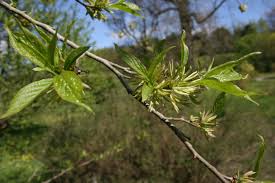
Eucommia ulmoides, commonly known as Du Zhong, is a deciduous tree native to China. It belongs to the family Eucommiaceae and is well-known for its unique bark, leaves, and overall appearance. Let’s explore the botanical characteristics of this remarkable medicinal plant:
Eucommia ulmoides is a medium-sized tree that typically reaches heights of 15 to 20 meters (50 to 65 feet). It has a distinct upright and symmetrical growth habit, forming a sturdy and well-structured canopy.
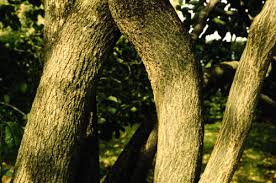
One of the most distinguishing features of Eucommia ulmoides is its bark. The bark is grayish-brown and deeply furrowed, giving it a rough texture. When the bark is harvested for medicinal use, it is usually dried and processed.
The leaves of Eucommia ulmoides are simple, alternate, and serrated along the edges. They are typically 5 to 15 centimeters (2 to 6 inches) long and 3 to 6 centimeters (1.2 to 2.4 inches) wide. The leaves are dark green in color and have a glossy appearance.
Eucommia ulmoides produces small, inconspicuous flowers that are greenish-yellow in color. These flowers are arranged in clusters and are wind-pollinated. They bloom in early spring before the leaves fully develop.
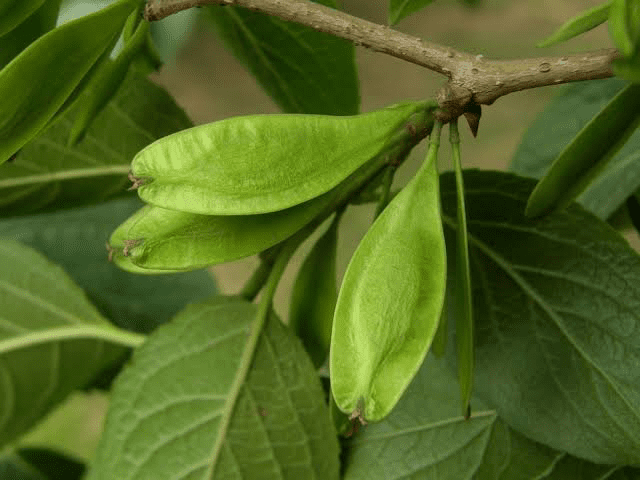
The fruits of Eucommia ulmoides are small, green, and winged. They are often referred to as “samara” and have a shape similar to a flattened oval. Each fruit contains a single seed.
The root system of Eucommia ulmoides is deep and extensive, allowing it to anchor firmly in the soil. The roots play a vital role in absorbing nutrients and water from the ground.
Eucommia ulmoides is primarily found in central and eastern China. It thrives in regions with well-drained soils and a temperate climate. The tree is also cultivated in other parts of Asia and has gained recognition for its medicinal properties worldwide.
The bark of Eucommia ulmoides is the most commonly used part for medicinal purposes. It is valued for its role in bone health, blood pressure regulation, and various other health benefits. The bark is harvested and processed to create herbal remedies, tinctures, teas, and dietary supplements.
Read Also: 12 Medicinal Health Benefits of Alangium chinense (Chinese Alangium)
The Medicinal Health Benefits of Eucommia ulmoides (Eucommia bark)
1. Bone Health Enhancement Eucommia ulmoides is renowned for its ability to strengthen bones and joints. It stimulates the production of collagen, which plays a crucial role in maintaining bone density and elasticity. This makes it an excellent natural remedy for preventing osteoporosis and promoting overall bone health.
2. Blood Pressure Regulation This medicinal plant has been used for centuries to regulate blood pressure. It contains compounds that help relax blood vessels, reducing hypertension and the risk of heart-related diseases.
3. Anti-Inflammatory Properties Eucommia ulmoides possesses potent anti-inflammatory properties. It can alleviate various inflammatory conditions, such as arthritis and joint pain, by reducing inflammation and relieving discomfort.
4. Immune System Boost Regular consumption of Eucommia ulmoides can boost the immune system. It enhances the body’s defense mechanisms, making it more resilient to infections and diseases.
5. Weight Management For those looking to manage their weight, Eucommia ulmoides can be a helpful ally. It aids in weight loss by promoting fat metabolism and maintaining a healthy body composition.
6. Antioxidant Benefits The plant is rich in antioxidants that combat free radicals in the body, reducing oxidative stress and the risk of chronic diseases, including cancer.
7. Improved Sexual Health Eucommia ulmoides has aphrodisiac properties and is known to enhance sexual health. It can increase libido and help with issues like erectile dysfunction.
8. Diabetes Management For individuals with diabetes, this medicinal plant can help regulate blood sugar levels. It improves insulin sensitivity and may reduce the need for medication.
9. Stress Reduction Eucommia ulmoides has adaptogenic properties, which means it helps the body adapt to stress and reduce its negative effects. It can alleviate stress, anxiety, and promote mental well-being.
10. Anti-Aging Effects Lastly, Eucommia ulmoides is associated with anti-aging benefits. It supports healthy skin, hair, and nails, keeping you looking and feeling youthful.
Read Also: Poultry Disease Prevention and Management
The Methods of Usage to Achieve the Provided Health Benefits of Eucommia ulmoides (Eucommia bark)
1. Eucommia Bark Tea: One of the most common methods is preparing a therapeutic tea from Eucommia bark. To do this, you can simmer approximately 10 grams of dried Eucommia bark in about 500 ml of water for 15-20 minutes. Drink this tea regularly to promote bone health and manage blood pressure.
2. Tinctures and Extracts: Eucommia ulmoides is available in tincture and extract forms. These concentrated forms are convenient for those who prefer not to prepare tea. Follow the recommended dosage provided on the product label or consult a healthcare professional for guidance.
3. Capsules and Supplements: Eucommia ulmoides is also available in capsule or supplement form. These provide a standardized dosage and are suitable for those who prefer a more convenient option. Ensure you follow the manufacturer’s instructions or consult a healthcare provider for proper usage.
4. Herbal Combinations: Eucommia ulmoides is sometimes used in herbal combinations with other medicinal plants to enhance its effects. These combinations can be tailored to specific health goals and are often prescribed by traditional herbalists.
5. External Applications: In some cases, Eucommia ulmoides is used externally. This can include the application of herbal poultices or creams containing Eucommia extract to alleviate joint pain or muscle discomfort.
6. Culinary Uses: While not a traditional method of medicinal usage, Eucommia bark has been incorporated into certain culinary dishes in some regions. However, it’s important to note that the medicinal benefits may be diminished through cooking.
The Side Effects of Using Eucommia ulmoides Medicinal Plant
1. Gastrointestinal Discomfort: Some individuals may experience mild digestive discomfort, such as upset stomach, bloating, or diarrhea, when consuming Eucommia ulmoides. This is more likely to occur if the herb is taken in excessive amounts.
2. Allergic Reactions: Allergic reactions to Eucommia ulmoides are rare but possible. If you develop symptoms such as itching, hives, swelling, or difficulty breathing after consuming Eucommia products, seek medical attention immediately.
3. Interaction with Medications: Eucommia ulmoides may interact with certain medications, particularly those prescribed for blood pressure regulation or blood-thinning. If you are taking medication, consult with a healthcare professional before using Eucommia supplements or herbal remedies.
4. Pregnancy and Breastfeeding: There is limited information regarding the safety of Eucommia ulmoides during pregnancy and breastfeeding. It’s advisable for pregnant or nursing individuals to avoid its use unless under the guidance of a healthcare provider.
5. Hypotension: While Eucommia ulmoides is often used to lower blood pressure, excessive consumption may lead to hypotension, characterized by low blood pressure levels. Monitor your blood pressure regularly if you are using Eucommia for this purpose.
6. Not Suitable for Children: Eucommia ulmoides is generally intended for adult use and may not be suitable for children. Consult with a healthcare professional before giving it to children for any reason.
Nutritional Value of Eucommia ulmoides (Eucommia bark)
1. Lignans: Eucommia ulmoides bark is rich in lignans such as pinoresinol diglucoside, which exhibit antihypertensive and antioxidant properties, supporting cardiovascular health.
2. Iridoids: Compounds like aucubin and geniposidic acid in the bark provide anti-inflammatory and hepatoprotective effects, aiding in liver function and reducing oxidative stress.
3. Phenolics: Phenolic compounds contribute to strong antioxidant activity, neutralizing free radicals and potentially lowering the risk of chronic diseases like diabetes.
4. Flavonoids: Flavonoids such as quercetin and kaempferol offer anti-inflammatory and bone-protective benefits, supporting joint health and preventing osteoporosis.
5. Steroids: Plant steroids like β-sitosterol help regulate cholesterol levels and provide anti-inflammatory effects, contributing to overall metabolic health.
6. Terpenoids: These compounds enhance antimicrobial and anti-aging properties, promoting immune function and cellular protection.
7. Polysaccharides: Eucommia ulmoides polysaccharides support immune modulation and gut health, acting as prebiotics to foster beneficial microbiota.
8. Carbohydrates: The bark contains carbohydrates, serving as a minor energy source in traditional preparations like teas and decoctions.
9. Dietary Fiber: Fiber content aids digestion, promotes bowel regularity, and supports metabolic balance when used in functional foods.
10. Chlorogenic Acid: This phenolic acid provides antioxidant and blood sugar-regulating effects, helping manage diabetes and inflammation.
These nutritional and bioactive components highlight Eucommia ulmoides bark’s role as a tonic in traditional Chinese medicine, valued for its support of kidney, bone, and cardiovascular health through antioxidant and anti-inflammatory actions.
Scientific Evidence and Case Studies on Eucommia ulmoides (Eucommia bark)
1. Greenway et al. (2011): A randomized, placebo-controlled trial tested a standardized Eucommia ulmoides bark extract (500 mg three times daily) in 24 adults with prehypertension. It reduced systolic and diastolic blood pressure by an average of 7.5/3.9 mmHg (P<0.008) over eight weeks, with beta-adrenergic blocking activity, indicating safe antihypertensive potential (Greenway, F., et al., 2011).
2. Hussain et al. (2016): This comprehensive review analyzed phytochemicals in Eucommia ulmoides, including lignans and iridoids, showing antioxidant, anti-inflammatory, and antidiabetic effects in animal models, with extracts improving bone density and reducing oxidative stress in ovariectomized rats (Hussain, T., et al., 2016).
3. He et al. (2014): An ethnopharmacological review of 205 compounds from Eucommia ulmoides bark demonstrated wide-ranging benefits, including hypertension reduction via nitric oxide enhancement and anti-obesity effects in high-fat diet rats, supporting traditional uses (He, X., et al., 2014).
4. Li et al. (2013): In hypertensive rats, lignan extracts from Eucommia ulmoides bark (100-500 mg/kg) prevented cardiac remodeling by inhibiting hypertrophy and fibrosis, highlighting cardioprotective mechanisms through antioxidant pathways (Li, Z.-Y., et al., 2013).
5. Ha et al. (2012): Aqueous leaf and bark extracts of Eucommia ulmoides promoted fatty acid oxidation in hypertriglyceridemic rats (200 mg/kg), reducing plasma triglycerides by enhancing metabolic function across organs, suggesting anti-hyperlipidemic benefits (Ha, H., et al., 2012).
Frequently Asked Questions About Eucommia ulmoides (Eucommia bark)
1. What is Eucommia ulmoides used for?
Eucommia bark, known as Du Zhong, is traditionally used in Chinese medicine to tonify the kidneys and liver, strengthen bones and muscles, lower blood pressure, and treat lower back pain, fatigue, and hypertension.
2. Is Eucommia ulmoides safe to consume?
Yes, in moderate doses as tea or supplements, it’s generally safe with no reported toxicity, but mild side effects like digestive upset may occur; consult a doctor if pregnant or on blood pressure medications.
3. How does Eucommia ulmoides benefit health?
Its lignans, flavonoids, and phenolics provide antioxidant, anti-inflammatory, and antihypertensive effects, supporting bone health, cardiovascular function, and diabetes management.
4. What is the traditional use of Eucommia bark?
In TCM, it’s a key herb for kidney yang deficiency, used in formulas for osteoporosis, joint pain, impotence, and to promote longevity and vitality.
5. Can Eucommia ulmoides help with high blood pressure?
Studies like Greenway et al. (2011) show bark extracts reduce blood pressure by 7.5/3.9 mmHg in prehypertensive individuals, supporting its traditional antihypertensive role.
6. Are there side effects of Eucommia ulmoides?
Rare mild effects include nausea or allergic reactions; it’s well-tolerated, but high doses may interact with anticoagulants or hypotensives, so medical advice is recommended.
7. How is Eucommia ulmoides prepared for use?
Bark is typically decocted into teas, powdered for capsules, or extracted for tinctures; leaves are also used in health foods like Tochu-cha tea in Japan.
8. Can Eucommia ulmoides be grown at home?
Yes, it’s a hardy deciduous tree thriving in temperate climates with well-drained soil and full sun, growing 10-15 meters tall, suitable for large gardens.
Do you have any questions, suggestions, or contributions? If so, please feel free to use the comment box below to share your thoughts. We also encourage you to kindly share this information with others who might benefit from it. Since we can’t reach everyone at once, we truly appreciate your help in spreading the word. Thank you very much for your support and for sharing!
Disclaimer: This article is for educational and informational purposes only. The health benefits described are based on scientific research and traditional knowledge. They are not a substitute for professional medical advice, diagnosis, or treatment. Always consult a healthcare professional before using any herb or natural remedy for medical purposes.
Read Also: Measures of Improving Field Crops Production in Nigeria