


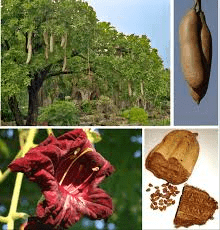
Kigelia africana, commonly known as the sausage tree, is a distinctive and imposing tree species belonging to the family Bignoniaceae. This magnificent tree is native to the sub-Saharan regions of Africa and is highly regarded for its unique appearance, as well as its various medicinal and cultural uses.
Kigelia trees are known for their large size, often reaching heights of 15 to 25 meters (50 to 82 feet) or more. The tree’s canopy is expansive, spreading out to create a wide shade. Its branches extend horizontally, giving the tree a picturesque and elegant silhouette.
The sausage tree’s trunk is typically thick and cylindrical, with a rough, grayish-brown bark. It is not uncommon to find older trees with deep vertical furrows on the bark, adding to the tree’s character.
The leaves of Kigelia africana are pinnately compound, meaning they consist of multiple leaflets attached to a central stem. The leaflets are dark green and have a glossy appearance. Each leaf usually consists of 5 to 7 leaflets arranged opposite each other along the leaf axis.
One of the most captivating features of the Kigelia tree is its unusual flowers. The large, maroon to reddish-purple flowers dangle from long, pendulous stalks, resembling sausages hanging on strings. Each flower is tubular and flares open at the end, revealing intricate patterns and stamens within.
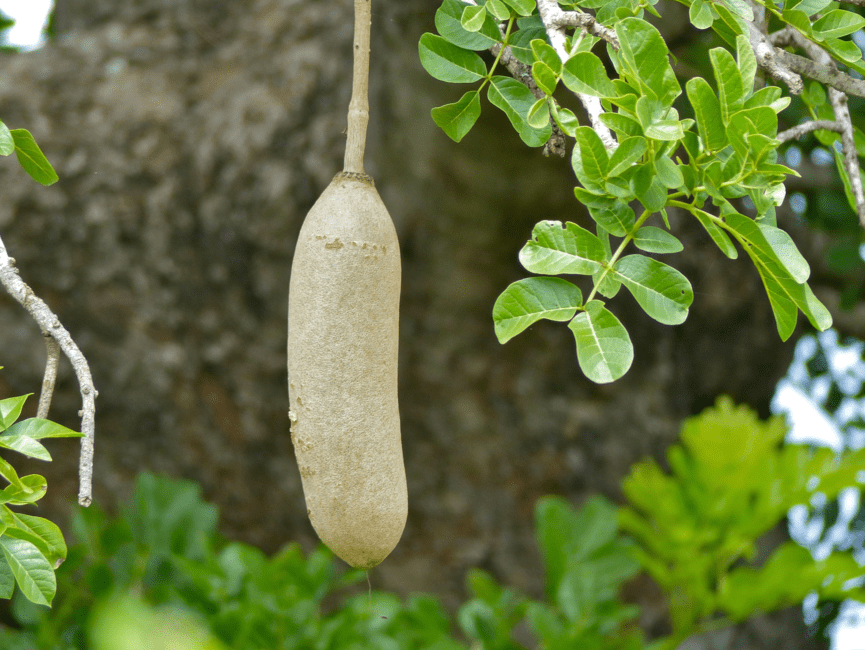
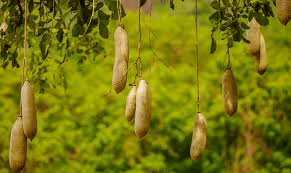
The fruit of the Kigelia tree is its most iconic feature. Shaped like elongated sausages, these fruits can be up to 60 cm (2 feet) in length and weigh several kilograms. The fruits have a hard, woody shell and contain numerous seeds embedded in a fibrous pulp. Despite their striking appearance, the fruits emit a pungent odor when ripe, which is why they are often avoided in populated areas.
Kigelia trees develop strong and extensive root systems that help anchor them in various soil types. These roots are also critical for absorbing water and nutrients from the soil.
Kigelia africana is well adapted to tropical climates and is commonly found in savannas, riverbanks, and floodplains across Africa. It thrives in areas with consistent moisture and prefers full sun to partial shade. The tree is highly valued for its shade-providing qualities, especially in arid regions.
Beyond its medicinal properties, Kigelia holds cultural significance in many African communities. The unique shape of its fruits has led to various myths and stories, often associating the tree with supernatural forces. In some cultures, the wood from the Kigelia tree is used for crafting intricate masks and sculptures.
Read Also: A Guide to Growing and Caring for Kurapia Grass (Lippia Nodiflora)
The Medicinal Health Benefits of Kigelia (Kigelia africana)
1. Skin Health and Healing: Kigelia extracts are renowned for their potent effects on skin health. The plant’s antimicrobial and anti-inflammatory properties make it an excellent choice for treating various skin conditions such as acne, eczema, psoriasis, and fungal infections. Kigelia-infused creams and ointments can help soothe irritation, reduce redness, and promote faster healing.
2. Anti-Aging and Skin Tightening:
Kigelia is a natural source of antioxidants, which are essential in combating the effects of oxidative stress on the skin. Regular use of Kigelia-based products can help reduce the appearance of wrinkles, fine lines, and sagging skin. It is often found in formulations aimed at promoting skin firmness and a youthful complexion.
3. Wound Healing and Scar Reduction: The wound-healing properties of Kigelia are well-documented. Its extracts can accelerate the healing process of wounds, cuts, and abrasions. Additionally, Kigelia’s application can minimize scarring by encouraging healthy tissue regeneration.
4. Pain Relief and Anti-Inflammation: Traditional medicine has utilized Kigelia for its analgesic properties. The plant’s anti-inflammatory compounds can provide relief from various types of pain, including headaches, muscle aches, and joint discomfort.
5. Breast Enhancement and Firming: Kigelia extracts are often used in cosmetic products aimed at breast enhancement and firming. These products are believed to improve the appearance and texture of breast skin.
6. Antioxidant Protection: The antioxidant-rich nature of Kigelia helps neutralize harmful free radicals in the body. This protective effect contributes to overall health and reduces the risk of chronic diseases.
7. Digestive Support: Traditional uses include using Kigelia to aid digestion and alleviate gastrointestinal discomfort. Its mild laxative properties can promote regular bowel movements and alleviate constipation.
8. Antimicrobial and Antifungal Effects: Kigelia’s extracts possess natural antimicrobial and antifungal properties, which can help combat infections caused by bacteria and fungi. This makes it a valuable resource for maintaining overall hygiene.
9. Cancer Prevention Potential: Preliminary studies suggest that Kigelia may contain compounds with potential anticancer properties. While more research is needed in this area, its properties have captured the interest of researchers.
10. Painful Inflammation Relief: Kigelia has been traditionally used to alleviate inflammatory conditions like arthritis. Its natural anti-inflammatory properties can provide relief from pain and discomfort.
Read Also: 17 Medicinal Health Benefits of Cedrus Deodara (Deodar Cedar)
The Methods of Usage to Achieve the Provided Health Benefits of Kigelia (Kigelia africana)
1. Topical Applications for Skin Health: For skin conditions like acne, eczema, and fungal infections, apply Kigelia-infused creams or ointments directly to the affected area. To reduce wrinkles and promote skin tightening, massage Kigelia-based serums or lotions onto your skin daily. For wound healing and scar reduction, gently apply Kigelia ointments to the affected area after cleaning the wound.
2. Breast Enhancement and Firming: There are specialized breast enhancement creams and serums that contain Kigelia extracts. Follow the product instructions for application.
3. Antioxidant Protection and Overall Well-being: Consider incorporating Kigelia leaves or bark into your diet by making teas or infusions. Boil a few dried leaves or pieces of bark in water, strain, and drink the tea. Consume a diet rich in antioxidants, including Kigelia, to protect your body from oxidative stress.
4. Pain Relief and Anti-Inflammation: For headaches or muscle pain, consider using Kigelia-based balms or oils for topical application.
5. Cancer Prevention Potential: While the anticancer properties of Kigelia are still under research, consuming Kigelia as part of a balanced diet may offer potential benefits.
6. Hygiene and Antimicrobial Use: For maintaining personal hygiene, consider using Kigelia-based soaps or cleansers. Kigelia’s natural antimicrobial properties can help protect against various infections.
7. Internal Usage Caution: When considering internal consumption of Kigelia, consult with a qualified herbalist or healthcare practitioner to ensure proper dosages and safety.
8. Sunscreen and UV Protection: Some Kigelia-based skincare products may offer protection against UV radiation. Use these products as directed, especially when exposed to the sun.
The Side Effects of Using Kigelia Medicinal Plant
1. Skin Irritation: Although Kigelia is known for its skin-enhancing properties, some individuals with sensitive skin may experience mild irritation or allergic reactions when using Kigelia-based products. It’s recommended to perform a patch test on a small area of skin before applying the product extensively.
2. Photosensitivity: Certain Kigelia products may make the skin more sensitive to sunlight. If using such products, be cautious when exposing your skin to direct sunlight and consider using sunscreen to prevent sunburn.
3. Digestive Issues: When consumed in excessive amounts, Kigelia may have mild laxative effects. If using Kigelia for digestive support, avoid consuming large quantities to prevent digestive discomfort.
4. Interaction with Medications: If you are taking any medications or have underlying health conditions, consult with a healthcare professional before using Kigelia products. There is a possibility of interactions with certain medications.
5. Pregnancy and Breastfeeding: Pregnant and breastfeeding women should exercise caution when using Kigelia products, both internally and topically. Limited research is available on the safety of Kigelia during pregnancy and lactation.
6. Internal Use Precautions: When considering internal consumption of Kigelia, it’s important to consult with a healthcare professional or qualified herbalist. Proper dosages and safety considerations are crucial.
7. Allergic Reactions: While rare, some individuals may have an allergic reaction to Kigelia extracts. If you experience itching, redness, swelling, or other signs of an allergic response, discontinue use and seek medical attention.
8. Drug Interactions: Kigelia may interact with certain medications, particularly those metabolized by the liver. If you’re taking medications, especially liver-related ones, consult your healthcare provider before using Kigelia products.
9. Individual Sensitivity: People’s reactions to natural products can vary greatly. Pay attention to your body’s response and discontinue use if you experience any discomfort or adverse effects.
10. Quality and Source: The quality and sourcing of Kigelia products can impact their safety and efficacy. Choose products from reputable brands or sources that adhere to quality standards.
Nutritional Value of Kigelia (Kigelia africana)
1. Protein: The leaves of Kigelia africana contain about 12.6% protein by dry weight, providing essential amino acids for tissue repair and growth. This makes the leaves a valuable dietary component, especially for lactating women in traditional diets.
2. Carbohydrates: The fruit has a carbohydrate content of 36.10%, primarily starches, serving as an energy source. These carbohydrates are particularly useful during famine when roasted seeds are consumed.
3. Fiber: The fruit contains 21.09% crude fiber, which supports digestion, promotes gut health, and helps regulate blood sugar levels, making it a beneficial component when properly prepared.
4. Calcium: The fruit and leaves are rich in calcium, with fruits containing 50.20 ppm and leaves up to 7,620 µg/g. Calcium supports bone health and muscle function, enhancing the plant’s nutritional value.
5. Iron: Leaves contain 161 µg/g of iron, while fruits have 3.57 ppm. Iron is crucial for oxygen transport in the blood, helping to prevent anemia in traditional diets.
6. Magnesium: Leaves have a high magnesium content of 2,310 µg/g, supporting muscle function, nerve health, and energy production. Fruits also contribute modest amounts of this mineral.
7. Fatty Acids: The seeds are rich in essential fatty acids, such as linolenic (44%) and linoleic acids (20%), which support cell membrane health and provide energy, making them a potential nutritional resource.
8. Phenols: The fruit contains 1340.6 mg/100 g of phenolic compounds, acting as antioxidants. These help reduce oxidative stress and inflammation, supporting overall health when consumed safely.
9. Flavonoids: With 985.11 mg/100 g in the fruit, flavonoids contribute to antioxidant and anti-inflammatory effects, potentially protecting against chronic diseases when used in processed forms.
10. Potassium: The fruit is notably high in potassium (345.00 ppm), aiding electrolyte balance, nerve function, and muscle contractions, making it valuable for dietary supplementation.
Scientific Evidence and Case Studies on Kigelia africana
1. Ojediran et al. (2024): This study analyzed the antioxidant and phytochemical properties of Kigelia africana fruit powder, finding high levels of phenols (1340.6 mg/100 g) and flavonoids (985.11 mg/100 g). The fruit exhibited strong antioxidant activity (71.80% lipid peroxidation inhibition) and antimicrobial properties, supporting its use for infectious diseases and oxidative stress-related conditions (Ojediran, T. K., Alagbe, O. J., Victor, D., & Adewale, E. (2024). Analysis of Kigelia africana (Lam.) Benth. fruit powder’s antioxidant and phytochemical properties. Brazilian Journal of Science, 3(7), 38–49).
2. Nabatanzi et al. (2020): Research by Nabatanzi et al. tested methanolic and aqueous fruit extracts of Kigelia africana for antioxidant and anti-inflammatory effects. The extracts showed significant inhibition of nitric oxide and proinflammatory cytokines, confirming their role in managing inflammation with low cytotoxicity (Nabatanzi, A., Nkadimeng, S. M., Lall, N., Kabasa, J. D., & McGaw, L. J. (2020). Antioxidant and anti-inflammatory activities of Kigelia africana (Lam.) Benth. Evidence-Based Complementary and Alternative Medicine, Article ID 4352084).
3. Bisso et al. (2022): This study evaluated the fruit’s phytochemicals, finding alkaloids, flavonoids, and phenols in ethanol extracts with strong antioxidant activity (IC50 of 29.5 µg/ml in DPPH assay). The results support its potential for treating infectious diseases due to antimicrobial properties (Olatunji, A. O., Dosumu, O. O., & Ibidunmoye, O. F. (2022). Evaluation of the nutritional value, antioxidant and antimicrobial compositions of Kigelia africana fruit. ResearchGate).
4. Gbadamosi et al. (2012): A case study by Gbadamosi et al. reported that twice-daily ingestion of Kigelia africana fruit powder restored menstrual flow and reduced acne in two women with polycystic ovary syndrome (PCOS), suggesting benefits for gynecological health, though no effect on hirsutism was noted (Gbadamosi, I. T., & Oyelami, O. A. (2012). The use of Kigelia africana in the management of polycystic ovary syndrome (PCOS). Chinese Medicine, 3(1), 1-3).
Frequently Asked Questions About Kigelia africana
1. Is Kigelia africana safe to eat?
The unripe fruit is toxic and strongly purgative, causing severe digestive issues. Seeds must be roasted, and fruits dried or fermented to be safe for consumption.
2. What parts of Kigelia africana are used medicinally?
The fruit, bark, leaves, and roots are used in traditional medicine to treat skin conditions, inflammation, infections, and gynecological issues, often as powders, poultices, or infusions.
3. Can Kigelia africana help with skin conditions?
Yes, fruit and bark extracts are traditionally used for eczema, psoriasis, and wounds, with studies confirming their antibacterial, antifungal, and anti-inflammatory properties.
4. Does Kigelia africana have nutritional benefits?
The leaves and seeds provide protein, essential fatty acids, and minerals like calcium and iron, making them valuable during food scarcity when properly prepared.
5. Is Kigelia africana used for fertility or reproductive health?
Traditional uses and a 2012 study suggest fruit powder may help manage PCOS symptoms like amenorrhea, but more research is needed to confirm efficacy.
6. What are the risks of using Kigelia africana?
Unripe fruit and improper preparation can cause toxicity, leading to gastrointestinal distress or skin blistering. Always consult a healthcare provider before use.
7. Can Kigelia africana be used in skincare?
Yes, fruit extracts are used in creams for their anti-aging, antibacterial, and anti-inflammatory effects, helping with acne, wrinkles, and hyperpigmentation.
8. Is Kigelia africana an invasive species?
No, it’s native to Africa and not considered invasive, though its aggressive root system requires careful planting away from structures.
Do you have any questions, suggestions, or contributions? If so, please feel free to use the comment box below to share your thoughts. We also encourage you to kindly share this information with others who might benefit from it. Since we can’t reach everyone at once, we truly appreciate your help in spreading the word. Thank you very much for your support and for sharing!
Disclaimer: This article is for educational and informational purposes only. The health benefits described are based on scientific research and traditional knowledge. They are not a substitute for professional medical advice, diagnosis, or treatment. Always consult a healthcare professional before using any herb or natural remedy for medical purposes.
Read Also: 14 Health Benefits of Bitter Leaf (Vernonia Amygdalina)
nice information and good article thank you