


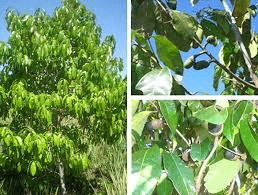
Ocotea bullata, commonly referred to as Cinnamon Bark, is a tree that belongs to the Lauraceae family. This evergreen tree is native to the southern regions of Africa and is highly valued for its aromatic bark, which has both culinary and medicinal uses. The botanical characteristics of Ocotea bullata contribute to its distinct appearance and the compounds that make it beneficial for various health purposes.
The bark of Ocotea bullata is one of its most notable features. It is smooth, brown, and exudes a strong, pleasant fragrance when scratched or crushed. This fragrant bark is what gives the tree its common name, Cinnamon Bark.
Ocotea bullata is a medium to large-sized tree, typically growing to heights ranging from 10 to 20 meters (33 to 66 feet). It exhibits a well-formed, symmetrical crown with dense foliage.
The leaves of Ocotea bullata are simple, alternate, and oblong to elliptical in shape. They have a glossy dark green color on the upper surface and a paler green on the lower surface. The leaves are aromatic when crushed and add to the tree’s overall appeal.
The tree produces small, inconspicuous flowers that are grouped in clusters. These flowers are typically greenish-yellow in color and lack showy petals. They are pollinated by various insects.
The fruits of Ocotea bullata are small, fleshy, and berry-like. They turn from green to purple-black as they mature. These fruits are an essential food source for various wildlife in the tree’s native habitat.
Cinnamon Bark is rich in polyphenolic compounds, which are known for their antioxidant and potential disease-fighting properties. The bark contains essential oils that have been traditionally used for their various therapeutic benefits, including digestive support and promoting general well-being.
Ocotea bullata thrives in subtropical and tropical climates. It is commonly found in the coastal and lowland forests of southern Africa. The tree prefers well-drained soil and can tolerate a range of soil types. It grows best in areas with consistent rainfall and moderate temperatures.
Read Also: 7 Medicinal Health Benefits of Hydnocarpus castaneus (Chaulmoogra)
The Medicinal Health Benefits of Ocotea bullata (Cinnamon Bark)

1. Blood Sugar Regulation: Cinnamon Bark has been studied for its potential to help regulate blood sugar levels. Active compounds like cinnamaldehyde may improve insulin sensitivity, enhancing the body’s ability to manage glucose. This benefit is particularly promising for individuals with diabetes or those aiming to control their blood sugar levels.
2. Anti-Inflammatory Properties: The bark contains anti-inflammatory compounds that can help reduce inflammation in the body. These properties are beneficial for managing conditions such as arthritis and inflammatory bowel diseases, where inflammation plays a central role.
3. Antioxidant Boost: Cinnamon Bark is a rich source of antioxidants, including polyphenols and cinnamaldehyde. Antioxidants combat oxidative stress and free radicals, contributing to overall health and potentially lowering the risk of chronic diseases.
4. Digestive Support: Traditionally, Cinnamon Bark has been used to support digestion. It can alleviate discomfort, bloating, and indigestion. Its natural antimicrobial properties might also help combat digestive infections.
5. Heart Health Promotion: Regular consumption of Cinnamon Bark may have a positive impact on heart health. It’s believed to help lower LDL cholesterol levels, reduce triglycerides, and support healthy circulation, which collectively contribute to cardiovascular well-being.
6. Antimicrobial Effects: Cinnamon Bark has shown antimicrobial properties against various pathogens. The compounds present in the bark can help inhibit the growth of bacteria, fungi, and other microorganisms, making it potentially useful for maintaining oral and gut health.
7. Cognitive Enhancement: Certain compounds in Cinnamon Bark may have cognitive-enhancing effects. They could contribute to improved memory, attention, and overall cognitive function.
8. Weight Management: Cinnamon Bark might aid in weight management by influencing metabolism and appetite regulation. It could potentially help control cravings and improve insulin sensitivity, supporting weight loss efforts.
9. Anti-Hypertensive Potential: Research suggests that Cinnamon Bark may have a mild anti-hypertensive effect, helping to lower blood pressure levels. This could be beneficial for individuals with hypertension or those at risk of developing it.
10. Pain Relief: The anti-inflammatory properties of Cinnamon Bark may contribute to pain relief. It could be particularly useful for addressing mild to moderate pain, such as muscle soreness or menstrual discomfort.
Read Also: 8 Medicinal Health Benefits of Cinnamomum Malabatrum (Malabar Cinnamon)
The Methods of Usage to Achieve the Provided Health Benefits of Ocotea bullata (Cinnamon Bark)
1. Tea Infusion: Prepare a soothing and aromatic tea infusion by steeping Cinnamon Bark in hot water. To make the tea, boil water and pour it into a cup. Add a small piece of Cinnamon Bark or a cinnamon stick to the cup. Allow it to steep for about 10-15 minutes, covered. Strain the tea and enjoy. You can add honey or lemon for extra flavor.
2. Culinary Delights: Incorporate Cinnamon Bark into your cooking to infuse dishes with its warm and distinctive flavor. Grind a small piece of Cinnamon Bark into a fine powder using a spice grinder. Add a pinch or more to your favorite recipes, such as oatmeal, smoothies, curries, soups, or baked goods. The aromatic and flavorful addition will not only enhance the taste but also provide potential health benefits.
3. Herbal Infusions: Combine Cinnamon Bark with other beneficial herbs to create herbal infusions that cater to specific health needs. For example. Mix Cinnamon Bark with ginger and turmeric for an anti-inflammatory blend. Combine with herbs like chamomile and lavender for a calming and digestive-friendly infusion.
4. Essential Oil Usage: Cinnamon Bark essential oil is available and can be used for aromatherapy and topical application. Use a diffuser to disperse the oil’s aroma throughout your living space. This can promote relaxation and create a pleasant environment.
Dilute a few drops of Cinnamon Bark essential oil in a carrier oil (such as coconut oil) and apply it topically for massage. Ensure proper dilution to prevent skin irritation.
5. Supplements: Consider Cinnamon Bark supplements, available in various forms such as capsules, extracts, or powders. When opting for supplements. Choose high-quality, reputable brands to ensure purity and effectiveness. Consult a healthcare professional before adding supplements to your routine, especially if you have any medical conditions or are taking medications.
The Side Effects of Using Ocotea bullata Medicinal Plant

1. Allergic Reactions: While rare, some individuals may be allergic to compounds present in Cinnamon Bark. Allergic reactions can manifest as skin rashes, itching, hives, or even more severe reactions like difficulty breathing and swelling. If you experience any allergic symptoms after using cinnamon, discontinue use and seek medical attention.
2. Skin Sensitivity: Applying Cinnamon Bark or its essential oil directly to the skin can cause irritation, redness, or a burning sensation, especially for those with sensitive skin. It’s recommended to dilute essential oils with a carrier oil before topical application.
3. Gastrointestinal Discomfort: Consuming excessive amounts of Cinnamon Bark may lead to gastrointestinal discomfort, such as nausea, vomiting, or diarrhea. It’s important to use it in moderation and avoid overconsumption.
4. Interaction with Medications: Cinnamon Bark may interact with certain medications, including blood thinners, diabetes medications, and medications that affect liver enzymes. It’s advisable to consult a healthcare professional before using Cinnamon Bark, especially if you’re taking any prescription medications.
5. Liver Health Concerns: In rare cases, consuming high amounts of Cinnamon Bark or its components might impact liver health. If you have liver issues or are taking medications that affect the liver, exercise caution and consult your healthcare provider before using cinnamon supplements.
6. Blood Sugar Effects: While Cinnamon Bark can help regulate blood sugar levels, it can also cause hypoglycemia (low blood sugar) if taken excessively or in combination with certain medications. Monitor your blood sugar levels closely, especially if you have diabetes.
7. Coumarin Content: Cinnamon Bark contains a compound called coumarin, which in large amounts could be harmful to the liver and may have anticoagulant effects. Cassia cinnamon, a type of Cinnamon Bark, has higher levels of coumarin compared to other varieties like Ceylon cinnamon.
8. Pregnancy and Breastfeeding: Pregnant and breastfeeding women should be cautious with Cinnamon Bark, especially in supplement form, as its effects on these individuals are not well studied. It’s best to consult a healthcare professional before use.
9. Heartburn or Acid Reflux: In some individuals, the warming properties of Cinnamon Bark might exacerbate symptoms of heartburn or acid reflux. If you’re prone to these issues, use Cinnamon Bark in moderation.
10. Interactions with Certain Conditions: Individuals with certain conditions, such as bleeding disorders, liver disease, or diabetes, should be especially cautious when using Cinnamon Bark. Always consult a healthcare provider before incorporating it into your routine.
Nutritional Value of Ocotea bullata (Cinnamon Bark)
1. Phenolic Compounds: Ocotea bullata contains high levels of phenolic compounds (8.97 mg/g gallic acid), which act as antioxidants, helping to neutralize free radicals and reduce oxidative stress.
2. Flavonoids: With 36.06 mg/g quercetin, flavonoids in the bark provide antioxidant and anti-inflammatory benefits, supporting cellular health and reducing inflammation.
3. Flavonols: The bark has 153.44 mg/g rutin, contributing to its antioxidant properties and potentially aiding in cardiovascular health.
4. Tannins: Tannins offer astringent properties, which may support digestive health and have antimicrobial effects for infection control.
5. Saponins: These compounds may enhance immune function and have potential cholesterol-lowering effects, benefiting heart health.
6. Alkaloids: Alkaloids in Ocotea bullata contribute to its antimicrobial and anti-inflammatory effects, supporting its use in traditional medicine.
7. Terpenoids: Terpenoids provide antimicrobial and anti-inflammatory properties, aiding in wound healing and infection prevention.
8. Essential Oils: The bark contains essential oils with potential antimicrobial activity, used traditionally to combat infections.
9. Steroids: Plant-derived steroids may support anti-inflammatory responses, potentially benefiting conditions like arthritis.
10. Coumarins: Present in small amounts, coumarins may have anticoagulant properties, though their levels are lower than in cassia cinnamon, reducing toxicity risks.
Scientific Evidence and Case Studies on Ocotea bullata
1. Antioxidant and Anti-inflammatory Activity (Ogundajo et al., 2018): Ogundajo et al. evaluated Ocotea bullata stem bark extracts, finding that the ethyl acetate extract exhibited strong antioxidant activity, scavenging DPPH (0.19 mg/mL), hydroxyl (25.77 mg/mL), and ABTS (0.07 mg/mL) radicals. It also showed significant inhibition of superoxide anion and ferric ion-reducing power, supporting its traditional use for inflammation and neurodegenerative disorders. Reference: Ogundajo, A. L., Ashafa, A. O. T., & Ogunniyi, T. (2018). Medicinal properties of Ocotea bullata stem bark extracts: phytochemical constituents, antioxidant and anti-inflammatory activity, cytotoxicity. South African Journal of Botany, 116, 1–7.
2. Anti-inflammatory Effects (Zschocke et al., 2000): Zschocke et al. investigated the bark’s inhibition of cyclooxygenase and lipoxygenase enzymes, finding substantial anti-inflammatory activity, which supports its use in treating inflammatory conditions like headaches and arthritis. Reference: Zschocke, S., Drewes, S. E., & Van Staden, J. (2000). Anti-inflammatory activity of Ocotea bullata bark extracts. South African Journal of Botany, 66(2), 159–161.
3. Antidiabetic Potential (Ogundajo et al., 2018): The same study by Ogundajo et al. demonstrated that Ocotea bullata extracts inhibited α-amylase and α-glucosidase enzymes, suggesting potential for managing diabetes by slowing carbohydrate metabolism. Reference: Ogundajo, A. L., Ashafa, A. O. T., & Ogunniyi, T. (2018). Medicinal properties of Ocotea bullata stem bark extracts: phytochemical constituents, antioxidant and anti-inflammatory activity, cytotoxicity. South African Journal of Botany, 116, 1–7.
Frequently Asked Questions About Ocotea bullata
1. What is Ocotea bullata used for in traditional medicine?
It is used in South African traditional medicine to treat headaches, urinary disorders, stomach issues, and inflammation due to its bioactive compounds.
2. Is Ocotea bullata safe to consume?
While used traditionally, its extracts can be toxic if not prepared properly. Consult a healthcare provider before use.
3. Can Ocotea bullata help with diabetes?
Studies suggest its extracts may inhibit enzymes involved in carbohydrate metabolism, potentially aiding diabetes management.
4. How is Ocotea bullata typically prepared?
The bark is dried and used as decoctions, infusions, or powders for oral or topical applications in traditional remedies.
5. Does Ocotea bullata have antioxidant properties?
Yes, its phenolic compounds and flavonoids provide strong antioxidant effects, helping to reduce oxidative stress.
6. Can Ocotea bullata be used for inflammation?
Its anti-inflammatory properties, confirmed by studies, make it effective for conditions like arthritis and headaches.
7. Is Ocotea bullata related to common cinnamon?
Yes, it belongs to the same Lauraceae family as cinnamon but is a distinct species native to South Africa with unique properties.
8. Can Ocotea bullata be grown at home?
It can be grown in suitable climates but requires specific conditions, like well-drained soil, and is not commonly cultivated.
Do you have any questions, suggestions, or contributions? If so, please feel free to use the comment box below to share your thoughts. We also encourage you to kindly share this information with others who might benefit from it. Since we can’t reach everyone at once, we truly appreciate your help in spreading the word. Thank you very much for your support and for sharing!
Disclaimer: This article is for educational and informational purposes only. The health benefits described are based on scientific research and traditional knowledge. They are not a substitute for professional medical advice, diagnosis, or treatment. Always consult a healthcare professional before using any herb or natural remedy for medical purposes.