


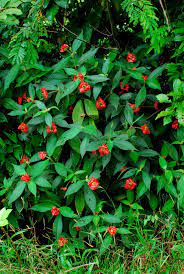
Palicourea tomentosa, commonly known as Rapé or Parika, is a tropical plant native to South America. This plant is known by various common names across different regions. Some of the most frequently used names include Velvet-Leaf Palicourea, Wild Cinchona, and Quinine Bush.
It has a rich history of traditional use among indigenous communities for its medicinal properties.
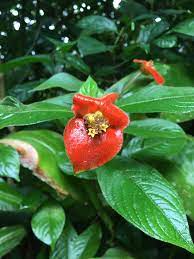
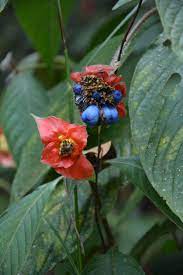
Palicourea tomentosa is a shrub or small tree that belongs to the Rubiaceae family. It is characterized by its lance-shaped leaves, small white flowers, and vibrant red berries.
The plant is primarily found in the Amazon rainforest and has been used for centuries for various health purposes.
1. Leaves: The leaves of Palicourea tomentosa are characterized by their velvety texture, which gives the plant its common name. They are elliptical, dark green, and grow in opposite pairs along the stem.
2. Flowers: The flowers of this species are small, tubular, and typically white or pale pink in color. They are arranged in clusters, adding to the plant’s aesthetic appeal.
3. Fruits: The fruits of Palicourea tomentosa are small capsules that contain seeds. These capsules split open when ripe, dispersing the seeds to propagate new plants.
Composition of Parika Medicinal Plant
1. Alkaloids: One of the key components of Palicourea tomentosa is alkaloids. These bioactive compounds have been a subject of scientific interest for their potential pharmacological effects.
2. Phytochemicals: Apart from alkaloids, the plant contains a range of phytochemicals that contribute to its medicinal properties and ecological interactions.
The Medicinal Health Benefits of Parika (Palicourea tomentosa)
1. Anti-Inflammatory Effects: Inflammation is at the root of many health problems, from arthritis to heart disease. Palicourea tomentosa has anti-inflammatory properties that can help reduce inflammation throughout the body.
By doing so, it may alleviate symptoms associated with various inflammatory conditions.
2. Stress Relief: In today’s hectic world, stress is a common problem that can take a toll on both your mental and physical health. Palicourea tomentosa contains natural compounds that have a calming effect on the nervous system.
Regular consumption may help reduce stress and anxiety, promoting a sense of relaxation.
3. Pain Management: Palicourea tomentosa has demonstrated potent analgesic properties. It has been employed as a natural remedy for various types of pain, such as headaches, muscle aches, and joint pain.
Some believe that its potential anti-inflammatory and analgesic (pain-relieving) properties may contribute to its effectiveness in this regard.
4. Wound Healing: Palicourea tomentosa serves as a treatment for wounds and skin conditions. The plant’s potential antimicrobial and anti-inflammatory properties may play a role in supporting wound healing and preventing infections.
5. Respiratory Conditions: Palicourea tomentosa has been utilized to address respiratory issues. It is believed to help with conditions like coughs, bronchitis, and asthma. However, more research is needed to confirm its efficacy for these purposes.
6. Weight Management: For those looking to manage their weight, Palicourea tomentosa help regulate metabolism and appetite, making it easier to maintain a healthy weight when combined with a balanced diet and regular exercise.
7. Cardiovascular Health: A healthy heart is crucial for a long and fulfilling life. Palicourea tomentosa has properties that can contribute to cardiovascular health. It may help lower cholesterol levels, reduce blood pressure, and improve overall heart function.
8. Digestive Health: Maintaining a healthy digestive system is essential for overall well-being. Palicourea tomentosa has been traditionally used to soothe digestive discomfort and promote gastrointestinal health.
It can help ease indigestion, bloating, and other common digestive issues.
9. Antioxidant Powerhouse: One of the primary reasons Palicourea tomentosa has gained attention is its exceptional antioxidant properties. Antioxidants are crucial for protecting our cells from oxidative stress, which can lead to various chronic diseases.
The antioxidants in Palicourea tomentosa help neutralize harmful free radicals, reducing the risk of oxidative damage.
10. Boosts Immune System: A strong immune system is vital for staying healthy, and Palicourea tomentosa can play a key role in boosting your body’s natural defenses.
It contains compounds that stimulate the production of white blood cells, enhancing your immune response. Regular consumption of Palicourea tomentosa may help you ward off infections and illnesses more effectively.
Read Also: 7 Medicinal Health Benefits of Daffodils (Narcissus Plant)
The Methods of Usage to Achieve the Provided Health Benefits of Parika (Palicourea tomentosa)
1. Smoothies: Blend Palicourea tomentosa leaves or powder into your daily smoothie for a nutritious kick.
2. Herbal Tea: One common way to harness the benefits of Palicourea tomentosa is by brewing it as herbal tea. Simply steep dried leaves or berries in hot water for 10-15 minutes and enjoy its potential digestive and immune-boosting effects.
3. Tinctures: Tinctures are concentrated liquid extracts of Palicourea tomentosa. They are convenient and allow for precise dosing, making them a popular choice among users.
4. Capsules and Supplements: For those who prefer a more convenient option, Palicourea tomentosa is available in capsule or supplement form. This allows for easy integration into daily wellness routines.
5. Topical Applications: Palicourea tomentosa extracts can also be applied topically to alleviate pain and inflammation. Ensure you follow recommended guidelines and consult a healthcare professional for specific usage instructions.
Scientific Evidence and Case Studies on Sausage Spices
1. Antimicrobial Properties: Research indicates that spices like garlic, black pepper, and paprika used in sausages contain natural antimicrobial compounds that inhibit the growth of spoilage and pathogenic bacteria, improving sausage shelf life and safety.
2. Antioxidant Effects: Studies have shown that clove, rosemary, and oregano spices possess strong antioxidant activity, helping to prevent lipid oxidation in sausages, which maintains flavor, color, and nutritional quality during storage.
3. Flavor Enhancement: Scientific evaluations confirm that spice blends such as nutmeg, coriander, and mustard seeds significantly enhance the aroma and sensory appeal of sausages, influencing consumer preference and acceptance.
4. Health Benefits: Research on spice constituents like capsaicin in chili and allicin in garlic demonstrates anti-inflammatory and cholesterol-lowering properties, suggesting that sausage spices may contribute to certain health benefits when consumed moderately.
5. Natural Preservation: Case studies on turmeric and cinnamon reveal their effectiveness as natural preservatives in processed meat, reducing the need for synthetic additives and enhancing the overall quality of sausages.
Nutritional Value Of Sausage Spices
1. Vitamins and Minerals: Sausage spices such as paprika, turmeric, and coriander are rich in vitamins A, C, and K, as well as minerals like iron, calcium, and potassium, which support immune function and overall health.
2. Antioxidants: Spices like rosemary, clove, and oregano are loaded with antioxidants that protect the body from oxidative stress and may reduce the risk of chronic diseases.
3. Dietary Fiber: Many ground spices, including mustard seeds and coriander, contain dietary fiber that aids digestion and promotes healthy gut function.
4. Anti-inflammatory Compounds: Curcumin in turmeric and eugenol in cloves are known for their anti-inflammatory properties, helping to reduce inflammation and support joint and heart health.
5. Phytochemicals: Sausage spices are rich in phytochemicals such as flavonoids and polyphenols that boost the body’s natural defense system and promote metabolic health.
6. Low in Calories: Most sausage spices are low in calories yet high in flavor, making them a healthy choice for seasoning without adding extra fat or sugar.
7. Metabolism Boosters: Capsaicin in chili and piperine in black pepper can enhance metabolism and aid in fat burning, contributing to better energy utilization in the body.
Frequently Asked Questions About Sausage Spices
1. What are the common spices used in sausages?
Common spices include black pepper, paprika, garlic powder, nutmeg, coriander, and mustard seeds.
2. Why are spices important in sausage making?
They enhance flavor, preserve freshness, and improve color and aroma.
3. Do sausage spices have health benefits?
Yes, many contain antioxidants and anti-inflammatory compounds that support overall health.
4. Can I make sausage without spices?
Yes, but the flavor will be bland, and the product may spoil faster without the natural preservation from spices.
5. Are sausage spices natural preservatives?
Yes, certain spices like clove and rosemary naturally slow bacterial growth and prevent rancidity.
6. How should sausage spices be stored?
Keep them in airtight containers, away from heat and moisture, to maintain freshness and potency.
7. Do all sausages use the same spice blend?
No, spice combinations vary depending on regional tastes and sausage types.
8. Can I use fresh herbs instead of dried spices?
Yes, but you’ll need to adjust the quantity since fresh herbs have higher moisture content and milder flavor.
9. Are sausage spices suitable for vegetarians?
Yes, spices are plant-based and can be used in both meat and vegetarian sausages.
10. Do spices affect sausage color?
Yes, spices like paprika and turmeric enhance the natural reddish or golden hue of sausages.
Read Also: Pests of Stored Products and Damages Caused
The Side Effects of Using Parika Medicinal Plant
1. Gastrointestinal Distress: Some individuals may experience digestive issues such as nausea, diarrhea, or stomach cramps when using Palicourea tomentosa.
2. Allergic Reactions: Allergic reactions, though rare, can occur. If you develop hives, itching, or difficulty breathing, seek medical attention immediately.
3. Interaction with Medications: It is crucial to consult with a healthcare professional before using Palicourea tomentosa, as it may interact with certain medications.
Precautions and Recommendations in Using Parika Medicinal Plant
While Palicourea tomentosa shows promise as a natural remedy, responsible usage is paramount. Here are a few additional precautions to consider:
1. Quality Control: Ensure that you purchase Palicourea tomentosa products from reputable sources to guarantee purity and quality.
2. Dosage: Adhere to recommended dosages and avoid excessive use, as it may lead to adverse effects.
3. Monitoring: If you experience any unusual symptoms or discomfort while using Palicourea tomentosa, discontinue use and seek medical advice.
4. Children: Keep Palicourea tomentosa out of reach of children.
5. Consultation: Always consult with a healthcare provider before starting any new herbal remedy.
6. Allergies: Be aware of potential allergies or sensitivities to Palicourea tomentosa.
7. Pregnancy and Nursing: Pregnant or nursing women should avoid its use unless advised otherwise by a healthcare professional.
8. Consult a Healthcare Professional: Always consult with a healthcare provider before using Palicourea tomentosa, especially if you have underlying medical conditions or are taking medications.
9. Follow Dosage Recommendations: Adhere to the recommended dosage guidelines provided on the product label or as advised by a qualified herbalist.
10. Be Patient: Some of the potential benefits of Palicourea tomentosa may take time to manifest. Be patient and consistent with your use.
11. Stay Informed: Keep yourself updated on the latest research and developments related to Palicourea tomentosa to make informed decisions about its use.
FAQs About Parika Medicinal Plant
1. Is Palicourea tomentosa safe for daily use?
Palicourea tomentosa can be used daily, but it is advisable to consult with a healthcare professional for personalized guidance on dosage and frequency.
2. Can Palicourea tomentosa be used to treat chronic pain conditions?
Palicourea tomentosa’s analgesic properties may provide relief for chronic pain conditions, but it should be used in conjunction with medical advice and treatment.
3. Are there any known side effects of Palicourea tomentosa?
Side effects are rare but can include digestive discomfort in some individuals. Start with a low dose to assess your tolerance.
4. Where can I find high-quality Palicourea tomentosa products?
Look for reputable herbal suppliers or consult with a naturopathic practitioner for trusted sources.
5. Can children use Palicourea tomentosa?
It is best to avoid giving Palicourea tomentosa to children unless recommended by a pediatrician or herbalist.
6. Can Palicourea tomentosa be used for skin conditions?
Yes, Palicourea tomentosa’s anti-inflammatory properties make it beneficial for various skin conditions. However, consult with a dermatologist for personalized recommendations.
7. Are there any contraindications with prescription medications?
While Palicourea tomentosa is generally safe, it’s essential to consult with a healthcare professional, especially if you’re taking prescription medications, to avoid potential interactions.
8. How long does it take to experience the benefits of Palicourea tomentosa?
The time it takes to notice the effects can vary from person to person. Some individuals may experience benefits within a few weeks, while others may take longer. Consistency in usage is key.
9. Is Palicourea tomentosa suitable for vegetarians and vegans?
Yes, Palicourea tomentosa is a plant-based remedy and is suitable for vegetarians and vegans.
10. Can I use Palicourea tomentosa for weight management?
Some individuals have reported weight management benefits with the use of Palicourea tomentosa, particularly due to its potential appetite-suppressing properties. However, it should be part of a comprehensive weight management plan.
11. Is Palicourea tomentosa safe for everyone to use?
While generally considered safe, it is advisable to consult with a healthcare professional, especially if you have underlying health conditions or are taking medications.
12. What are the traditional uses of Palicourea tomentosa?
Traditional uses include digestive support, pain relief, and mild stimulation.
13. Can Palicourea tomentosa interact with medications?
Yes, it may interact with certain medications. Consult with your healthcare provider if you have concerns.
14. Are there any known side effects of using Palicourea tomentosa?
Some individuals may experience mild side effects, such as digestive discomfort or allergic reactions.
15. Can Palicourea tomentosa be used alongside other herbal remedies or supplements?
While it is generally safe, it’s advisable to consult with a healthcare professional when combining multiple herbal remedies to ensure compatibility.
16. Is Palicourea tomentosa suitable for pregnant or breastfeeding individuals?
Pregnant or breastfeeding individuals should avoid Palicourea tomentosa unless directed by a healthcare provider, as its effects during these periods are not well-documented.
17. Are there any specific age restrictions for using Palicourea tomentosa?
Palicourea tomentosa is generally safe for adults, but it is not recommended for children without guidance from a healthcare professional.
18. How long does it take to experience the potential benefits of Palicourea tomentosa?
The time it takes to experience benefits can vary among individuals and depends on factors like dosage, form of consumption, and personal health conditions.
19. Can I grow Palicourea tomentosa at home?
Growing Palicourea tomentosa at home is possible in suitable climates, but it is essential to research its specific requirements and potential legal restrictions in your area.
Do you have any questions, suggestions, or contributions? If so, please feel free to use the comment box below to share your thoughts. We also encourage you to kindly share this information with others who might benefit from it. Since we can’t reach everyone at once, we truly appreciate your help in spreading the word. Thank you very much for your support and for sharing!
Disclaimer: This article is for educational and informational purposes only. The health benefits described are based on scientific research and traditional knowledge. They are not a substitute for professional medical advice, diagnosis, or treatment. Always consult a healthcare professional before using any herb or natural remedy for medical purposes.
Read Also: Measures of Improving Field Crops Production in Nigeria