


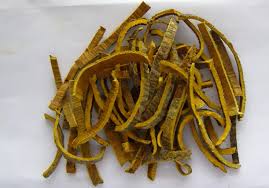
Phellodendron, also known as Huang Bai or cork tree, is a genus of deciduous trees and shrubs that belong to the family Rutaceae. These plants are native to East Asia, with a particular prevalence in regions like China and Korea.
Phellodendron is highly valued for its various medicinal and ornamental properties, making it a versatile and important genus in the botanical world. Its distinctive features and potential benefits have contributed to its recognition in both traditional and modern applications, and it has been the subject of extensive research and study.
One of the distinguishing characteristics of Phellodendron is its distinctive bark, which is corky in texture, lending the tree its common name. The bark is an essential component of traditional Chinese medicine, where it is known as “Huang Bo.” It has been used for centuries to address various health concerns.
The bark of Phellodendron contains a range of bioactive compounds, including berberine, which is highly prized for its potential therapeutic effects. These compounds have been studied for their antimicrobial, anti-inflammatory, and antioxidant properties, making Phellodendron a valuable resource in herbal medicine.
Phellodendron has a long history of use in traditional medicine systems, particularly in Chinese herbal medicine. Its applications extend to addressing ailments such as digestive disorders, skin conditions, and even infections. Due to its potential anti-inflammatory properties, it has been employed to alleviate symptoms associated with arthritis and other inflammatory conditions.
he bark of Phellodendron is believed to have a cooling effect, which can help balance excess heat in the body, a concept central to traditional Chinese medicine.
Beyond its traditional applications, Phellodendron has gained attention in modern medicine and research. The bioactive compounds in Phellodendron bark, particularly berberine, have been the subject of numerous scientific studies. Berberine has demonstrated potential in managing conditions like type 2 diabetes, as it may help regulate blood sugar levels.
Additionally, it shows promise in supporting heart health by lowering cholesterol levels and reducing the risk of cardiovascular issues. As a result, Phellodendron supplements and extracts have become popular in the health and wellness industry.
In the realm of ornamental horticulture, Phellodendron trees and shrubs are valued for their attractive appearance. The corky texture of the bark, along with their unique foliage, makes them a sought-after addition to gardens and landscapes.
Their adaptability to various soil conditions and climates further adds to their desirability as ornamental plants. With their lush green leaves and distinctive bark, Phellodendron species bring a touch of elegance and diversity to outdoor spaces.
Phellodendron, or the cork tree, is a versatile genus with a rich history in both traditional and modern applications. Its unique corky bark and valuable bioactive compounds, such as berberine, have made it a significant component of traditional Chinese medicine and a subject of extensive scientific research.
From addressing health concerns to enhancing the aesthetics of gardens, Phellodendron’s significance is undeniable. Whether utilized for its medicinal properties or as an ornamental addition to landscapes, Phellodendron continues to captivate with its distinctive features and potential benefits.
The Botanical Description of Phellodendron
1. Overview: Phellodendron, commonly known as Huang Bai in traditional Chinese medicine, is a deciduous tree belonging to the Rutaceae family. It is characterized by its distinctive features, making it an intriguing subject for botanical enthusiasts and herbal practitioners.
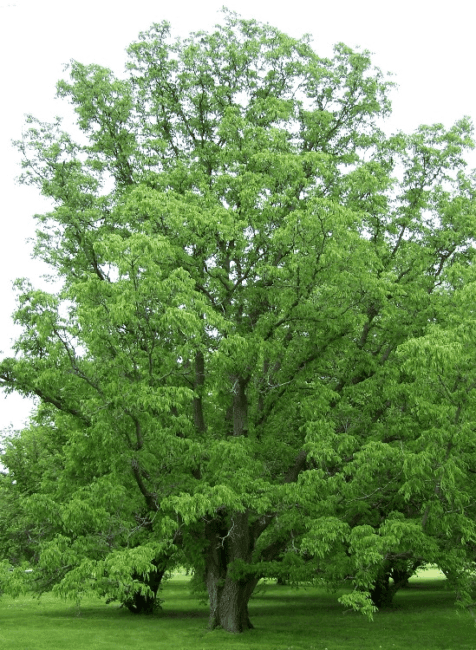
2. Size and Growth Habit: This medium-sized tree typically reaches a height of 20 to 30 feet (6 to 9 meters) and exhibits a rounded and compact growth habit. Its symmetrical shape adds to its visual appeal, making it suitable for ornamental purposes.
3. Leaves: The pinnate leaves of Phellodendron are composed of multiple leaflets, typically glossy green in color. During the autumn season, they undergo a remarkable transformation, turning into vibrant shades of yellow, contributing to its aesthetic charm.
4. Bark: The bark of Phellodendron is one of its most distinguishing features. It is corky and deeply furrowed, with a grayish-brown hue. This bark contains valuable phytochemicals that have been used in traditional medicine for centuries.
5. Flowers: Phellodendron produces small, inconspicuous flowers, typically arranged in clusters. These flowers are greenish-yellow and emit a subtle fragrance, adding a delicate touch to the tree’s overall appearance.
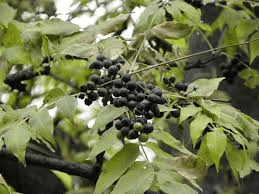
6. Fruits: The tree bears small, black, berry-like fruits that are not typically consumed by humans. However, these fruits serve as a source of seeds for propagation and play a role in the tree’s reproductive cycle.
7. Roots: Phellodendron possesses an extensive root system, which contributes to its stability and resilience. The roots also contain valuable compounds that are of interest to herbalists and traditional medicine practitioners.
The Geographic Distribution of Phellodendron
1. Native Regions: Phellodendron is native to East Asia, with its natural habitat primarily encompassing countries such as China, Korea, and Japan. In these regions, it thrives in specific environmental conditions that are conducive to its growth and development.
2. Global Cultivation: Due to its significant role in traditional Chinese medicine and herbal practices, Phellodendron has been cultivated in various parts of the world. This cultivation aims to harness its medicinal properties and make it more accessible to herbalists and individuals seeking its health benefits.
3. Preferred Environmental Conditions: Phellodendron prefers well-drained soil and adequate sunlight. It can adapt to various climates and is often grown in regions with temperate to subtropical conditions. Its adaptability has contributed to its successful cultivation in diverse geographical locations.
4. Ornamental Use: Beyond its medicinal significance, Phellodendron’s attractive appearance, including its rounded growth habit and vibrant autumn foliage, has led to its use as an ornamental tree in gardens and landscapes worldwide. Its unique bark texture also adds to its visual appeal.
5. Conservation Status: While Phellodendron is not currently classified as endangered, the sustainable cultivation and responsible harvesting of its bark and roots for herbal purposes are essential to ensure its continued availability and ecological balance in its native habitats.
The botanical description and geographic distribution of Phellodendron is crucial for appreciating its ecological significance, ornamental value, and role in traditional medicine. This knowledge provides a holistic view of this remarkable tree and its contributions to various aspects of human life.
The Chemical Composition of Phellodendron
1. Overview: Phellodendron’s chemical composition is a subject of great interest in the field of herbal medicine and pharmacology. This section explores the key compounds found in various parts of the tree and their potential therapeutic applications.
2. Phytochemicals in the Bark: The bark of Phellodendron contains several bioactive compounds, including berberine, palmatine, jatrorrhizine, and canadine. Berberine, in particular, is highly valued for its antimicrobial, anti-inflammatory, and antioxidant properties.
3. Alkaloids: Alkaloids are prevalent in Phellodendron and contribute to its medicinal effects. Berberine, an isoquinoline alkaloid, is considered the most significant due to its wide range of therapeutic applications.
4. Berberine: Berberine is a key compound found in Phellodendron bark, and it has been extensively studied for its potential health benefits. It exhibits antimicrobial, anti-inflammatory, and antioxidant properties, making it valuable for various medicinal purposes.
5. Other Bioactive Compounds: Apart from alkaloids, Phellodendron contains flavonoids, lignans, and tannins. These compounds contribute to the tree’s overall medicinal potential.
6. Uses in Traditional Medicine: Phellodendron has a long history of use in traditional Chinese medicine, where it is valued for its ability to clear heat, dry dampness, and address various health concerns. It is commonly used to support gastrointestinal, respiratory, and immune health.
7. Modern Pharmacological Research: The chemical compounds in Phellodendron have garnered attention from modern researchers. Studies have explored their potential in managing conditions such as diabetes, inflammation, and microbial infections. Berberine, in particular, has been extensively researched for its diverse health benefits.
8. Potential Antimicrobial Activity: Berberine, a major component of Phellodendron, exhibits antimicrobial properties, making it effective against a wide range of bacteria, fungi, and parasites. It has been used as a natural remedy for various infections.
9. Anti-Inflammatory Effects: Phellodendron’s chemical constituents, including berberine, possess anti-inflammatory properties. These compounds have the potential to reduce inflammation and alleviate symptoms associated with inflammatory conditions.
10. Antioxidant Activity: Some of the compounds in Phellodendron, such as berberine, act as antioxidants. Antioxidants help combat oxidative stress in the body, which is linked to various chronic diseases.
11. Immune Support: Traditional uses of Phellodendron include immune system support. The tree’s compounds may help strengthen the body’s defense mechanisms against infections.
12. Skin Health: Some Phellodendron-based products are used in skincare due to their potential to soothe irritations and address skin conditions.
13. Digestive Health: Phellodendron is traditionally used to promote digestive health, particularly in cases of damp-heat conditions, which can cause discomfort.
14. Adverse Effects: While generally considered safe when used as directed, excessive consumption of berberine-rich products may lead to gastrointestinal issues. It’s essential to follow recommended dosages.
The chemical composition of Phellodendron sheds light on its potential health benefits and the compounds that make it a valuable resource in traditional and modern herbal medicine. This knowledge helps individuals make informed decisions about its use and explore its diverse applications.
Read Also: 15 Medicinal Health Benefits of Thermopsis rhombifolia (Golden bean)
The Medicinal Health Benefits Of Phellodendron (Huang Bai)
1. Gastrointestinal Health: Phellodendron is known for its traditional use in promoting gastrointestinal health. It may help alleviate symptoms of damp-heat conditions, which can cause discomfort such as indigestion, diarrhea, and abdominal pain.
2. Immune Support: The compounds in Phellodendron have immune-enhancing properties. They may help strengthen the body’s natural defense mechanisms, making it valuable for immune support.
3. Anti-Inflammatory Effects: Phellodendron, particularly berberine, exhibits anti-inflammatory properties. These effects can be beneficial in managing conditions associated with inflammation, such as arthritis.
4. Antioxidant Benefits: The antioxidant properties of Phellodendron compounds, like berberine, can combat oxidative stress and potentially reduce the risk of chronic diseases associated with free radical damage.
5. Potential Antimicrobial Activity: The berberine in Phellodendron has antimicrobial properties that make it effective against a wide range of microorganisms, including bacteria, fungi, and parasites.
6. Skin Health: Some topical applications of Phellodendron are used to soothe skin irritations and address minor skin issues. Its anti-inflammatory and antimicrobial properties contribute to its potential benefits for skin health.
7. Respiratory Support: Phellodendron is traditionally used to support respiratory health. Its compounds may help relax airway muscles, making it valuable for individuals with conditions like asthma.
8. Potential Cardiovascular Benefits: While more research is needed, preliminary studies suggest that Phellodendron compounds may have a role in cardiovascular health by regulating blood pressure and cholesterol levels.
9. Liver Support: Traditional medicine utilizes Phellodendron for liver support and detoxification. However, further research is necessary to establish its efficacy in this regard.
10. Menstrual Health: Some women use Phellodendron to address menstrual irregularities. It’s essential to consult a healthcare professional for guidance in such cases.
Methods of Usage to Achieve the Provided Health Benefits Of Phellodendron (Huang Bai)
1. Traditional Decoction: One of the most common methods of using Phellodendron is by preparing a decoction. This involves boiling the bark or other plant parts to extract its beneficial compounds. The decoction can be consumed as a tea.
2. Herbal Supplements: Phellodendron supplements are available in various forms, including capsules and tablets. These supplements provide a convenient way to incorporate the plant’s benefits into your daily routine.
3. Topical Applications: Some Phellodendron-based products are used topically to address skin irritations and minor rashes. These products typically come in the form of creams or ointments.
4. Tinctures: Phellodendron tinctures are alcohol-based extracts that can be taken orally. They are known for their high concentration of active compounds.
5. Consult a Herbalist: For personalized guidance on using Phellodendron, it’s advisable to consult a herbalist or traditional Chinese medicine practitioner. They can recommend specific formulations and dosages tailored to your health needs.
Side Effects Of Using Phellodendron Medicinal Plant
1. Gastrointestinal Distress: In some cases, excessive consumption of Phellodendron or berberine-rich products may lead to gastrointestinal issues such as diarrhea or stomach discomfort. It’s crucial to follow recommended dosages.
2. Allergic Reactions: Individuals with known allergies to plants in the Rutaceae family, to which Phellodendron belongs, should exercise caution. Allergic reactions can include skin rashes or respiratory symptoms.
3. Interaction with Medications: Phellodendron, especially berberine, may interact with certain medications, particularly those affecting the liver or with sedative properties. Inform your healthcare provider if you are taking medications.
4. Pregnancy and Lactation: The safety of using Phellodendron during pregnancy and breastfeeding is not well-established. Pregnant or nursing individuals should seek medical advice before use.
5. Respiratory Sensitivity: In rare cases, the use of Phellodendron may cause respiratory sensitivity, leading to coughing or shortness of breath. If this occurs, discontinue use and seek medical attention.
6. Menstrual Changes: Some women may experience changes in their menstrual cycle when using Phellodendron. If you notice irregularities, consult a healthcare professional.
7. Overdose: Excessive use of Phellodendron can lead to overdose symptoms, including severe liver damage. Adhere to recommended dosages and avoid self-medication.
The medicinal health benefits, methods of usage, and potential side effects of Phellodendron (Huang Bai) is crucial for making informed decisions about incorporating this plant into your health and wellness regimen. Always consult with a healthcare professional for personalized guidance, especially if you have underlying medical conditions or are taking other medications.
Read Also: Pasture Establishment for Forage and Seed Production
The Scientific Research and Studies of Phellodendron (Huang Bai)
1. Antimicrobial Properties: Numerous scientific studies have explored Phellodendron’s antimicrobial properties, particularly the compound berberine. Research suggests that berberine can effectively inhibit the growth of various bacteria, fungi, and parasites. This makes it a valuable natural remedy for infections and microbial imbalances.
2. Anti-Inflammatory Effects: Scientific investigations have demonstrated the anti-inflammatory effects of Phellodendron and its key component, berberine. These effects are attributed to the inhibition of pro-inflammatory pathways, which can be beneficial in conditions characterized by excessive inflammation.
3. Immune Modulation: Phellodendron has been the subject of research regarding its potential to modulate the immune system. Studies indicate that it may enhance the body’s defense mechanisms, providing support against infections and diseases.
4. Cardiovascular Health: Research on berberine, a significant compound in Phellodendron, has shown promise in managing cardiovascular health. It may help regulate blood pressure and lipid profiles, reducing the risk of heart-related issues.
5. Antioxidant Activity: Scientific investigations have confirmed the antioxidant activity of Phellodendron compounds. Antioxidants can neutralize free radicals, reducing oxidative stress and its associated health risks.
6. Potential Role in Diabetes Management: Studies suggest that berberine from Phellodendron may help regulate blood sugar levels. It may have a role in managing diabetes, but individuals with diabetes should consult a healthcare provider before using it.
7. Skin Health Research: Some research has focused on Phellodendron’s potential benefits for skin health. It may help soothe skin irritations and address minor dermatological issues.
8. Traditional Medicine Validation: Scientific studies often aim to validate the traditional uses of Phellodendron in various herbal systems, such as traditional Chinese medicine. Research supports its efficacy in addressing specific health concerns.
Safety Precautions and Recommendations In Using Phellodendron (Huang Bai) Medicinal Plant
1. Dosage Guidelines: To ensure safety and efficacy, it’s crucial to follow recommended dosages provided by herbalists, healthcare providers, or product labels. Excessive consumption may lead to adverse effects.
2. Consult a Healthcare Provider: Before incorporating Phellodendron into your health regimen, especially if you have underlying medical conditions or are taking medications, consult a healthcare provider to ensure compatibility.
3. Allergy Screening: Individuals with known allergies to plants in the Rutaceae family, to which Phellodendron belongs, should undergo allergy screening to identify potential sensitivities.
4. Avoid Self-Medication: Do not self-medicate with Phellodendron, especially for serious health conditions. Seek professional guidance for personalized recommendations.
5. Pregnancy and Lactation: Pregnant or nursing individuals should exercise caution and consult a healthcare provider before using Phellodendron, as its safety during these periods is not well-established.
6. Respiratory Sensitivity: If you experience respiratory sensitivity, such as coughing or shortness of breath, discontinue use and seek medical attention.
7. Menstrual Changes: Women experiencing menstrual irregularities while using Phellodendron should consult a healthcare professional.
8. Overdose Awareness: Be aware of the potential for overdose symptoms, including severe liver damage, with excessive use of Phellodendron. Adhere to recommended dosages.
9. Regular Monitoring: If using Phellodendron for specific health concerns, it’s advisable to undergo regular health monitoring to track progress and any potential side effects.
FAQs About Phellodendron (Huang Bai) Medicinal Plant
1. What are the primary health benefits of Phellodendron?
Phellodendron is traditionally used to promote gastrointestinal health, support the immune system, and exhibit anti-inflammatory and antimicrobial properties.
2. How can I use Phellodendron for health purposes?
Phellodendron can be consumed as a decoction, taken in supplement form, applied topically, or used in tinctures. It’s essential to follow dosage recommendations.
3. Are there any side effects associated with Phellodendron use?
Excessive consumption may lead to gastrointestinal distress, allergic reactions, interactions with medications, and potential overdose symptoms.
4. Can Phellodendron be used during pregnancy and breastfeeding?
The safety of Phellodendron during pregnancy and lactation is uncertain, so it’s advisable to consult a healthcare provider before use.
5. What research supports the use of Phellodendron in traditional medicine?
Scientific studies have validated its antimicrobial, anti-inflammatory, immune-modulating, and antioxidant properties, aligning with its traditional uses.
6. Can Phellodendron help with skin issues?
Phellodendron has potential benefits for skin health, especially in addressing skin irritations and minor rashes.
7. Is Phellodendron suitable for individuals with diabetes?
Research suggests that berberine from Phellodendron may help regulate blood sugar levels, but individuals with diabetes should consult a healthcare provider before use.
8. How can I ensure the safe use of Phellodendron?
Follow recommended dosages, consult a healthcare provider for personalized guidance, and be aware of potential side effects and interactions.
Do you have any questions, suggestions, or contributions? If so, please feel free to use the comment box below to share your thoughts. We also encourage you to kindly share this information with others who might benefit from it. Since we can’t reach everyone at once, we truly appreciate your help in spreading the word. Thank you very much for your support and for sharing!
Disclaimer: This article is for educational and informational purposes only. The health benefits described are based on scientific research and traditional knowledge. They ayre not a substitute for professional medical advice, diagnosis, or treatment. Always consult a healthcare professional before using any herb or natural remedy for medical purposes.
Read Also: Why the Reuse and Recycling of Plastics are Essential to Waste Management