


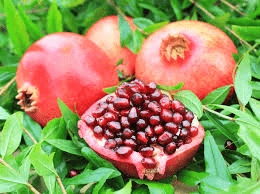
Pomegranate, scientifically known as Punica granatum, is a small deciduous tree or shrub that belongs to the family Lythraceae. Native to the region spanning from the Middle East to South Asia, pomegranate is cultivated for its vibrant and nutrient-rich fruit. The plant is known for its striking appearance, with glossy green leaves and stunning crimson flowers that eventually give way to the iconic pomegranate fruit.
Pomegranate plants typically grow to a height of 5 to 10 meters, although dwarf varieties are also cultivated. The leaves are lance-shaped and glossy, ranging in size from 2 to 8 centimeters in length. The flowers of the pomegranate are a sight to behold – they are large, cup-shaped, and come in shades of red and orange. These flowers are borne singly or in clusters at the tips of branches.
The pomegranate fruit is a spherical or somewhat hexagonal berry with a tough outer rind known as the exocarp. The exocarp’s color varies from shades of yellow to deep red, depending on the cultivar. Inside the fruit, there are numerous small, juicy seeds encapsulated in translucent, sac-like arils. These arils are the edible part of the fruit and are prized for their sweet-tart flavor.
The ellagitannin content is a distinguishing feature of pomegranate and contributes significantly to its health benefits. Ellagitannins are polyphenolic compounds that undergo hydrolysis in the body to produce ellagic acid – a potent antioxidant with various potential health-promoting properties.
Pomegranate ellagitannins are found predominantly in the fruit’s outer skin and the white, spongy tissue that surrounds the seeds. These compounds are known for their ability to scavenge free radicals, thereby protecting cells from oxidative damage. Additionally, ellagitannins have been linked to anti-inflammatory, anticancer, and cardioprotective effects.
Pomegranate is cultivated in a variety of climates, from subtropical to temperate regions. It thrives in well-drained soil and requires plenty of sunlight. The fruit is commonly consumed fresh, juiced, or processed into products such as jams, jellies, and beverages. Pomegranate extracts, which concentrate its beneficial compounds including ellagitannins, are also available in supplement form.
Throughout history, pomegranate has been revered in traditional medicine for its various health benefits. Its use spans cultures and continents, with applications ranging from digestive aid to wound healing. While modern research has provided scientific validation for many of these traditional uses, it’s important to note that pomegranate-based treatments should not replace professional medical advice.
Read Also: 10 Medicinal Health Benefits of Hoodia gordonii (Hoodia Plant)
The Medicinal Health Benefits of Pomegranate

1. Cardiovascular Health Enhancement: Pomegranate ellagitannin boasts potent antioxidant properties that help protect your heart by combating oxidative stress and reducing inflammation. These effects collectively contribute to lower blood pressure and improved heart function.
2. Cancer Prevention: Ellagitannins exhibit anticancer potential by inhibiting the growth of cancer cells and promoting apoptosis (cell death). Studies have suggested that pomegranate ellagitannin could be particularly effective against prostate and breast cancers.
3. Anti-Inflammatory Action: Chronic inflammation is linked to various diseases. Pomegranate ellagitannin helps modulate the inflammatory response, potentially reducing the risk of chronic conditions like arthritis and diabetes.
4. Skin Health: The antioxidants in pomegranate ellagitannin can help protect your skin from damage caused by UV rays and pollution. Additionally, they aid in collagen production, promoting youthful and healthy skin.
5. Digestive Support: Pomegranate ellagitannin has been associated with improved digestive function. It can help soothe gastrointestinal inflammation and promote gut health by supporting beneficial gut bacteria.
6. Diabetes Management: Research suggests that pomegranate ellagitannin might aid in managing blood sugar levels by increasing insulin sensitivity and reducing insulin resistance.
7. Weight Management: Ellagitannins can contribute to weight management efforts by supporting a healthy metabolism and reducing inflammation that can hinder weight loss.
8. Joint Health: The anti-inflammatory properties of pomegranate ellagitannin extend to joint health. Including pomegranate in your diet may help alleviate symptoms of arthritis and promote joint comfort.
9. Cognitive Enhancement: Pomegranate ellagitannin’s antioxidant effects extend to the brain, potentially aiding in cognitive function and reducing the risk of neurodegenerative diseases.
10. Immune System Boost: The immune-boosting properties of pomegranate ellagitannin can help your body fight off infections and maintain overall immune system health.
Read Also: 5 Medicinal Health Benefits of Ochrosia oppositifolia (Bitter Bark)
The Methods of Usage to Achieve the Provided Health Benefits of Pomegranate
1. Fresh Pomegranate Consumption: One of the simplest and most enjoyable ways to harness the benefits of pomegranate ellagitannin is by consuming the fresh fruit. Simply cut the fruit open to reveal the juicy arils and eat them directly. The arils can be enjoyed on their own, added to salads, or used as a topping for yogurt and desserts.
2. Pomegranate Juice: Pomegranate juice is a convenient option for those who want to incorporate ellagitannins into their daily routine. You can either purchase 100% pure pomegranate juice or make your own by blending fresh arils and straining the mixture. Drinking a glass of pomegranate juice regularly can provide a concentrated dose of beneficial compounds.
3. Pomegranate Extract Supplements: For a more concentrated and standardized intake of ellagitannins, consider taking pomegranate extract supplements. These supplements are available in various forms, such as capsules and powders. However, it’s important to choose high-quality products from reputable manufacturers to ensure you’re getting the desired benefits.
4. Culinary Creations: Get creative in the kitchen by incorporating pomegranate arils or juice into your culinary creations. Add arils to smoothies, sprinkle them on top of oatmeal, or use them as a garnish for savory dishes. Pomegranate juice can be used as a flavorful marinade for meats or a tangy base for salad dressings.
5. Pomegranate Tea: Pomegranate tea is another delightful way to enjoy the benefits of ellagitannins. You can find pomegranate-flavored tea bags in stores or prepare your own by steeping dried pomegranate flowers or arils in hot water. The resulting tea offers a soothing and flavorful experience.
6. Skin Care Products: Some skin care products incorporate pomegranate extract due to its antioxidant and collagen-boosting properties. Look for moisturizers, serums, and masks that contain pomegranate to support skin health and combat signs of aging.
7. Pomegranate Supplements: In addition to extract supplements, there are specialized pomegranate supplements designed to target specific health concerns, such as heart health or joint support. These supplements often contain higher concentrations of ellagitannins along with other beneficial compounds.
8. Pomegranate Infused Water: Create a refreshing and healthful drink by infusing water with pomegranate arils. Simply add a handful of arils to a pitcher of water and let it sit in the refrigerator for a few hours. The result is a subtly flavored water infused with the essence of pomegranate.
The Side Effects of Using Pomegranate Medicinal Plant
Pomegranate ellagitannin is generally considered safe for consumption and is well-tolerated by most individuals. However, as with any natural compound, there are potential side effects to be aware of. It’s important to note that these side effects are rare and usually occur when pomegranate is consumed in excessive amounts. Here are the possible side effects:
1. Allergic Reactions: Some individuals may have an allergic reaction to pomegranate. This could manifest as skin rashes, itching, swelling, or difficulty breathing. If you experience any allergic symptoms after consuming pomegranate or pomegranate products, discontinue use and seek medical attention.
2. Gastrointestinal Discomfort: Consuming large quantities of pomegranate or its derivatives might lead to gastrointestinal discomfort. This could include symptoms like stomach cramps, diarrhea, or bloating. To avoid such discomfort, it’s recommended to consume pomegranate in moderation.
3. Interaction with Medications: Pomegranate may interact with certain medications, particularly those metabolized by specific enzymes in the liver. These interactions could alter the effectiveness or side effects of medications. If you’re taking prescription medications, consult your healthcare provider before significantly increasing your pomegranate intake.
4. Blood Pressure Effects: While pomegranate is often praised for its potential to lower blood pressure, consuming excessive amounts could lead to hypotension (low blood pressure). Individuals who already have low blood pressure or are taking medications to lower blood pressure should be cautious and monitor their levels regularly.
5. Blood Sugar Concerns: Pomegranate’s effects on blood sugar levels are generally positive, but those with diabetes should be cautious. Pomegranate consumption could potentially lower blood sugar levels too much when combined with diabetes medications, leading to hypoglycemia. Regular monitoring of blood sugar levels is crucial.
6. Drug Interactions: Pomegranate can interact with various drugs, including but not limited to blood thinners, statins, and certain antidepressants. These interactions could affect the metabolism and efficacy of the medications. It’s essential to inform your healthcare provider if you regularly consume pomegranate products.
7. Kidney Concerns: Some studies suggest that excessive consumption of pomegranate may be linked to kidney damage in certain individuals. If you have a history of kidney problems, it’s advisable to consult a healthcare professional before consuming large amounts of pomegranate.
8. Digestive Irritation: The seeds of the pomegranate, if consumed in large quantities, could potentially irritate the digestive tract and cause discomfort. Moderation is key to avoid any adverse effects.
Nutritional Value of Punica Granatum (Pomegranate)

1. Vitamin C: Pomegranate arils are rich in vitamin C (about 10 mg per 100 g), supporting immune function, skin health, and acting as an antioxidant to combat free radicals.
2. Dietary Fiber: The arils provide dietary fiber (4 g per 100 g), promoting digestive health, regulating blood sugar, and aiding in cholesterol reduction.
3. Polyphenols: Pomegranates contain potent polyphenols like punicalagins and ellagic acid, which offer antioxidant and anti-inflammatory benefits, potentially reducing chronic disease risk.
4. Vitamin K: With about 16 mcg per 100 g, vitamin K in pomegranates supports blood clotting and bone health.
5. Potassium: Containing approximately 236 mg per 100 g, potassium aids in heart health, muscle function, and maintaining fluid balance.
6. Folate (Vitamin B9): Pomegranates provide folate (38 mcg per 100 g), essential for cell division and preventing neural tube defects during pregnancy.
7. Anthocyanins: These antioxidants, responsible for the fruit’s red color, support heart health and may reduce inflammation and oxidative stress.
8. Carbohydrates: Pomegranates contain about 19 g of carbohydrates per 100 g, providing a quick energy source with natural sugars.
9. Iron: Offering trace amounts of iron (0.3 mg per 100 g), pomegranates contribute to oxygen transport in the blood, though not a primary source.
10. Magnesium: With around 12 mg per 100 g, magnesium supports muscle relaxation, nerve function, and energy production.
The nutritional components of Punica granatum make it a nutrient-dense fruit, valued for its antioxidant properties and contribution to a balanced diet.
Scientific Evidence and Case Studies on Punica Granatum
1. Aviram et al. (2000): Aviram et al. conducted a study showing that pomegranate juice consumption reduced oxidative stress and improved lipid profiles in patients with carotid artery stenosis, suggesting cardiovascular benefits due to its polyphenols.
2. Seeram et al. (2005): Seeram et al. investigated the antiproliferative effects of pomegranate extracts, finding that ellagic acid and punicalagins inhibited cancer cell growth in vitro, particularly in prostate cancer cells, supporting its potential in cancer prevention.
3. Stowe (2011): Stowe et al. reviewed clinical trials on pomegranate juice, finding that its consumption lowered blood pressure in hypertensive patients, likely due to its antioxidant and anti-inflammatory effects.
Frequently Asked Questions About Punica Granatum
1. What is Punica Granatum?
Punica granatum, or pomegranate, is a fruit-bearing shrub or small tree native to the Middle East, widely cultivated for its juicy arils and medicinal properties.
2. How is pomegranate used in diets?
Pomegranate arils are eaten fresh, juiced, or added to salads, smoothies, and desserts, while the juice and extracts are used in health supplements.
3. What are the health benefits of pomegranate?
It supports heart health, reduces inflammation, may lower blood pressure, and has potential anticancer properties due to its antioxidants and polyphenols.
4. Is pomegranate safe for everyone?
Generally safe in moderation, but excessive juice consumption may cause digestive issues or interact with medications like statins. Consult a healthcare provider if needed.
5. Can pomegranate help with heart health?
Yes, studies show its polyphenols reduce oxidative stress and improve lipid profiles, potentially lowering the risk of heart disease.
6. How does pomegranate differ from other fruits?
Pomegranates have a unique profile of punicalagins and anthocyanins, offering stronger antioxidant and anti-inflammatory effects compared to many fruits.
7. Where is pomegranate grown?
It thrives in Mediterranean climates, including the Middle East, India, California, and parts of Africa, preferring warm, dry conditions.
8. Are there risks associated with pomegranate?
High doses of juice may spike blood sugar due to natural sugars, and some individuals may be allergic. Use in moderation, especially for diabetics.
Do you have any questions, suggestions, or contributions? If so, please feel free to use the comment box below to share your thoughts. We also encourage you to kindly share this information with others who might benefit from it. Since we can’t reach everyone at once, we truly appreciate your help in spreading the word. Thank you very much for your support and for sharing!
Disclaimer: This article is for educational and informational purposes only. The health benefits described are based on scientific research and traditional knowledge. They are not a substitute for professional medical advice, diagnosis, or treatment. Always consult a healthcare professional before using any herb or natural remedy for medical purposes.
Read Also: The Complete Classification of Crops