


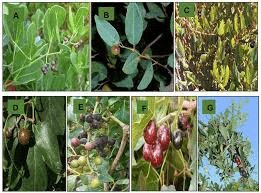
Rhoicissus digitata, commonly referred to as Baboon Grape, is a climbing shrub that belongs to the Vitaceae family. Native to various regions of Africa, this plant exhibits distinctive features that make it easily recognizable and valuable for both its ornamental and medicinal qualities.
Baboon Grape is a deciduous shrub that often takes on a vine-like growth habit. It has a tendency to climb on trees, fences, and other supporting structures using its specialized tendrils. These tendrils aid in anchoring the plant as it ascends, allowing it to reach considerable heights.
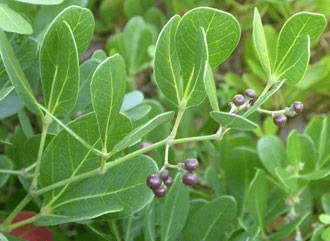
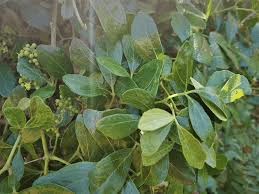
The leaves of Rhoicissus digitata are one of its most prominent features. They are heart-shaped, often with slightly serrated edges. The leaves are arranged alternately along the stems and possess a vibrant green color that adds to the plant’s aesthetic appeal.
The plant produces small, inconspicuous flowers that typically form clusters. These flower clusters emerge from the leaf axils, where the leaves meet the stem. While the flowers may not be showy, they play a vital role in the eventual formation of the plant’s fruit.
One of the standout features of Rhoicissus digitata is its fruit, which resembles small grapes. These round to slightly oval fruits are about the size of a marble and come in shades ranging from deep purple to black. The fruits grow in clusters and are known for their slightly sweet and tangy flavor.
The bark of Baboon Grape is often grayish-brown and becomes more textured and rugged as the plant matures. It is not a primary focus of the plant’s ornamental value, but it contributes to the overall appearance.
Rhoicissus digitata is commonly found in a variety of habitats, including woodlands, savannas, and rocky areas. It is a hardy plant that can thrive in both arid and subtropical climates. The plant’s native range includes countries across Africa, such as South Africa, Namibia, Botswana, and Zimbabwe.
Rhoicissus digitata holds cultural and medicinal importance in many African communities. The plant’s leaves, fruits, and other parts have been used traditionally to treat various health conditions, as it possesses a range of beneficial compounds with potential therapeutic properties.
Read Also: 12 Medicinal Health Benefits of Nerium (Nerium Oleander)
The Medicinal Health Benefits of Rhoicissus digitata (Baboon Grape)
1. Immune Boosting: Baboon Grape is loaded with vitamin C, an essential nutrient that enhances the immune system’s function. Regular consumption can help ward off infections and illnesses.
2. Digestive Aid: The leaves of Rhoicissus digitata have been traditionally used to alleviate digestive issues. They can ease indigestion, bloating, and constipation.
3. Anti-Inflammatory: This plant contains compounds with anti-inflammatory properties. It can be used to reduce inflammation in conditions like arthritis and sore muscles.
4. Antioxidant Powerhouse: Baboon Grape is rich in antioxidants like flavonoids and phenols. These antioxidants help neutralize harmful free radicals in the body, protecting cells from damage.
5. Heart Health: Compounds in Rhoicissus digitata may contribute to heart health by promoting healthy blood circulation and helping to lower blood pressure.
6. Skin Care: The plant’s extracts can be used topically to soothe skin irritations, rashes, and minor wounds. It possesses healing and anti-itch properties.
7. Bone Health: With its mineral content, particularly calcium, Baboon Grape can support bone health and aid in preventing conditions like osteoporosis.
8. Respiratory Relief: In some traditional practices, this plant has been used to alleviate symptoms of respiratory issues, including coughs and congestion.
9. Blood Sugar Regulation: Early research suggests that Baboon Grape may have a role in helping to regulate blood sugar levels, making it potentially beneficial for individuals with diabetes.
10. Anti-Anxiety: Certain compounds in Rhoicissus digitata are believed to have calming effects on the nervous system, which could help reduce anxiety and promote relaxation.
Read Also: 13 Medicinal Health Benefits of Basil (Ocimum Basillicum)
The Methods of Usage to Achieve the Provided Health Benefits of Rhoicissus digitata (Baboon Grape)
1. Herbal Tea: Prepare a herbal infusion by steeping dried Baboon Grape leaves in hot water. Strain and drink the tea to enjoy its immune-boosting and digestive benefits.
2. Topical Poultice: Crush fresh Baboon Grape leaves to create a poultice. Apply it to irritated skin to experience its soothing and healing properties.
3. Culinary Use: Consume the ripe fruits of Rhoicissus digitata directly. The antioxidant-rich fruits can be eaten as a snack or incorporated into recipes.
4. Dietary Supplements: Look for dietary supplements that contain Baboon Grape extract. These supplements may offer a convenient way to access the plant’s beneficial compounds.
5. Traditional Formulations: Explore traditional remedies that incorporate Baboon Grape as an ingredient. These formulations might include blends for respiratory support or blood sugar regulation.
6. Tinctures: Tinctures made from Baboon Grape leaves or other plant parts are another option. Tinctures can be added to water or other beverages for consumption.
7. Infused Oils: Create infused oils using Baboon Grape leaves. These oils can be used topically for skin care or massage, potentially leveraging the plant’s anti-inflammatory properties.
8. Culinary Additions: Experiment with incorporating Baboon Grape leaves into culinary dishes. They can be used to impart flavor and potential health benefits to various recipes.
9. Steam Inhalation: Inhale steam infused with Baboon Grape leaves to potentially ease respiratory discomfort and congestion.
10. Herbal Baths: Add Baboon Grape leaves or extracts to your bath for a soothing experience that might benefit the skin and provide relaxation.
The Side Effects of Using Rhoicissus digitata Medicinal Plant
1. Digestive Discomfort: Excessive consumption of Baboon Grape leaves or fruits could lead to digestive discomfort such as bloating, gas, or diarrhea.
2. Allergic Reactions: Individuals with known allergies to grapes or related plants may be at risk of allergic reactions when using Baboon Grape.
3. Interactions with Medications: Baboon Grape may interact with certain medications. If you’re taking prescription drugs, consult your healthcare provider before using this plant.
4. Pregnancy and Breastfeeding: Pregnant or breastfeeding individuals should exercise caution when using Baboon Grape, as its safety during these periods hasn’t been extensively studied.
5. Drug Interactions: Baboon Grape might interact with anticoagulant medications and drugs that affect blood sugar levels. Consult a healthcare professional if you’re on such medications.
6. Gastrointestinal Irritation: In some cases, the plant’s compounds may cause irritation to the gastrointestinal tract, particularly if consumed in large amounts.
7. Photosensitivity: Some individuals might experience photosensitivity when using Baboon Grape topically, leading to skin reactions when exposed to sunlight.
8. Hypotension: Baboon Grape’s potential to lower blood pressure might be problematic for individuals already on blood pressure-lowering medications.
9. Children and Infants: The safety of Baboon Grape for children and infants hasn’t been well established. It’s advisable to avoid using it in this population.
10. Hormonal Effects: Baboon Grape contains compounds that might have hormonal effects. Individuals with hormonal imbalances should approach its use cautiously.
Nutritional Value of Rhoicissus digitata (Baboon Grape)
1. Oleanolic Acid: Oleanolic acid is a triterpenoid compound isolated from the roots and fruits of Rhoicissus digitata, known for its anti-inflammatory and hepatoprotective properties, contributing to the plant’s use in traditional medicine for managing inflammation.
2. β-Sitosterol: This phytosterol, found in the roots, exhibits cholesterol-lowering effects and supports prostate health, making it a valuable component for cardiovascular and hormonal balance.
3. Quercetin: A flavonoid present in the fruits and roots, quercetin provides potent antioxidant activity, helping to reduce oxidative stress and potentially lowering the risk of chronic diseases.
4. (+)-Catechin: This flavonoid antioxidant in the plant offers anti-inflammatory benefits and supports cardiovascular health by improving vascular function and reducing free radical damage.
5. 12,13-Dehydrolupeol: A rare triterpene isolated from the roots, it contributes to the plant’s antimicrobial properties and has been newly identified in the Vitaceae family, aiding in infection prevention.
6. Selenium: The fruits are rich in selenium, an essential trace mineral that supports thyroid function, immune response, and antioxidant defense mechanisms in the body.
7. Iron: Present in the edible fruits, iron is crucial for hemoglobin formation and oxygen transport, helping to prevent anemia and support energy levels.
8. Zinc: The fruits provide zinc, which is vital for immune function, wound healing, and DNA synthesis, enhancing overall health and resistance to infections.
9. Manganese: Found in the fruits, manganese acts as a cofactor for enzymes involved in metabolism, bone formation, and antioxidant activity.
10. Carbohydrates: The fleshy purple fruits contain carbohydrates that serve as a natural energy source, contributing to their edibility and use in traditional diets for nutritional support.
Scientific Evidence and Case Studies on Rhoicissus digitata
1. Phytochemical Isolation: Bopape et al. (2021) isolated three triterpenes (12,13-dehydrolupeol, β-sitosterol, oleanolic acid) and two flavonoids ((+)-catechin, quercetin) from roots and fruits of Rhoicissus digitata, elucidating their structures via NMR and MS, highlighting chemotaxonomic links to Cissus genus and potential anti-inflammatory benefits (Bopape, F. B., et al., 2021, South African Journal of Botany, 137, 1-7).
2. Elemental Nutritional Analysis: Roshila Moodley. (2016) analyzed fruits of Rhoicissus digitata for essential elements, finding high selenium content and good sources of iron, zinc, and manganese compared to RDAs, with low toxic metals, supporting its role in addressing nutritional deficiencies (Mlambo, L., Koorbanally, N., & Moodley, R., 2016, Journal of Food and Nutrition Research, 4(1), 6-11).
3. Antimicrobial Activity: Motsei et al. (2003) tested methanolic leaf extracts of Rhoicissus digitata against Candida albicans and Saccharomyces cerevisiae, showing strong antifungal activity with inhibition zones >10 mm, validating traditional uses for infectious diseases (Motsei, M. L., et al., 2003, Journal of Ethnopharmacology, 86(2-3), 235-241).
4. Anti-inflammatory Potential: A review by Adebayo et al. (2021) summarized methanolic leaf extracts of Rhoicissus digitata exhibiting anti-inflammatory effects in preclinical models, attributed to flavonoids and triterpenes, supporting ethnomedicinal applications for pain and swelling (Adebayo, J. O., et al., 2021, Molecules, 26(8), 2306).
Frequently Asked Questions About Rhoicissus digitata
1. What is Rhoicissus digitata used for in traditional medicine?
It is used to treat gynaecological issues, epilepsy, gonorrhoea, and infections, with roots as a nerve stimulant and plant juice for wound dressing in southern African practices.
2. Are the fruits of Rhoicissus digitata edible?
Yes, the purple fruits are edible and consumed by locals, providing nutritional benefits like selenium and iron, and can be used to make jam.
3. Does Rhoicissus digitata have antimicrobial properties?
Studies show its extracts have strong activity against fungi like Candida albicans and bacteria such as Neisseria gonorrhoeae, supporting traditional uses for infections.
4. Can Rhoicissus digitata help with inflammation?
Its flavonoids and triterpenes exhibit anti-inflammatory effects in preclinical research, aligning with its use for pain and swelling in traditional remedies.
5. Is Rhoicissus digitata safe for consumption?
The fruits are safe with low toxic metal levels, but roots may be toxic in excess as seen in related species; consult a professional for medicinal use.
6. Where is Rhoicissus digitata native to?
It is indigenous to southern Africa, from South Africa’s Cape Province to Mozambique, thriving in riparian and coastal vegetation.
7. How is Rhoicissus digitata used ornamentally?
As a hardy evergreen climber, it is popular in gardens for covering fences or walls, with shiny hand-like leaves adding aesthetic value.
8. What are the nutritional benefits of Rhoicissus digitata fruits?
They are rich in selenium, iron, zinc, and manganese, offering potential to combat deficiencies and enhance food security in vulnerable communities.
Do you have any questions, suggestions, or contributions? If so, please feel free to use the comment box below to share your thoughts. We also encourage you to kindly share this information with others who might benefit from it. Since we can’t reach everyone at once, we truly appreciate your help in spreading the word. Thank you very much for your support and for sharing!
Disclaimer: This article is for educational and informational purposes only. The health benefits described are based on scientific research and traditional knowledge. They are not a substitute for professional medical advice, diagnosis, or treatment. Always consult a healthcare professional before using any herb or natural remedy for medical purposes.
Read Also: Introducing “Agric4Profit Paw-Paw Farm Set-Up”