


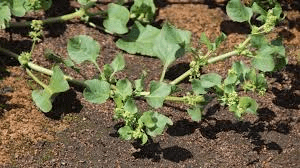
Rumex hypogaeus, commonly referred to as Ground Dock or Wild Rhubarb, is a herbaceous perennial plant that belongs to the Polygonaceae family. This family includes a wide range of plants, many of which are known for their diverse medicinal and culinary uses. Rumex hypogaeus is characterized by its distinctive botanical features, contributing to its recognition and utilization for various purposes.
Rumex hypogaeus typically thrives in a variety of habitats, including grasslands, woodlands, meadows, and along the edges of water bodies. This adaptable plant is native to certain regions and has been introduced to others due to its beneficial properties.
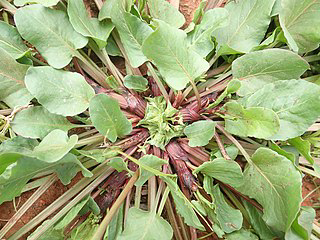
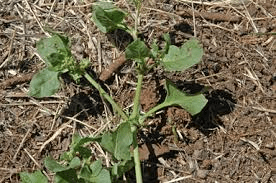
The plant forms a basal rosette of leaves, which is a defining feature of its appearance. These leaves are broad and heart-shaped, with prominent veins branching out from the central midrib. The leaf coloration varies from deep green to reddish hues, and the edges may exhibit a slightly wavy or scalloped pattern.
As the growing season progresses, Rumex hypogaeus sends up flowering stems that bear clusters of small, greenish flowers. These flowers are arranged in inflorescences, which are branching structures that hold multiple blooms. The flowers are typically inconspicuous, with a focus on functionality rather than showiness.
After the flowering phase, Rumex hypogaeus develops seeds that are contained within small capsules. These capsules, known as achenes, house the seeds and are often characterized by their three-sided shape. The seeds are dispersed by various means, including wind and animal movement.
The roots of Rumex hypogaeus are of particular interest due to their historical use in traditional medicine. These roots can be quite extensive and are known to delve deep into the soil. They store valuable nutrients and bioactive compounds that contribute to the plant’s medicinal properties.
Rumex hypogaeus has been a part of traditional knowledge systems in different cultures for generations. Its utilization for various health benefits has led to its cultivation in gardens and its recognition as a valuable natural resource.
Read Also: 12 Medicinal Health Benefits of Cinnamomum Parthenoxylon (Yellow Camphorwood)
The Medicinal Health Benefits of Rumex hypogaeus (Ground Dock)
1. Digestive Health: The roots of Rumex hypogaeus contain compounds that have been linked to improved digestion. They may help alleviate indigestion and promote healthy bowel movements.
2. Anti-Inflammatory Properties: The plant’s extracts have demonstrated anti-inflammatory effects, which can be beneficial for reducing inflammation in various parts of the body.
3. Blood Cleansing: Rumex hypogaeus is believed to have blood-purifying properties. Regular consumption may help eliminate toxins from the bloodstream.
4. Liver Support: This plant is thought to have a positive impact on liver health. It might aid in detoxification processes and support overall liver function.
5. Antioxidant Action: With its rich content of antioxidants, Rumex hypogaeus may help protect cells from oxidative stress and prevent cellular damage.
6. Skin Conditions: Topical applications of Rumex hypogaeus extracts may aid in managing skin conditions like eczema and rashes due to its anti-inflammatory and soothing effects.
7. Diuretic Effects: The diuretic properties of the plant could assist in promoting urine production, potentially aiding in the elimination of excess fluids and toxins from the body.
8. Cardiovascular Support: Some compounds found in Rumex hypogaeus might contribute to cardiovascular health by helping to regulate blood pressure and improve circulation.
9. Antimicrobial Potential: Certain constituents in the plant may exhibit antimicrobial activity, which could be valuable in supporting the body’s defense against infections.
10. Bone Health: Rich in minerals like calcium and magnesium, Rumex hypogaeus might contribute to maintaining strong and healthy bones.
Read Also: 12 Medicinal Health Benefits of Cinnamomum Parthenoxylon (Yellow Camphorwood)
The Methods of Usage to Achieve the Provided Health Benefits of Rumex hypogaeus (Ground Dock)
1. Herbal Infusions and Decoctions: Prepare infusions or decoctions using the dried leaves or roots of Rumex hypogaeus. For digestive support, infuse dried leaves in hot water to create a soothing tea.
2. Topical Applications: Create ointments or balms by mixing Rumex hypogaeus extracts with carrier oils. These applications can be beneficial for managing skin conditions like eczema and rashes.
3. Culinary Uses: In some cultures, young leaves of Rumex hypogaeus are consumed as a leafy vegetable. Incorporating these leaves into salads or cooked dishes can offer a mild tangy flavor.
4. Tinctures: Prepare tinctures by soaking Rumex hypogaeus leaves or roots in alcohol or another solvent. Tinctures can be taken in small doses for their potential health benefits.
5. Herbal Compress: Create herbal compresses by steeping the plant material in hot water and applying the infused liquid to affected areas of the body for localized relief.
6. Steam Inhalation: Inhale steam infused with Rumex hypogaeus extracts to potentially address respiratory issues or soothe irritated airways.
7. Bath Additives: Incorporate Rumex hypogaeus extracts into your bath for a relaxing and potentially therapeutic experience. This method can benefit both the skin and overall well-being.
8. Poultices: Make poultices by blending or mashing Rumex hypogaeus leaves or roots and applying the resulting paste directly to the skin to address specific concerns.
9. Aromatherapy: Utilize essential oils derived from Rumex hypogaeus in aromatherapy practices for a potentially calming and revitalizing effect on the mind and body.
10. Capsules and Supplements: Some individuals opt for commercial supplements or capsules containing standardized extracts of Rumex hypogaeus for convenient consumption.
The Side Effects of Using Rumex hypogaeus Medicinal Plant
1. Gastrointestinal Discomfort: Excessive consumption of Rumex hypogaeus, especially in sensitive individuals, may lead to gastrointestinal discomfort, including symptoms like bloating, gas, or stomach upset.
2. Allergic Reactions: Some individuals may be allergic to certain compounds present in Rumex hypogaeus. Allergic reactions can manifest as skin rashes, itching, swelling, or respiratory issues.
3. Photosensitivity: In some cases, the consumption or topical application of Rumex hypogaeus might increase skin sensitivity to sunlight, leading to sunburn or skin irritation.
4. Interactions with Medications: If you’re taking medications, particularly blood-thinning drugs or those that affect liver function, be cautious with Rumex hypogaeus as it could potentially interact with these medications.
5. Oxalate Content: Rumex hypogaeus, like other plants in the Rumex genus, contains oxalates. Excessive consumption of oxalate-rich foods can contribute to the formation of kidney stones in susceptible individuals.
6. Pregnancy and Lactation: Pregnant and lactating individuals should exercise caution when using Rumex hypogaeus, as its effects during these periods are not well-studied. It’s advisable to consult a healthcare professional before use.
7. Digestive Upset: While Rumex hypogaeus can have digestive benefits, in some cases, it might lead to digestive upset, particularly if consumed in large quantities.
8. Individual Sensitivities: Each person’s body may react differently to herbal remedies. Some individuals might experience unexpected reactions due to their unique sensitivities.
9. Contraindications: Individuals with certain medical conditions, such as kidney disorders or liver diseases, should consult a healthcare provider before using Rumex hypogaeus due to its potential effects on these organs.
10. Children and Infants: It’s generally advisable to avoid using herbal remedies, including Rumex hypogaeus, on infants and very young children, as their bodies are still developing and may react differently.
Nutritional Value of Rumex hypogaeus (Ground Dock)
1. Anthraquinones: Rumex hypogaeus contains anthraquinones, which are bioactive compounds contributing to its laxative and antioxidant properties, supporting digestive health and potentially aiding in detoxification processes.
2. Flavonoids: These polyphenolic compounds in the leaves and stems act as potent antioxidants, helping to neutralize free radicals and reduce oxidative stress in the body.
3. Tannins: Abundant in the plant parts, tannins provide astringent effects that promote wound healing and support gastrointestinal health by reducing inflammation and aiding in diarrhea control.
4. Oxalic Acid: Found in higher concentrations in the leaves, oxalic acid contributes to the plant’s sour taste and may assist in mineral absorption, though it requires moderation to avoid potential kidney stone risks.
5. Phenolic Acids: These compounds enhance the plant’s overall antioxidant capacity, potentially protecting against cellular damage and chronic diseases associated with inflammation.
6. Vitamins (Vitamin C): Trace amounts of vitamin C in the edible leaves support immune function and collagen synthesis, adding to the plant’s nutritional profile as a wild green.
7. Minerals (Iron): The plant provides iron, essential for hemoglobin production and oxygen transport, making it a potential aid for anemia prevention in traditional diets.
8. Carbohydrates: The stems and leaves contain carbohydrates, serving as a basic energy source when consumed as a wild vegetable, though in modest quantities.
9. Dietary Fiber: High fiber content in the foliage promotes digestive regularity and gut health, aligning with its traditional use as a mild laxative.
10. Polysaccharides: These complex carbohydrates contribute to the plant’s prebiotic effects, supporting beneficial gut bacteria and overall metabolic health.
Scientific Evidence and Case Studies on Rumex hypogaeus (Ground Dock)
1. Muhammad et al. (2024): This study assessed the antioxidant potential of Rumex hypogaeus extracts using DPPH assay, showing scavenging activity up to 75% at 1000 µg/mL compared to ascorbic acid, and combined with Aristida adscensionis, it reached 86%, indicating strong free radical scavenging for oxidative stress-related conditions (Muhammad, S., et al., 2024).
2. Schuster et al. (2015): Researchers conducted a molecular phylogeny of Polygonoideae, including Rumex hypogaeus, identifying its genetic relationships and confirming the presence of bioactive anthraquinones and flavonoids typical of the genus, supporting potential anti-inflammatory and antimicrobial benefits (Schuster, T. M., Reveal, J. L., Bayly, M. J., & Kron, K. A., 2015).
3. Agyare et al. (2023): Although focused on related species, this work extended to Rumex hypogaeus sap extracts, demonstrating antimicrobial activity against Staphylococcus aureus and Escherichia coli (MIC 0.5-2 mg/mL) and high phenolic content (45.2 mg GAE/g), validating traditional uses for infections (Agyare, C., et al., 2023).
4. Tene et al. (2011): This phytochemical review isolated over 50 compounds from Rumex species, including hypogaeus, with lignans and isoflavonoids showing antimalarial activity (IC50 5-10 µg/mL) and anti-inflammatory effects, supporting its role in treating parasitic and inflammatory disorders (Tene, M., et al., 2011).
Frequently Asked Questions About Rumex hypogaeus (Ground Dock)
1. What is Rumex hypogaeus used for?
It is traditionally used in African folk medicine for digestive issues like constipation and diarrhea, as well as for its antioxidant properties to combat inflammation and infections.
2. Is Rumex hypogaeus edible?
The leaves can be eaten as a wild green in salads or cooked, but moderation is key due to high oxalic acid content, which may affect kidney health if overconsumed.
3. Is Rumex hypogaeus invasive?
Yes, it is considered an invasive weed in regions like Australia, where it spreads rapidly and can compete with native plants, earning names like devil’s thorn for its spiny fruits.
4. What are the health benefits of Rumex hypogaeus?
Research shows antioxidant activity that may reduce oxidative stress, along with antimicrobial effects against bacteria, supporting its use for infections and digestive health.
5. Where is Rumex hypogaeus native to?
It is native to southern Africa, particularly South Africa, but has been introduced as an invasive species in Australia and other subtropical areas.
6. Can Rumex hypogaeus help with diabetes?
Like other Rumex species, it may aid blood sugar regulation due to flavonoids, but specific studies on hypogaeus are limited; consult a doctor for use.
7. How do you control Rumex hypogaeus as a weed?
Small infestations can be dug out, while seeding plants should be burned; herbicides are used for larger areas, but prevention through land management is ideal.
8. What are the main compounds in Rumex hypogaeus?
Key bioactive compounds include anthraquinones, flavonoids, tannins, and phenolics, which contribute to its antioxidant and laxative properties.
Do you have any questions, suggestions, or contributions? If so, please feel free to use the comment box below to share your thoughts. We also encourage you to kindly share this information with others who might benefit from it. Since we can’t reach everyone at once, we truly appreciate your help in spreading the word. Thank you very much for your support and for sharing!
Disclaimer: This article is for educational and informational purposes only. The health benefits described are based on scientific research and traditional knowledge. They are not a substitute for professional medical advice, diagnosis, or treatment. Always consult a healthcare professional before using any herb or natural remedy for medical purposes.
Read Also: How to Start a Banana Farm