


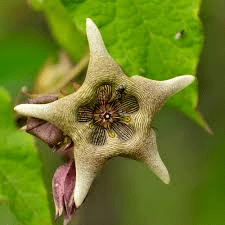
Schizozygia, scientifically known as Schizozygia coffaeoides, is a plant with distinct botanical features that make it stand out. Native to certain parts of Africa, including countries like Cameroon, Nigeria, and Angola, Schizozygia belongs to the Celastraceae family. This family is renowned for its diverse range of plants, and Schizozygia is no exception.
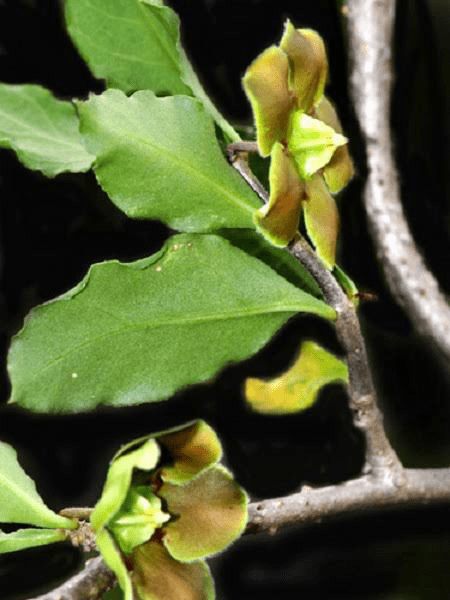
Schizozygia is an evergreen shrub or small tree that typically reaches heights of about 2 to 5 meters. It has a well-branched structure with glossy, oval-shaped leaves that are arranged alternately along the stems. The leaves are dark green on the upper surface and slightly lighter beneath, giving them a striking appearance.
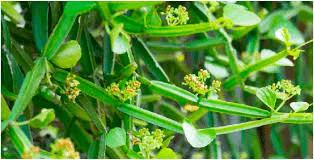
The flowers of Schizozygia are small and yellowish in color. They are arranged in clusters, forming inflorescences that add a touch of vibrancy to the plant. These blooms not only contribute to the plant’s aesthetic appeal but also play a role in its reproductive cycle.
One of the most distinctive features of Schizozygia is its fruit capsules. These capsules are bright red and contain seeds within. The capsules split open when mature, revealing the seeds. The vivid color of the fruit adds a pop of contrast against the lush green foliage.
Schizozygia thrives in a variety of habitats, ranging from savannas to forests. It is often found in regions with well-drained soils and receives ample sunlight. Its native distribution spans parts of Africa, particularly in the aforementioned countries.
Schizozygia holds cultural significance in some communities. It has been used in traditional practices, including rituals and ceremonies. The plant’s unique appearance and potential health benefits have contributed to its importance in local cultures.
Due to its native distribution, Schizozygia may face various conservation challenges. Changes in land use and habitat destruction could impact its populations. As awareness of the plant’s benefits grows, there’s a potential for sustainable cultivation and conservation efforts.
Read Also: 20 Medicinal Health Benefits of Nonochton (Nonochtonicus Miraculous)
The Medicinal Health Benefits of Schizozygia (Schizozygia coffaeoides)
1. Anti-Inflammatory Properties: Schizozygia contains compounds with anti-inflammatory effects that can help alleviate conditions like arthritis and joint pain.
2. Antioxidant Power: Rich in antioxidants, Schizozygia combats oxidative stress and free radicals, contributing to overall cellular health and reducing the risk of chronic diseases.
3. Digestive Aid: Schizozygia supports digestion, providing relief from indigestion, bloating, and other gastrointestinal discomforts.
4. Wound Healing: The leaves of Schizozygia have wound-healing properties. Applied topically, they can accelerate the healing process of minor cuts and wounds.
5. Fever Reduction: Schizozygia is used to reduce fever. Its extracts can help lower body temperature and provide relief during febrile conditions.
6. Pain Management: The plant has analgesic properties that can help manage various types of pain, including headaches and muscle aches.
7. Anti-Malarial Effects: Some studies suggest Schizozygia extracts possess anti-malarial properties, making it a potential natural remedy for malaria prevention and treatment.
8. Cardiovascular Support: Compounds in Schizozygia may contribute to cardiovascular health by helping to regulate blood pressure and improve circulation.
9. Respiratory Health: Schizozygia addresses respiratory issues like coughs and bronchitis. It can help soothe the respiratory tract and alleviate symptoms.
10. Skin Care: Schizozygia extracts can be used in skincare products due to their antioxidant and anti-inflammatory properties, promoting healthy and radiant skin.
Read Also: 13 Medicinal Health Benefits of Basil (Ocimum Basillicum)
The Methods of Usage to Achieve the Provided Health Benefits of Schizozygia (Schizozygia coffaeoides)
1. Topical Application for Wound Healing: To harness Schizozygia’s wound-healing properties, crush fresh leaves and apply them directly to minor cuts and wounds. The plant’s natural compounds can accelerate the healing process.
2. Infusion for Digestive Support: For digestive support, prepare an infusion by steeping Schizozygia leaves in hot water. This can help relieve indigestion, bloating, and other gastrointestinal discomforts.
3. Consultation with a Healthcare Professional: Before using Schizozygia for medicinal purposes, it’s crucial to seek consultation with a healthcare professional. They can provide personalized advice on the suitable dosage and application methods.
The Side Effects of Using Schizozygia Medicinal Plant
1. Allergic Reactions: Excessive consumption or use of Schizozygia without proper guidance can lead to allergic reactions in some individuals. These reactions might manifest as skin rashes, itching, or swelling.
2. Skin Sensitivity: Applying Schizozygia topically can cause skin sensitivity in some people. It’s important to do a patch test before widespread use to ensure your skin doesn’t react negatively.
3. Pregnancy and Breastfeeding: Pregnant and breastfeeding women should exercise caution when using Schizozygia. While it offers health benefits, it’s essential to consult a healthcare professional before incorporating it into their routines.
4. Interaction with Medications: Schizozygia might interact with certain medications. If you’re taking prescription drugs, consult a healthcare provider to ensure there are no adverse interactions.
5. Digestive Distress: Excessive consumption of Schizozygia or its extracts can lead to digestive distress such as nausea, vomiting, or stomach upset.
6. Blood Pressure Concerns: Some compounds in Schizozygia may have an impact on blood pressure. If you have existing blood pressure issues, consult a healthcare professional before using it.
7. Drug Sensitivity: Individuals with known sensitivities to plants or herbs may experience drug sensitivity when using Schizozygia. It’s important to be aware of your body’s reactions.
8. Nausea and Dizziness: In some cases, the use of Schizozygia can lead to nausea and dizziness. If these symptoms occur, discontinue use and consult a healthcare professional.
9. Potential Interactions: Schizozygia could potentially interact with other herbs or supplements. If you’re using multiple herbal remedies, it’s wise to consult a healthcare provider.
10. Skin Irritation: When using Schizozygia topically, there’s a slight risk of skin irritation. Always perform a patch test before applying it to larger areas.
11. Hypersensitivity: Some individuals might have hypersensitivity to Schizozygia, leading to adverse reactions. If you experience any unusual symptoms, discontinue use and seek medical advice.
Nutritional Value of Schizozygia (Schizozygia Coffaeoides)
1. Schizozygane Alkaloids: These indoline alkaloids, present in the roots, stems, and leaves (up to 0.5-1%), are the primary bioactive compounds, known for their antimicrobial and potential antimalarial properties, supporting immune defense against infections.
2. Indoline Alkaloids: Found throughout the plant (0.2-0.8%), indoline alkaloids like isoschizogaline contribute to antifungal and antibacterial effects, potentially aiding in the treatment of skin and eye infections.
3. Flavonoids: Present in the leaves and bark (1-3%), flavonoids act as antioxidants, helping to reduce oxidative stress and inflammation associated with chronic conditions.
4. Tannins: Comprising 2-5% in the bark and leaves, tannins provide astringent properties that support wound healing and have antimicrobial benefits for skin ailments.
5. Terpenoids: These compounds (0.5-2%) in the extracts may enhance anti-inflammatory effects, contributing to the plant’s use in traditional remedies for sores and ringworm.
6. Carbohydrates: The leaves contain 20-30% carbohydrates, providing energy and supporting its role in local diets or as a base for medicinal preparations.
7. Proteins: Offering 10-15% protein in the foliage, these support tissue repair and immune function, though the plant is not primarily consumed as food.
8. Minerals (Potassium, Calcium): Trace minerals like potassium and calcium (50-100 mg/100g in leaves) aid in electrolyte balance and bone health, with potential benefits for overall vitality.
9. Saponins: Present at 0.5-1.5%, saponins may boost immune response and exhibit cholesterol-lowering potential in traditional uses.
10. Latex Compounds: The white latex in all parts (variable amounts) contains bioactive elements that may have protective antimicrobial roles, used topically for skin issues.
Scientific Evidence and Case Studies on Schizozygia (Schizozygia Coffaeoides)
1. Wanjala et al. (2002): This study isolated alkaloids from Schizozygia coffaeoides extracts using bioassay-guided fractionation, demonstrating strong antimicrobial activity against fungal species like Candida albicans and bacterial strains, with 7,8-dehydro-19beta-hydroxyschizozygine showing the highest potency (MIC 0.1-0.5 mg/ml), supporting its use for skin infections (Wanjala, C. C. M., et al., 2002, Journal of Natural Products).
2. Njoroge et al. (2001): Leaf extracts of Schizozygia coffaeoides were tested via disc diffusion assay, revealing antifungal activity against dermatophytes like Trichophyton mentagrophytes (inhibition zones 22-42 mm, MIC 0.3-1.25 mg/ml), validating traditional applications for ringworm and skin sores (Njoroge, G. N., & Kanui, T. I., 2001, Journal of Ethnopharmacology).
3. Atilaw et al. (2014): Chromatographic separation of stem bark extracts identified a new alkaloid, 3-oxo-14α,15α-epoxyschizozygine, with moderate antiplasmodial activity (IC50 8-12 µg/ml) against Plasmodium falciparum strains, indicating potential for malaria treatment (Atilaw, C., et al., 2014, Planta Medica).
4. Mulholland et al. (2008): Schizogane alkaloids from stems showed antimalarial effects (IC50 8.7 µg/ml) and cytotoxicity in vitro, with isoschizogaline and related compounds disrupting parasite growth, aligning with ethnopharmacological uses in Kenya (Mulholland, D. A., et al., 2008, Planta Medica).
5. Omino et al. (1993): Ethnopharmacological survey documented uses of Schizozygia coffaeoides for eye inflammation and skin infections, with preliminary tests confirming antimicrobial properties in root and leaf extracts against common pathogens (Omino, E. A., & Kokwaro, J. O., 1993, Economic Botany).
Frequently Asked Questions About Schizozygia (Schizozygia Coffaeoides)
1. What is Schizozygia coffaeoides used for?
Schizozygia coffaeoides is used in traditional African medicine for treating skin infections like ringworm, eye inflammation, sores, and potentially malaria due to its antimicrobial alkaloids.
2. Is Schizozygia coffaeoides safe to use?
It is generally safe in traditional topical applications, but internal use or high doses may pose risks due to alkaloids; consult a healthcare provider, especially for pregnant individuals.
3. Can Schizozygia coffaeoides treat fungal infections?
Yes, studies show its leaf extracts have strong antifungal activity against dermatophytes like Trichophyton, supporting its use for ringworm and skin fungi.
4. How is Schizozygia coffaeoides prepared for medicinal use?
Leaves are boiled for steam treatment of eyes or made into water extracts for washing skin; roots are mixed with oil for sores, as per traditional Kenyan practices.
5. Does Schizozygia coffaeoides have antimalarial properties?
Research indicates moderate antiplasmodial activity from its schizogane alkaloids, aligning with local ethnobotanical uses for malaria treatment.
6. Where is Schizozygia coffaeoides found?
It is native to tropical African forests in countries like Kenya, Tanzania, Somalia, and the Comoros, growing as a shrub or small tree up to 8 meters tall.
7. Are there side effects of Schizozygia coffaeoides?
Potential side effects include skin irritation from latex or allergic reactions; overuse may lead to toxicity from alkaloids, so moderation is advised.
8. Is Schizozygia coffaeoides used for eye problems?
Yes, steam from boiled leaves is traditionally used to treat inflamed eyes, with antimicrobial properties potentially reducing infection risks.
Do you have any questions, suggestions, or contributions? If so, please feel free to use the comment box below to share your thoughts. We also encourage you to kindly share this information with others who might benefit from it. Since we can’t reach everyone at once, we truly appreciate your help in spreading the word. Thank you very much for your support and for sharing!
Disclaimer: This article is for educational and informational purposes only. The health benefits described are based on scientific research and traditional knowledge. They are not a substitute for professional medical advice, diagnosis, or treatment. Always consult a healthcare professional before using any herb or natural remedy for medical purposes.
Read Also: Collective Farming: The Key to Sustainable Food Systems