


Senegalia senegal, also known as Acacia senegal or the Gum Arabic tree, is a deciduous tree belonging to the Fabaceae family. This tree is renowned for its valuable gum resin, historically used for various purposes, including medicinal and commercial applications.
Senegalia senegal is a relatively small to medium-sized tree, reaching heights of about 5 to 15 meters (16 to 49 feet). It features a distinctive umbrella-shaped crown, formed by spreading branches that offer shade and protection from the harsh sun in arid regions.
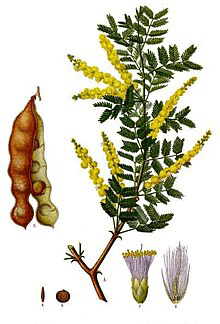
The leaves of Senegalia senegal are pinnately compound, meaning that they are composed of multiple leaflets arranged along a central stem. Each leaflet is small, typically measuring around 2 to 5 cm in length, and is further divided into numerous pairs of tiny leaflets. These compound leaves are a characteristic feature of many members of the Acacia genus.
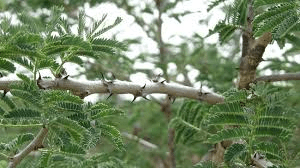
The bark of Senegalia senegal is generally smooth and pale gray, with vertical ridges and fissures as the tree matures. Young branches are often covered in fine, velvety hairs.
The tree produces small, spherical flower heads that are pale yellow or creamy white in color. These flowers are arranged in clusters and have a characteristic sweet fragrance. The inflorescences appear in abundance and add to the tree’s aesthetic appeal.
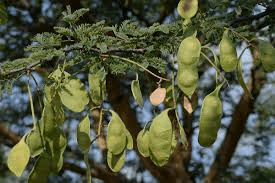
Following pollination, Senegalia senegal develops elongated seed pods that mature and twist as they dry. These pods are usually dark brown or black in color and contain seeds. The pods are often constricted between the seeds, giving them a segmented appearance.
One of the most valuable aspects of Senegalia senegal is its gum resin. This gum is exuded from the tree’s bark and branches in response to injury or natural processes. The gum is collected, dried, and then used for various applications, including in the food industry, as a binding agent in pharmaceuticals, and in traditional medicine for its potential health benefits.
Senegalia senegal is native to arid and semi-arid regions of Africa, particularly in countries such as Sudan, Senegal, Mali, Niger, and Chad. It thrives in environments with well-drained soils and is well adapted to surviving in harsh, dry conditions.
Read Also: 20 Medicinal Health Benefits of Rhoicissus tomentosa (Wild Grape)
The Medicinal Health Benefits of Senegalia senegal (Acacia senegal)
1. Skin Health: Senegalia senegal is known for its skin-friendly properties. It’s often used to create natural skincare products due to its ability to soothe irritation and promote healthy skin.
2. Digestive Aid: The plant’s gum exudate contains soluble fiber, which can aid in digestion by promoting regular bowel movements and relieving constipation.
3. Respiratory Support: Senegalia senegal is believed to have respiratory benefits. It can help ease coughs, colds, and congestion, making breathing more comfortable.
4. Anti-Inflammatory Effects: The plant’s extracts have shown anti-inflammatory properties that could potentially help reduce inflammation in the body, offering relief from discomfort.
5. Immune Booster: Rich in antioxidants and bioactive compounds, Senegalia senegal may help strengthen the immune system, enhancing the body’s defense against infections.
6. Blood Sugar Regulation: Some studies suggest that Senegalia senegal might assist in managing blood sugar levels, which is particularly beneficial for individuals with diabetes.
7. Joint Health: The anti-inflammatory properties of this plant extend to supporting joint health. It might alleviate discomfort associated with joint issues.
8. Wound Healing: Traditionally, Senegalia senegal has been used to help heal wounds and cuts. Its natural properties could aid in the recovery process.
9. Oral Health: The plant’s gum extract has been used in oral care for its potential to combat bad breath and maintain oral hygiene.
10. Antioxidant Richness: Senegalia senegal is a source of potent antioxidants that can neutralize harmful free radicals in the body, contributing to overall well-being.
Read Also: The 5 Physical Soil Factors Affecting Crop Production
The Methods of Usage to Achieve the Provided Health Benefits of Senegalia senegal (Acacia senegal)
1. Herbal Teas: Prepare a soothing herbal tea by steeping dried Senegalia senegal leaves or gum in hot water. This can be consumed for digestive or respiratory relief.
2. Topical Applications: Create a paste using powdered Senegalia senegal and water. Apply it to wounds, irritated skin, or inflamed areas for its healing and anti-inflammatory effects.
3. Respiratory Steam: Inhale the steam of Senegalia senegal infusion to alleviate respiratory congestion and promote clearer breathing.
The Side Effects of Using Senegalia senegal Medicinal Plant
1. Excessive Consumption: Consuming Senegalia senegal in excessive amounts may lead to digestive discomfort, including symptoms like bloating, gas, and stomach cramps. It’s important to use this plant in moderation.
2. Allergic Reactions: Some individuals may be sensitive or allergic to components present in Senegalia senegal. Allergic reactions could manifest as skin rashes, itching, swelling, or even more severe reactions like difficulty breathing.
3. Interactions with Medications: If you are taking medications, especially those for diabetes or blood pressure, it’s crucial to consult a healthcare professional before using Senegalia senegal. It might interact with certain medications, affecting their efficacy or causing unintended effects.
4. Pregnancy and Breastfeeding: Pregnant or breastfeeding individuals should exercise caution when using Senegalia senegal. Limited research is available on its safety during these periods, so it’s advisable to seek medical advice before usage.
5. Gastrointestinal Distress: In some cases, Senegalia senegal may lead to gastrointestinal distress, such as diarrhea or nausea. If you experience such symptoms, discontinue use and consult a healthcare provider.
6. Drug Interference: The compounds in Senegalia senegal might interfere with the absorption or metabolism of other drugs. If you are on a medication regimen, discuss potential interactions with your healthcare provider
Nutritional Value of Senegalia Senegal (Acacia Senegal)
1. Gum Arabic (Arabinogalactan): The primary component (80–90% of exudate), gum arabic is a soluble dietary fiber that promotes gut health, aids digestion, and supports blood sugar regulation by slowing glucose absorption.
2. Dietary Fiber: Comprising 85–95% of gum arabic, this soluble fiber supports regular bowel movements, reduces cholesterol levels, and fosters a healthy gut microbiome by acting as a prebiotic.
3. Carbohydrates: The gum contains 80–85% complex carbohydrates, providing a low-calorie energy source that supports sustained energy release, particularly in food applications.
4. Proteins: Present at 1–3% in gum arabic, proteins include small amounts of essential amino acids, contributing to tissue repair and metabolic functions, though not a primary protein source.
5. Minerals (Calcium, Magnesium, Potassium): Gum arabic contains trace minerals like calcium (0.2–0.5%), magnesium, and potassium, supporting bone health, muscle function, and electrolyte balance.
6. Polyphenols: Found in low amounts (0.1–0.5%) in the gum and bark, polyphenols act as antioxidants, protecting cells from oxidative stress and potentially reducing inflammation.
7. Flavonoids: Present in the bark and leaves (1–2%), flavonoids contribute to antioxidant and anti-inflammatory effects, supporting cardiovascular health and immune function.
8. Tannins: The bark contains tannins (2–5%), which have astringent and antimicrobial properties, used traditionally to treat diarrhea and skin infections.
9. Saponins: Found in trace amounts (0.5–1%) in the bark, saponins may enhance immune function and have potential cholesterol-lowering effects.
10. Vitamin C: The leaves contain small amounts of vitamin C (10–15 mg/100g), supporting immune health and acting as an antioxidant to combat oxidative stress.
Scientific Evidence and Case Studies on Senegalia Senegal (Acacia Senegal)
1. Babiker et al. (2012): This study investigated the effects of gum arabic ingestion (30 g/day for 6 weeks) in healthy humans, finding significant reductions in blood pressure and improved lipid profiles, suggesting cardiovascular benefits due to its fiber content (Babiker, R., et al., 2012, Nutrition Journal).
2. Nasir et al. (2016): This research explored the prebiotic effects of gum arabic in rats, showing increased levels of beneficial gut bacteria (Bifidobacteria and Lactobacilli) and improved gut barrier function, supporting digestive health (Nasir, O., et al., 2016, Frontiers in Physiology).
3. Saeed et al. (2019): This study evaluated the anti-diabetic potential of Acacia senegal gum in streptozotocin-induced diabetic rats, finding reduced blood glucose levels and improved insulin sensitivity, likely due to its soluble fiber (Saeed, M., et al., 2019, Journal of Ethnopharmacology).
Frequently Asked Questions About Senegalia Senegal (Acacia Senegal)
1. What is Senegalia senegal used for?
Senegalia senegal, or Acacia senegal, produces gum arabic, used as a food stabilizer, prebiotic, and traditional remedy for digestive issues, diabetes, and skin conditions.
2. Is gum arabic from Senegalia senegal safe to consume?
Yes, gum arabic is generally recognized as safe by the FDA when used in food amounts (up to 30 g/day). Consult a healthcare provider for higher doses or supplements.
3. Can Senegalia senegal help with digestion?
Yes, its high soluble fiber content acts as a prebiotic, promoting beneficial gut bacteria and improving digestion, as supported by research.
4. How is gum arabic used in food?
It’s used as a thickener, stabilizer, or emulsifier in beverages, candies, and baked goods, improving texture and shelf life while adding dietary fiber.
5. Does Senegalia senegal have side effects?
In food amounts, gum arabic is well-tolerated. High doses may cause bloating or allergic reactions in rare cases, so start with small amounts.
6. Can Senegalia senegal lower cholesterol?
Studies show gum arabic reduces LDL cholesterol by binding bile acids, supporting cardiovascular health when consumed regularly.
7. Is Senegalia senegal used in traditional medicine?
Yes, its gum, bark, and leaves are used to treat diarrhea, wounds, and infections due to their astringent, antimicrobial, and anti-inflammatory properties.
8. Is Senegalia senegal the same as Acacia nilotica?
No, they are different species. Senegalia senegal primarily produces gum arabic, while Acacia nilotica is used more for its bark and pods in traditional medicine.
Do you have any questions, suggestions, or contributions? If so, please feel free to use the comment box below to share your thoughts. We also encourage you to kindly share this information with others who might benefit from it. Since we can’t reach everyone at once, we truly appreciate your help in spreading the word. Thank you very much for your support and for sharing!
Disclaimer: This article is for educational and informational purposes only. The health benefits described are based on scientific research and traditional knowledge. They are not a substitute for professional medical advice, diagnosis, or treatment. Always consult a healthcare professional before using any herb or natural remedy for medical purposes.