


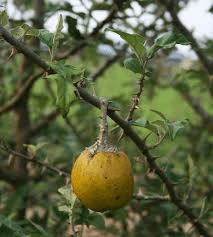
Solanum aculeastrum, commonly known as Sodom Apple or Tinderbox Berry, is a perennial shrub that belongs to the Solanaceae family. This fascinating plant is native to various regions in Africa and has garnered attention due to its unique botanical features and traditional medicinal uses.
Solanum aculeastrum typically reaches a height of up to two meters. Its growth habit is characterized by a branching structure with thorny stems, giving the plant a defensive mechanism against herbivores. The leaves of this plant are alternate, simple, and ovate to lanceolate in shape, showcasing a dark green color.
The plant produces striking flowers that are often white to pale violet in color. These flowers have a characteristic star-shaped pattern with five petals and a prominent central stamen. The flowers are arranged in clusters and give way to the development of the plant’s distinctive fruits.
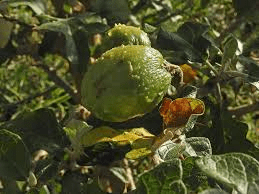
The fruits of Solanum aculeastrum are small, round berries that measure around 1 to 1.5 centimeters in diameter. They have a smooth outer skin that can vary in color from green to yellow as they ripen. These berries contain seeds and are known for their bitter taste and toxicity, especially when unripe.
Solanum aculeastrum thrives in a variety of habitats, ranging from grasslands to woodlands and even disturbed areas. It is well-adapted to different soil types and can tolerate varying moisture levels. This adaptability has contributed to its distribution across different regions in Africa.
The ethnobotanical significance of Solanum aculeastrum is evident through its historical uses in traditional medicine. Various parts of the plant, including the leaves, roots, and fruits, have been employed to address a range of health concerns. The plant’s traditional uses include pain relief, wound healing, fever management, and respiratory support.
The conservation status of Solanum aculeastrum may vary depending on its specific location and regional factors. As with many plant species, habitat destruction and overexploitation can pose threats to its populations. Conservation efforts are crucial to ensure the preservation of this valuable plant and its potential contributions to both traditional medicine and ecological balance.
Read Also: 13 Medicinal Health Benefits of Basil (Ocimum Basillicum)
The Medicinal Health Benefits of Solanum aculeastrum (Sodom Apple)

1. Pain Relief: The leaves and roots of Solanum aculeastrum have been used to alleviate pain. They contain compounds that have analgesic properties, making them effective for reducing discomfort from various ailments.
2. Anti-Inflammatory: This plant exhibits anti-inflammatory effects, which can help in reducing inflammation-related issues such as arthritis and joint pain.
3. Antioxidant Boost: The fruits of Solanum aculeastrum are rich in antioxidants like vitamin C and flavonoids. These antioxidants combat harmful free radicals, promoting overall health and possibly reducing the risk of chronic diseases.
4. Respiratory Support: In traditional medicine, this plant has been used to treat respiratory conditions like asthma and bronchitis. Its anti-inflammatory and expectorant properties may help ease breathing difficulties.
5. Digestive Aid: Solanum aculeastrum has been used to address digestive problems. It is believed to stimulate digestion and alleviate issues like indigestion and bloating.
6. Wound Healing: Extracts from the plant’s leaves and stems have shown potential in aiding wound healing. They could accelerate the recovery process and prevent infections.
7. Fever Management: Some traditional practices involve using Solanum aculeastrum to manage fever. It may help in reducing fever and promoting comfort during illnesses.
8. Skin Health: Applied topically or consumed internally, the plant may contribute to healthier skin. It could be used to address skin conditions like eczema or acne due to its anti-inflammatory properties.
9. Diuretic Properties: The plant’s diuretic effects could be beneficial for promoting urine flow and supporting kidney health.
10. Anti-parasitic: Traditional uses suggest that Solanum aculeastrum has anti-parasitic properties, which could be useful in treating certain types of parasitic infections.
Read Also: 14 Medicinal Health Benefits of Fennel Flower (Nigella Sativa)
The Methods of Usage to Achieve the Provided Health Benefits of Solanum aculeastrum (Sodom Apple)
1. Infusions: Prepare a tea by steeping dried leaves or fruits of Solanum aculeastrum in hot water. This infusion can be consumed to harness various health benefits.
2. Topical Applications: Create poultices or ointments from crushed leaves or stems of the plant. Apply these directly to wounds, skin conditions, or areas of inflammation to benefit from their medicinal properties.
3. Ingestion: In some cultures, the ripe fruits of Solanum aculeastrum are consumed in controlled amounts for their therapeutic effects. However, always consult a healthcare professional before ingesting any part of the plant.
The Side Effects of Using Solanum aculeastrum Medicinal Plant
1. Toxicity: The plant contains toxic compounds, especially in its unripe fruits. Overconsumption or incorrect preparation can lead to adverse effects on health.
2. Allergic Reactions: Some individuals may be sensitive to Solanum aculeastrum and could experience allergic reactions when using or coming into contact with the plant.
3. Gastrointestinal Distress: Ingesting excessive amounts of Solanum aculeastrum, particularly its unripe or raw parts, may result in gastrointestinal discomfort, nausea, vomiting, or diarrhea.
4. Skin Irritation: Direct contact with the plant’s thorny stems or certain parts of the plant could cause skin irritation, redness, or rash in sensitive individuals.
5. Cardiovascular Effects: High consumption of toxic compounds present in the plant may potentially have adverse effects on the cardiovascular system, leading to irregular heartbeats or fluctuations in blood pressure.
6. Central Nervous System Effects: The toxic constituents in Solanum aculeastrum could potentially affect the central nervous system, leading to symptoms like dizziness, confusion, or headaches.
7. Respiratory Distress: Inhaling or ingesting certain parts of the plant may irritate the respiratory system and lead to breathing difficulties in susceptible individuals.
8. Interaction with Medications: Solanum aculeastrum may interact with certain medications or medical conditions. If you’re under medication or have pre-existing health conditions, consult a healthcare professional before using the plant for any purpose.
Nutritional Value of Solanum Aculeastrum (Sodom Apple)
1. Steroidal Glycoalkaloids (Solamargine, Solasonine): Present at 0.5–2% in berries, these compounds have antibacterial, antifungal, and anticancer properties but are toxic in high doses, limiting their nutritional use and requiring caution.
2. Flavonoids: Found in fruits and leaves (1–3%), flavonoids like quercetin provide antioxidant effects, helping to reduce oxidative stress and inflammation, potentially supporting cardiovascular health.
3. Vitamin C: The ripe yellow fruits contain moderate vitamin C (10–20 mg/100g), supporting immune function and acting as an antioxidant, though the fruit’s toxicity restricts consumption.
4. Saponins: Present at 1–3% in fruits and leaves, saponins contribute to the plant’s detergent-like properties and may have antimicrobial and immune-boosting effects, though not a primary nutrient source.
5. Phenolic Compounds: Comprising 0.5–2% in leaves and berries, phenolics offer antioxidant and anti-inflammatory benefits, potentially aiding in chronic disease prevention when used in controlled medicinal applications.
6. Carbohydrates: The leaves and fruits contain 15–25% carbohydrates, primarily polysaccharides, which provide energy but are rarely consumed due to the plant’s toxicity and bitter taste.
7. Proteins: Offering 5–10% crude protein in the foliage, these support tissue repair, but the plant is not a dietary staple due to its medicinal focus and toxic components.
8. Minerals (Calcium, Potassium): Trace amounts of calcium and potassium (50–100 mg/100g in leaves) support bone health and electrolyte balance, though not significant in typical use.
9. Tannins: Present at 2–5% in leaves, tannins provide astringent and antimicrobial properties, aiding in wound healing and digestive health in traditional remedies.
10. Fatty Acids (Myristic, Nervonic): Found in trace amounts (0.1–0.5%) in berries, these contribute to antimicrobial activity but are not nutritionally significant due to limited consumption.
Solanum aculeastrum is primarily a medicinal plant rather than a food source due to its high solanine content, which is toxic, especially in unripe green berries. Its nutritional components are secondary to its therapeutic applications in African traditional medicine.
Scientific Evidence and Case Studies on Solanum Aculeastrum (Sodom Apple)
1. Koduru et al. (2007): A methanol extract of Solanum aculeastrum fruits showed cytotoxicity against MCF-7 breast cancer cells (IC50 17.8 µg/mL), attributed to steroidal alkaloids like solamargine, supporting its traditional use for cancer treatment (Koduru, S., et al., 2007, Pharmaceutical Biology).
2. Amer et al. (2024): Ethanolic fruit extracts, especially after 5 kGy gamma irradiation, exhibited increased phenolic and flavonoid content, with strong antimicrobial activity against MRSA (MIC 0.5–1 mg/mL) and cytotoxicity against A431 and Hct-116 cancer cell lines, suggesting potential for skin infection and cancer therapies (Amer, A. A., et al., 2024, Scientific Reports).
3. Wanyonyi et al. (2003): Isolated triglycoside steroidal alkaloids from berries showed antibacterial activity against gram-positive bacteria (MIC 0.03–0.1 mg/mL), validating traditional uses for wounds and infections (Wanyonyi, A. W., et al., 2003, Phytochemistry).
Frequently Asked Questions About Solanum Aculeastrum (Sodom Apple)
1. What is Solanum aculeastrum used for?
It’s used in African traditional medicine to treat infections, wounds, toothaches, ringworm, jigger infestations, and stomach issues; the fruit is also used as a soap substitute due to its saponin content.
2. Is Solanum aculeastrum safe to consume?
The fruit is toxic, especially when unripe, due to high solanine levels; it should not be consumed. Medicinal use of leaves or roots requires caution and professional guidance.
3. Can Solanum aculeastrum treat infections?
Yes, studies show its extracts have antibacterial and antifungal properties, effective against pathogens like Staphylococcus aureus, supporting its use for skin infections and wounds.
4. How is Solanum aculeastrum prepared for medicinal use?
Leaves and roots are boiled into decoctions for oral or topical use, or fruit pulp is applied to wounds and teeth; roots are chewed for stomach pain relief.
5. Does Solanum aculeastrum have anticancer properties?
Research indicates fruit extracts, particularly solamargine, show cytotoxicity against cancer cell lines like MCF-7, supporting traditional cancer treatment claims.
6. Where is Solanum aculeastrum found?
Native to tropical Africa, from East Africa to South Africa, it grows in grasslands, woodlands, and disturbed areas, often as a hedge due to its thorny nature.
7. Are there side effects of using Solanum aculeastrum?
Toxicity from solanine in berries can cause nausea, vomiting, or worse if ingested; topical use may cause skin irritation in sensitive individuals.
8. Can Solanum aculeastrum be used for skin conditions?
Yes, its anti-inflammatory and antimicrobial properties make it effective for treating acne, ringworm, and jigger wounds in traditional practices.
Do you have any questions, suggestions, or contributions? If so, please feel free to use the comment box below to share your thoughts. We also encourage you to kindly share this information with others who might benefit from it. Since we can’t reach everyone at once, we truly appreciate your help in spreading the word. Thank you very much for your support and for sharing!
Disclaimer: This article is for educational and informational purposes only. The health benefits described are based on scientific research and traditional knowledge. They are not a substitute for professional medical advice, diagnosis, or treatment. Always consult a healthcare professional before using any herb or natural remedy for medical purposes.
Read Also: 7 Amazing Health Benefits of Cherries