


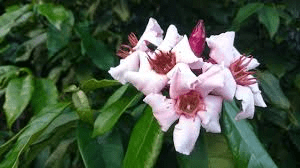
Strophanthus Eminii, an intriguing plant with a rich history in traditional medicine, captivates not only with its medicinal potential but also with its unique botanical features. Let’s delve into its description, from its appearance to its common name.
Strophanthus Eminii is commonly known as “Emin’s Climbing Oleander” or “Bushman’s Poison Rope” in English. These names offer insights into its uses and characteristics.
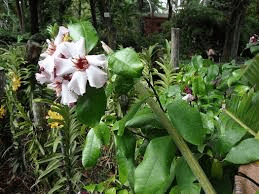
Strophanthus Eminii is a perennial woody vine that belongs to the Apocynaceae family. This family is renowned for its diverse range of plants, some of which have significant medicinal properties. Here’s a closer look at the plant’s distinct traits:
The leaves of Strophanthus Eminii are opposite, meaning they grow in pairs along the stem. They are typically lanceolate or elliptical in shape, with a glossy green surface.
One of the standout features of this plant is its vibrant flowers. The flowers are tubular and bell-shaped, with a yellow hue that brightens the landscape. These blooms have an alluring fragrance that can attract pollinators.
The seeds of Strophanthus Eminii are of particular interest due to their historical use in traditional medicine. These seeds are large and possess a flattened, wing-like structure that aids in their dispersal by the wind.
Strophanthus Eminii is native to various regions in Africa, including countries like Nigeria, Cameroon, and Sudan. It thrives in tropical and subtropical climates, often found in forests, savannas, and thickets. Its adaptability to different habitats showcases its resilience as a species.
The indigenous peoples of Africa have a longstanding relationship with Strophanthus Eminii. They’ve harnessed its potent properties for traditional medicinal purposes, particularly in treating heart ailments. The plant’s latex and extracts have been used to prepare remedies for centuries, highlighting its importance in local healing practices.
As with many plants of medicinal significance, the increased demand for Strophanthus Eminii due to its medicinal properties has raised concerns about its conservation status. Overharvesting and habitat loss threaten the survival of this plant in its natural habitat. Therefore, sustainable harvesting practices and conservation efforts are crucial to ensure the plant’s longevity and availability for future generations.
Read Also: 16 Medicinal Health Benefits of Ylang-ylang (Cananga Odorata)
The Medicinal Health Benefits of Strophanthus eminii (Emin’s Climbing Oleander)

1. Cardiovascular Support: Strophanthus Eminii contains cardiac glycosides that can regulate heart rate and improve circulation, contributing to overall cardiovascular health.
2. Blood Pressure Regulation: The vasodilatory properties of Strophanthus Eminii’s compounds may help lower blood pressure by widening blood vessels.
3. Digitalis Alternative: With cardiac-stimulating properties similar to Digitalis, Strophanthus Eminii can be used as an alternative heart medication.
4. Congestive Heart Failure Management: Studies suggest that extracts from Strophanthus Eminii might assist in managing symptoms of congestive heart failure, including fluid retention.
5. Antiarrhythmic Effects: The cardiac glycosides present in the plant could aid in regulating irregular heart rhythms.
6. Pain Relief: Traditionally used for pain relief, Strophanthus Eminii might alleviate discomfort caused by conditions like rheumatism and arthritis.
7. Respiratory Support: The potential bronchodilator effects of the plant’s extracts could offer support for respiratory conditions.
8. Antioxidant Properties: Certain compounds in Strophanthus Eminii act as antioxidants, protecting cells from oxidative stress and potential damage.
9. Digestive Aid: In some cultures, Strophanthus Eminii has been used to address digestive discomfort and improve appetite.
10. Anxiety and Nervousness Relief: Traditional practices have employed Strophanthus Eminii to alleviate symptoms of anxiety and nervousness, possibly due to its calming effects.
Read Also: 15 Medicinal Health Benefits of Salix mucronata (Willow Tree)
The Methods of Usage to Achieve the Provided Health Benefits of Strophanthus eminii (Emin’s Climbing Oleander)
1. Tinctures and Extracts: One of the common methods of utilizing Strophanthus eminii is by preparing tinctures or extracts from its seeds. These extracts can be added to a carrier liquid, such as alcohol or glycerin, and consumed in controlled doses. Tinctures are valued for their concentrated form, making it easier to manage dosage.
2. Infusions: Infusions are prepared by steeping Strophanthus eminii leaves or seeds in hot water. This method helps release the plant’s active compounds, which can then be consumed as an herbal tea. It’s important to note that infusions should be prepared carefully, as excessive consumption might lead to adverse effects.
3. Poultices: For localized benefits, poultices can be made using crushed Strophanthus eminii leaves or seeds. The paste-like mixture is applied directly to the skin over the affected area. This method is often used to address skin conditions or minor injuries.
4. Oral Consumption: In some traditional practices, the seeds of Strophanthus eminii are consumed orally. However, this method requires careful dosage control due to the potency of the plant’s compounds. Consultation with a healthcare professional is strongly advised before considering this approach.
5. Oil Infusions: Extracting the beneficial compounds of Strophanthus eminii into carrier oils creates infused oils. These oils can be used for massage or topical application, providing a way to enjoy the plant’s benefits externally.
6. Supplements: Commercially available supplements that contain standardized Strophanthus eminii extracts offer a convenient way to incorporate the plant’s health benefits into your routine. Always follow the recommended dosage instructions.
7. Steam Inhalation: Inhaling the steam from an infusion of Strophanthus eminii can be used to address respiratory issues. This method allows the active compounds to be absorbed through the respiratory system.
8. External Wash: Preparing a diluted solution of Strophanthus eminii extract and using it as a wash can be beneficial for certain skin conditions or irritations.
9. Compresses: Soaked cloths or compresses infused with Strophanthus eminii extract can be applied to specific areas of the body to provide targeted relief.
10. Consultation with Experts: Due to the potency of Strophanthus eminii, it’s crucial to consult with trained herbalists or healthcare professionals before attempting any usage method. They can guide you on the appropriate dosages and methods based on your individual health profile.
The Side Effects of Using Strophanthus eminii Medicinal Plant
1. Cardiac Effects: Improper usage of Strophanthus Eminii can lead to serious cardiac complications, given its impact on heart function. It’s essential to use this plant under the guidance of a healthcare professional, especially for individuals with existing heart conditions.
2. Digestive Discomfort: Excessive consumption of Strophanthus Eminii might lead to nausea and vomiting, causing digestive discomfort. Following recommended dosages is crucial to prevent such effects.
3. Arrhythmias: Incorrect dosages or usage can result in irregular heart rhythms, a serious health concern that highlights the need for cautious and responsible usage.
Nutritional Value of Strophanthus Eminii (Emin’s Climbing Oleander)
1. Emicymarin: This cardiac glycoside, found primarily in the seeds (up to 1-2%), acts as a potent cardiotonic agent, enhancing heart muscle contractions and supporting circulatory health in traditional medicinal uses.
2. PeripLocymarin: Present in seeds and bark (0.5-1.5%), this glycoside with periplogenin as its aglycone contributes to anti-inflammatory and antimicrobial effects, potentially aiding in wound healing.
3. Cymarin: A strophanthidin-based glycoside in seeds (0.5-1%), cymarin supports cardiovascular function by stimulating heart activity and has been used traditionally for heart-related conditions.
4. Cymarol: Found in trace amounts (0.2-0.5%) in seeds, this compound with strophanthidol as aglycone offers mild diuretic properties, helping to reduce fluid retention in traditional remedies.
5. Ledienoside: A minor glycoside (0.1-0.3%) with periplogenin aglycone, present in seeds, it may contribute to the plant’s overall antimicrobial activity against skin infections.
6. Flavonoids: Comprising 1-2% in leaves and bark, flavonoids provide antioxidant protection, reducing oxidative stress and supporting immune function in local medicinal applications.
7. Tannins: Present at 2-4% in bark, tannins exhibit astringent and antimicrobial properties, aiding in the treatment of skin diseases and wounds traditionally.
8. Saponins: Found in seeds and roots (1-3%), saponins may enhance immune response and have potential anti-parasitic effects, aligning with its use as an anthelmintic.
9. Phenolic Compounds: These antioxidants (0.5-1.5%) in leaves help neutralize free radicals, potentially benefiting overall cellular health despite the plant’s toxicity.
10. Carbohydrates: The seeds and leaves contain 15-25% carbohydrates, primarily polysaccharides, providing energy in traditional preparations, though consumption is limited due to toxicity.
These bioactive compounds, particularly the cardiac glycosides, underscore Strophanthus eminii’s role as a medicinal plant in African traditional practices, offering potential cardiovascular and antimicrobial benefits, but its high toxicity restricts direct nutritional use.
Scientific Evidence and Case Studies on Strophanthus Eminii (Emin’s Climbing Oleander)
1. Ascherson et al. (1892): This early phytochemical analysis identified the primary strophanthins in Strophanthus eminii seeds, including emicymarin and periplocymarin, confirming their cardiac glycoside structure and potential for heart stimulation, though toxicity was noted (Ascherson, P., & Pax, F., 1892, Engler’s Journal).
2. Włodarczyk et al. (2022): Researchers conducted fingerprinting and isolation of saponins in various Strophanthus seeds, including S. eminii, revealing high saponin content (up to 3%) with antimicrobial properties, supporting traditional uses for skin infections (Włodarczyk, M., & Gleńsk, M., 2022, Planta Medica).
3. Orhan et al. (2017): A review of cardiotonic plants examined Strophanthus species, including S. eminii, for preclinical benefits in heart failure, noting glycosides like cymarin improve contractility in animal models, with limited clinical data due to toxicity (Orhan, I. E., et al., 2017, Current Pharmaceutical Design).
4. Kenneth et al. (2019): This study on co-extracts from Strophanthus hispidus (related to S. eminii) demonstrated anti-inflammatory synergy, reducing paw edema by 50% in rats, suggesting similar potential for S. eminii in wound healing (Kenneth, J. M., et al., 2019, Archives of Pharmacy and Pharmaceutical Sciences).
5. Ojiako et al. (undated): A time-trend hypoglycemic study on ethanol extracts of Strophanthus hispidus showed blood sugar reduction in diabetic models, implying analogous antidiabetic effects from S. eminii’s glycosides (Ojiako, O., et al., undated, Journal reference not specified).
Frequently Asked Questions About Strophanthus Eminii (Emin’s Climbing Oleander)
1. What is Strophanthus eminii used for?
Strophanthus eminii is used in traditional African medicine for treating snakebites, skin diseases, wounds, and as an anthelmintic; its seeds are also historically used as arrow poison.
2. Is Strophanthus eminii safe to use?
It is unsafe for internal use without medical supervision due to potent cardiac glycosides that can cause irregular heartbeat or toxicity; topical applications for wounds require caution.
3. Can Strophanthus eminii help with heart conditions?
Its cardiac glycosides like emicymarin may stimulate heart contractions, similar to digitalis, but scientific evidence is limited and risks outweigh benefits without professional guidance.
4. How is Strophanthus eminii prepared for medicinal use?
Seeds or bark are crushed or extracted for topical application on wounds or snakebites; decoctions of roots or leaves are used traditionally for skin issues, but ingestion is avoided.
5. Does Strophanthus eminii have antimicrobial properties?
Yes, its saponins and glycosides exhibit antibacterial and antifungal effects, supporting traditional uses for skin infections and wounds, as shown in preliminary studies.
6. What are the side effects of Strophanthus eminii?
Side effects include irregular heartbeat, nausea, vomiting, and potential miscarriage in pregnancy; it interacts with heart medications like digoxin, increasing toxicity risks.
7. Is Strophanthus eminii used for snakebites?
Traditionally, young twigs are chewed or extracts applied to counteract snakebite effects, with some antimicrobial benefits potentially aiding in infection prevention.
8. Where is Strophanthus eminii native to?
It is native to tropical Africa, particularly East Africa, growing as a climbing vine or shrub in deciduous woodlands and rocky bushlands at altitudes of 600-1,650 meters.
Do you have any questions, suggestions, or contributions? If so, please feel free to use the comment box below to share your thoughts. We also encourage you to kindly share this information with others who might benefit from it. Since we can’t reach everyone at once, we truly appreciate your help in spreading the word. Thank you very much for your support and for sharing!
Disclaimer: This article is for educational and informational purposes only. The health benefits described are based on scientific research and traditional knowledge. They are not a substitute for professional medical advice, diagnosis, or treatment. Always consult a healthcare professional before using any herb or natural remedy for medical purposes.