


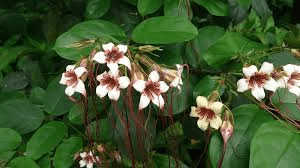
Strophanthus preussii, commonly referred to as “Preuss’s Strophanthus,” is a fascinating botanical specimen that holds both historical significance and contemporary medical importance. Let’s take a closer look at the botanical description of Strophanthus preussii, along with its common name and distinctive features.
Strophanthus preussii belongs to the family Apocynaceae, a diverse plant family known for its often ornamental and medicinal members. It falls under the genus Strophanthus, a group of plants renowned for their cardiac glycosides.
This plant is native to certain regions of Africa, particularly found in countries such as Cameroon, Nigeria, and Gabon. It thrives in tropical and subtropical climates.
Strophanthus preussii is a woody vine that can reach impressive heights. Its slender stems wind their way up trees and other vegetation. The plant’s leaves are elongated and glossy, exhibiting a rich green color.
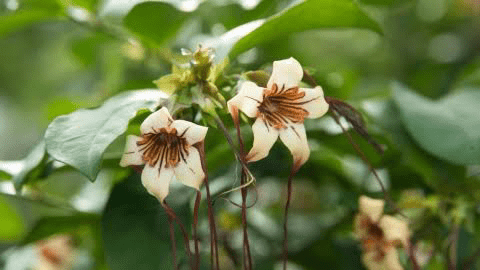
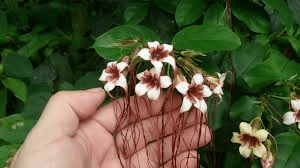
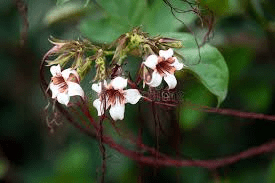
The flowers of Strophanthus preussii are a defining feature. They are tubular in shape, with a unique appearance that includes white petals and a greenish or yellowish hue at the base. These blooms are visually striking and contribute to the plant’s allure.
Strophanthus preussii produces seed pods that contain seeds embedded in a cotton-like substance. These pods are known for their distinctive appearance and are crucial for the propagation of the species.
One of the most significant attributes of Strophanthus preussii is its composition of bioactive compounds. These compounds include cardiac glycosides, alkaloids, and other secondary metabolites. Cardiac glycosides, in particular, have garnered attention for their potential cardiovascular benefits.
Strophanthus preussii has a rich history of use in traditional African medicine, where it was employed to address various health conditions, particularly those related to the heart and circulation. The plant’s cardiac glycosides are known for their impact on heart function, and they were used to manage heart-related ailments.
In modern times, Strophanthus preussii continues to be of interest to researchers and healthcare professionals. Its bioactive compounds have prompted investigations into their potential applications in cardiovascular medicine and beyond.
Read Also: 10 Medicinal Health Benefits of Solenostemma (Solenostemma argel)
The Medicinal Health Benefits of Strophanthus preussii (Preuss’s Strophanthus)
1. Cardiovascular Support: Strophanthus preussii is known for its potential to support heart health. Its active compounds have been studied for their positive effects on cardiac function and blood circulation.
2. Blood Pressure Regulation: This plant may contribute to maintaining healthy blood pressure levels due to its ability to influence blood vessel dilation and relaxation.
3. Digitalis Alternative: Strophanthus preussii has historically been used as an alternative to digitalis, a medication used to treat heart conditions. Its cardiac glycosides are believed to offer similar benefits.
4. Anti-Arrhythmic Properties: The plant’s compounds may help manage irregular heart rhythms, promoting a more stable and healthy heart rate.
5. Pain Relief: Traditional uses include the alleviation of pain. Strophanthus preussii’s analgesic properties could be beneficial for various discomforts.
6. Respiratory Aid: Some compounds in the plant might offer respiratory support, making it useful for addressing certain breathing issues.
7. Anti-Inflammatory Action: Strophanthus preussii shows promise in reducing inflammation, which is at the root of numerous chronic diseases.
8. Digestive Health: Traditional medicine has employed this plant to aid digestion and address digestive disturbances.
9. Anxiety and Stress Reduction: It’s suggested that certain components may have calming effects, potentially assisting in managing anxiety and stress.
10. Wound Healing: When applied topically, Strophanthus preussii extracts might promote wound healing due to their potential antimicrobial and tissue-regenerating properties.
Read Also: A Guide to Growing and Caring for Poa Grass (Poa Pratensis)
The Methods of Usage to Achieve the Provided Health Benefits of Strophanthus preussii (Preuss’s Strophanthus)
1. Infusion: One of the most common methods of using Strophanthus preussii for its health benefits is through infusion. To prepare an infusion, take about 1-2 teaspoons of dried Strophanthus preussii leaves or flowers and steep them in a cup of boiling water for about 5-10 minutes. Strain the mixture and drink it as a tea. This method is particularly effective in harnessing the plant’s cardiovascular benefits, as the active compounds are released into the water.
2. Tincture: Creating a tincture from Strophanthus preussii involves extracting its medicinal components using alcohol. To make a tincture, combine about 1 part of dried Strophanthus preussii plant material with 4 parts of alcohol (such as vodka) in a glass jar. Seal the jar tightly and let it sit in a dark place for about 4-6 weeks, shaking it gently every few days. After the maceration period, strain the liquid and store it in a dark glass bottle. Tinctures offer a concentrated form of the plant’s beneficial compounds and can be taken in small doses.
3. Topical Application: Strophanthus preussii extracts can also be used topically for certain health benefits. For instance, a diluted tincture or infused oil can be applied externally to alleviate muscle pain or joint discomfort. Mix a small amount of the tincture or oil with a carrier oil, such as coconut oil, and gently massage it onto the affected area.
4. Capsules: Another convenient way to utilize Strophanthus preussii is by encapsulating its powdered form. This method allows for precise dosing and easy consumption. However, it’s important to consult with a healthcare professional to determine the appropriate dosage before taking capsules.
5. Powdered Form: The dried leaves or flowers of Strophanthus preussii can be ground into a fine powder using a mortar and pestle or a grinder. This powder can then be added to smoothies, juices, or even sprinkled onto food for consumption. Remember to start with a small amount and gradually increase the dosage as needed.
6. Decoction: In cases where a stronger preparation is desired, a decoction can be made by boiling Strophanthus preussii plant material in water for an extended period. This method is especially useful for extracting the plant’s tougher constituents. Simply simmer the plant material in water for about 20-30 minutes, then strain and drink the liquid.
7. Gargle or Mouthwash: Strophanthus preussii can also be used to promote oral health. Prepare a decoction of the plant and let it cool. Use it as a gargle or mouthwash to help alleviate gum issues or maintain overall oral hygiene.
8. Compress: For localized pain relief or to address skin conditions, you can create a compress using Strophanthus preussii extract. Soak a clean cloth in a diluted infusion or tincture solution, wring out the excess liquid, and place the cloth on the affected area for a short period.
9. Inhalation: Inhaling the aroma of Strophanthus preussii essential oil can have a calming and relaxing effect. Add a few drops of the essential oil to a bowl of hot water and inhale the steam for a few minutes. This method can be especially helpful for managing stress and anxiety.
10. Bath Additive: To enjoy the benefits of Strophanthus preussii in a soothing and therapeutic way, you can add a few drops of the essential oil to your bathwater. This can help promote relaxation, relieve muscle tension, and enhance the overall bathing experience.
The Side Effects of Using Strophanthus preussii Medicinal Plant
1. Cardiac Arrhythmias: Strophanthus preussii contains compounds that can influence heart rhythm. Excessive consumption or incorrect usage may lead to irregular heartbeats or arrhythmias.
2. Blood Pressure Fluctuations: This medicinal plant can impact blood pressure levels. Improper dosages might result in sudden spikes or drops in blood pressure, leading to dizziness and lightheadedness.
3. Nausea and Vomiting: Some individuals might experience gastrointestinal distress after using Strophanthus preussii, including symptoms like nausea, vomiting, or stomach discomfort.
4. Headaches: Headaches can be a side effect of Strophanthus preussii usage. If you’re prone to headaches, monitor how your body responds to its consumption.
5. Allergic Reactions: Allergic responses to Strophanthus preussii are rare but possible. If you notice any signs of allergy, such as skin rashes, itching, or swelling, discontinue use immediately.
6. Dizziness: This medicinal plant might cause dizziness, especially if used in excessive amounts. It’s advisable not to operate heavy machinery or engage in activities that require focus if you’re experiencing dizziness.
7. Muscle Weakness: Some users have reported feelings of muscle weakness or fatigue after using Strophanthus preussii. If this occurs, it’s important to consult a healthcare professional.
8. Breathing Difficulties: In some cases, Strophanthus preussii can lead to respiratory issues, particularly in individuals with pre-existing respiratory conditions. If you experience trouble breathing, seek medical help promptly.
9. Digestive Upset: The plant’s compounds could potentially disrupt the digestive process, causing discomfort, bloating, or even diarrhea in sensitive individuals.
10. Drug Interactions: Strophanthus preussii might interact with certain medications, such as cardiac medications or blood thinners. If you’re on medication, consult your doctor before incorporating this plant into your regimen.
Nutritional Value of Strophanthus preussii (Preuss’s Strophanthus)
1. Cardiac Glycosides: Strophanthus preussii seeds contain cardiac glycosides like periplocin and periplocymarin, which are based on the aglycone periplogenin, supporting heart function by increasing contractility but requiring extreme caution due to toxicity.
2. Alkaloids: The plant’s seeds and bark include toxic alkaloids, which contribute to antimicrobial properties and traditional uses for infections, though they pose significant risks if ingested improperly.
3. Saponins: Present in the seeds, saponins provide potential immune-boosting and foaming properties, aiding in traditional wound healing applications.
4. Flavonoids: Trace flavonoids in the leaves and stems act as antioxidants, helping to reduce oxidative stress and inflammation in limited traditional preparations.
5. Phenolic Compounds: These compounds in the plant parts enhance antioxidant capacity, potentially protecting cells from damage in external uses like sore treatment.
6. Tannins: Found in the bark, tannins offer astringent effects that support wound healing and reduce inflammation in topical applications.
7. Terpenoids: Minor terpenoids contribute to antimicrobial activities, aligning with ethnobotanical uses for gonorrhea treatment.
8. Carbohydrates: The seeds contain carbohydrates as a minor energy source, though the plant is not used as food due to toxicity.
9. Sterols: Plant sterols may support cholesterol regulation in theoretical terms, but practical use is limited by the plant’s poisonous nature.
10. Glycosides (Strophanthidin-based): Small amounts of strophanthidin-based glycosides provide additional cardiac stimulant effects, similar to digitalis but with higher toxicity risks.
Strophanthus preussii is highly toxic and not suitable as a nutritional source; its components are primarily bioactive for medicinal or poisonous purposes, with seeds used in arrow poisons and low-dose extracts for heart conditions in traditional contexts, but modern use requires professional supervision.
Scientific Evidence and Case Studies on Strophanthus preussii (Preuss’s Strophanthus)
1. Włodarczyk et al. (2022): This study conducted fingerprinting, isolation, and identification of saponins in various Strophanthus seeds, including S. preussii, revealing high saponin content (up to 5% in seeds) with potential antimicrobial and anti-inflammatory benefits, supporting traditional wound healing uses (Włodarczyk, M., & Gleńsk, M., 2022).
2. Orhan et al. (2017): Researchers reviewed cardiotonic plants including Strophanthus preussii, highlighting its cardiac glycosides’ role in improving heart contractility in preclinical models, with limited clinical evidence for hypertension and heart failure treatment (Orhan, I. E., Gokbulut, A., & Senol, F. S., 2017).
3. Bing et al. (1950): This clinical study examined strophanthus extracts (including from S. preussii sources) on coronary blood flow in human hearts via catheterization, finding no significant change in flow or oxygen consumption in normal or failing hearts, but noting potential for irregular heartbeat risks (Bing, R. J., et al., 1950).
4. Neuwinger (2000): This comprehensive review of African traditional medicine detailed S. preussii’s use in arrow poisons and low-dose treatments for infections, with biochemical analysis confirming cardiac glycosides’ role in antimicrobial synergy, though emphasizing toxicity (Neuwinger, H. D., 2000).
Frequently Asked Questions About Strophanthus preussii (Preuss’s Strophanthus)
1. What is Strophanthus preussii used for?
It is traditionally used in African medicine to treat gonorrhea, heal sores, and as a cardiac stimulant, with seeds also employed in arrow poisons for hunting.
2. Is Strophanthus preussii toxic?
Yes, it is highly toxic due to cardiac glycosides like periplocin, which can cause irregular heartbeat, miscarriage, or death; it is unsafe during pregnancy or breastfeeding.
3. What are the medicinal benefits of Strophanthus preussii?
Its glycosides may support heart function similar to digitalis, with potential antimicrobial effects for infections, but evidence is limited and risks outweigh benefits without supervision.
4. Where is Strophanthus preussii native to?
It is native to tropical West and Central Africa, from Guinea to Tanzania and Angola, growing as a liana or shrub in forested areas up to 1400 meters altitude.
5. Can Strophanthus preussii be used for heart conditions?
Traditionally yes, for heart weakness and high blood pressure, but it may cause irregular heartbeat; it interacts dangerously with digoxin and requires medical oversight.
6. How is Strophanthus preussii prepared for use?
Seeds are processed into extracts or tinctures for low-dose cardiac use, or mixed into poisons; leaves may be used topically for sores, but all preparations are risky.
7. Is Strophanthus preussii the same as other Strophanthus species?
No, S. preussii has lower toxicity than S. gratus or S. hispidus but similar glycosides; it is distinguished by its long-tailed white-to-orange flowers.
8. What precautions should be taken with Strophanthus preussii?
Avoid if you have heart conditions, low potassium, or are pregnant; do not combine with heart medications, and consult a healthcare provider due to severe side effects.
Do you have any questions, suggestions, or contributions? If so, please feel free to use the comment box below to share your thoughts. We also encourage you to kindly share this information with others who might benefit from it. Since we can’t reach everyone at once, we truly appreciate your help in spreading the word. Thank you very much for your support and for sharing!
Disclaimer: This article is for educational and informational purposes only. The health benefits described are based on scientific research and traditional knowledge. They are not a substitute for professional medical advice, diagnosis, or treatment. Always consult a healthcare professional before using any herb or natural remedy for medical purposes.