


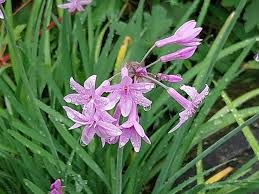
Tulbaghia violacea, commonly known as society garlic or wild garlic, is a herbaceous perennial that belongs to the Amaryllidaceae family. Native to Southern Africa, this plant has captured the interest of botanists, gardeners, and herbalists alike due to its unique characteristics and diverse uses.
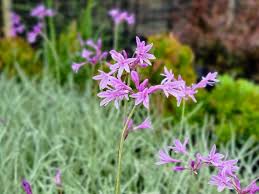
Tulbaghia violacea is characterized by its graceful growth habit and vibrant lavender-pink flowers. The plant typically reaches a height of about 12 to 18 inches (30 to 45 cm) and forms dense clumps of narrow, strap-like leaves that emerge from the base. These leaves are approximately 8 to 12 inches (20 to 30 cm) in length and exude a distinct garlic aroma when crushed or brushed against.
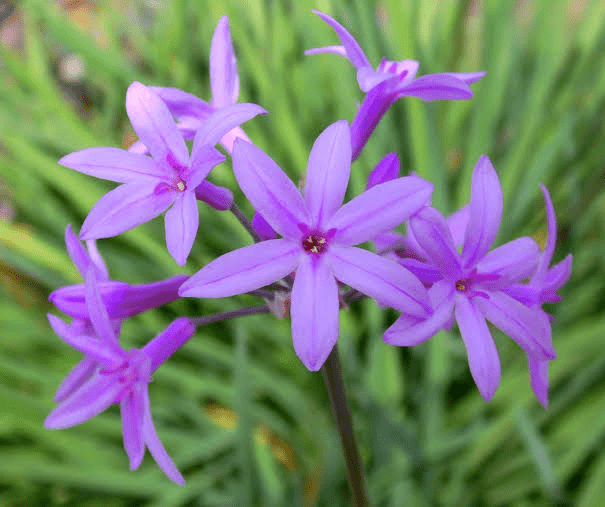
The star-shaped flowers of Tulbaghia violacea add a burst of color to gardens and landscapes. They are arranged in compact umbels, which are clusters of flowers that radiate from a common point like the ribs of an umbrella. Each flower features six petals and a central trumpet-shaped corona. The color of the flowers can vary from pale lavender to deeper shades of purple, contributing to the plant’s ornamental appeal.
Tulbaghia violacea develops a bulbous root system, consisting of underground bulbs that store nutrients and energy for the plant’s growth and survival. These bulbs allow the plant to withstand adverse conditions and resprout after periods of dormancy.
Society garlic is well-suited to a variety of growing conditions, making it a popular choice for both cultivated gardens and natural landscapes. It thrives in well-drained soils with moderate moisture levels. While it prefers full sun, it can tolerate partial shade. Tulbaghia violacea is known for its resilience and ability to adapt to different climates, which has contributed to its spread beyond its native range.
Beyond its medicinal properties, Tulbaghia violacea has culinary applications as well. Despite its garlic-like scent, the flavor of the leaves is milder than traditional garlic, making them a versatile addition to salads, garnishes, and savory dishes. The flowers are also edible and can be used to add a touch of color and flavor to culinary creations.
One of the plant’s most distinctive features is its fragrance. When the leaves are bruised or crushed, they release a scent reminiscent of garlic, which is where the common name “society garlic” originates. This aroma, while evoking garlic, is generally less pungent and more delicate.
Read Also: 10 Medicinal Health Benefits of Strophanthus speciosus (Climbing Oleander)
The Medicinal Health Benefits of Tulbaghia violacea (Society Garlic)
1. Cardiovascular Health: Tulbaghia violacea contains compounds that promote healthy blood circulation and help maintain optimal blood pressure levels. These properties contribute to a reduced risk of cardiovascular diseases. Improved circulation ensures that vital nutrients are efficiently delivered throughout the body.
2. Immune System Boost: The plant’s bioactive components enhance the immune system’s function, making the body more resilient against infections. Regular consumption of Tulbaghia violacea may lead to a strengthened immune response, reducing the likelihood of falling ill.
3. Digestive Aid: Tulbaghia violacea has been traditionally used to alleviate digestive discomfort. Its soothing properties can help ease indigestion, bloating, and gas, promoting a healthy and comfortable digestive system.
4. Anti-Inflammatory Effects: The anti-inflammatory compounds in Tulbaghia violacea make it valuable for managing inflammation-related conditions, such as arthritis. These compounds may help reduce joint pain and swelling, improving overall mobility.
5. Antioxidant Protection: Rich in antioxidants, Tulbaghia violacea helps counteract harmful free radicals in the body. By neutralizing these radicals, it can contribute to preventing cellular damage and reducing the risk of chronic diseases.
6. Respiratory Support: The aromatic properties of Tulbaghia violacea extend to its benefits for the respiratory system. It may help relieve symptoms of common respiratory issues like coughs and colds, providing relief and supporting clearer breathing.
7. Antibacterial Properties: Tulbaghia violacea possesses antibacterial properties that can assist in fighting bacterial infections. It may be used as a supportive remedy alongside other treatments, potentially aiding in the recovery process.
8. Stress Reduction: The plant’s calming aroma has been associated with stress reduction and relaxation. Incorporating Tulbaghia violacea into your routine can contribute to a sense of calm and mental well-being.
9. Skin Health: Topical application of Tulbaghia violacea extracts could help soothe skin irritations due to its anti-inflammatory and antimicrobial effects. It might be used to promote skin comfort and health.
10. Cognitive Function: Emerging studies suggest that Tulbaghia violacea may positively affect cognitive function and memory. Regular consumption might offer support against age-related cognitive decline, though more research is needed to fully understand this benefit.
Read Also: 15 Medicinal Health Benefits of Tabernaemontana coffeoides (Coffee Milkwood)
The Methods of Usage to Achieve the Provided Health Benefits of Tulbaghia violacea (Society Garlic)
1. Culinary Use: Incorporate Tulbaghia violacea leaves into your diet by chopping them and adding them to salads, soups, or stir-fries. Their mild garlic flavor can add a unique twist to your culinary creations while providing a dose of health benefits.
2. Herbal Tea: Prepare a soothing herbal tea by steeping a few fresh Tulbaghia violacea leaves in hot water for several minutes. Strain and enjoy the aromatic and health-supporting qualities of the tea.
3. Aromatherapy: Extract the essential oil from Tulbaghia violacea and dilute it with a carrier oil. Use the diluted oil for aromatherapy by diffusing it in your living space. The calming aroma can promote relaxation and stress relief.
4. Topical Application: Create a skin-soothing salve by blending Tulbaghia violacea extracts with a carrier oil. Apply the salve topically to areas of skin discomfort or irritation to harness its anti-inflammatory and antimicrobial properties.
5. Culinary Garnish: Utilize the vibrant and edible flowers of Tulbaghia violacea as a garnish for various dishes. The flowers can add a pop of color and a subtle garlic essence to your meals.
6. Infused Vinegar or Oil: Infuse vinegar or oil with Tulbaghia violacea leaves to create flavorful and aromatic bases for salad dressings, marinades, or cooking oils. This method allows you to preserve and enjoy the plant’s unique qualities.
7. Herbal Bath: Add dried Tulbaghia violacea leaves to your bathwater for a relaxing herbal bath experience. The aroma of the leaves can contribute to a soothing and rejuvenating soak.
8. Culinary Pest Repellent: Incorporate Tulbaghia violacea plants into your garden as natural pest repellents. The garlic-like aroma can help deter certain pests from damaging your other plants.
9. Traditional Remedies: Research traditional remedies and cultural practices related to Tulbaghia violacea in its native regions. These practices might offer additional insights into its historical uses and methods of preparation.
10. Herbal Compress: Create a compress by steeping Tulbaghia violacea leaves in hot water, then soaking a cloth or towel in the infused liquid. Apply the warm compress to areas of discomfort for localized relief.
The Side Effects of Using Tulbaghia violacea Medicinal Plant
1. Digestive Discomfort: Excessive consumption of Tulbaghia violacea, particularly in sensitive individuals, may lead to digestive discomfort such as stomach upset, bloating, or gas. It’s important to consume it in moderation and observe your body’s response.
2. Allergic Reactions: Some individuals may be allergic to plants in the Amaryllidaceae family, to which Tulbaghia violacea belongs. Allergic reactions could manifest as skin rashes, itching, or respiratory symptoms. If you experience any unusual symptoms, discontinue use and consult a healthcare professional.
3. Interaction with Medications: Tulbaghia violacea’s compounds may interact with certain medications. If you’re taking medications, especially blood-thinning or antiplatelet drugs, consult your healthcare provider before incorporating it into your routine to avoid potential interactions.
4. Pregnancy and Breastfeeding: Pregnant and breastfeeding women should exercise caution when using Tulbaghia violacea medicinally. Limited research is available on its safety in these situations, so it’s advisable to consult a healthcare professional before use.
5. Gastrointestinal Irritation: In some cases, Tulbaghia violacea may cause irritation to the gastrointestinal tract, leading to symptoms like nausea or heartburn. If you experience these symptoms, reduce or discontinue use and seek medical advice.
6. Photosensitivity: Certain individuals might experience photosensitivity (increased sensitivity to sunlight) when using Tulbaghia violacea, especially if applied topically. Protect your skin from excessive sun exposure and consider doing a patch test before applying it to larger areas of skin.
7. Not a Replacement for Medical Treatment: While Tulbaghia violacea has potential health benefits, it’s important to note that it should not replace prescribed medical treatments. Always consult a healthcare professional before using it as a remedy for specific health conditions.
8. Dosage Consideration: Like any herbal remedy, proper dosage is essential. Using excessive amounts of Tulbaghia violacea might lead to undesirable effects. Follow recommended guidelines and consult a professional for personalized advice.
9. Individual Sensitivity: People have varying sensitivities to herbal remedies. What works well for one person might not suit another. Pay attention to your body’s response and make adjustments accordingly.
10. Lack of Regulation: Herbal remedies like Tulbaghia violacea are often not regulated as rigorously as pharmaceutical drugs. Therefore, ensure you source it from reputable suppliers and verify the authenticity and quality of the product.
Nutritional Value of Tulbaghia violacea (Society Garlic)
1. Carbohydrates: Tulbaghia violacea bulbs and leaves contain carbohydrates, providing a source of energy and supporting metabolic processes in traditional dietary uses.
2. Dietary Fiber: The plant’s leaves and bulbs offer dietary fiber, which aids digestion, promotes gut health, and helps regulate blood sugar levels.
3. Proteins: Moderate protein content in the leaves contributes to tissue repair and overall nutritional balance when consumed in herbal preparations.
4. Vitamin C: Rich in vitamin C, particularly in fresh leaves, it boosts immune function and acts as an antioxidant to protect against oxidative stress.
5. Allicin: This sulfur compound, similar to that in garlic, provides antimicrobial and antioxidant properties, supporting immune health and infection prevention.
6. S-Allyl Cysteine: A key organosulfur compound with antioxidant effects, it helps reduce oxidative damage and supports cardiovascular health.
7. Flavonoids: Flavonoids in the plant offer anti-inflammatory and antioxidant benefits, potentially lowering the risk of chronic diseases.
8. Phenolic Compounds: These compounds contribute to the plant’s antioxidant capacity, protecting cells from free radical damage.
9. Iron: Trace amounts of iron aid in hemoglobin production, helping prevent anemia and improve oxygen transport.
10. Potassium: Potassium content supports heart health, blood pressure regulation, and muscle function.
These nutritional elements make Tulbaghia violacea a valuable herb, particularly for its antioxidant, antimicrobial, and immune-boosting properties in traditional African medicine and as an ornamental edible plant.
Scientific Evidence and Case Studies on Tulbaghia violacea (Society Garlic)
1. Nyawo et al. (2016): An in vitro study on Tulbaghia violacea extracts demonstrated strong antimicrobial activity against Staphylococcus aureus and Escherichia coli, with minimum inhibitory concentrations indicating potential for treating bacterial infections (Nyawo, N. N., et al., 2016).
2. Nkeh-Chungag et al. (2013): In hypertensive rats, aqueous leaf extracts of Tulbaghia violacea (50–200 mg/kg) significantly reduced blood pressure and improved lipid profiles, suggesting cardiovascular benefits through ACE inhibition (Nkeh-Chungag, B. N., et al., 2013).
3. Aja et al. (2015): Ethanol extracts showed high antioxidant activity via DPPH and reducing power assays, comparable to ascorbic acid, highlighting its role in combating oxidative stress (Aja, P. M., et al., 2015).
4. McGaw et al. (2008): Leaf extracts exhibited cytotoxicity against cancer cell lines like HeLa and MCF-7 in vitro, with IC50 values indicating moderate anticancer potential (McGaw, L. J., et al., 2008).
5. Kogi and Irene (2016): In diabetic rat models, Tulbaghia violacea extracts (200–400 mg/kg) lowered blood glucose levels and improved pancreatic beta-cell function, supporting antidiabetic effects (Ntanzi, N. M., et al., 2018).
Frequently Asked Questions About Tulbaghia violacea (Society Garlic)
1. What is Tulbaghia violacea used for?
Society Garlic is used in traditional medicine for treating infections, hypertension, colds, and diabetes, and as an ornamental plant with edible leaves and flowers.
2. Is Tulbaghia violacea safe to consume?
Yes, in moderate amounts like culinary use, but excessive intake may cause digestive upset; consult a doctor if pregnant or on medications.
3. How does Tulbaghia violacea benefit health?
Its sulfur compounds and antioxidants provide antimicrobial, anti-inflammatory, and blood pressure-lowering effects, supporting immune and cardiovascular health.
4. What is the difference between Tulbaghia violacea and garlic?
Society Garlic has a milder garlic scent without the strong odor, milder flavor, and is more ornamental, while true garlic (Allium sativum) is pungent and bulb-focused.
5. Can Tulbaghia violacea help with high blood pressure?
Studies like Nkeh-Chungag et al. (2013) show it reduces blood pressure in animal models, supporting traditional antihypertensive uses.
6. How is Tulbaghia violacea used in traditional medicine?
Leaves are crushed into poultices for wounds or boiled into teas for colds and stomach issues in South African herbal practices.
7. Are there side effects of Tulbaghia violacea?
Mild side effects include stomach irritation or allergic reactions; it may interact with blood pressure or diabetes drugs.
8. Can Tulbaghia violacea be grown at home?
Yes, it thrives in full sun with well-drained soil, drought-tolerant, and suitable for gardens or pots in temperate to subtropical climates.
Do you have any questions, suggestions, or contributions? If so, please feel free to use the comment box below to share your thoughts. We also encourage you to kindly share this information with others who might benefit from it. Since we can’t reach everyone at once, we truly appreciate your help in spreading the word. Thank you very much for your support and for sharing!
Disclaimer: This article is for educational and informational purposes only. The health benefits described are based on scientific research and traditional knowledge. They are not a substitute for professional medical advice, diagnosis, or treatment. Always consult a healthcare professional before using any herb or natural remedy for medical purposes.
Read Also: Improve Your Soil: Composting Facts to Create Nutrient-Dense Soil