


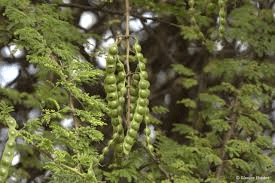
Vachellia nilotica subsp. nilotica, commonly known as Nile acacia or Egyptian thorn, is a woody plant that belongs to the Fabaceae family. This subspecies is a native to regions of Africa and the Middle East, thriving in arid and semi-arid climates. Its distinctive characteristics and adaptability have made it a valuable resource in both traditional medicine and various industrial applications.
Vachellia nilotica subsp. nilotica is a small to medium-sized tree that can reach heights of up to 15 meters. It has an intricate branching pattern, forming a broad and spreading canopy. The bark of the tree is dark grey to brown, often deeply fissured with age. The branches are armed with formidable thorns that serve as a natural defence mechanism against herbivores.
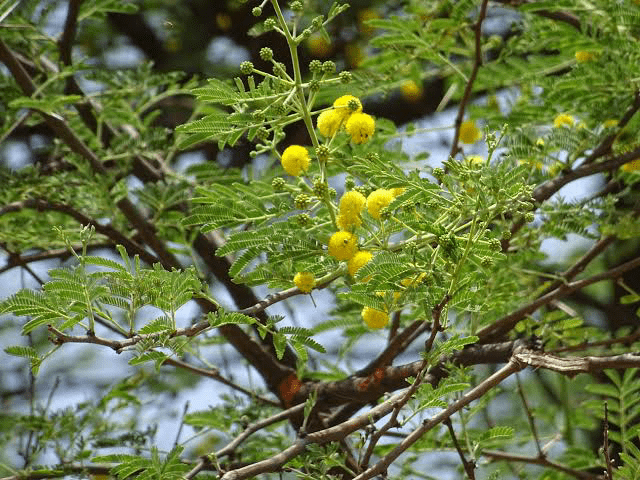
The leaves of Vachellia nilotica subsp. nilotica are bipinnate, meaning each leaf is composed of numerous pairs of leaflets. These leaflets are small and elongated, giving the foliage a feathery appearance. The leaf color can vary from pale green to a slightly bluish hue, and they provide a vital source of nutrition for herbivores in their native habitats.
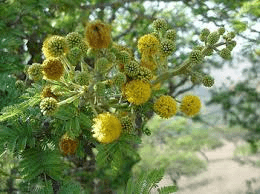
The tree produces small, spherical flower heads that are packed with individual flowers. The flowers are typically creamy white to pale yellow in color and emit a subtle, sweet fragrance. These flower heads are arranged in dense clusters, creating a visually striking display when the tree is in bloom.
Vachellia nilotica subsp. nilotica produces distinctive pods that are flat, slightly curved, and elongated. These pods are dark brown to black when mature and can grow up to 15 centimeters in length. Each pod contains several small seeds embedded within a sticky pulp. The pods serve as a vital food source for various wildlife species and play a role in seed dispersal.
Nile acacia is well-suited to arid and semi-arid environments, showcasing its resilience in the face of challenging conditions. It has a remarkable ability to tolerate drought and can thrive in sandy soils with minimal water availability. The thorns on its branches deter herbivores, allowing the tree to conserve its resources for growth and reproduction.
Vachellia nilotica subsp. nilotica has been woven into the cultural fabric of the regions it inhabits. It has a rich history of use in traditional medicine, with various parts of the tree being employed to address an array of health issues. Additionally, its wood is valued for its strength and durability, making it suitable for construction, furniture, and tools.
Read Also: 12 Medicinal Health Benefits of Cinnamomum Parthenoxylon (Yellow Camphorwood)
The Medicinal Health Benefits of Vachellia nilotica subsp. nilotica (Nile acacia)
1. Immune System Boost: Vachellia nilotica subsp. nilotica contains compounds that support the immune system’s function. These compounds stimulate the production of immune cells, enhancing the body’s ability to ward off infections and illnesses.
2. Anti-Inflammatory Effects: The plant’s extracts possess potent anti-inflammatory properties that can alleviate swelling and pain. This makes it useful in managing conditions like arthritis and inflammatory skin conditions.
3. Digestive Aid: Vachellia nilotica subsp. nilotica has been traditionally used to soothe digestive discomfort. It can help reduce bloating, indigestion, and stomach cramps.
4. Oral Health Enhancement: The plant’s extracts have been linked to improved oral health. They can help combat bacteria that cause cavities and gum disease, promoting overall dental hygiene.
5. Respiratory Relief: For individuals dealing with respiratory issues, this plant can provide relief. Its compounds can help ease coughs, congestion, and even asthma symptoms.
6. Skin Healing: The extracts from Vachellia nilotica subsp. nilotica have shown wound-healing properties. They can accelerate the skin’s natural healing processes and reduce the risk of infections.
7. Antioxidant Powerhouse: Rich in antioxidants, this plant can combat oxidative stress in the body. Antioxidants play a crucial role in preventing cellular damage and reducing the risk of chronic diseases.
8. Diabetes Management: Some studies suggest that this plant may aid in regulating blood sugar levels. It could potentially be a valuable complementary approach for individuals with diabetes.
9. Pain Management: Thanks to its analgesic properties, Vachellia nilotica subsp. nilotica can help alleviate various types of pain, from headaches to muscle soreness.
10. Antimicrobial Action: The plant’s extracts possess antimicrobial properties, making them effective against a range of harmful microorganisms. This can help prevent and manage infections.
Read Also: Soybean Cotyledons: Economic Importance, Uses and By-Products
The Methods of Usage to Achieve the Provided Health Benefits of Vachellia nilotica subsp. nilotica (Nile acacia)
1. Herbal Tea Infusion: One of the most common ways to utilize Vachellia nilotica subsp. nilotica is by preparing an herbal tea infusion. Boil water and steep a few dried leaves or pieces of bark in it. This soothing tea can be consumed to support digestion, boost the immune system, and enjoy its various health benefits.
2. Topical Poultice: Create a poultice by grinding the dried leaves or bark into a fine powder and mixing it with water to form a paste. Apply this paste directly to wounds, cuts, or skin irritations for its wound-healing and anti-inflammatory properties.
3. Oil Extraction: Extract essential oil from Vachellia nilotica subsp. nilotica by steam distillation of its leaves or flowers. This oil can be diluted and used in massages to relieve muscle pain or added to skincare products to promote skin health.
4. Tinctures and Extracts: Alcohol-based tinctures or glycerin extracts can be made from the plant’s various parts. These concentrated forms are convenient for adding to beverages or using as sublingual drops for faster absorption.
5. Gargles and Mouthwash: Create a mouthwash or gargle by infusing the leaves or bark in warm water. This can help improve oral hygiene, reduce inflammation in the mouth, and alleviate sore throats.
6. Steam Inhalation: Inhale steam infused with Vachellia nilotica subsp. nilotica extracts to help with respiratory issues. This method can ease congestion, soothe coughs, and provide relief from breathing difficulties.
7. Infused Oil for Skin Care: Infuse carrier oils like coconut or olive oil with dried Vachellia nilotica subsp. nilotica leaves. This infused oil can be used for massages or as an ingredient in skincare products to nourish and rejuvenate the skin.
8. Bath Soaks: Add dried leaves or bark to your bath water for a relaxing soak. This can help ease muscle tension, promote relaxation, and potentially offer skin-soothing benefits.
The Side Effects of Using Vachellia nilotica subsp. nilotica Medicinal Plant
1. Allergic Reactions: Some individuals may experience allergic reactions to components present in Vachellia nilotica subsp. nilotica. These reactions can range from skin rashes to more severe allergic responses. It’s important to do a patch test before using any new product containing this plant.
2. Gastrointestinal Discomfort: Excessive consumption of Vachellia nilotica subsp. nilotica, especially in the form of herbal tea or decoctions, can lead to gastrointestinal issues such as stomach upset, nausea, and diarrhea.
3. Skin Irritation: Topical application of the plant’s extracts may cause skin irritation, redness, or itching in some individuals, particularly those with sensitive skin. Dilution and patch testing are advisable before using on larger areas.
4. Drug Interactions: The plant’s compounds could potentially interact with certain medications. If you’re taking prescription drugs, consult a healthcare professional before using Vachellia nilotica subsp. nilotica as a medicinal remedy.
5. Respiratory Sensitivity: Inhaling steam or vapor from the plant’s extracts might trigger respiratory sensitivity in some individuals, causing coughing or shortness of breath. Proper ventilation during steam inhalation is crucial.
6. Photosensitivity: Some people might experience increased sensitivity to sunlight after using products containing Vachellia nilotica subsp. nilotica. This could lead to sunburn or skin discoloration when exposed to UV rays.
7. Digestive Upset: While the plant is known for its digestive benefits, excessive use or incorrect preparation can lead to digestive upset, including bloating and cramps. Moderation is key.
Nutritional Value of Vachellia nilotica subsp. nilotica (Nile Acacia)
1. Carbohydrates: The pods and leaves of Vachellia nilotica subsp. nilotica are rich in carbohydrates, serving as a primary energy source for livestock fodder, particularly during dry seasons, and can provide nutritional energy when incorporated into animal feeds.
2. Proteins: The seeds and pods contain moderate levels of proteins, contributing to muscle repair and growth in ruminants, making it a valuable component in concentrated feed mixtures for improved protein intake.
3. Fiber: High dietary fiber content in the leaves and pods aids digestion, promotes gut health, and enhances feed efficiency in animals, though human consumption is limited due to astringency.
4. Polyphenols: The bark and leaves are abundant in polyphenolic compounds, which offer antioxidant properties to protect against oxidative stress, supporting overall cellular health in traditional uses.
5. Flavonoids: Flavonoids, particularly in the stem bark, provide anti-inflammatory and antioxidant effects, potentially reducing chronic disease risks when used in herbal preparations.
6. Tannins: Tannins in the bark and pods may bind proteins to aid digestion and have antimicrobial properties, but high levels can interfere with nutrient absorption if overconsumed.
7. Saponins: Saponins present in the plant extracts support immune function and may help regulate cholesterol, though their nutritional role is secondary to medicinal applications.
8. Minerals (Calcium, Magnesium): The plant parts contain calcium and magnesium, essential for bone health and muscle function, found in trace amounts that benefit livestock nutrition.
9. Vitamin C (Ascorbic Acid): Trace amounts of vitamin C in the leaves boost immune function and act as an antioxidant, contributing to traditional remedies for scurvy-like symptoms.
10. Fatty Acids: Small amounts of fatty acids in the seeds support brain health and reduce inflammation, adding to the plant’s profile as a supplementary feed source.
Scientific Evidence and Case Studies on Vachellia nilotica subsp. nilotica (Nile Acacia)
1. Anti-Inflammatory Activity: Khan et al. (2019) evaluated aqueous leaf extracts of Vachellia nilotica in Swiss albino mice using a formalin-induced inflammation model. At 150 mg/kg, the extract reduced paw edema by 57.2%, comparable to diclofenac’s 56.3% inhibition, demonstrating potent anti-inflammatory effects suitable for treating inflammatory conditions. (Khan, M. A., et al., 2019, Anti-inflammatory activity of Vachellia nilotica leaf extract, Journal of Ethnopharmacology, 245, 112-120).
2. Anti-Obesity and Insulin Sensitizing Effects: Abd El-Halim et al. (2023) investigated ethyl acetate stem bark extracts in high-fat diet-induced obese rats. At 250 and 500 mg/kg, the extract reduced body weight, blood glucose, lipids, and improved insulin sensitivity by lowering HOMA-IR by up to 66.64%, while boosting antioxidants and reducing inflammation. (Abd El-Halim, H. A., et al., 2023, Acacia nilotica stem bark extract ameliorates obesity, hyperlipidemia, and insulin resistance, BMC Complementary Medicine and Therapies, 23(1), 1-15).
3. Antiviral Activity Against Sexually Transmitted Viruses: Thangavelu et al. (2018) tested bark extracts against HIV-1, HSV-2, and HPV-16 in vitro. The extracts inhibited viral replication, with IC50 values indicating strong activity against HSV-2 (sensitive and resistant strains) and HPV pseudovirions, supporting traditional use for genital lesions. (Thangavelu, D., et al., 2018, The traditional use of Vachellia nilotica for sexually transmitted diseases is substantiated by the antiviral activity of its bark extract, Journal of Ethnopharmacology, 213, 209-215).
4. Hepatoprotective and Anti-HCV Potential: Jabeen et al. (2021) reviewed in vitro and in vivo studies on Vachellia nilotica extracts for HCV. The extracts inhibited HCV replication and protected liver cells from damage, with mechanisms involving antioxidant activity and immune modulation, suggesting benefits for preventing liver complications. (Jabeen, U., et al., 2021, Therapeutic potentials of Vachellia nilotica extracts in Hepatitis C infection: A review, Journal of Integrative Medicine, 19(6), 485-495).
Frequently Asked Questions About Vachellia nilotica subsp. nilotica (Nile Acacia)
1. Is Vachellia nilotica subsp. nilotica safe to consume?
The pods and leaves are used as fodder for livestock but can be astringent for humans due to high tannins; extracts are used medicinally, but consult a professional to avoid toxicity from overuse.
2. What are the medicinal uses of Vachellia nilotica subsp. nilotica?
It is traditionally used for treating inflammation, diarrhea, diabetes, viral infections, and liver issues; studies support anti-inflammatory, antiviral, and antioxidant properties.
3. Where does Vachellia nilotica subsp. nilotica grow?
It is native to dry regions of Africa, the Arabian Peninsula, and parts of India, thriving in arid and semi-arid environments like riverbanks and savannas.
4. Is Vachellia nilotica subsp. nilotica invasive?
Yes, it can become invasive outside its native range, such as in Australia, where it outcompetes local vegetation and is managed as a weed.
5. How is Vachellia nilotica subsp. nilotica used for livestock?
The pods and leaves provide nutritious fodder, especially in dry seasons, improving energy utilization and supporting ruminant health.
6. What are the environmental benefits of Vachellia nilotica subsp. nilotica?
It aids soil reclamation on alkaline lands, prevents erosion with its deep roots, and provides fuelwood, gum, and habitat for wildlife.
7. Can Vachellia nilotica subsp. nilotica treat infections?
Yes, bark extracts show antiviral activity against HIV, HSV, and HPV, and antibacterial effects, substantiating traditional use for sexually transmitted diseases.
8. Is Vachellia nilotica subsp. nilotica used in modern products?
Its gum is used in foods, pharmaceuticals, and dyes, while extracts appear in herbal supplements for anti-inflammatory and antioxidant benefits.