


Vachellia tortilis, also commonly referred to as the umbrella thorn acacia, is a distinctive and adaptive tree species that belongs to the Fabaceae family. This botanical marvel showcases a remarkable ability to thrive in arid and semi-arid regions, demonstrating its resilience and significance in often harsh environments.
The most prominent feature of this tree is its umbrella-like canopy, which provides essential shade in the scorching African sun. This umbrella shape is formed by the wide-spreading branches that grow horizontally, maximizing the shading effect.
The bark of Vachellia tortilis is rough, fissured, and displays a greyish-brown to dark brown coloration. This robust bark serves as protection against environmental stressors and herbivore activities.
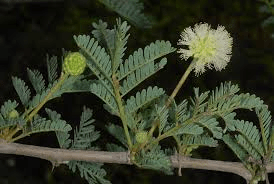
The leaves are compound and bipinnate, giving them a feathery and fern-like appearance. They consist of numerous small leaflets that provide the tree with the ability to minimize water loss through transpiration.
Thorns are a defining feature of the umbrella thorn acacia. These thorns are long, sharp, and often occur in pairs. They serve as a defense mechanism against herbivores, discouraging them from browsing on the foliage.
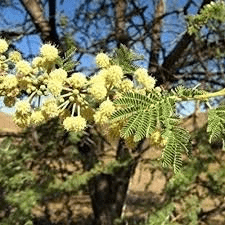
Vachellia tortilis produces fragrant and small puffball-like flowers. These flowers are pale yellow to cream in color and are densely clustered, creating visually appealing inflorescences.
The tree bears flat and elongated pods that mature from green to brown. These pods contain small, rounded seeds that are encased within a dry, papery covering.
Vachellia tortilis thrives in arid and semi-arid regions of Africa, particularly in the savannas, grasslands, and deserts. It is well-suited to such environments due to its adaptations for water conservation, including its leaf structure and ability to form symbiotic relationships with nitrogen-fixing bacteria.
The wide canopy offers shade to a variety of wildlife, from large mammals to smaller insects, aiding them in surviving the harsh heat. Vachellia tortilis forms symbiotic relationships with nitrogen-fixing bacteria in its root nodules. This process enriches the soil with essential nutrients, benefiting other plants and organisms in the area
The pods of Vachellia tortilis are a valuable food source for many animals, including herbivores and seed-eating birds. The presence of Vachellia tortilis can trigger the development of microhabitats, providing shelter and resources for various species.
Read Also: 15 Medicinal Health Benefits of Curcuma Zanthorrhiza (Temulawak)
The Medicinal Health Benefits of Vachellia tortilis (Umbrella Thorn Acacia)

1. Immune System Boost: Vachellia tortilis is rich in antioxidants, which help bolster the immune system’s defenses against various infections and diseases.
2. Digestive Aid: The tree’s gum, obtained from its bark, has been traditionally used to soothe digestive discomfort and promote healthy digestion.
3. Anti-Inflammatory Properties: Extracts from Vachellia tortilis have shown anti-inflammatory effects, making them valuable for managing conditions like arthritis.
4. Respiratory Relief: Infusions made from the leaves and bark can help alleviate respiratory issues such as coughs and bronchitis.
5. Wound Healing: The gum’s adhesive and healing properties make it beneficial for wound dressing and accelerating the healing process.
6. Antimicrobial Effects: Compounds found in Vachellia tortilis possess antimicrobial properties, aiding in the prevention and treatment of infections.
7. Diuretic Action: The tree’s extracts can act as diuretics, promoting the elimination of toxins and excess fluids from the body.
8. Blood Sugar Regulation: Some studies suggest that Vachellia tortilis may assist in managing blood sugar levels, offering potential benefits for individuals with diabetes.
9. Antioxidant Richness: The plant’s antioxidants help combat oxidative stress, a contributing factor to various chronic diseases.
10. Skin Health: Applications of Vachellia tortilis extracts may contribute to healthier skin by reducing inflammation and enhancing hydration.
Read Also: Wheat Palea: Economic Importance, Uses and By-Products
The Methods of Usage to Achieve the Provided Health Benefits of Vachellia tortilis (Umbrella Thorn Acacia)
1. Gum Infusion: Prepare an infusion by soaking the gum in warm water. This method allows you to consume the infused liquid, which can provide digestive and immune benefits due to the plant’s rich antioxidants and bioactive compounds.
2. Leaf Poultice: Create a poultice by crushing fresh leaves into a paste-like consistency. You can then apply this poultice directly to wounds or skin irritations. The natural antimicrobial and wound-healing properties of the leaves can assist in promoting faster recovery.
3. Bark Extracts: Boil the bark in water to create an extract. This liquid can be used as a wash or compress for addressing respiratory issues and promoting wound healing. The extract’s anti-inflammatory and antiseptic properties can contribute to these benefits.
4. Tea Preparation: Infuse either the leaves or bark in hot water to create a therapeutic tea. Consuming this tea may provide a range of health benefits, including immune support, respiratory relief, and digestive aid. Adjust the strength of the infusion to suit your needs.
5. Topical Ointment: Combine Vachellia tortilis extracts with a suitable carrier oil or base to create a topical ointment. This can be applied to skin concerns like inflammation, rashes, or minor wounds. The ointment’s soothing and moisturizing properties can help alleviate discomfort.
6. Inhalation: For respiratory benefits, you can inhale steam infused with Vachellia tortilis bark. Be cautious during this process to avoid burns. The steam’s aromatic compounds can potentially provide respiratory relief by easing congestion and irritation.
The Side Effects of Using Vachellia tortilis Medicinal Plant
1. Allergic Reactions: Some individuals may be sensitive to the plant’s compounds, leading to allergic reactions such as skin irritation, itching, or hives upon contact.
2. Digestive Discomfort: Excessive consumption of the gum or other parts of the plant may lead to digestive discomfort, including abdominal pain, bloating, or diarrhea.
3. Interaction with Medications: Vachellia tortilis may interact with certain medications, potentially affecting their efficacy or causing adverse effects. Consult a healthcare professional if you are on medication.
4. Photosensitivity: In some cases, contact with Vachellia tortilis or its extracts could increase skin photosensitivity, making the skin more susceptible to sunburn.
5. Respiratory Irritation: Inhaling steam from bark extracts without proper caution can lead to respiratory irritation, causing coughing or discomfort.
6. Hypersensitivity: Individuals with a history of hypersensitivity or allergies to plants within the Fabaceae family should exercise caution when using Vachellia tortilis.
7. Gastrointestinal Upset: Consumption of Vachellia tortilis preparations in excessive amounts may result in gastrointestinal upset, including nausea and vomiting.
8. Blood Sugar Effects: While Vachellia tortilis may help regulate blood sugar levels, individuals with diabetes should monitor their blood sugar closely to prevent unintended fluctuations.
Nutritional Value of Vachellia tortilis (Umbrella Thorn Acacia)
1. Carbohydrates: Vachellia tortilis pods and leaves are rich in carbohydrates, serving as a primary energy source for grazing animals and humans in arid regions, supporting sustained metabolic functions during dry seasons.
2. Proteins: The pods contain high protein levels, up to 19%, essential for tissue repair, muscle development, and nutritional support in livestock and traditional human diets.
3. Dietary Fiber: Abundant fiber in the leaves and pods promotes digestive health, aids in bowel regularity, and helps maintain gut function in fodder-based diets.
4. Lipids: Moderate lipid content in the pods (around 4-20%) contributes to energy provision and the absorption of fat-soluble vitamins, enhancing overall nutritional value.
5. Calcium: The plant provides significant calcium (up to 200 mg/100g), vital for bone and teeth health, muscle function, and preventing deficiencies in calcium-poor environments.
6. Potassium: High potassium levels (251-288 mg/100g) in the pods support electrolyte balance, heart health, and blood pressure regulation for both animals and humans.
7. Iron: Trace iron in the leaves and pods aids hemoglobin production, helping combat anemia and improve oxygen transport in traditional medicinal uses.
8. Flavonoids: These antioxidant compounds in the leaves and gum protect against oxidative stress, reducing cellular damage and supporting immune function.
9. Phenolic Compounds: Phenolics in various parts offer strong antioxidant effects, neutralizing free radicals and potentially lowering chronic disease risks.
10. Tannins: Present in the bark and pods, tannins provide astringent and antimicrobial properties, though in moderation they support digestive health without excessive interference.
These nutritional components position Vachellia tortilis as a key resource in arid ecosystems, valued for its role in providing energy, proteins, minerals, and antioxidants through pods, leaves, and gum in traditional fodder and dietary practices.
Scientific Evidence and Case Studies on Vachellia tortilis (Umbrella Thorn Acacia)
1. Alene et al. (2022): This comprehensive review summarized phytochemical and pharmacological data on Vachellia tortilis extracts, revealing strong antibacterial activity against multi-drug resistant strains like Staphylococcus aureus and Pseudomonas aeruginosa through membrane disruption, alongside antioxidant effects via DPPH assays that combat oxidative stress in diabetes and inflammation (Alene, M., et al., 2022).
2. Thabethe et al. (2018): In a study with finishing pigs, graded levels of Vachellia tortilis leaf meal (up to 150 g/kg) improved adaptation periods and feed efficiency, with higher inclusions positively correlating to increased time spent standing and reduced feeder visits, indicating nutritional benefits from condensed tannins and fiber for growth performance (Thabethe, F., et al., 2018).
3. Masenya et al. (2019): Research on finishing pigs fed Vachellia tortilis leaf meal showed a linear decrease in eating time and feeder visits with increasing inclusion (up to 150 g/kg), while prolonging standing and object-biting behaviors, highlighting the role of dietary fiber and proanthocyanidins in modulating animal behavior and nutrient utilization (Masenya, C. R., et al., 2019).
4. Hlatini et al. (2016): Treating Vachellia tortilis leaf meal with polyethylene glycol in growing pigs enhanced feed intake and growth performance, countering anti-nutritive tannins and demonstrating the plant’s high crude protein (up to 17%) as a viable protein source for improved weight gain in monogastrics (Hlatini, V. A., et al., 2016).
5. Abdulrazak et al. (2005): Supplementation of goat diets with Vachellia tortilis leaves and pods at 1:1 ratios increased dry matter intake, digestibility, and live-weight gain compared to basal diets, underscoring its nutritional superiority as a fodder rich in energy and protein for ruminants in arid conditions (Abdulrazak, S. A., et al., 2005).
Frequently Asked Questions About Vachellia tortilis (Umbrella Thorn Acacia)
1. What is Vachellia tortilis used for?
Vachellia tortilis is used as fodder for livestock and wildlife due to its nutritious pods and leaves, in traditional medicine for treating diabetes, infections, and inflammation, and its wood for tools, fuel, and construction.
2. Is Vachellia tortilis safe to consume?
Yes, the pods, leaves, and edible gum are safe in moderation as food or fodder, but high tannin levels may cause digestive issues if overconsumed; consult a doctor for medicinal extracts, especially for pregnant individuals.
3. How does Vachellia tortilis benefit health?
Its flavonoids, phenolics, and proteins provide antioxidant, antimicrobial, and anti-inflammatory effects, potentially aiding in diabetes management, wound healing, and immune support based on traditional and preliminary studies.
4. What are the nutritional contents of Vachellia tortilis pods?
Pods are high in proteins (up to 19%), carbohydrates, fiber, calcium, potassium, and lipids, making them a valuable energy and nutrient source for animals and humans in arid regions.
5. Can Vachellia tortilis be used as animal feed?
Yes, leaves and pods are excellent fodder for goats, pigs, and wildlife, improving growth and digestibility when supplemented properly, as shown in studies on ruminants and monogastrics.
6. How is Vachellia tortilis used in traditional medicine?
Bark and gum treat skin ailments and infections, roots for antiparasitic purposes, and leaves for diabetes and asthma in African and Middle Eastern practices.
7. Are there side effects of Vachellia tortilis?
Possible mild digestive upset from tannins or allergies; unconfirmed reports of toxicity in foliage for livestock, so monitor intake and avoid raw consumption in excess.
8. Can Vachellia tortilis be grown at home?
Yes, it thrives in arid, sandy soils with full sun and low water, ideal for drought-tolerant gardens, but its thorns and size require space; propagate from seeds after scarification.
Do you have any questions, suggestions, or contributions? If so, please feel free to use the comment box below to share your thoughts. We also encourage you to kindly share this information with others who might benefit from it. Since we can’t reach everyone at once, we truly appreciate your help in spreading the word. Thank you very much for your support and for sharing!
Disclaimer: This article is for educational and informational purposes only. The health benefits described are based on scientific research and traditional knowledge. They are not a substitute for professional medical advice, diagnosis, or treatment. Always consult a healthcare professional before using any herb or natural remedy for medical purposes.
Read Also: How to Make Money from Electronics Recycling (E-waste Recycling)