


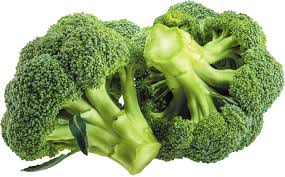
Broccoli (Brassica oleracea var. italica) is a nutrient-dense cruciferous vegetable from the cabbage family, known for its large green (or sometimes purple) flowering head, stalk, and small leaves. It ranks among the top foods on the ANDI score (Aggregate Nutrient Density Index), which measures vitamins, minerals, and phytonutrients relative to calories.
One cup (about 91 g) of chopped raw broccoli provides:
- 31 calories
- 0 g fat
- 6 g carbohydrates (2 g sugar, 2 g fiber)
- 3 g protein
It delivers over 100% of the daily value for vitamin C and vitamin K, plus good amounts of vitamin A, folate, potassium, vitamin B6, and more. Broccoli is low in calories yet packed with fiber, phytochemicals (glucobrassicin, carotenoids like zeaxanthin and beta-carotene, kaempferol), and powerful antioxidants (lutein, sulforaphane).
Consuming more plant foods like broccoli is consistently linked to lower risks of obesity, diabetes, heart disease, and overall mortality, while supporting healthy skin, hair, energy levels, and weight management.
Read Also: 11 Recipes that will make you love Broccoli
11 Amazing Health Benefits of Broccoli
1. Cancer Prevention
Broccoli and other cruciferous vegetables are strongly associated with reduced cancer risk, especially lung, colon, breast, and uterine cancers. Sulforaphane—the sulfur compound giving broccoli its bitter taste—inhibits histone deacetylase (HDAC) enzymes involved in cancer progression. It shows promise in slowing melanoma, esophageal, prostate, and pancreatic cancers. Folate in broccoli supports DNA/RNA production and helps prevent mutations linked to breast, colon, stomach, pancreatic, and cervical cancers.
2. Cholesterol Reduction
Broccoli’s soluble fiber binds bile acids in the digestive tract, helping remove LDL (“bad”) cholesterol from the body. Research from the Institute of Food Research found a specific broccoli variety reduced LDL-cholesterol by about 6%.
3. Reduces Allergic Reactions and Inflammation
Kaempferol in broccoli lessens allergy-related substances. Its omega-3 fatty acids and sulforaphane provide strong anti-inflammatory effects, blocking enzymes that cause joint destruction—making it helpful for arthritis and inflammatory conditions.
4. Powerful Antioxidant Protection
Broccoli is rich in vitamin C (more than a day’s need per cup), flavonoids (which recycle vitamin C), carotenoids (lutein, zeaxanthin, beta-carotene), and other antioxidants. These neutralize free radicals, boost immunity, and protect against cell damage that can lead to chronic diseases.
5. Supports Bone Health
High in vitamin K (over 100% DV per cup) and calcium, broccoli improves calcium absorption, reduces urinary calcium loss, and helps prevent osteoporosis. It also supplies magnesium, zinc, and phosphorus—ideal for children, the elderly, and lactating mothers.
6. Promotes Heart Health
Sulforaphane reduces inflammation that damages blood vessel linings (especially from chronic blood sugar issues). Fiber, healthy fatty acids, and vitamins help regulate blood pressure, lower bad cholesterol, and protect cardiovascular function.
7. Aids Weight Management and Digestion
High fiber content prevents constipation, supports healthy digestion, stabilizes blood sugar, and curbs overeating. Broccoli is low-calorie, high-fiber, and contains plant protein—making it excellent for weight loss and vegetarian diets.
8. Supports Detoxification
Fiber aids toxin elimination through the digestive tract. Broccoli’s phytonutrients and isothiocyanates (including sulforaphane) enhance the body’s natural detox processes at the genetic level.
9. Enhances Skin Health
Vitamin C, copper, zinc, vitamin K, amino acids, and folates maintain skin immunity, protect against infections, and promote natural glow. Antioxidants fight free radicals that cause acne, pigmentation, and premature aging.
10. Benefits Eye Health
Beta-carotene, vitamin A, vitamin C, vitamin E, phosphorus, and B-complex vitamins protect against macular degeneration, cataracts, and damage from blue light/screens, supporting long-term vision health.
11. Anti-Aging Effects
High vitamin C and other antioxidants combat free radicals responsible for aging. Regular consumption helps reduce fine lines, wrinkles, acne, pigmentation, and overall skin aging.
Read Also: Comprehensive Guide on How to Grow Broccoli
How to Incorporate More Broccoli into Your Diet
Broccoli is often disliked when fibrous, woody, or sulfurous—usually due to improper storage or overcooking. For best flavor and texture:
- Store unwashed broccoli in loose or perforated plastic bags in the refrigerator crisper drawer.
- Wash only right before use to prevent mold and limpness.
- Avoid leaving it at room temperature (flavor declines quickly).
Quick ways to enjoy broccoli:
- Sauté chopped broccoli with olive oil, black pepper, and minced garlic.
- Add raw chopped broccoli to wraps or salads.
- Top flatbread or pizza with chopped broccoli before baking.
- Blend into pesto, pasta sauce, soups (with onion and garlic), or casseroles.
Possible Health Risks of Consuming Broccoli
Broccoli is safe for most people as part of a varied diet. Key note:
- If taking blood-thinners (e.g., warfarin/Coumadin), avoid sudden large changes in vitamin K intake, as it affects blood clotting. Consult your doctor.
- Focus on overall dietary variety for best health outcomes rather than relying on one food.
Scientific Evidence and Case Studies on Broccoli Health Benefits
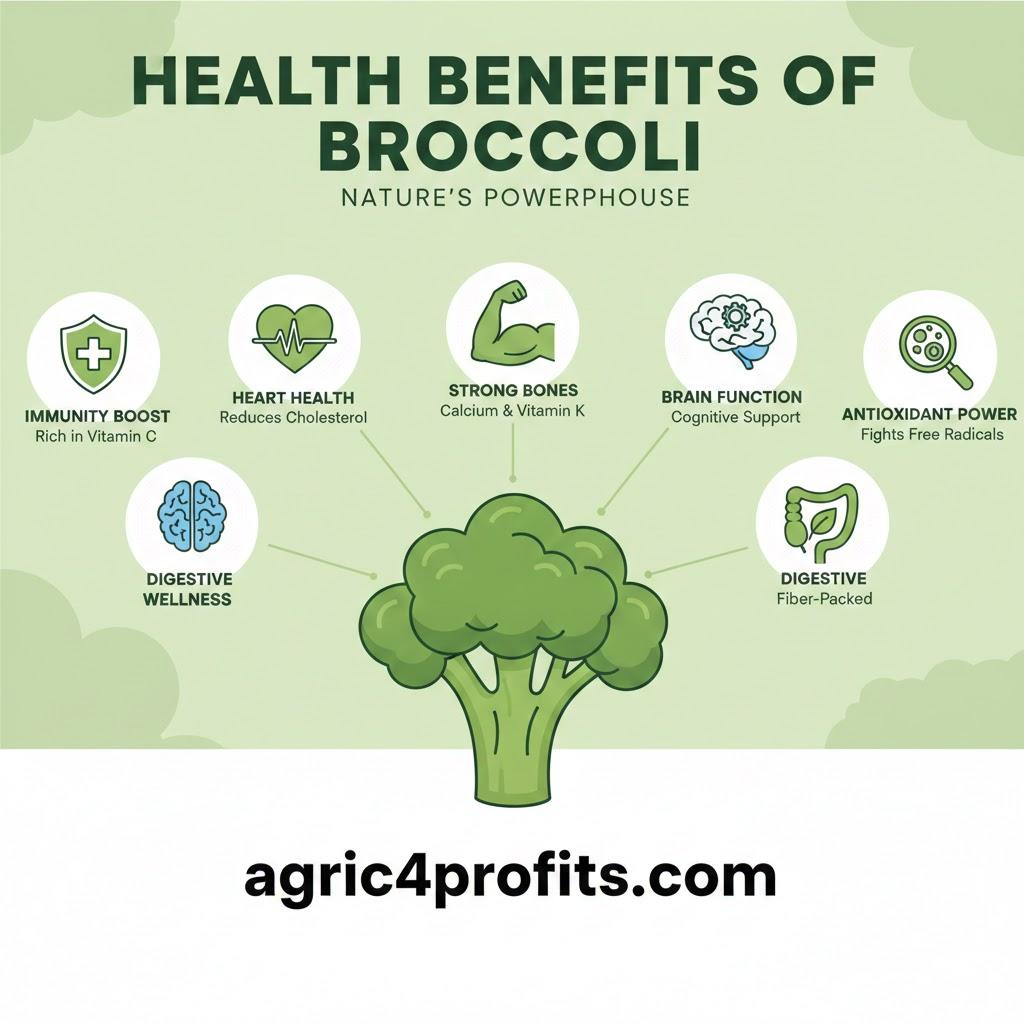
1. Cancer Prevention: High cruciferous intake lowers lung/colon cancer risk; sulforaphane inhibits HDAC enzymes and shows promise against multiple cancers (melanoma, prostate, pancreatic) in lab/animal studies.
2. Cholesterol & Heart Health: Soluble fiber binds bile acids, reducing LDL by ~6% in specific varieties; sulforaphane protects blood vessels and lowers inflammation-related damage.
3. Anti-Inflammatory & Allergy Relief: Kaempferol reduces allergy responses; omega-3s and sulforaphane block joint-damaging enzymes, supporting arthritis management.
4. Bone & Skin Health: Vitamin K (92+ μg/cup) enhances calcium use and reduces fracture risk; vitamin C (81 mg/cup) supports collagen and fights oxidative skin damage.
5. Detox & Digestive Support: Fiber promotes regularity and toxin elimination; isothiocyanates enhance genetic-level detox pathways.
Summary of Broccoli: 11 Amazing Health Benefits
| Aspect | Key Points |
|---|---|
| What is Broccoli? | Brassica oleracea var. italica; cruciferous vegetable; nutrient-dense, low-calorie (31 kcal/cup raw). |
| Nutritional Highlights | High fiber, very high vitamin C & K, good vitamin A, folate, potassium, B6; sulforaphane, glucobrassicin, kaempferol, lutein, zeaxanthin, beta-carotene. |
| Main Health Benefits | Cancer prevention; cholesterol reduction; anti-inflammatory/allergy relief; powerful antioxidant; bone health; heart protection; digestion/weight aid; detoxification; skin care; eye health; anti-aging. |
| Best Preparation | Steam, microwave, stir-fry, or eat raw to preserve nutrients; avoid over-boiling. |
| Storage Tips | Refrigerate unwashed in perforated bag; wash just before use. |
| Recommendations | Include daily (80 g = 1 serving); add to salads, soups, stir-fries, pizza, wraps, or sauces. |
| Safety Note | Consistent vitamin K intake if on blood thinners; prioritize dietary variety. |
| Overall Value | Top-tier superfood with strong evidence for cancer protection, heart/bone health, anti-aging, detoxification, and chronic disease prevention. |
Frequently Asked Questions
1. Why is broccoli considered a superfood?
It’s extremely nutrient-dense with high vitamins C/K/A, folate, fiber, sulforaphane, and antioxidants for very few calories.
2. How does broccoli help prevent cancer?
Sulforaphane inhibits cancer cell enzymes; folate prevents DNA mutations; linked to lower risk of lung, colon, breast, and other cancers.
3. Does broccoli lower cholesterol?
Yes—soluble fiber binds bile acids and removes LDL; specific varieties reduced LDL by ~6% in studies.
4. Can broccoli improve skin and fight aging?
High vitamin C supports collagen, fights free radicals, reduces wrinkles/pigmentation; other antioxidants protect against damage.
5. Is broccoli good for bones?
Yes—over 100% DV of vitamin K plus calcium, magnesium, zinc, and phosphorus support bone density and prevent osteoporosis.
6. How does broccoli support heart health?
Fiber lowers cholesterol/blood pressure; sulforaphane reduces vessel inflammation and damage from blood sugar issues.
7. Does broccoli aid weight loss?
High fiber promotes fullness, stabilizes blood sugar, prevents overeating, and supports digestion—all ideal for weight management.
8. What’s the best way to cook broccoli?
Steam, microwave (short time), or stir-fry to preserve cancer-fighting compounds; raw is nutrient-max but may cause gas.
9. Are there risks to eating broccoli?
Generally safe; maintain consistent vitamin K if on blood thinners; sudden large changes can affect clotting.
10. How much broccoli should I eat?
80 g (about 2 spears or 1 cup chopped) counts as one serving toward your five-a-day goal.
Do you have any questions, suggestions, or contributions? If so, please feel free to use the comment box below to share your thoughts. We also encourage you to kindly share this information with others who might benefit from it. Since we can’t reach everyone at once, we truly appreciate your help in spreading the word. Thank you very much for your support and for sharing!
Disclaimer: This article is for educational and informational purposes only. The health benefits described are based on scientific research and traditional knowledge. They ayre not a substitute for professional medical advice, diagnosis, or treatment. Always consult a healthcare professional before using any herb or natural remedy for medical purposes.
Read Also: Top 20 Proven Benefits of Ginger Plant
Your blog is always a highlight of my day
Thank you so much and we are glad that you find our article very helpful