


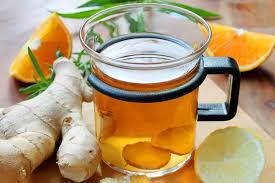
Ginger, a versatile spice with a warm, zesty flavor, has been cherished for centuries in culinary and medicinal traditions. Originating from Southeast Asia, this root is packed with bioactive compounds that offer numerous health benefits. Its distinct aroma and taste make it a staple in global cuisines.
From ancient Ayurveda to modern kitchens, ginger’s reputation as a healing herb endures. Whether grated into stir-fries, brewed as tea, or used in remedies, its versatility is unmatched. Research continues to uncover its therapeutic potential, solidifying ginger’s place in health-conscious lifestyles.
This article explores ginger’s nutritional value, health benefits, and scientific backing. By delving into its properties and practical uses, we aim to provide a comprehensive guide. From boosting immunity to aiding digestion, ginger offers a natural way to enhance well-being.
Ginger’s active compounds, like gingerol, drive its medicinal properties. These elements contribute to its anti-inflammatory and antioxidant effects, making it a powerful ally for health. Understanding its benefits can help you incorporate ginger into your daily routine effectively.
Read Also: Growing Ginger: Step By Step Beginner’s Guide
Nutritional Value of Ginger

Ginger is a nutrient-rich spice that offers a range of vitamins, minerals, and bioactive compounds. Below are ten key nutritional components of ginger, along with their significance and practical uses.
1. Gingerol: This bioactive compound gives ginger its pungent flavor and medicinal properties. Gingerol has potent anti-inflammatory and antioxidant effects, which help combat oxidative stress and inflammation in the body, supporting overall health.
Gingerol’s benefits are best accessed through fresh ginger. Consuming it regularly can enhance immunity and reduce chronic disease risk.
Usage: Add 1-2 teaspoons of freshly grated ginger to smoothies or teas daily for optimal benefits.
2. Shogaol: Found in dried or cooked ginger, shogaol contributes to its spicy taste and therapeutic effects. It has stronger anti-inflammatory properties than gingerol, aiding in pain relief and digestive health. Shogaol’s presence in dried ginger makes it ideal for long-term storage and use in various dishes.
Usage: Use 1 teaspoon of dried ginger powder in soups or baked goods for a health boost.
3. Vitamin C: Ginger contains small amounts of vitamin C, an antioxidant that supports immune function and skin health. It helps protect cells from damage and aids in collagen formation. This nutrient enhances ginger’s role in fighting colds and improving skin elasticity.
Usage: Brew a tea with 1 tablespoon of fresh ginger and a squeeze of lemon for a vitamin C-rich drink.
4. Magnesium: Ginger provides magnesium, which supports muscle and nerve function, as well as energy production. It also aids in regulating blood pressure and maintaining heart health.Magnesium in ginger complements its calming effects on the body. For example, a woman named Sarah reported reduced muscle cramps after adding ginger tea to her routine.
Usage: Infuse 1-2 slices of fresh ginger in hot water daily to support magnesium intake.
5. Potassium: This mineral in ginger helps maintain fluid balance, nerve transmission, and muscle contractions. Potassium supports heart health by regulating blood pressure.Potassium’s presence makes ginger a heart-friendly addition to meals, especially for those monitoring sodium intake.
Usage: Add 1 tablespoon of grated ginger to stir-fries or salads for a potassium boost.
6. Fiber: Ginger contains dietary fiber, which promotes healthy digestion and prevents constipation. Fiber also supports gut health by fostering beneficial bacteria. Fiber in ginger aids in maintaining a healthy digestive system, as seen in John, who improved his digestion with daily ginger tea.
Usage: Blend 1 teaspoon of ginger into smoothies for added fiber.
7. Iron: Ginger provides trace amounts of iron, essential for oxygen transport and energy production. Iron supports red blood cell formation, preventing fatigue. Even small amounts of iron in ginger contribute to overall vitality, especially in plant-based diets.
Usage: Combine 1 teaspoon of ginger juice with spinach smoothies for an iron-rich drink.
8. Vitamin B6: Ginger contains vitamin B6, which supports brain health and metabolism. It aids in neurotransmitter production, improving mood and cognitive function. Vitamin B6 enhances ginger’s role in mental clarity, as noticed by Emily, who felt more focused after consuming ginger regularly.
Usage: Add 1-2 teaspoons of ginger to soups or stews for B6 benefits.
9. Manganese: This trace mineral in ginger supports bone health and metabolism. Manganese also acts as an antioxidant, protecting cells from damage. Manganese makes ginger a valuable addition for bone strength and overall wellness.
Usage: Use 1 teaspoon of ginger powder in baking recipes to incorporate manganese.
10. Zingerone: Found in cooked ginger, zingerone contributes to its antioxidant properties. It helps neutralize free radicals, reducing the risk of chronic diseases. Zingerone’s benefits are evident in cooked dishes, as seen in Mark, who noticed improved energy after adding ginger to meals.
Usage: Cook 1 tablespoon of grated ginger in curries or stir-fries for zingerone’s effects.
Health Benefits of Ginger
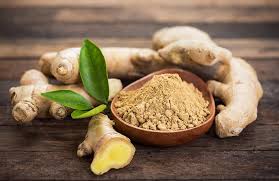
Ginger offers a wide range of health benefits, supported by its bioactive compounds and nutrients. Below are ten key benefits, including practical usage and real-life examples where applicable.
1. Improves Digestion: Ginger stimulates saliva production and bile secretion, easing digestion and reducing bloating. It helps alleviate indigestion and promotes gut motility, making it ideal for post-meal comfort.
This benefit is particularly helpful for those with sluggish digestion. For instance, Anna reported less bloating after drinking ginger tea post-dinner.
Usage: Brew a tea with 1-2 teaspoons of fresh ginger in 1 cup of hot water, consumed after meals.
2. Reduces Nausea: Ginger is highly effective against nausea, including morning sickness and motion sickness. Its compounds calm the stomach and reduce vomiting urges, as shown in clinical studies. This makes ginger a go-to remedy for travelers or pregnant women experiencing nausea.
Usage: Chew on a small piece of fresh ginger (about 1 inch) or sip ginger tea before travel.
3. Lowers Inflammation: Ginger’s gingerol and shogaol reduce inflammation by inhibiting pro-inflammatory cytokines. This helps manage conditions like arthritis and muscle soreness, improving mobility.
Usage: Blend 1 tablespoon of fresh ginger into daily smoothies for anti-inflammatory effects.
4. Boosts Immunity: Ginger’s antioxidants, like vitamin C and gingerol, strengthen the immune system by fighting free radicals. It helps prevent colds and infections, especially during flu season. Regular use can enhance resilience against seasonal illnesses, keeping you healthier year-round.
Usage: Drink a tea made with 1 tablespoon of grated ginger and honey daily.
5. Supports Heart Health: Ginger lowers cholesterol levels and improves blood circulation, reducing the risk of heart disease. Its potassium and magnesium content also support healthy blood pressure. This makes ginger a heart-friendly addition to diets, especially for those at risk of cardiovascular issues.
Usage: Add 1 teaspoon of ginger powder to oatmeal or smoothies for heart health benefits.
6. Relieves Menstrual Pain: Ginger reduces prostaglandin levels, which cause menstrual cramps. Its anti-inflammatory properties provide relief comparable to some pain medications, offering a natural alternative. For instance, Lisa found significant cramp relief by drinking ginger tea during her period.
Usage: Brew 1-2 teaspoons of grated ginger in hot water, consumed 2-3 times daily during menstruation.
7. Aids Weight Management: Ginger promotes satiety and boosts metabolism, aiding in weight control. Its thermogenic properties increase calorie burning, supporting weight loss efforts. This benefit helps those aiming to maintain a healthy weight through natural means.
Usage: Add 1 teaspoon of ginger juice to warm water with lemon, consumed before meals.
8. Improves Brain Function: Ginger’s antioxidants protect the brain from oxidative stress, potentially reducing the risk of cognitive decline. It also enhances focus and memory through improved blood flow. This supports mental clarity, especially in aging populations or busy professionals.
Usage: Include 1-2 teaspoons of fresh ginger in daily meals or teas for cognitive benefits.
9. Fights Infections: Ginger’s antimicrobial properties help combat bacteria and fungi, reducing infection risk. It’s particularly effective against oral pathogens, supporting dental health. This makes ginger a natural ally for maintaining overall hygiene and health.
Usage: Gargle with ginger tea (1 tablespoon grated ginger in 1 cup water) for oral health.
10. Regulates Blood Sugar: Ginger improves insulin sensitivity, helping stabilize blood sugar levels. This is beneficial for managing diabetes or preventing blood sugar spikes after meals.
Usage: Add 1 teaspoon of ginger powder to meals or drinks daily for blood sugar support.
11. Enhances Respiratory Health: Ginger’s anti-inflammatory and antimicrobial properties help clear respiratory infections and reduce symptoms of colds, coughs, and asthma. It acts as a natural expectorant, loosening mucus and easing breathing difficulties.
Usage: Boil 1 tablespoon of grated ginger in 1 cup of water, add honey, and drink twice daily to support respiratory health.
Read Also: Mechanism of Animal Body Defense against Stress
Scientific Evidence and Case Studies on Ginger
1. Anti-Nausea Effects: A study by Ernst and Pittler (2000) found ginger effective in reducing nausea and vomiting, particularly in pregnancy and chemotherapy patients. The research highlighted ginger’s ability to calm the stomach without side effects.
2. Anti-Inflammatory Properties: Lantz et al. (2007) demonstrated that ginger’s gingerol compounds inhibit inflammatory pathways, reducing symptoms in arthritis patients. The study confirmed ginger’s role in managing chronic inflammation.
3. Digestive Health: Hu et al. (2011) showed that ginger accelerates gastric emptying, improving digestion and reducing bloating. The study emphasized its benefits for functional dyspepsia.
4. Menstrual Pain Relief: Ozgoli et al. (2009) found that ginger significantly reduced menstrual pain intensity in women, comparable to ibuprofen. The study supported its use as a natural pain reliever.
5. Blood Sugar Regulation: Khandouzi et al. (2015) reported that ginger supplementation improved fasting blood sugar and insulin sensitivity in type 2 diabetes patients, highlighting its role in glycemic control.
Frequently Asked Questions About Ginger
1. Can ginger help with weight loss?
Yes, ginger promotes satiety and boosts metabolism, aiding weight management. Add 1 teaspoon of ginger juice to warm water daily.
2. Is ginger safe for pregnant women?
Ginger is generally safe for morning sickness in moderation. Consult a doctor and use 1-2 teaspoons of ginger tea daily.
3. Can ginger interact with medications?
Ginger may interact with blood thinners or diabetes drugs. Consult a healthcare provider before regular use.
4. How much ginger is safe to consume daily?
Up to 3-4 grams of ginger (about 1 tablespoon) is safe for most people. Exceeding this may cause stomach upset.
5. Can ginger help with colds?
Yes, ginger’s immune-boosting properties help fight colds. Drink tea with 1 tablespoon of grated ginger and honey.
6. Is fresh or dried ginger better?
Fresh ginger is richer in gingerol, while dried ginger has more shogaol. Both are beneficial; choose based on recipe.
7. Can ginger improve skin health?
Ginger’s antioxidants may reduce skin inflammation. Apply diluted ginger juice topically or consume it in teas.
8. Does ginger help with arthritis pain?
Yes, ginger’s anti-inflammatory properties reduce arthritis pain. Use 1-2 teaspoons in meals or teas daily.
Do you have any questions, suggestions, or contributions? If so, please feel free to use the comment box below to share your thoughts. We also encourage you to kindly share this information with others who might benefit from it. Since we can’t reach everyone at once, we truly appreciate your help in spreading the word. Thank you very much for your support and for sharing!
Disclaimer: This article is for educational and informational purposes only. The health benefits described are based on scientific research and traditional knowledge. They are not a substitute for professional medical advice, diagnosis, or treatment. Always consult a healthcare professional before using any herb or natural remedy for medical purposes.
Read Also: 7 Amazing Health Benefits of Cherries