


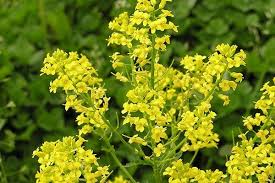
Barbarea vulgaris, commonly known as yellow rocket or winter cress, is a fascinating plant with distinctive botanical characteristics. Below, we will delve into a detailed botanical description of this remarkable species:
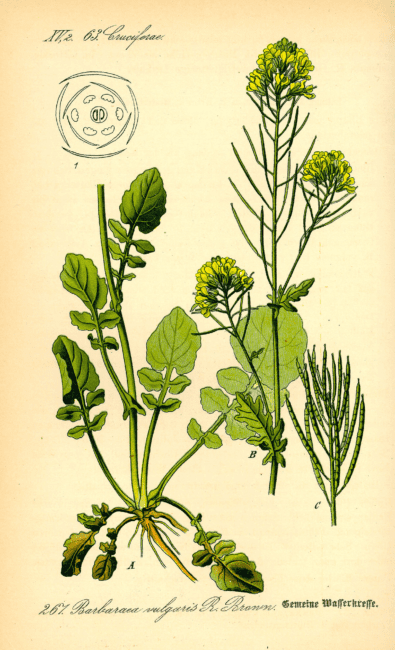
Barbarea vulgaris is a biennial or perennial herbaceous plant belonging to the Brassicaceae family. It typically grows to a height of 20-70 cm (8-28 inches). The plant exhibits an erect, branching stem covered in fine, short hairs, giving it a slightly hairy appearance.
The leaves of Barbarea vulgaris are one of its most distinguishing features. They are deeply lobed, lance-shaped, and arranged in a basal rosette during the first year of growth. These basal leaves are dark green and can be up to 20 cm (8 inches) long. In the second year, when the plant bolts, it produces smaller, narrower leaves along the stem.
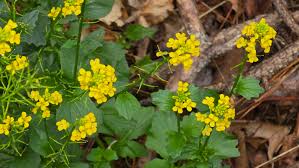
The flowers of Barbarea vulgaris are bright yellow and have four petals, typical of the Brassicaceae family. They form dense clusters of blooms at the ends of the branching stems. The flowering period usually occurs in late spring to early summer. The plant attracts pollinators such as bees and butterflies.
After flowering, Barbarea vulgaris produces elongated seed pods known as siliques. These pods are slender, measuring around 4-7 cm (1.5-2.5 inches) in length. When mature, the siliques split open to release numerous small, oval-shaped seeds. These seeds are dispersed by the wind, aiding in the plant’s propagation.
Barbarea vulgaris is a versatile plant that can be found in various habitats, including meadows, fields, roadsides, and disturbed areas. It has a wide distribution across North America, Europe, and Asia. In some regions, it is considered a common weed, while in others, it is cultivated for its culinary and medicinal uses.
Barbarea vulgaris has historical and cultural significance. It has been used for centuries in traditional herbal medicine and is considered a valuable resource for its medicinal properties.
Read Also: Forms of Phosphorus in Soil and Phosphorus Deficiency and Toxicity
The Medicinal Health Benefits of Barbarea vulgaris (Yellow Rocket)
1. Anti-Inflammatory Properties: Barbarea vulgaris contains anti-inflammatory compounds that can help reduce inflammation in the body, providing relief from conditions like arthritis and muscle pain. These compounds work by inhibiting inflammatory pathways in the body.
2. Immune System Support: This plant is rich in vitamins and antioxidants that strengthen the immune system. Regular consumption can enhance the body’s ability to defend against infections and illnesses by boosting immune cell activity.
3. Digestive Health: Barbarea vulgaris has been traditionally used to alleviate digestive issues. It can soothe an upset stomach, reduce bloating, and promote healthy digestion. The plant’s fiber content aids in regulating bowel movements.
4. Respiratory Health: Compounds found in Barbarea vulgaris, particularly in its leaves and roots, can be beneficial for respiratory health. They may help alleviate symptoms of asthma and bronchitis by relaxing airways and reducing inflammation.
5. Skin Health: Barbarea vulgaris can be used topically to treat skin conditions like eczema and psoriasis. Its anti-inflammatory and antioxidant properties can help reduce redness, itching, and irritation, promoting healthier skin.
6. Antioxidant Power: Antioxidants present in Barbarea vulgaris, such as vitamins C and E, help protect cells from oxidative stress. This can reduce the risk of chronic diseases and slow down the aging process.
7. Cardiovascular Benefits: Regular consumption of Barbarea vulgaris may support heart health. It can help lower blood pressure and cholesterol levels, reducing the risk of heart disease.
8. Pain Relief: Barbarea vulgaris has been used as a natural pain reliever. It can help alleviate various types of pain, including joint pain and headaches, thanks to its analgesic properties.
9. Antimicrobial Effects: Certain compounds in Barbarea vulgaris exhibit antimicrobial properties. They can help combat harmful bacteria and pathogens, contributing to overall health and preventing infections.
10. Weight Management: Incorporating Barbarea vulgaris into a balanced diet may aid in weight management. Its fiber content promotes feelings of fullness, reducing overeating, and supporting healthy weight maintenance.
11. Anticancer Potential: Some preliminary studies suggest that Barbarea vulgaris may have anticancer properties. Certain compounds may inhibit the growth of cancer cells, though further research is needed to fully understand its potential in cancer prevention and treatment.
Read Also: 17 Medicinal Health Benefits of Campeche Basil (Ocimum campechianum)
The Methods of Usage to Achieve the Provided Health Benefits of Barbarea vulgaris (Yellow Rocket)
1. Herbal Infusion: To harness the plant’s medicinal properties, you can prepare an herbal infusion. Simply steep Barbarea vulgaris leaves in hot water for about 10-15 minutes. This herbal tea can be consumed daily to support digestive health, boost immunity, and reduce inflammation.
2. Poultices: For topical applications, create poultices by crushing Barbarea vulgaris leaves and applying them directly to the affected area. This method is beneficial for relieving skin conditions, such as eczema or insect bites, and can provide quick relief.
3. Culinary Use: Barbarea vulgaris leaves are edible and can be used in salads, soups, or as a garnish. Incorporating them into your diet can provide a range of health benefits, including immune system support and digestive health.
4. Tinctures: You can prepare a tincture using Barbarea vulgaris leaves and alcohol (such as vodka or brandy). This method helps extract the plant’s beneficial compounds for long-term storage and use. Tinctures are often used for their immune-boosting and anti-inflammatory properties.
5. Steam Inhalation: To alleviate respiratory issues, especially asthma or bronchitis, inhale the steam of boiled Barbarea vulgaris leaves. This method can help open airways and reduce inflammation in the respiratory tract.
6. Salves and Ointments: Combine Barbarea vulgaris leaves with carrier oil (such as coconut or olive oil) and beeswax to create salves or ointments. These topical preparations are useful for managing skin conditions, such as psoriasis or minor wounds.
7. Capsules or Tablets: Barbarea vulgaris supplements in the form of capsules or tablets are available commercially. These provide a convenient way to incorporate the plant’s health benefits into your daily routine. Ensure you follow the recommended dosage on the product label.
The Side Effects of Using Barbarea vulgaris Medicinal Plant
1. Skin Irritation: When applied topically, Barbarea vulgaris can sometimes cause skin irritation, redness, or itching in individuals with sensitive skin. It’s advisable to perform a patch test before applying it to larger areas.
2. Allergic Reactions: Some people may be allergic to Barbarea vulgaris. Allergic reactions can range from mild symptoms like itching and hives to more severe reactions such as difficulty breathing. Discontinue use if you experience any allergic symptoms.
3. Digestive Disturbances: Consuming Barbarea vulgaris in excessive amounts may lead to digestive discomfort, including stomachaches, bloating, or diarrhea. It’s important to use it in moderation and consult a healthcare professional if such symptoms occur.
4. Photosensitivity: Exposure to sunlight after applying Barbarea vulgaris topically may lead to photosensitivity reactions in some individuals. It’s advisable to avoid sun exposure or use sunscreen when using this herb on the skin.
5. Blood Thinning: Barbarea vulgaris contains compounds that can have mild blood-thinning effects. People on blood-thinning medications or with bleeding disorders should exercise caution and consult a healthcare provider before using it.
6. Interactions with Medications: Barbarea vulgaris may interact with certain medications, including blood pressure medications, diabetes medications, and anticoagulants. Consult a healthcare professional if you’re taking any medications before using this herb.
7. Gastrointestinal Upset: In rare cases, excessive consumption of Barbarea vulgaris may lead to nausea or upset stomach. It’s best to use it in moderation and observe your body’s response.
8. Pregnancy and Breastfeeding: Pregnant and breastfeeding women should exercise caution when using Barbarea vulgaris, as its safety during these periods is not well-established. Consult a healthcare provider before use.
9. Kidney Stones: Barbarea vulgaris contains compounds known as oxalates, which can contribute to the formation of kidney stones in susceptible individuals. If you have a history of kidney stones, it’s advisable to limit your intake of foods or herbs high in oxalates.
Nutritional Value of Barbarea Vulgaris (Yellow Rocket)
1. Vitamin C: Barbarea vulgaris leaves are rich in vitamin C (approximately 50-100 mg per 100 g), supporting immune function, collagen synthesis, and acting as an antioxidant to combat free radicals.
2. Glucosinolates: The plant contains glucosinolates like glucobarbarin, which break down into isothiocyanates, offering potential anticancer and antimicrobial properties.
3. Flavonoids: These antioxidant compounds, including quercetin and kaempferol, reduce oxidative stress and may lower the risk of chronic diseases like heart disease.
4. Dietary Fiber: The leaves provide dietary fiber (about 3-4 g per 100 g), promoting digestive health, regulating blood sugar, and supporting gut microbiota.
5. Vitamin K: Contains vitamin K (estimated 100-200 mcg per 100 g), essential for blood clotting and bone health.
6. Phenolic Compounds: Phenolics contribute to antioxidant and anti-inflammatory effects, protecting against cellular damage and supporting overall health.
7. Calcium: Offers calcium (about 100-150 mg per 100 g), supporting bone health and muscle function, though bioavailability may vary.
8. Iron: Contains iron (approximately 1-2 mg per 100 g), aiding in oxygen transport and preventing anemia, though plant-based iron is less bioavailable.
9. Saponins: These compounds may have antimicrobial and immune-boosting properties, supporting traditional uses for infections.
10. Carotenoids: Trace carotenoids like beta-carotene support eye health and provide additional antioxidant benefits.
The nutritional profile of Barbarea vulgaris, particularly its vitamins, glucosinolates, and flavonoids, makes it a nutrient-dense edible wild plant, often used in salads or traditional remedies when young leaves are harvested.
Scientific Evidence and Case Studies on Barbarea Vulgaris
1. Di Sotto et al. (2012): Di Sotto et al. investigated the chemopreventive effects of Barbarea vulgaris extracts in vitro, finding that glucosinolates and their breakdown products (isothiocyanates) exhibited antimutagenic activity against carcinogens, suggesting potential anticancer properties.
2. Shin et al. (2015): Shin et al. studied the antioxidant and anti-inflammatory effects of Barbarea vulgaris leaf extracts in cell models, showing that flavonoids and phenolic compounds reduced oxidative stress and inflammatory markers, supporting its use for inflammatory conditions.
3. Kusznierewicz et al. (2010): Kusznierewicz et al. analyzed the glucosinolate content of Barbarea vulgaris, confirming high levels of glucobarbarin and its role in antimicrobial activity against pathogens like Escherichia coli, validating its traditional use for infections.
Frequently Asked Questions About Barbarea Vulgaris
1. What is Barbarea Vulgaris?
Barbarea vulgaris, known as yellow rocket, winter cress, or bittercress, is a biennial or perennial herb in the Brassicaceae family, native to Europe and North America, with edible leaves and yellow flowers.
2. How is Barbarea vulgaris used in diets?
Young leaves are eaten raw in salads or cooked as a leafy green, similar to spinach, valued for their peppery, mustard-like flavor; older leaves are bitter and typically avoided.
3. What are the health benefits of Barbarea vulgaris?
It may offer anticancer, antioxidant, anti-inflammatory, and antimicrobial benefits, supporting immune health, infection control, and potentially reducing cancer risk due to glucosinolates and flavonoids.
4. Is Barbarea vulgaris safe to consume?
Young leaves are generally safe in moderation for most people, but excessive consumption may cause digestive upset due to glucosinolates; avoid in large amounts if thyroid issues are present.
5. Can Barbarea vulgaris help with cancer prevention?
Preliminary studies suggest its glucosinolates have antimutagenic effects, but it is not a proven cancer treatment and should not replace medical therapies.
6. What are the main active compounds in Barbarea vulgaris?
Key compounds include glucosinolates (e.g., glucobarbarin), flavonoids (quercetin, kaempferol), phenolic compounds, and carotenoids, driving its health benefits.
7. Where does Barbarea vulgaris grow?
It grows in temperate regions of Europe, North America, and Asia, thriving in moist soils, fields, roadsides, and disturbed areas, often considered a weed.
8. Are there risks associated with Barbarea vulgaris?
Overconsumption may irritate the digestive system or affect thyroid function due to glucosinolates; those with allergies to Brassicaceae plants should avoid it. Consult a healthcare provider for medicinal use.
Do you have any questions, suggestions, or contributions? If so, please feel free to use the comment box below to share your thoughts. We also encourage you to kindly share this information with others who might benefit from it. Since we can’t reach everyone at once, we truly appreciate your help in spreading the word. Thank you very much for your support and for sharing!
Disclaimer: This article is for educational and informational purposes only. The health benefits described are based on scientific research and traditional knowledge. They are not a substitute for professional medical advice, diagnosis, or treatment. Always consult a healthcare professional before using any herb or natural remedy for medical purposes.
Read Also: The Impact of Inhaler Disposal on Our Environment