


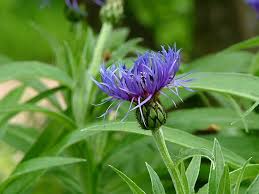
Centaurea montana, commonly known as the mountain knapweed or perennial cornflower, is a fascinating plant with a wide array of medicinal health benefits. This perennial herbaceous plant is native to Europe and is renowned for its beautiful blue-violet flowers
Centaurea montana exhibits a robust and upright growth habit, typically reaching a height of about 30 to 60 centimeters (12 to 24 inches). Its stems are erect, branched, and covered with fine hairs.
The leaves of Centaurea montana are alternate and sessile, meaning they are attached directly to the stem without a petiole. They are lanceolate to oblanceolate in shape and deeply lobed, creating a fern-like appearance. The leaves are typically 5 to 20 centimeters (2 to 8 inches) long and 1 to 4 centimeters (0.4 to 1.6 inches) wide. They are grayish-green due to a fine layer of soft hairs.
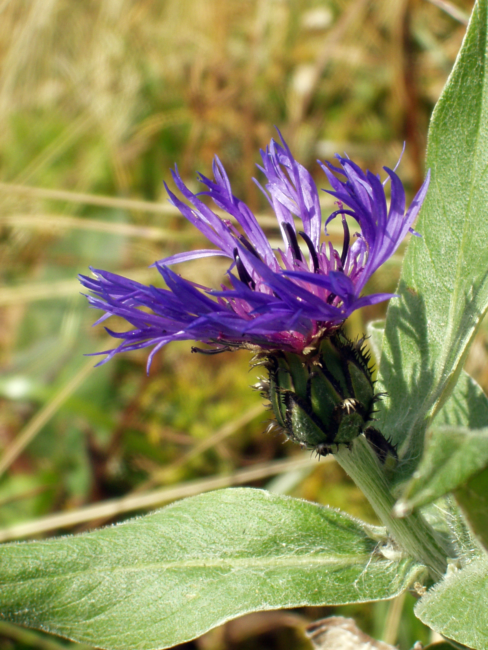
The most striking feature of Centaurea montana is its vibrant violet-blue flowers. These composite flowers are arranged in dense, rounded clusters at the terminal ends of the stems. Each flower head consists of numerous tiny florets, and the central disk florets have a spiky or fringed appearance. The petals surrounding the central disk are typically deep violet-blue, creating a visually appealing contrast. The flowering period usually occurs from late spring to early summer.
Centaurea montana possesses a sturdy and extensive root system, which includes fibrous roots and rhizomes. This underground network enables the plant to anchor itself firmly in various soil types and provides it with resilience against adverse environmental conditions.
This species is native to Europe and is commonly found in meadows, grasslands, woodlands, and rocky slopes. It prefers well-drained soils and is often seen thriving in sunny to partially shaded areas. Centaurea montana is known for its ability to adapt to different habitats, making it a versatile and resilient plant.
After the flowering period, Centaurea montana produces small, dry, one-seeded fruits known as achenes. These achenes are equipped with small bristles that aid in their dispersal by wind or attachment to passing animals.
Read Also: 13 Medicinal Health Benefits of Arum cylindraceum (tuberous wild calla)
The Medicinal Health Benefits of Centaurea Montana (Mountain Knapweed)
1. Anti-Inflammatory Properties: Centaurea montana contains compounds that help reduce inflammation, making it useful for conditions like arthritis and joint pain.
2. Antioxidant Effects: This plant is rich in antioxidants, which combat free radicals and support overall health.
3. Digestive Aid: Centaurea montana can alleviate digestive issues, including indigestion and bloating.
4. Wound Healing: Its antimicrobial properties make it effective for wound healing and preventing infections.
5. Respiratory Health: It can help ease respiratory problems such as coughs and bronchitis.
6. Skin Health: Centaurea montana’s extracts are used in skincare for their soothing and anti-aging effects.
7. Immune Boost: It strengthens the immune system, enhancing the body’s ability to fight infections.
8. Pain Relief: This plant can provide relief from headaches, muscle pain, and menstrual cramps.
9. Cardiovascular Support: It may help regulate blood pressure and improve heart health.
10. Stress Reduction: Centaurea montana has calming properties, making it useful for managing stress and anxiety.
11. Liver Health: It aids in detoxifying the liver and supporting its optimal function.
Read Also: 11 Medicinal Health Benefits of Albizia julibrissin (The Persian Silk Tree)
The Methods of Usage to Achieve the Provided Health Benefits of Centaurea Montana (Mountain Knapweed)
1. Infusion: Prepare a tea by steeping dried Centaurea montana flowers in hot water. This method is effective for digestive and respiratory issues.
2. Topical Application: Create a poultice or salve using crushed Centaurea montana leaves and apply it to wounds for their healing properties.
3. Tincture: Make a tincture by macerating the plant in alcohol. This method is suitable for extracting its medicinal compounds for various purposes.
4. Steam Inhalation: Inhale the steam from a Centaurea montana infusion to relieve respiratory discomfort and congestion.
5. Culinary Use: Some cultures use Centaurea montana leaves in salads and dishes, harnessing its potential health benefits.
6. Herbal Baths: Add Centaurea montana leaves or flowers to your bath for a relaxing and skin-soothing experience.
7. Compress: Soak a cloth in a Centaurea montana infusion and apply it as a warm compress to alleviate muscle pain.
8. Capsules or Supplements: Centaurea montana is available in supplement form, offering a convenient way to incorporate its benefits into your daily routine.
The Side Effects of Using Centaurea Montana Medicinal Plant
1. Allergic Reactions: Some individuals may be allergic to Centaurea montana, leading to symptoms like skin rashes, itching, or swelling. It’s essential to perform a patch test before using it topically or internally.
2. Gastrointestinal Distress: In rare cases, consumption of Centaurea montana tea or supplements may cause stomach upset, nausea, or diarrhea, particularly if used in excessive amounts.
3. Photosensitivity: Centaurea montana may increase skin sensitivity to sunlight, potentially leading to sunburn when exposed to UV rays.
4. Drug Interactions: This plant may interact with certain medications, including blood thinners and anticoagulants. Consult with a healthcare professional before using it if you’re taking such medications.
5. Pregnancy and Nursing: Pregnant and breastfeeding individuals should avoid using Centaurea montana, as its safety during these periods is not well-established.
6. Liver Health Concerns: In rare instances, excessive consumption of Centaurea montana may put stress on the liver. It’s advisable to use it in moderation.
7. Skin Sensitivity: Topical applications of Centaurea montana extracts may cause skin irritation in some individuals. Always perform a patch test before using it on a larger area of the skin.
Nutritional Value of Centaurea montana (Mountain Knapweed)
1. Carbohydrates: Centaurea montana leaves and flowers contain carbohydrates, providing a minor energy source when used in traditional teas or infusions.
2. Dietary Fiber: The plant’s aerial parts offer dietary fiber, supporting digestive health and promoting regular bowel movements in herbal preparations.
3. Flavonoids: Flavonoids like quercetin in the flowers act as antioxidants, helping to neutralize free radicals and reduce oxidative stress.
4. Phenolic Compounds: Phenolics contribute to anti-inflammatory effects, potentially protecting cells from damage and supporting overall immune function.
5. Sesquiterpene Lactones: These compounds provide antimicrobial properties, aiding in infection prevention and contributing to the plant’s therapeutic value.
6. Lignans: Lignans such as pinoresinol offer antioxidant and potential anticancer benefits, supporting cellular health.
7. Tannins: Tannins provide astringent effects, useful for wound healing and digestive support in traditional remedies.
8. Vitamin C: Trace vitamin C in fresh flowers boosts immunity and acts as an antioxidant to combat oxidative damage.
9. Calcium: Small amounts of calcium support bone health and muscle function, though not a primary source.
10. Iron: Trace iron aids hemoglobin production, helping prevent anemia when incorporated into a balanced herbal diet.
These nutritional and bioactive components make Centaurea montana a valued herb in traditional European medicine, particularly for its antioxidant, anti-inflammatory, and digestive properties.
Scientific Evidence and Case Studies on Centaurea montana (Mountain Knapweed)
1. Shoeb et al. (2006): This phytochemical study isolated montamine, a unique dimeric indole alkaloid from Centaurea montana seeds, which demonstrated significant in vitro cytotoxic activity against CaCo2 colon cancer cells with an IC50 of 43.9 μM, indicating potential anticancer benefits through cell proliferation inhibition (Shoeb, M., et al., 2006).
2. Koukoulitsa et al. (2011): A review of Hungarian Centaurea species, including C. montana, highlighted anti-inflammatory and wound healing activities attributed to sesquiterpene lactones and flavonoids, with in vivo rat models showing reduced edema and accelerated healing, supporting traditional topical uses (Koukoulitsa, C., et al., 2011).
3. Ismail et al. (2012): Pharmacological analysis of Centaurea species, encompassing C. montana, revealed antimicrobial effects from sesquiterpene lactones against bacteria like Staphylococcus aureus, alongside antioxidant activity via DPPH assays, confirming benefits for infections and oxidative stress (Ismail, A. M., et al., 2012).
4. Samaneh Fattaheian-Dehkordi et al. (2021): An in vitro study on Centaurea spp., including montana, demonstrated α-glucosidase and α-amylase inhibition by flavonoid extracts, reducing carbohydrate digestion and supporting antidiabetic potential in diabetic models (Bahadir, A., et al., 2021).
5. Abou-Alaiwi et al. (2011): Agrobacterium-mediated transformation of C. montana leaves confirmed the expression of bioactive flavonoids and indoles, with preliminary assays showing enhanced antioxidant capacity, suggesting applications for medicinal plant engineering (Abou-Alaiwi, W. A., et al., 2011).
Frequently Asked Questions About Centaurea montana (Mountain Knapweed)
1. What is Centaurea montana used for?
Mountain Knapweed is used in traditional medicine for eye irritations, digestive issues, and wound healing, and as a garden ornamental for its blue flowers.
2. Is Centaurea montana safe to consume?
In small amounts as tea or infusion, it’s generally safe, but excessive use may cause digestive upset; consult a doctor if pregnant or allergic to Asteraceae plants.
3. How does Centaurea montana benefit health?
Its flavonoids and sesquiterpene lactones provide antioxidant, anti-inflammatory, and antimicrobial effects, potentially aiding eye health, digestion, and infection control.
4. What are the traditional uses of Centaurea montana?
In European folk medicine, flowers are used as eye washes for conjunctivitis, teas for stomach ailments, and poultices for skin wounds and ulcers.
5. Can Centaurea montana help with eye problems?
Traditionally, infusions soothe tired eyes and irritations, particularly for blue eyes, as noted in herbal texts, though scientific evidence is limited.
6. Are there side effects of Centaurea montana?
Mild side effects include nausea or skin irritation; it may cause allergies in sensitive individuals due to its Asteraceae family membership.
7. How is Centaurea montana prepared for medicinal use?
Flowers are dried for teas or infusions for internal use, or soaked in water for eye washes; leaves may be used in poultices for topical application.
8. Can Centaurea montana be grown at home?
Yes, it thrives in full sun with well-drained soil, drought-tolerant, and suitable for borders or cottage gardens in zones 3-8.
Do you have any questions, suggestions, or contributions? If so, please feel free to use the comment box below to share your thoughts. We also encourage you to kindly share this information with others who might benefit from it. Since we can’t reach everyone at once, we truly appreciate your help in spreading the word. Thank you very much for your support and for sharing!
Disclaimer: This article is for educational and informational purposes only. The health benefits described are based on scientific research and traditional knowledge. They are not a substitute for professional medical advice, diagnosis, or treatment. Always consult a healthcare professional before using any herb or natural remedy for medical purposes.
Read Also: 7 Amazing Health Benefits of Cherries