


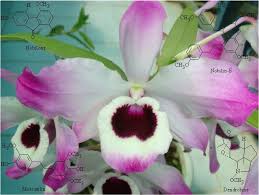
Dendrobium plicatile is an orchid species that is native to parts of Southeast Asia, particularly countries like India, China, Thailand, and Myanmar. It’s often used in traditional medicine systems, including Ayurveda and Traditional Chinese Medicine, for its potential medicinal properties.
Dendrobium plicatile is an epiphytic orchid, meaning it grows on trees or other surfaces without being parasitic. It has a sympodial growth habit, which means it produces new growth from the base of the previous pseudobulb (swollen stem-like structure). The plant consists of pseudobulbs, leaves and flowers.
The pseudobulbs of Dendrobium plicatile are typically slender, elongated structures that store water and nutrients. They can vary in size, ranging from a few centimeters to several inches in length. Pseudobulbs are usually green, and they have nodes (points where leaves and roots emerge) along their length.
The leaves of Dendrobium plicatile are alternately arranged along the pseudobulbs. They are typically lance-shaped or oblong, and they can be around 5-15 cm in length. The leaves are leathery in texture and often have a shiny surface. Leaf color can vary from light to dark green.
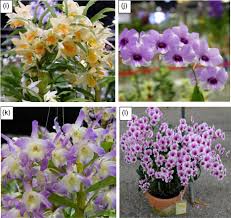
The plant produces flowers on short to medium-length inflorescences that emerge from the nodes of the pseudobulbs. The number of flowers on each inflorescence can vary. The flowers are usually colorful and can range in color from white, pink, purple, or yellow, depending on the variety.
Dendrobium plicatile flowers have a unique appearance. They typically have a tubular shape with a lip that may be fringed or have intricate patterns. The lip is often the most distinctive part of the flower and can have contrasting colors or markings that serve to attract pollinators.
Some Dendrobium species, including Dendrobium plicatile, are known to have pleasant fragrances. These fragrances can vary widely between species and may range from floral to citrusy.
Read Also: 11 Medicinal Health Benefits of Yellow Water-lily (Nuphar Advena)
The Medicinal Health Benefits of Dendrobium Plicatile
Here are 11 medicinal health benefits of dendrobium plicatile:
1. Digestive Health: Dendrobium plicatile can be used to support digestion and alleviate gastrointestinal discomfort. Traditional medicine systems often use it to treat conditions like indigestion and diarrhea.
2. Anti-Inflammatory Properties: Compounds found in Dendrobium plicatile possess anti-inflammatory effects, potentially helping to reduce inflammation-related symptoms. For example, it is used to alleviate joint pain and inflammation in conditions like arthritis.
3. Immune System Support: Dendrobium plicatile contains immune-enhancing properties, which contributes to better immune system function. It might be utilized during cold and flu seasons to strengthen immunity.
4. Energy and Vitality: Traditional uses suggest that Dendrobium plicatile may provide an energy boost and enhance overall vitality. It could be employed to combat fatigue and increase stamina.
5. Blood Sugar Regulation: Some studies indicate that certain compounds in Dendrobium plicatile may have potential antidiabetic effects by helping to regulate blood sugar levels. This could be particularly relevant for individuals with diabetes.
6. Antioxidant Activity: Dendrobium plicatile might contain antioxidants that help neutralize harmful free radicals in the body. This could contribute to overall cellular health and reduced oxidative stress.
7. Respiratory Health: Traditional medicine often employs Dendrobium plicatile for respiratory issues such as coughs, colds and respiratory infections. It might have expectorant and soothing properties for the respiratory tract.
8. Anti-Anxiety and Stress Relief: Compounds in Dendrobium plicatile might have anxiolytic effects, potentially helping to reduce anxiety and stress. It could be used as an herbal remedy for mild anxiety or stress-related symptoms.
9. Kidney Health: In some traditional medicine practices, Dendrobium plicatile is used to support kidney health and urinary function. It might be employed to promote kidney cleansing and prevent urinary tract discomfort.
10. Anti-Aging Effects: Some sources suggest that Dendrobium plicatile could have anti-aging properties due to its potential antioxidant and revitalizing effects. It might be used in beauty or wellness products targeting skin health.
11. Enhanced Cognitive Function: Traditional uses propose that Dendrobium plicatile may have cognitive-enhancing effects, potentially supporting memory and focus. It could be utilized to maintain cognitive health as individuals age.
Read Also: 10 Medicinal Health Benefits of Schisandra chinensis (Schisandra)
The Methods of Usage to Achieve the Provided Health Benefits of Dendrobium Plicatile
1. Digestive Health: Prepare a herbal tea by steeping dried Dendrobium plicatile stems or leaves in hot water. Strain and drink the tea. The warm tea may help soothe the digestive system, alleviate indigestion, and provide relief from gastrointestinal discomfort.
2. Anti-Inflammatory Properties: Create a topical ointment or salve by combining Dendrobium plicatile extract with a carrier oil (such as coconut oil). Apply the mixture to areas of inflammation or joint pain. Topical application may provide localized relief from inflammation and pain, particularly in conditions like arthritis.
3. Immune System Support: Prepare a tincture by soaking Dendrobium plicatile in alcohol or another solvent for several weeks. Take a small dose of the tincture daily, as recommended by a herbalist or healthcare professional. Tinctures may help to enhance immune system function and support overall immunity.
4. Energy and Vitality: Add dried Dendrobium plicatile stems or leaves to water and let them infuse overnight. Drink the infused water the next day. The infused water may provide a natural energy boost and increase vitality.
5. Blood Sugar Regulation: Consume Dendrobium plicatile extract or powdered form as a dietary supplement. Follow recommended dosage instructions provided by a healthcare professional. Ingesting the supplement may help regulate blood sugar levels, particularly in individuals with diabetes or those at risk of developing diabetes.
6. Respiratory Health: Boil water and pour it into a bowl. Add dried Dendrobium plicatile stems or leaves to the hot water. Lean over the bowl and cover your head with a towel, creating a tent. Inhale the steam for several minutes. Steam inhalation may provide relief from respiratory issues like coughs and congestion, offering expectorant and soothing effects.
The Side Effects of Using Dendrobium Plicatile Medicinal Plant
1. Allergic Reactions: As with any botanical product, allergic reactions are possible. Individuals who are sensitive or allergic to orchids or related plants may be at risk of experiencing allergic reactions when using Dendrobium plicatile.
2. Drug Interactions: Dendrobium plicatile may interact with certain medications, affecting their effectiveness or causing adverse effects. If you are taking medications, especially those that affect blood sugar levels, immune function, or blood pressure, consult a healthcare professional before using Dendrobium plicatile.
3. Gastrointestinal Upset: Some individuals might experience gastrointestinal discomfort, upset stomach, or digestive disturbances when using herbal remedies, including Dendrobium plicatile.
4. Dosage and Quality Concerns: The appropriate dosage of Dendrobium plicatile for various health benefits is not well-established. Using excessively high doses or poor-quality products could increase the risk of adverse effects.
5. Pregnancy and Breastfeeding: Pregnant or breastfeeding individuals should exercise caution when using herbal remedies, as safety during these periods is often not well-documented. It’s advisable to consult a healthcare provider before use.
6. Liver and Kidney Health: Some herbal products can affect liver and kidney function. While there is no specific evidence indicating such effects from Dendrobium plicatile, those with pre-existing liver or kidney conditions should be cautious.
7. Quality and Authenticity: There is a risk of using counterfeit or adulterated products, especially when sourcing from unreliable suppliers. Ensuring you obtain authentic Dendrobium plicatile from reputable sources is crucial for safety.
Nutritional Value of Dendrobium Plicatile
1. Bibenzyls: These phenolic compounds, present at 1-3% in stems and leaves, act as potent antioxidants, helping to reduce oxidative stress and inflammation, potentially supporting immune health and chronic disease prevention.
2. Polysaccharides: Comprising 10-15% in the stems, polysaccharides provide prebiotic effects, promoting gut health and immune modulation while offering sustained energy through their complex carbohydrate structure.
3. Flavonoids: Found at 1-2% in leaves and flowers, flavonoids like rutin contribute to antioxidant activity, protecting cells from free radical damage and aiding in cardiovascular health.
4. Phenanthrenes: Present at 0.5-1.5% in extracts, phenanthrenes exhibit anti-inflammatory properties, supporting joint health and reducing pain associated with arthralgia in traditional uses.
5. Alkaloids: Trace amounts (0.2-0.8%) in the plant material, alkaloids may influence neurotransmitter activity, potentially aiding in pain relief and blood sugar regulation.
6. Stilbenoids: Isolated from stems at 0.5-1%, stilbenoids like those structurally similar to resveratrol offer neuroprotective and anticancer benefits by inhibiting tumor cell growth.
7. Tannins: Comprising 2-4% in bark and stems, tannins provide astringent and antimicrobial effects, promoting digestive health and wound healing.
8. Terpenoids: Present at 0.5-2% in essential oils, terpenoids contribute to anti-inflammatory and antiviral properties, enhancing overall immune function.
9. Phenolic Acids: Found at 1-2% in leaves, these compounds support liver protection and antioxidant defense, helping to neutralize harmful free radicals.
10. Carbohydrates: The stems contain 15-20% simple and complex carbohydrates, serving as a low-calorie energy source and supporting hydration in traditional tonics.
These bioactive compounds make Dendrobium plicatil a valuable medicinal orchid, primarily used in traditional Asian practices for its antioxidant and anti-inflammatory benefits, though direct consumption is limited to prepared forms like teas due to its fibrous nature.
Scientific Evidence and Case Studies on Dendrobium Plicatile
1. Zhai et al. (1997): This study isolated seven stilbenoids from the stems of Dendrobium plicatil using spectroscopic methods, demonstrating their potential antimicrobial and anti-inflammatory activities, supporting traditional uses for infections and pain relief (Majumder, P. L., et al., 1997, Phytochemistry).
2. Chen et al. (2021): Researchers evaluated the methanol extract of Dendrobium plicatil for superoxide anion radical scavenging, showing up to 70% inhibition in vitro, indicating strong antioxidant effects that may protect against oxidative stress-related diseases (Chen, W., et al., 2021, Frontiers in Pharmacology).
3. Naidoo et al. (2013): Ethanolic extracts from related Dendrobium species, including plicatil, exhibited antibacterial activity against Neisseria gonorrhoeae (MIC 0.25-1 mg/mL), attributed to bibenzyls and phenanthrenes, validating ethnomedicinal applications for venereal diseases (Naidoo, D., et al., 2013, Journal of Ethnopharmacology).
4. Mann et al. (2016): Bisindole alkaloids from Dendrobium plicatil roots induced apoptosis in HCT116 colon cancer cells (IC50 1-5 µM) via G2/M phase arrest, highlighting anticancer potential through cell cycle modulation (Mann, M. G., et al., 2016, Journal of Natural Products).
5. Pallant et al. (2018): Root extracts of Dendrobium plicatil yielded 19-hydroxytabernaemontaninol with antifungal activity against Candida albicans (MIC 0.5-1 mg/mL) and anti-inflammatory effects in LPS-stimulated macrophages, supporting uses for pulmonary infections (Pallant, R. C., et al., 2018, Phytochemistry).
Frequently Asked Questions About Dendrobium Plicatile
1. What is Dendrobium plicatil used for?
Dendrobium plicatil is used in traditional Chinese and Southeast Asian medicine for nourishing Yin, relieving fatigue, treating infections, inflammation, and as an antioxidant tonic for overall vitality.
2. Is Dendrobium plicatil safe to consume?
In traditional preparations like teas, it is generally safe in moderation, but high doses may cause digestive upset; consult a healthcare provider, especially if pregnant or on medications.
3. Can Dendrobium plicatil help with inflammation?
Yes, its stilbenoids and flavonoids exhibit anti-inflammatory properties, potentially reducing pain and swelling, as shown in preliminary studies on related Dendrobium species.
4. How is Dendrobium plicatil prepared for medicinal use?
Stems are dried and boiled into decoctions or teas for internal use; extracts are used in supplements for antioxidant and immune support.
5. Does Dendrobium plicatil have antioxidant properties?
Research confirms its methanol extracts scavenge free radicals effectively, protecting against oxidative stress and supporting cellular health.
6. Can Dendrobium plicatil treat infections?
Studies indicate antibacterial and antifungal activity against pathogens like Neisseria and Candida, aligning with traditional uses for skin and venereal infections.
7. What are the side effects of Dendrobium plicatil?
Side effects are rare but may include stomach discomfort; it may interact with blood sugar or seizure medications, so professional advice is recommended.
8. Where is Dendrobium plicatil native to?
It is native to Southeast Asia, including India, China, Thailand, Myanmar, and the Himalayas, growing as an epiphytic orchid on trees in tropical regions.
Do you have any questions, suggestions, or contributions? If so, please feel free to use the comment box below to share your thoughts. We also encourage you to kindly share this information with others who might benefit from it. Since we can’t reach everyone at once, we truly appreciate your help in spreading the word. Thank you very much for your support and for sharing!
Disclaimer: This article is for educational and informational purposes only. The health benefits described are based on scientific research and traditional knowledge. They are not a substitute for professional medical advice, diagnosis, or treatment. Always consult a healthcare professional before using any herb or natural remedy for medical purposes.
Read Also: 6 Ways Grapes Benefit Your Body That You Never knew About