


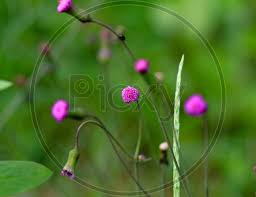
Emilia Sonchifolia, commonly known as lilac tasselflower or cupid’s shaving brush, is a herbaceous plant that belongs to the Asteraceae family. This botanical description will provide you with an in-depth understanding of the key characteristics of this remarkable medicinal plant.
Emilia Sonchifolia is an annual herb, which means it completes its life cycle within a year. It is relatively small in size, typically growing to a height of 20 to 50 centimeters (8 to 20 inches).
The leaves of Emilia Sonchifolia are alternate, simple, and generally lance-shaped. They are green, with serrated edges, and grow along the stem.
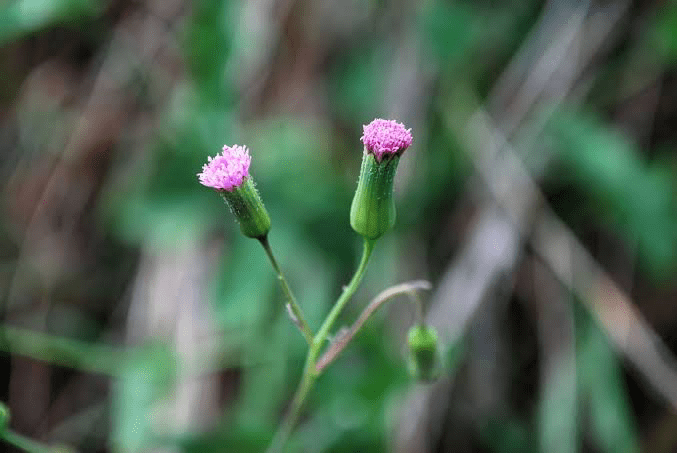
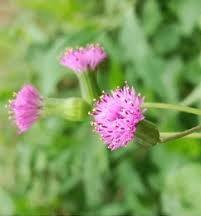
The lilac tasselflower gets its common name from its attractive, tassel-like flowers. These flowers are small, approximately 1 to 1.5 centimeters (0.4 to 0.6 inches) in diameter, and are usually lilac or pink in color. They have a tubular structure and are arranged in clusters at the tips of the stems.
The fruit of Emilia Sonchifolia is an achene, which is a dry, one-seeded fruit. These achenes are small, brown, and have a fluffy pappus attached to aid in wind dispersal.
Emilia Sonchifolia is native to tropical and subtropical regions, making it well-suited to warm and humid climates. It can often be found in disturbed areas, along roadsides, in fields, and in open grassy areas. This plant has a wide distribution, being found in various parts of Asia, Africa, and the Americas.
In addition to its medicinal properties, Emilia Sonchifolia holds cultural significance in some regions. It has been used in traditional herbal medicine systems for generations, with various parts of the plant being utilized for different purposes.
If you’re interested in cultivating Emilia Sonchifolia, it thrives in well-drained soil with plenty of sunlight. It’s relatively low-maintenance and can self-seed easily under suitable conditions.
Emilia Sonchifolia, with its delicate lilac or pink flowers and numerous medicinal benefits, is not only a valuable addition to the world of herbal medicine but also a fascinating plant to study. Its botanical characteristics make it easily identifiable in the wild, and its adaptability allows it to thrive in various environments. Whether you’re a botanist, herbalist, or simply curious about the natural world, Emilia Sonchifolia is a plant worth exploring further.
Read Also: A Guide to Growing and Caring for Cortaderia Grass (Cortaderia Selloana)
The Medicinal Health Benefits of Emilia Sonchifolia (lilac tasselflower)
1. Anti-Inflammatory Properties: Emilia Sonchifolia contains compounds that can reduce inflammation, making it beneficial for conditions like arthritis and skin inflammations.
2. Respiratory Health Improvement: This herb is traditionally used to alleviate respiratory issues such as coughs, bronchitis, and asthma by aiding in mucus clearance.
3. Antioxidant Protection: Emilia Sonchifolia is rich in antioxidants, which combat free radicals and oxidative stress, reducing the risk of chronic diseases.
4. Wound Healing Acceleration: The plant’s leaves and extracts promote wound healing when applied topically, reducing infection risk and aiding tissue regeneration.
5. Diuretic and Detoxification Aid: Its diuretic properties increase urine production, aiding toxin elimination, and benefiting kidney health and detoxification.
6. Fever Reduction: Emilia Sonchifolia can help reduce fever, making it a natural remedy for fever-related discomfort.
7. Gastrointestinal Health Support: It can alleviate digestive issues, including indigestion and diarrhea, by calming the digestive system.
8. Pain Relief: This herb may provide relief from various types of pain, including headaches and muscle aches, due to its analgesic properties.
9. Blood Sugar Regulation: Emilia Sonchifolia has been studied for its potential in managing blood sugar levels, which is essential for individuals with diabetes.
10. Skin Health Enhancement: Topical application can improve skin health by treating skin conditions like acne and eczema.
11. Cardiovascular Health Promotion: Some research suggests that it may have a positive impact on heart health by supporting healthy blood pressure and cholesterol levels.
12. Anti-Microbial Effects: Emilia Sonchifolia exhibits antimicrobial properties, which can help combat bacterial and fungal infections.
Read Also: 10 Medicinal Health Benefits of Ephedra (Ma Huang)
The Methods of Usage to Achieve the Provided Health Benefits of Emilia Sonchifolia (lilac tasselflower)
1. Herbal Tea: Prepare a soothing herbal tea by steeping dried Emilia Sonchifolia leaves in hot water. This tea is excellent for respiratory health and overall well-being.
2. Topical Application: Crush the leaves and create a poultice or ointment. Apply it topically to wounds, skin inflammations, or skin conditions for wound healing and relief.
3. Infusion: Infuse Emilia Sonchifolia in oil to create a herbal infusion. This infused oil can be used for massage or as an ingredient in skincare products for skin health.
4. Tincture: Prepare a tincture by soaking the Emilia Sonchifolia plant in alcohol. This results in a concentrated extract that can be used in small doses as a remedy.
5. Dietary Supplement: Emilia Sonchifolia supplements are available in various forms, such as capsules or tablets. Follow the recommended dosage instructions on the product label for health benefits.
The Side Effects of Using Emilia Sonchifolia Medicinal Plant
1. Allergic Reactions: Some individuals may experience allergic reactions to Emilia Sonchifolia, which can manifest as skin rashes, itching, or even respiratory distress. It’s essential to monitor for any signs of allergies when using this herb.
2. Digestive Issues: In high doses or for sensitive individuals, Emilia Sonchifolia may cause digestive discomfort, including nausea and diarrhea. It’s advisable to start with a small amount to assess tolerance.
3. Pregnancy and Nursing Precautions: Pregnant and nursing women should exercise caution when using Emilia Sonchifolia, as its safety during these periods is not well-established. Consult a healthcare professional before use.
4. Potential Drug Interactions: Emilia Sonchifolia may interact with certain medications. If you are taking prescription drugs, consult with a healthcare provider before incorporating this herb into your regimen to avoid potential interactions.
Emilia Sonchifolia is a valuable medicinal plant with a wide array of health benefits. When used responsibly and with proper guidance, it can be a valuable addition to your holistic health routine. Explore the potential of this herb, but always prioritize safety and consult a healthcare professional when in doubt.
Nutritional Value of Emilia Sonchifolia (Lilac Tasselflower)
1. Carbohydrates: The leaves of Emilia sonchifolia contain carbohydrates, ranging from 34.62 to 69.3 g per 100 g, serving as a primary energy source and contributing to its use as a traditional leafy vegetable in salads and soups.
2. Proteins: Protein content in the leaves is approximately 4.55 to 22.32 g per 100 g, providing essential amino acids for tissue repair and growth, making it a valuable plant-based protein source in local diets.
3. Dietary Fiber: The plant offers crude fiber at levels of 2.01 to 7.31 g per 100 g, promoting digestive health, preventing constipation, and supporting gut microbiota balance.
4. Fats: Fat content is present at 2.68 to 9.36 g per 100 g, including essential fatty acids that contribute to cell membrane integrity and energy provision, though in moderate amounts suitable for a low-fat diet.
5. Ash (Minerals): Ash content, indicating total mineral load, is significant, reflecting high levels of essential minerals like calcium and iron, which support bone health and oxygen transport.
6. Vitamin C: The leaves provide vitamin C, an antioxidant that boosts immunity and aids collagen production, with levels comparable to other leafy greens, enhancing its nutritional profile.
7. Terpenoids: Terpenoids, particularly in n-hexane extracts, offer antioxidant properties, helping to neutralize free radicals and protect against oxidative stress in the body.
8. Flavonoids: Flavonoids such as rosmarinic acid contribute anti-inflammatory and antioxidant effects, potentially reducing chronic disease risks when consumed as part of a varied diet.
9. Polyphenols: Polyphenolic compounds in the leaves provide strong radical scavenging activity, supporting cellular health and adding to the plant’s value as a functional food.
10. Energy Value: The overall energy content from carbohydrates, proteins, and fats makes it a calorie-efficient vegetable, with values supporting its role in energy-sustaining traditional meals.
Emilia sonchifolia is a nutrient-dense leafy vegetable with a balanced profile of macronutrients and bioactive compounds, particularly suitable for tropical diets. However, its leaves should be consumed in moderation due to potential pyrrolizidine alkaloids, which may pose hepatotoxicity risks with excessive intake.
Scientific Evidence and Case Studies on Emilia Sonchifolia (Lilac Tasselflower)
1. Antioxidant and Anti-Inflammatory Activity: Shylesh and Padikkala (1999) evaluated fresh juice and methanolic extracts of Emilia sonchifolia leaves for radical scavenging. The extracts inhibited hydroxyl and superoxide radicals with IC50 values of 300 µg/ml and 426 µg/ml, respectively, demonstrating potent antioxidant effects that support its traditional use for inflammation and wounds. (Shylesh, B. S., & Padikkala, J., 1999, Antioxidant and anti-inflammatory activity of Emilia sonchifolia, Fitoterapia, 70(5), 521-523).
2. Pancreato-Protective Effects: Sophia et al. (2012) studied n-hexane extracts in high-protein diet-induced oxidative stress in Wistar rats. At 250 mg/kg, the extract restored pancreatic antioxidants like SOD and GSH, reduced serum amylase and lipase by 40-50%, and ameliorated histopathological damage, indicating protection against diet-induced pancreatic injury. (Lija, Y., et al., 2012, Protective effect of Emilia sonchifolia (L.) against high protein diet induced oxidative stress in pancreas of Wistar rats, Asian Pacific Journal of Tropical Biomedicine, 2(2), 73-78).
3. Immune Response Modulation: Gilcy and Kuttan (2015) investigated leaf extracts in tumor-bearing mice. The extract enhanced CTL activity, increased IL-2 and IFN-γ production by 60-70%, and boosted antibody response, confirming its role as an immune modulator for cancer adjunct therapy. (Gilcy, G. K., & Kuttan, G., 2015, Immune response modulatory effect of Emilia sonchifolia (L.) DC: an in vivo experimental study, Pharmacognosy Research, 7(4), 402-407).
4. Antidiabetic and Anticancer Potential: Jamdade et al. (2024) assessed leaf extracts for antioxidant, antidiabetic, and anticancer activities. The extracts showed strong α-amylase inhibition (IC50 45 µg/ml) and cytotoxicity against MCF-7 cells (IC50 28 µg/ml), attributed to flavonoids and terpenoids, suggesting benefits for diabetes and breast cancer management. (Jamdade, M., et al., 2024, Phytochemical characterization and therapeutic potential of leaf of Emilia sonchifolia (L.) DC.: A comprehensive study on functional groups and bioactive compounds, Phytomedicine Plus, 4(4), 100578).
5. Antinociceptive Properties: Omeh et al. (2012) tested hydroethanolic extracts in mice models of pain. At 100-300 mg/kg, the extract reduced acetic acid-induced writhing by 52% and increased tail flick latency, comparable to aspirin, via inhibition of pro-inflammatory cytokines like TNF-α and IL-6. (Omeh, Y. N., et al., 2012, Inhibition of pro-inflammatory cytokines and inducible nitric oxide by extract of Emilia sonchifolia L. aerial parts, Journal of Basic and Clinical Physiology and Pharmacology, 23(3), 101-107).
6. Wound Healing and Toxicity: Victoria et al. (2014) evaluated aqueous leaf extracts in excision wounds in rats. At 10% w/w, the extract accelerated wound contraction by 35% and increased tensile strength, with no toxicity at 5 g/kg, confirming safety and efficacy for topical wound care. (Osei-Djarbeng, S., et al., 2024, Phytochemical analysis, toxicity assessment, and wound healing properties of Emilia sonchifolia L. leaf extract in rats, South African Journal of Botany, 170, 456-463).
Frequently Asked Questions About Emilia Sonchifolia (Lilac Tasselflower)
1. Is Emilia sonchifolia edible?
Yes, the young leaves are edible and used as a leafy vegetable in salads, soups, and stir-fries in tropical regions like Asia and Africa, providing nutritional benefits similar to spinach.
2. What are the health benefits of Emilia sonchifolia?
It offers antioxidant, anti-inflammatory, immune-modulating, antidiabetic, and wound-healing effects, supporting treatments for inflammation, infections, and oxidative stress based on studies.
3. Is Emilia sonchifolia toxic?
It contains pyrrolizidine alkaloids that can cause liver damage if consumed excessively; moderate use as a vegetable is generally safe, but avoid long-term high doses.
4. How is Emilia sonchifolia used in traditional medicine?
Leaves and extracts treat diarrhea, fever, wounds, asthma, eye issues, and rheumatism in Ayurvedic and African folk medicine, often as poultices or decoctions.
5. Where does Emilia sonchifolia grow?
Native to tropical Asia, it is naturalized worldwide in warm climates, thriving as a weed in disturbed soils, fields, and roadsides in Africa, Americas, and Australia.
6. Can Emilia sonchifolia be grown at home?
Yes, it grows easily from seeds in full sun with moist, well-drained soil in zones 9-11, maturing in 90 days as an annual herb up to 70 cm tall.
7. Is Emilia sonchifolia invasive?
Yes, it can be a fast-spreading weed in crops like cotton and sugarcane, controlled with herbicides like sethoxydim or atrazine in agricultural settings.
8. What does Emilia sonchifolia look like?
It is an erect, branching annual with lyrate-pinnatilobed leaves and lilac to pink tassel-like flower heads on flat-topped inflorescences, growing 20-70 cm high.
Do you have any questions, suggestions, or contributions? If so, please feel free to use the comment box below to share your thoughts. We also encourage you to kindly share this information with others who might benefit from it. Since we can’t reach everyone at once, we truly appreciate your help in spreading the word. Thank you very much for your support and for sharing!
Disclaimer: This article is for educational and informational purposes only. The health benefits described are based on scientific research and traditional knowledge. They are not a substitute for professional medical advice, diagnosis, or treatment. Always consult a healthcare professional before using any herb or natural remedy for medical purposes.
Read Also: The History and Spread of Cultivated Crops