


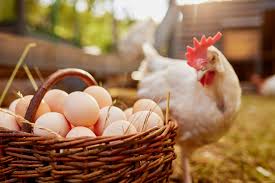
Eggs are one of the most widely consumed foods in the world, yet most people know surprisingly little about them beyond how to cook them. They are a rich source of B vitamins, complete protein, and essential nutrients. Research has also shown that a breakfast of eggs, compared to cereal or no breakfast at all, helps people reduce cravings for sugary and fatty foods later in the day.
Before getting into the detailed facts, here is a quick list of things about eggs that most people do not know:

i. Eggs contain the highest quality protein you can buy.
ii. Yolk color depends on the diet of the hen, not the quality of the egg.
iii. An average hen lays 300 to 325 eggs per year.
iv. To tell if an egg is raw or hard-cooked, spin it. A hard-cooked egg spins smoothly. A raw egg wobbles.
v. Eggs age more in one day at room temperature than in one week in the refrigerator.
vi. It takes a hen 24 to 26 hours to produce a single egg.
vii. Egg yolks are one of the few natural food sources of vitamin D.
viii. A large egg contains only 70 calories and 5 grams of fat.
ix. As a hen grows older, she produces larger eggs.
x. If an egg is dropped on the floor, sprinkle it heavily with salt for easy clean-up.
xi. Egg protein has exactly the right mix of essential amino acids needed by humans for building tissues. It is second only to mother’s milk for human nutrition.
xii. The fastest omelette maker in the world made 427 two-egg omelettes in 30 minutes. American Egg Board’s Howard Helmer holds the Guinness World Record for omelette making and is known as the Omelette King.
Read Also: Vaccination Program for Poultry Chickens
1. Egg Yolks Help Brain Development
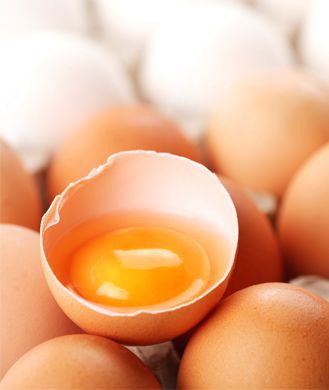
Egg yolks are one of the richest dietary sources of choline, a B-complex vitamin linked to better neurological function and reduced inflammation. There is strong evidence that dietary choline supports fetal brain development, making eggs particularly valuable for pregnant women.
Choline also plays a role in mood and mental health. It breaks down into betaine, which is used in the methylation cycle, a biochemical process that helps produce neurotransmitters including serotonin, dopamine, and norepinephrine. These are the chemicals most associated with mood regulation and a sense of wellbeing. A diet consistently rich in choline may support better mental health outcomes over time.
2. Eggs Are a Perfect Protein

Eggs are considered the gold standard of protein quality in nutrition science. All of the protein found in an egg can be absorbed and used by the body. This makes egg protein one of the most bioavailable protein sources available, meaning your body wastes very little of what it takes in. Every essential amino acid is present in the right proportion for human tissue building, repair, and maintenance.
3. The Age of the Chicken Matters
When it comes to egg quality, the age of the hen plays a role that most buyers never consider. Research published in poultry science found that both very young hens at around 28 weeks of age and older hens at around 97 weeks were more likely to produce eggs with lower solid content compared to hens in the middle of their productive lives.
This has practical implications. Young and older birds may be better suited for producing table eggs for direct consumption, while hens at peak productive age are better suited for liquid egg production where solid content and consistency matter more to processors.
Read Also: Bird flu in the Poultry Farm and How to tackle it
4. What Egg Yolk Color Really Means
A deep yellow yolk does not automatically mean a more nutritious egg. According to the American Egg Association, yolk color reflects the hen’s diet rather than the nutritional value of the egg itself. Hens fed grains and grasses rich in carotenoids such as lutein and zeaxanthin produce yolks with a deeper, more vibrant yellow color.
What yolk color may indicate is the range and diversity of what the hen has been eating. Free-range hens with access to a greater variety of foods are more likely to produce deeper yellow yolks. This can be a rough indicator of a more varied diet, but it does not directly translate to measurably higher nutrition in every case.
5. Cloudy vs. Clear Egg White

The clarity of an egg white tells you how fresh the egg is. Fresh eggs have a milky, slightly opaque white. As the egg ages, the white becomes clearer and more transparent. If you crack an egg and the white looks noticeably clear and watery, that is a sign the egg has been sitting for a while. It is still likely safe to eat if stored properly, but it is not as fresh as one with a cloudy white.
6. Brown vs. White Eggs: There Is No Difference
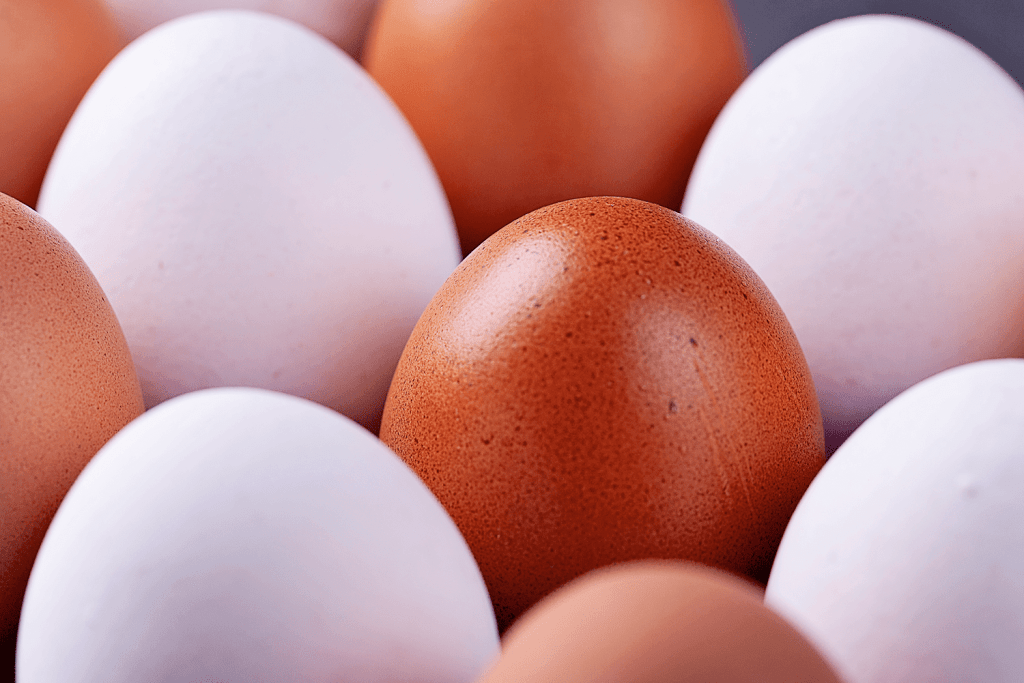
Shell color is determined entirely by the breed of chicken. It has nothing to do with the nutritional value of the egg, the health of the hen, or how the hen was raised. Brown eggs and white eggs are nutritionally identical when laid by hens on equivalent diets. Choose based on price and availability. The color of the shell tells you nothing useful about what is inside.
7. Eggs Are Good for Longer Than You Think
Eggs are typically packed within a week of laying. Under USDA regulations, the pack date can be up to 30 days from when the eggs left the coop. The sell-by date must fall within one month of the pack date, giving eggs a total shelf life of around two months from laying. Beyond that, the USDA indicates eggs may still be safe and good to eat for a further three to five weeks after the sell-by date passes, provided they have been stored correctly in the refrigerator the entire time.
Summary on 7 Poultry Eggs Fascinating Facts

| Fact | Key Information |
|---|---|
| Protein Quality | Eggs contain the highest quality, most bioavailable protein available. Second only to mother’s milk for human nutrition. |
| Choline and Brain Health | Egg yolks are one of the richest sources of choline, which supports brain development, neurological function, and mood. |
| Hen Age and Egg Quality | Middle-aged hens produce eggs with the highest solid content. Very young and old hens produce lower-solid eggs. |
| Yolk Color | Reflects the hen’s diet, not egg nutrition directly. Deeper color often means more diverse feed access. |
| Egg White Clarity | Cloudy white means fresh. Clear white means the egg has aged. |
| Shell Color | Determined by hen breed only. Brown and white eggs are nutritionally identical. |
| Shelf Life | Safe for 3 to 5 weeks beyond the sell-by date when refrigerated properly. |
| Laying Rate | Average hen lays 300 to 325 eggs per year, taking 24 to 26 hours per egg. |
| Egg Size and Hen Age | Older hens produce larger eggs. |
| Calorie Content | Only 70 calories and 5 grams of fat per large egg. |
| Vitamin D | Egg yolks are one of the few natural food sources of vitamin D. |
| Freshness Test | Spin the egg. Hard-cooked eggs spin smoothly. Raw eggs wobble. |
Frequently Asked Questions About Poultry Eggs Fascinating Facts
1. Why are eggs considered the gold standard of protein?
Eggs provide complete protein with all nine essential amino acids in the exact proportions the human body needs for tissue building and repair. More importantly, all of the protein in an egg is fully absorbable and usable by the body. No other common food matches this level of protein bioavailability, which is why eggs are used as the benchmark against which other protein sources are measured.
2. What does choline in egg yolks actually do for the brain?
Choline is essential for building and maintaining cell membranes in the brain and nervous system. It supports nerve signal transmission and is directly involved in the production of neurotransmitters including serotonin, dopamine, and norepinephrine, all of which regulate mood and cognitive function. During pregnancy, adequate choline intake is particularly important because it supports fetal brain development at a stage when deficiencies can have lasting effects.
3. Does a deeper yellow yolk mean a better egg?
Not necessarily. Yolk color reflects the carotenoid content of the hen’s diet, not the overall nutritional quality of the egg. A hen fed grains and grasses rich in lutein and zeaxanthin will produce a deeper yellow yolk. A free-range hen with access to diverse foods is more likely to produce deep yellow yolks than a confined hen on a uniform grain diet. But yolk color alone is not a reliable measure of nutritional superiority.
4. How can I tell if an egg is fresh without cracking it?
Spin the egg on a flat surface. If it spins smoothly and evenly, it is hard-cooked. If it wobbles during spinning, it is raw. To check freshness before cracking, place the egg in a bowl of water. Fresh eggs sink and lay flat. Slightly older eggs sink but tilt upward at one end. Eggs that float are old and should not be eaten.
5. How long can I safely store eggs in the refrigerator?
Eggs are typically packed within a week of laying and have a sell-by date set within one month of packing. According to the USDA, eggs stored consistently in the refrigerator can remain safe and good to eat for three to five weeks beyond the sell-by date. The key is consistent refrigeration. Eggs that have been left at room temperature age much faster and should not be relied on for the same extended shelf life.
6. Is there any nutritional difference between brown and white eggs?
No. Shell color is determined entirely by the breed of hen. It has no relationship to nutritional content, flavor, or the conditions in which the hen was raised. When hens of different breeds are kept under identical conditions and fed identical diets, their eggs will have the same nutritional profile regardless of shell color. Choose based on price and what is available.
7. Why does egg white appear cloudy in fresh eggs?
The cloudiness in a fresh egg white is caused by dissolved carbon dioxide gas that has not yet escaped through the shell. As the egg ages and carbon dioxide gradually escapes, the white becomes clearer. A clear egg white is a sign of age, not spoilage. The egg may still be safe to eat if stored properly, but a cloudy white is the indicator of a fresher egg.
8. How many eggs does a hen lay in a year and how long does each egg take to form?
A productive laying hen produces between 300 and 325 eggs per year under good conditions. Each egg takes 24 to 26 hours to form completely inside the hen from the release of the yolk to the completion of the shell. Shortly after laying one egg, the process begins again for the next one.
9. Does hen age affect the quality of eggs I buy?
Yes. Research shows that middle-aged hens produce eggs with the highest solid content, which affects consistency and quality for processing purposes. Very young hens and older hens tend to produce eggs with lower solid content. For consumers buying table eggs, this difference is less noticeable in day-to-day cooking, but it matters more in commercial food production where egg consistency is critical.
10. Are eggs a good food choice for people trying to manage their weight?
Yes. Eggs are low in calories at around 70 per large egg and high in protein and fat, both of which promote satiety. Research shows that eating eggs for breakfast reduces cravings for sugary and fatty foods later in the day and leads to lower total calorie consumption compared to carbohydrate-heavy breakfasts. The absence of carbohydrates in eggs also means they do not cause blood sugar spikes and subsequent hunger crashes that drive overeating.
Do you have any questions, suggestions, or contributions? If so, please feel free to use the comment box below to share your thoughts. We also encourage you to kindly share this information with others who might benefit from it. Since we can’t reach everyone at once, we truly appreciate your help in spreading the word. Thank you very much for your support and for sharing!
Read Also: Comprehensive Guide on How to start Cockerel Farming Business