


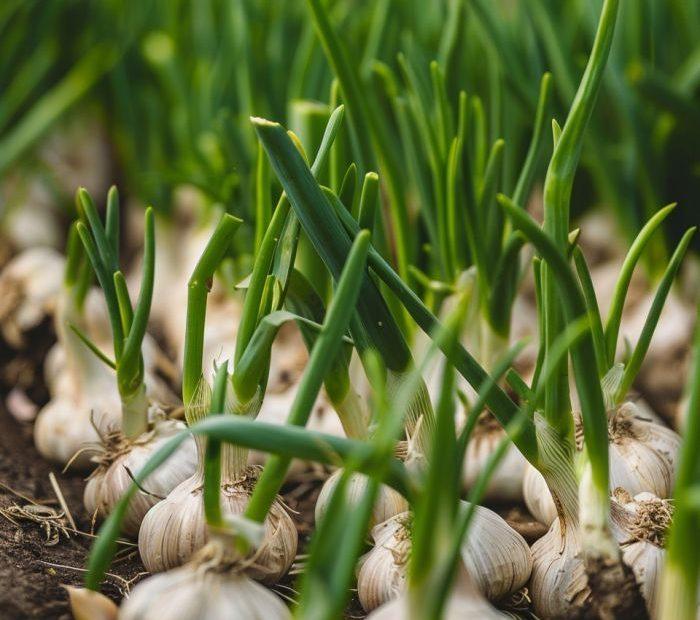
The garlic plant is a natural and medicinal herb used by many people around the world. Garlic is said to be very medicinal because of its antibacterial and antiseptic nature.
However, over the years garlic has played a major role in the medicinal aspect and also most importantly, in the kitchen.
Garlic contains a very important compound called “Allicin.” This compound is said to be rich in minerals like vitamins C and K, niacin, thiamine, potassium, and e.t.c. All these compounds are found abundantly in garlic.
In this article, we’ll be highlighting the essential health benefits of garlic that you may not know. So let’s get into it!
13 Health Benefits of Garlic Plant (Allium sativum)
(1) Wards Off Cough and Cold
Raw garlic contains compounds that help in warding off cold and cough infections.
According to our research, hanging garlic or using garlic as a necklace for babies helps to prevent the symptoms of congestion.
However, eating two crushed garlic cloves on an empty stomach has the maximum benefit.
(2) Good for Cardiac Health
Garlic also helps in keeping the heart-healthy. This is because of the compound Allicin, found in garlic.
It is also good for people with high blood pressure or hypertension as it reduces the level of (LDL) bad cholesterol in the body, thereby reducing the incidence of the blood clot.
So it is highly recommended for patients with hypertension.
Read Also: 18 Health Benefits of Ginger and Garlic Tea to Lose Weight and others
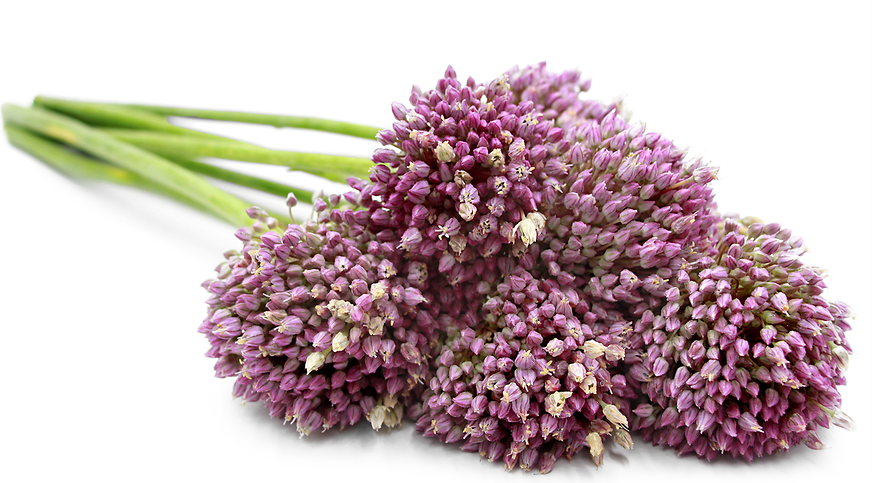 Garlic plant flower (fully grown garlic plant)
(3) Improves Brain Functioning
Garlic also helps in promoting a healthy and functional brain, it also helps to fight other brain-related diseases.
However, garlic contains antioxidant and anti-inflammatory properties, making it effective against neurodegenerative diseases like Alzheimer’s and dementia.
(4) Improves Digestion
Garlic when eaten, plays a major role in improving the health of the gut. Eating raw garlic helps to clear out intestinal worms.
The good thing is that it destroys the bad bacteria and protects the good bacteria in the gut, thereby improving digestion.
(5) Balances Blood Sugar
Those who suffer from diabetes observe their blood sugar levels regulating the consumption of raw garlic.
(6) Boosts Immunity
Garlic contains a mineral called Zinc, it also protects the DNA from free radicals that may harm or damage it. Zinc in garlic helps in promoting immunity.
It also contains Vitamin C, which helps to fight off infections. It is very beneficial against eye and ear infections as it has antimicrobial properties.
Read Also: List of Investment Opportunities in Garlic (Allium sativum)
(7) Improves Skin Health
Garlic contains compounds that help prevent acne scars.
Cold sores, psoriasis, rashes, and blisters can all benefit from the application of garlic juice.
Garlic also protects the skin against UV rays and therefore prevents aging.
(8) Prevents Cancer and Peptic Ulcer
Due to the high amount of antioxidants in garlic, it protects the body against diseases and problems like colon cancer, stomach, bladder, and lung problems.
(9) Good for Weight Loss
Recent studies have shown garlic to reduce the expression of genes responsible for the formation of adipose cells which store fat.
Garlic also promotes thermogenesis in the body, thereby leading to the burning of more fat and the lowering of bad cholesterol.
Apart from the fact that it is good for weight loss, garlic is highly nutritional.
One clove of raw garlic, which is around 3 grams, contains:
- Manganese
- Vitamin B6
- Vitamin C
- Selenium
- Fiber
- Amounts of calcium, copper, potassium, iron, etc.
Read Also: Which Herbs and Spices are good for you (cinnamon, paprika, etc)
(10) Reduces Blood Toxicity
Garlic helps in filtering the blood and removing toxins. For people who are susceptible to lead poisoning due to occupational hazards, garlic may be the best organic solution.
Garlic can also serve as an alternative for than d-Penicillamine, for which both are used in treating lead poisoning.
(11) Overcome Oestrogen Deficiency
Lack of female hormone known as estrogen due to irregular production of a protein known as a cytokine may lead to menopause in older women.
However, eating garlic has been seen to regulate this to some extent and therefore, may be effective in overcoming estrogen deficiency after menopause.
(12) Reduce Effects or Onset of Osteoarthritis
Adding garlic to your diet today can help reduce the onset of osteoarthritis. Garlic also contains a rare compound known as diallyl disulfide.
This compound helps to maintain bone density and therefore can potentially delay the onset of bone-related diseases like osteoarthritis.
(13) Prevent Heart Blockages
Consuming a healthy dose of garlic can help reduce the excessive clotting effect of platelets on the blood.
Garlic is also believed to help reduce the stickiness of the platelets in your blood. These platelets are responsible for the clotting of blood.
Scientific Evidence and Case Studies on 13 Health Benefits of Garlic Plant (Allium sativum)
1. Cardiovascular protection (blood pressure & cholesterol): Multiple meta-analyses show garlic supplements (especially aged garlic extract) significantly reduce systolic and diastolic blood pressure (by 4-8 mmHg) and total/LDL cholesterol in hypertensive individuals.
2. Immune enhancement and cold prevention: Randomized trials demonstrate that daily garlic consumption reduces the incidence of colds by up to 63% and shortens cold duration by ~1.5 days due to allicin and other sulfur compounds stimulating immune cell activity.
3. Antibacterial and antimicrobial effects: Allicin exhibits strong in vitro activity against a wide range of bacteria (including multi-drug resistant strains), Helicobacter pylori (linked to ulcers), and fungi, supporting traditional use for infections and gut health.
4. Anticancer potential: Epidemiological studies link higher garlic intake to reduced risk of stomach, colorectal, lung, and prostate cancers; organosulfur compounds (e.g., diallyl disulfide) induce apoptosis, inhibit tumor growth, and block carcinogen activation in cell and animal models.
5. Antioxidant and anti-inflammatory benefits: Garlic increases antioxidant enzyme activity (e.g., superoxide dismutase, catalase) and reduces inflammatory markers (e.g., CRP, TNF-α), protecting against oxidative stress, neurodegeneration, and chronic diseases.
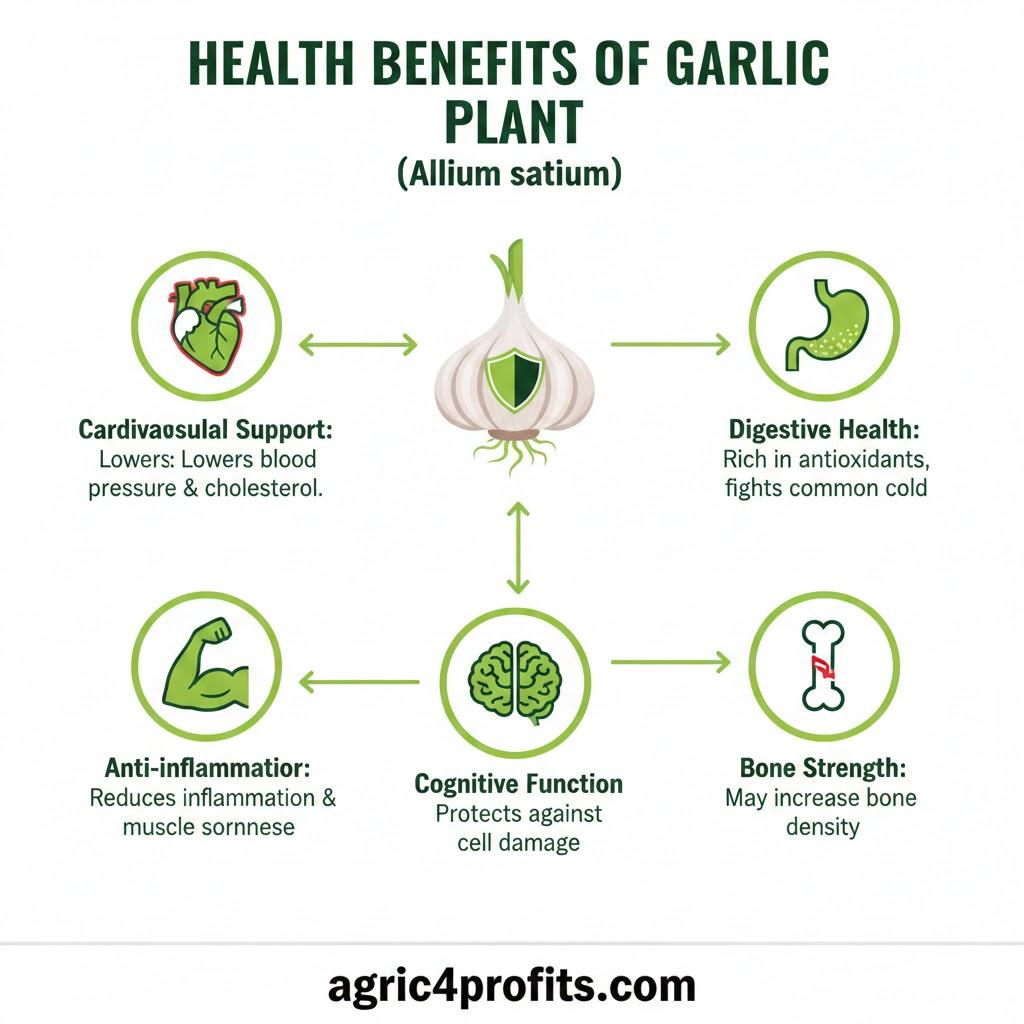
Summary of 13 Health Benefits of Garlic Plant (Allium sativum)
| Benefit | Key Mechanism / Compound | Main Effects / Supporting Evidence |
|---|---|---|
| Wards off cough & cold | Allicin, sulfur compounds | Reduces cold incidence & duration; boosts immune response |
| Cardiac health | Allicin, S-allyl cysteine | Lowers BP, LDL cholesterol, prevents clots & atherosclerosis |
| Brain function | Antioxidants, anti-inflammatory | Protects against Alzheimer’s, dementia; improves cognition |
| Digestion & gut health | Allicin (antibacterial) | Kills parasites, bad bacteria; supports beneficial flora |
| Blood sugar balance | Sulfur compounds | Improves insulin sensitivity; helps regulate glucose levels |
| Immunity boost | Zinc, vitamin C, allicin | Enhances white blood cells; fights infections |
| Skin health | Antioxidants, antimicrobial | Reduces acne, scars, UV damage; treats rashes & cold sores |
| Cancer & ulcer prevention | Organosulfur compounds | Inhibits tumor growth; protects stomach lining |
| Weight loss | Gene regulation, thermogenesis | Reduces fat cell formation; increases fat burning |
| Blood detoxification | Sulfur compounds | Chelates heavy metals (e.g., lead); supports liver function |
| Estrogen regulation | Phytoestrogenic effects | May alleviate menopausal symptoms |
| Osteoarthritis prevention | Diallyl disulfide | Maintains bone density; reduces cartilage damage |
| Prevents heart blockages | Anti-platelet activity | Reduces platelet aggregation & excessive clotting |
Frequently Asked Questions
1. What is the most powerful compound in garlic?
Allicin, formed when raw garlic is crushed or chopped, is the key sulfur compound responsible for many of garlic’s antibacterial, antiviral, antioxidant, and cardiovascular benefits.
2. How should garlic be consumed for maximum health benefits?
Raw garlic (crushed or chopped and allowed to sit 10-15 minutes to maximize allicin formation) provides the strongest effects; eating 1-2 cloves daily on an empty stomach is a common traditional and evidence-based approach.
3. Does garlic really help lower blood pressure?
Yes, numerous clinical trials and meta-analyses show garlic supplements or raw garlic can reduce systolic and diastolic blood pressure by 4-10 mmHg in people with hypertension, comparable to some medications.
4. Can garlic prevent or treat colds and infections?
Yes, randomized controlled trials indicate daily garlic intake reduces cold occurrence by up to 63% and shortens duration, thanks to its antiviral and immune-stimulating properties.
5. Is garlic effective against cancer?
Observational studies associate higher garlic consumption with lower risk of stomach, colorectal, lung, and prostate cancers; lab and animal research shows organosulfur compounds inhibit cancer cell growth and promote detoxification.
6. Does garlic help with blood sugar control in diabetes?
Yes, studies show garlic improves insulin sensitivity, lowers fasting blood glucose, and reduces HbA1c in type 2 diabetes patients, likely due to its antioxidant and anti-inflammatory effects.
7. How does garlic support heart health beyond blood pressure?
It lowers LDL (“bad”) cholesterol, reduces platelet stickiness to prevent clots, improves arterial flexibility, and decreases oxidative stress—multiple mechanisms that lower overall cardiovascular risk.
8. Can garlic improve skin conditions?
Yes, its antimicrobial and antioxidant properties help reduce acne, cold sores, psoriasis, and UV damage; topical garlic juice or extracts are used traditionally and show promise in small studies.
9. Is garlic good for weight loss?
Preliminary research suggests garlic may suppress fat cell formation, increase thermogenesis (fat burning), and lower bad cholesterol, supporting modest weight management when part of a healthy diet.
10. Are there any precautions or side effects with garlic?
Garlic is generally safe but may cause bad breath, body odor, heartburn, or digestive upset. It can thin blood, so consult a doctor if taking anticoagulants, before surgery, or if you have bleeding disorders.
Do you have any questions, suggestions, or contributions? If so, please feel free to use the comment box below to share your thoughts. We also encourage you to kindly share this information with others who might benefit from it. Since we can’t reach everyone at once, we truly appreciate your help in spreading the word. Thank you very much for your support and for sharing!
Disclaimer: This article is for educational and informational purposes only. The health benefits described are based on scientific research and traditional knowledge. They ayre not a substitute for professional medical advice, diagnosis, or treatment. Always consult a healthcare professional before using any herb or natural remedy for medical purposes.
Read Also: 3 Ways to Make Money from Old or Used Battery