


Cohosh is a plant. People use its roots to make medicine. Some people call it black cohosh or blue cohosh. This plant grows in North America. Native Americans used it for many years to treat health issues. Now, let’s see how cohosh can help people.
Cohosh may help women with problems like hot flashes. These are feelings of sudden warmth, especially in the face and upper body. Some women get hot flashes during menopause, which is when they stop having their monthly periods. Cohosh might make these hot flashes less intense.
Also, cohosh can help with menstrual pain. When women have their periods, they might feel pain in their belly. Taking cohosh could ease this pain and make periods more bearable.
Sometimes, cohosh is used to help pregnant women. It can help induce labor, which means making the baby come out. But it’s essential to use cohosh carefully in this situation and only under medical supervision.
Cohosh has been studied for other things too, like mood swings and sleep problems. Some people say it helps them feel better and sleep better, but more research is needed to be sure.
Using cohosh is not without risks. It might cause side effects like upset stomach or headache. And it’s not suitable for everyone, especially if you have certain medical conditions or take specific medications. Always talk to a doctor before trying cohosh.
In addition, cohosh is a plant with potential health benefits, especially for women going through menopause or dealing with menstrual pain. But it’s essential to use it wisely and consult a healthcare professional before using it, as it may have side effects and interactions with other medications.
Read Also: Principles of Plant Analysis Data Interpretation
13 Health Benefits of Cohosh Plant
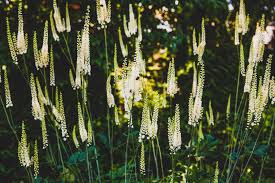
Cohosh a plant which is native to North America, offers several potential health benefits, but below are 13 of the benefits:
1. Menopausal Symptom Relief: Cohosh may help reduce hot flashes, mood swings, and night sweats in menopausal women.
2. Menstrual Pain Relief: It can alleviate the discomfort and pain associated with menstrual cramps.
3. Labor Induction: Cohosh has been used traditionally to induce labor in pregnant women, but this should only be done under medical supervision.
4. Bone Health: Some studies suggest that cohosh could promote bone health and reduce the risk of osteoporosis.
5. Anti-Inflammatory: It may have anti-inflammatory properties, which can help with various conditions involving inflammation.
6. Anxiety and Mood: Cohosh might help improve mood and reduce anxiety in some individuals.
7. Improved Sleep: Some people report better sleep quality when using cohosh.
8. PMS Relief: It may alleviate symptoms of premenstrual syndrome (PMS), such as irritability and breast tenderness.
9. Headache Relief: Cohosh could help reduce the frequency and intensity of headaches.
10. Blood Pressure: There’s some evidence to suggest that cohosh may have a positive effect on blood pressure regulation.
11. Heart Health: It might contribute to heart health by reducing cholesterol levels and promoting good circulation.
12. Anti-Spasmodic: Cohosh has been used to relieve muscle spasms and cramps.
13. Anti-Cancer Potential: Some studies have explored cohosh’s potential in inhibiting the growth of certain cancer cells, although more research is needed in this area.
While cohosh shows promise in these areas, it’s crucial to remember that individual responses can vary. Before using cohosh for any health-related purpose, consult with a healthcare professional, especially if you have underlying medical conditions or are taking medications, to ensure it’s safe and appropriate for you.
Scientific Evidence and Case Studies on Cohosh Plant
1. Menopausal Symptom Relief: Scientific studies have shown that Actaea racemosa (commonly known as Black Cohosh) helps alleviate menopausal symptoms such as hot flashes, night sweats, and mood swings by balancing estrogen levels and supporting hormonal health.
2. Anti-inflammatory Properties: Research indicates that cohosh contains triterpene glycosides and phenolic acids that exhibit anti-inflammatory activity, helping to reduce pain, swelling, and discomfort in joints and muscles.
3. Menstrual Regulation: Studies reveal that the cohosh plant supports reproductive health by easing menstrual cramps, regulating irregular periods, and relieving premenstrual syndrome (PMS) symptoms.
4. Nervous System Support: Evidence suggests that cohosh extracts have mild sedative and nerve-calming effects, helping reduce anxiety, irritability, and tension associated with hormonal fluctuations.
5. Bone Health Support: Research findings indicate that cohosh may contribute to maintaining bone density in postmenopausal women by mimicking estrogenic activity, reducing the risk of osteoporosis.
Nutritional Value Of Cohosh Plant
1. Rich in Phytoestrogens: Cohosh contains natural plant compounds that mimic estrogen, supporting hormonal balance in women.
2. Contains Antioxidants: It provides antioxidant compounds like isoferulic acid that protect cells from oxidative damage and promote general wellness.
3. Source of Alkaloids and Glycosides: These bioactive compounds contribute to the plant’s anti-inflammatory and pain-relieving properties.
4. Supports Liver Function: Cohosh helps detoxify the liver and promotes hormonal metabolism, contributing to endocrine balance.
5. Enhances Circulatory Health: The plant improves blood flow, reduces vascular inflammation, and supports heart health.
6. Promotes Nervous System Stability: Certain active compounds in cohosh aid in calming the nerves and reducing stress-related symptoms.
7. Contains Trace Minerals: It provides small amounts of calcium, potassium, and magnesium, which are essential for muscle and nerve function.
How to Grow the Cohosh Plant

Growing a cohosh plant can be a rewarding endeavor. There are two main types of cohosh commonly grown: Black Cohosh (Cimicifuga racemosa) and Blue Cohosh (Caulophyllum thalictroides). Here’s a general guide on how to grow these plants:
1. Choose the Right Location: Cohosh plants prefer partial to full shade. Find a location in your garden that receives dappled sunlight or indirect light.
Ensure the soil is well-draining and rich in organic matter.
2. Planting: Cohosh can be grown from seeds or transplants. If starting from seeds, plant them in late winter or early spring, as they require a period of cold stratification.
Space the plants about 2-3 feet apart to allow for their mature size.
3. Soil Preparation: Amend the soil with organic matter like compost to improve fertility and drainage.
Aim for a slightly acidic to neutral soil pH (around 6.0 to 7.0).
4. Watering: Keep the soil consistently moist, especially during the plant’s first growing season. Afterward, cohosh is relatively drought-tolerant.
5. Mulching: Apply a layer of organic mulch, like straw or leaf compost, around the plants. This helps retain moisture and suppress weeds.
6. Fertilizing: Cohosh generally doesn’t require heavy fertilization. A yearly application of balanced, slow-release fertilizer in the spring should be sufficient.
7. Pruning: Cohosh plants don’t usually require extensive pruning. Remove dead or damaged foliage in the spring to encourage healthy growth.
8. Pests and Diseases: Cohosh is relatively resistant to pests and diseases. However, keep an eye out for common garden pests and address any issues promptly.
9. Harvesting: If you’re growing cohosh for its medicinal roots, wait until the plant is at least 4-5 years old before harvesting the roots. Dig up the roots in the fall after the foliage has died back.
10. Division: You can divide mature cohosh plants every few years to create new plants or to rejuvenate older ones. Spring or early fall is a good time for division.
11. Winter Care: Cohosh is hardy in colder climates. Mulching around the base of the plant can provide extra protection during harsh winters.
Remember that growing cohosh from seeds can take several years before the plant matures and produces its medicinal roots. Be patient and provide the right care to ensure a healthy cohosh plant in your garden.
Read Also: 23 Medicinal Health Benefits of Citrus latipes (Khasi Papeda)
Blue Cohosh
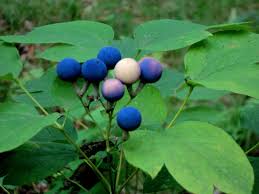
Blue Cohosh is a plant that grows in the woods and forests. It has leaves that are shaped like the palms of your hands, with multiple lobes. The leaves are green and can be quite large, making them easy to spot in the wild.
One of the most striking features of Blue Cohosh is its flowers. They are small and star-shaped, with colors ranging from greenish-yellow to purplish-blue. These flowers bloom in the spring, and they attract insects like bees and butterflies, which help in the process of pollination.
As the seasons change, Blue Cohosh produces berries that are a deep, dark blue. These berries are not only beautiful but also play an essential role in the ecosystem. They provide food for birds and small mammals, ensuring that the plant continues to thrive in the wild.
Blue Cohosh has a long history of traditional medicinal use by Native American tribes. They recognized its potential for treating various ailments. For instance, it was often used to alleviate menstrual cramps and other reproductive issues in women. Some Native American tribes also used it as a childbirth aid, believing that it could facilitate an easier and less painful labor.
In more recent times, Blue Cohosh has been studied by scientists to better understand its potential medicinal properties. It contains compounds called alkaloids, which have been found to have anti-inflammatory and muscle-relaxant properties. These properties could explain why it was traditionally used to ease menstrual cramps and labor pains.
However, it is very very important to note that Blue Cohosh can be toxic when consumed in large amounts. Therefore, it should only be used under the guidance of a qualified herbalist or healthcare professional who is familiar with its proper dosage and usage.
In addition to its medicinal uses, Blue Cohosh also has cultural significance. It has been used in various ceremonies and rituals by indigenous peoples. Its vibrant blue berries symbolize different things to different tribes, but they often represent the interconnectedness of all living things and the cycles of life and nature.
Frequently Asked Questions About Cohosh Plant
1. What is the Cohosh Plant?
The cohosh plant (Actaea racemosa) is a medicinal herb traditionally used to support women’s health, particularly during menopause and menstruation.
2. What are the main benefits of Cohosh?
It helps manage menopausal symptoms, reduces inflammation, and supports hormonal and bone health.
3. Can Cohosh help with hot flashes?
Yes, black cohosh is well known for its ability to reduce the frequency and intensity of hot flashes.
4. Is Cohosh effective for menstrual cramps?
Yes, it relaxes uterine muscles and helps alleviate menstrual pain and discomfort.
5. Can men use Cohosh?
While primarily used for women’s health, its anti-inflammatory and nerve-calming effects can also benefit men.
6. Are there side effects of Cohosh?
Some users may experience mild stomach upset or dizziness if consumed in excess.
7. Is Cohosh safe during pregnancy?
It should not be used during pregnancy unless prescribed by a healthcare professional.
8. How is Cohosh consumed?
It is available as tea, tincture, capsule, or extract form depending on the purpose of use.
9. Can Cohosh be combined with other herbs?
Yes, it is often combined with herbs like red clover and dong quai for women’s hormonal balance.
10. Does Cohosh affect the liver?
It supports liver detoxification when used in moderate amounts, but overuse may cause strain in sensitive individuals.
11. How long does it take to see results from Cohosh?
Benefits are typically noticeable within 4–8 weeks of consistent use.
12. Can Cohosh prevent osteoporosis?
Yes, by mimicking estrogen, it helps protect bone density in postmenopausal women.
13. Is Cohosh the same as Blue Cohosh?
No, black cohosh and blue cohosh are different species with distinct effects and safety profiles.
14. Can Cohosh be taken daily?
Yes, in moderate doses as directed by a healthcare professional.
15. Who should avoid using Cohosh?
People with liver disease, hormone-sensitive conditions, or those on medication should seek medical advice before use.
Do you have any questions, suggestions, or contributions? If so, please feel free to use the comment box below to share your thoughts. We also encourage you to kindly share this information with others who might benefit from it. Since we can’t reach everyone at once, we truly appreciate your help in spreading the word. Thank you very much for your support and for sharing!
Disclaimer: This article is for educational and informational purposes only. The health benefits described are based on scientific research and traditional knowledge. They are not a substitute for professional medical advice, diagnosis, or treatment. Always consult a healthcare professional before using any herb or natural remedy for medical purposes.
Read Also: What Are The Different Types Of Agricultural Careers