


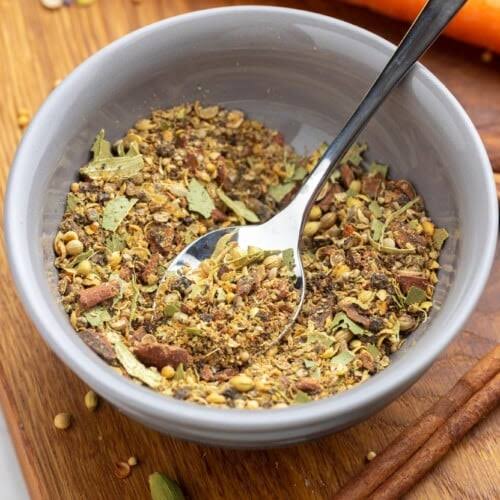
Corned Beef Seasoning is a special blend of spices and flavorings that make corned beef taste delicious. When you cook corned beef, the seasoning adds a tasty twist to the meat. It is like a secret ingredient that makes your meal extra special.
Corned Beef Seasoning is made up of a few simple ingredients. The main ones are salt, sugar, and spices. These are mixed together in just the right amounts to create a magical combination. The salt helps preserve the meat and brings out its flavor. Sugar adds a touch of sweetness, and the spices give it a unique taste.
One of the most common spices in Corned Beef Seasoning is black pepper. It adds a little kick to the beef, making it more exciting to eat. Some people also like to add mustard seeds, which can give the beef a slightly tangy flavor.
Now, let’s talk about how to use Corned Beef Seasoning. It’s pretty easy. First, you’ll need a nice piece of corned beef. You can find this at your local grocery store. It’s usually sold in a vacuum-sealed bag, and it might come with a little packet of seasoning. But if you want to make it extra tasty, you can make your own seasoning blend.
To make your own Corned Beef Seasoning, you will need the following:
Salt; About 1/4 cup.
Sugar;About 2 tablespoons.
Black pepper; About 1 tablespoon.
Mustard seeds; About 1 teaspoon (optional).
Mix these ingredients together in a bowl. Then, rub the seasoning mixture generously all over the corned beef. Make sure to cover every inch. Let it sit for a little while, maybe 30 minutes or so, to let the flavors soak in.
After that, you can cook your corned beef. Many people like to slow-cook it by simmering it in water for a few hours. This helps make it tender and flavorful. You can also add some vegetables like cabbage, potatoes, and carrots for a complete meal.
Once your corned beef is done cooking, you will be rewarded with a mouthwatering dish that’s bursting with flavor. The Corned Beef Seasoning will have infused the meat, making it taste incredible.
In simple words, Corned Beef Seasoning is like a magic mix of salt, sugar, and spices that makes your corned beef taste amazing. It’s easy to use, and you can even make your own blend for an extra special touch.
Read Also: The Principles of Goat Production for Maximum Production
13 Health Benefits of Corned Beef Seasoning

Corned Beef Seasoning can add a delightful twist to your meals, but it’s important to note that it is typically used in moderation due to its salt content. While it’s not a superfood, here are 13 potential health benefits and considerations of using Corned Beef Seasoning:
1. Flavorful Alternative: Corned Beef Seasoning can make lean meats like corned beef more flavorful, encouraging people to include protein in their diets.
2. Source of Sodium: Corned Beef Seasoning contains salt, which helps regulate fluid balance, nerve function, and muscle contractions in the body.
3. Preserving Meat: Historically, salt was used to preserve meat before refrigeration, ensuring a longer shelf life.
4. Enhances Taste: The blend of spices and seasonings in Corned Beef Seasoning enhances the taste of dishes, making them more appealing.
5. Iron Absorption: The small amount of spices in the seasoning might contain trace elements of iron, which is essential for healthy blood production.
6. Minimal Calories: Corned Beef Seasoning typically contains few to no calories, making it a low-calorie way to add flavor to dishes.
7. Versatile Use: You can use Corned Beef Seasoning on a variety of meats and dishes, adding variety to your meals.
8. Encourages Cooking at Home: Using this seasoning mix at home can encourage people to cook their meals, which often results in healthier choices.
9. Customization: Making your own Corned Beef Seasoning allows you to control the ingredients, reducing additives and preservatives.
10. Portion Control: When you make your seasoning, you can control the amount of salt used, which is important for those monitoring their sodium intake.
11. Enhances Vegetable Dishes: Corned Beef Seasoning can also be used to add flavor to vegetable dishes, encouraging the consumption of nutrient-rich veggies.
12. Balanced Flavor: It can help balance flavors in dishes, reducing the need for excessive fats or sauces, which can be high in calories.
13. Awareness of Sodium Intake: Using Corned Beef Seasoning reminds people to be mindful of their sodium intake, as excessive salt consumption can have health implications, such as high blood pressure.
Scientific Evidence and Case Studies on Corned Beef Seasoning
1. Antioxidant Activity: Studies have shown that spices commonly used in corned beef seasoning such as black pepper, cloves, and mustard seeds possess potent antioxidant properties that help in reducing oxidative stress in meat products.
2. Antimicrobial Effects: Research indicates that ingredients like bay leaves, garlic, and coriander in corned beef seasoning can inhibit the growth of harmful bacteria such as Listeria monocytogenes and E. coli, thereby enhancing food safety.
3. Flavor Enhancement and Preservation: Scientific analysis reveals that the combination of salt, sugar, and pickling spices used in corned beef seasoning contributes to the preservation and flavor stability of the meat during storage.
4. Cardiovascular Impact: Controlled dietary studies suggest that moderate use of spice blends with lower sodium content in corned beef seasoning may support better cardiovascular health compared to high-sodium alternatives.
5. Anti-inflammatory Properties: Components such as cloves and mustard seeds in corned beef seasoning have been found to exhibit anti-inflammatory effects, aiding in the reduction of inflammation markers in the body.
Nutritional Value Of Corned Beef Seasoning
1. Sodium: Corned beef seasoning is rich in sodium, which aids in flavor enhancement and meat preservation, but should be consumed in moderation to prevent hypertension.
2. Iron: Some spices in corned beef seasoning, like coriander and mustard seeds, provide trace amounts of iron, contributing to the production of red blood cells.
3. Dietary Fiber: The inclusion of crushed spices such as bay leaves, cloves, and peppercorns offers a small amount of dietary fiber that supports digestive health.
4. Antioxidants: Spices like cloves, pepper, and coriander are packed with antioxidants that help protect body cells from oxidative damage.
5. Essential Oils: The seasoning contains essential oils from spices that aid in digestion and may boost immunity by fighting harmful microorganisms.
6. Minerals: Ingredients like mustard seeds and coriander are sources of important minerals such as magnesium, calcium, and potassium, which support muscle and bone health.
7. Phytochemicals: The natural compounds present in the spice blend, such as flavonoids and phenolics, contribute to the seasoning’s aroma and health-promoting benefits.
Read Also: Different Systems of Goat Production for Maximum Productivity
Corn Beef Spices
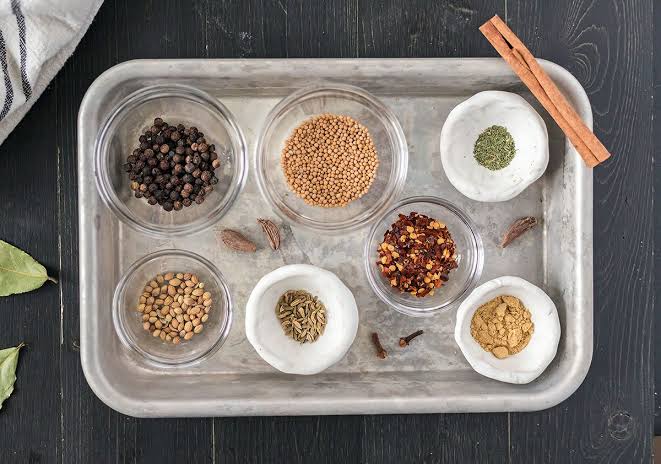
Corned beef spices typically consist of a blend of seasonings that are used to flavor and preserve the meat. While there are variations in recipes, here are some common spices and ingredients used in corned beef seasoning:
1. Salt: Salt is a key component of corned beef seasoning. It helps preserve the meat and enhances its flavor. It’s the primary ingredient responsible for the “corned” aspect of the beef.
2. Sugar: Sugar is often added to the seasoning blend to provide a touch of sweetness, balancing the salty flavor and adding depth to the taste.
3. Black Pepper: Black pepper adds a bit of heat and a subtle spiciness to the beef, complementing its rich flavor.
4. Mustard Seeds: Mustard seeds are optional but frequently used. They can contribute a mild tangy flavor and a bit of crunch to the beef.
5. Coriander Seeds: Coriander seeds are another common ingredient, imparting citrusy and slightly floral notes to the seasoning.
6. Bay Leaves: Bay leaves add a mild, herbal aroma to the mix, contributing to the overall flavor profile.
7. Garlic and Onion: Some recipes may include garlic and onion powder or minced garlic and onions for added depth and savory notes.
8. Allspice Berries: Allspice berries can provide a warm, complex flavor with hints of cloves, cinnamon, and nutmeg.
9. Clove: Cloves are used sparingly as they have a strong, distinctive flavor. They add a sweet and aromatic element to the seasoning.
10. Juniper Berries: Juniper berries are less common but are used in some recipes to impart a unique, slightly piney flavor.
These spices are typically mixed together to create the corned beef seasoning. The exact proportions can vary depending on personal preferences and regional variations. You can also experiment with these spices to create your own custom blend for corned beef or other dishes.
Where to Find Corn Beef Spices near Me/You

You can find corned beef spices in various places, both online and in physical stores. Here are three perfect places to locate corned beef spices:
1. Grocery Stores: Your local grocery store is one of the most convenient places to find corned beef spices. These spices are often available in the spice aisle alongside other seasonings and herbs. Look for pre-packaged corned beef seasoning blends or individual spices like salt, black pepper, coriander seeds, and mustard seeds to create your custom blend.
2. Online Retailers: Online retailers like Amazon, Walmart, or specialty spice shops offer a wide selection of corned beef spices. You can browse and order different brands and spice blends from the comfort of your home. Be sure to read reviews and check the product descriptions to ensure you’re getting the right spices for your needs.
3. Local Butcher Shops or Meat Markets: Some local butcher shops or meat markets may carry corned beef seasoning blends or provide recommendations for the spices you need. They can also be a great resource for guidance on preparing and cooking corned beef.
When shopping for corned beef spices, consider your preferences and dietary restrictions. You may also choose to create your own custom spice blend using individual spices from these locations to tailor the flavor to your liking.
Frequently Asked Questions About Corned Beef Seasoning
1. What is corned beef seasoning made of? It typically includes salt, black peppercorns, mustard seeds, cloves, bay leaves, coriander, and allspice.
2. Can I make corned beef seasoning at home? Yes, you can mix these spices at home for a fresh and customized flavor blend.
3. Is corned beef seasoning healthy? In moderation, it can be healthy due to its antioxidant and antimicrobial spices, but it’s high in sodium, so balance is key.
4. How much corned beef seasoning should I use? Usually, 2–3 tablespoons per kilogram of meat is sufficient, depending on your taste preference.
5. Can I use corned beef seasoning for other meats? Yes, it works well with brisket, pork, or even poultry to enhance flavor.
6. Does corned beef seasoning contain MSG? Traditional blends do not contain MSG, but some commercial versions might, so check the label.
7. What is the role of salt in corned beef seasoning? Salt helps cure the meat, preserve it, and improve its texture and taste.
8. Can I reduce the salt content in corned beef seasoning? Yes, you can adjust the ratio to create a lower-sodium version for a healthier option.
9. How should I store corned beef seasoning? Keep it in an airtight container in a cool, dry place to retain its flavor and aroma.
10. What gives corned beef its distinctive flavor? The blend of pickling spices, especially cloves and mustard seeds, gives corned beef its signature taste.
Do you have any questions, suggestions, or contributions? If so, please feel free to use the comment box below to share your thoughts. We also encourage you to kindly share this information with others who might benefit from it. Since we can’t reach everyone at once, we truly appreciate your help in spreading the word. Thank you very much for your support and for sharing!
Disclaimer: This article is for educational and informational purposes only. The health benefits described are based on scientific research and traditional knowledge. They are not a substitute for professional medical advice, diagnosis, or treatment. Always consult a healthcare professional before using any herb or natural remedy for medical purposes.
Read Also: Health Benefits of taking Watermelon during Early Pregnancy