


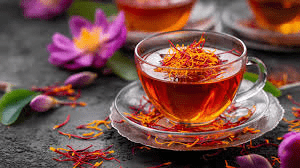
Saffron tea is a special and delightful beverage known for its unique taste and numerous health benefits. It is made from the delicate threads of the saffron flower, which is scientifically known as Crocus sativus. Saffron, often referred to as the “red gold,” has been cherished for centuries for its vibrant color, distinct aroma, and medicinal properties.
To make saffron tea, a small amount of saffron threads is infused in hot water. The vibrant red hue and the sweet, floral fragrance that saffron imparts to the tea are a testament to its quality. Saffron tea is not only pleasing to the senses but also offers a variety of advantages for one’s well-being.
One of the most notable benefits of saffron tea is its potential to improve mood and reduce symptoms of anxiety and depression. Saffron contains natural compounds that may boost serotonin levels in the brain, which is linked to feelings of happiness and relaxation. A warm cup of saffron tea can provide comfort and ease the mind, making it a soothing choice during stressful times.
Additionally, saffron tea is rich in antioxidants, which play a vital role in protecting the body against free radicals and oxidative stress. These antioxidants can help maintain healthy cells and reduce the risk of chronic diseases. Saffron’s antioxidant properties may also contribute to its anti-inflammatory effects, making it a valuable addition to an anti-inflammatory diet.
Saffron tea has been used in traditional medicine for centuries to alleviate various ailments. It is believed to have anti-spasmodic properties that can help relieve digestive discomfort, including bloating and indigestion.
Moreover, saffron is known for its potential to enhance circulation and promote heart health. Regular consumption of saffron tea may assist in regulating blood pressure and improving cardiovascular function.
In some cultures, saffron tea is also cherished for its aphrodisiac qualities. It is often regarded as a natural remedy to enhance libido and promote sexual wellness. While scientific evidence on this aspect is limited, saffron’s reputation as an aphrodisiac has endured throughout history.
Saffron tea can be enjoyed in various ways. Some people prefer to drink it plain, savoring its unique flavor and aroma. Others may sweeten it with honey or add a dash of lemon for a tangy twist. Some even combine saffron with other herbs and spices to create customized blends that suit their taste preferences.
In addition, saffron tea is a remarkable beverage that combines the exquisite flavors and aromas of saffron with a host of potential health benefits.
From its mood-enhancing properties to its antioxidant-rich nature and traditional medicinal uses, saffron tea is a beverage that can be savored for both its taste and its potential to support overall well-being.
Whether enjoyed as a calming ritual or a remedy for various ailments, saffron tea has earned its place as a cherished and versatile drink in the world of herbal infusions.
Read Also: Tetanus Disease in Goats: Symptoms and Prevention Control Measures
13 Health Benefits of Saffron Tea

Here are 13 potential health benefits of saffron tea:
1. Mood Enhancement: Saffron tea may help improve mood and reduce symptoms of anxiety and depression due to its potential to boost serotonin levels in the brain.
2. Antioxidant Protection: Saffron tea is rich in antioxidants, which can help protect the body against free radicals and oxidative stress.
3. Anti-Inflammatory Effects: The antioxidants in saffron tea may contribute to its anti-inflammatory properties, potentially reducing inflammation in the body.
4. Digestive Aid: Saffron tea has anti-spasmodic properties that can ease digestive discomfort, such as bloating and indigestion.
5. Heart Health: Regular consumption of saffron tea may help regulate blood pressure and promote cardiovascular health.
6. Respiratory Health: Saffron tea is traditionally used to relieve respiratory issues like coughs and asthma due to its soothing properties.
7. Improved Sleep: Saffron tea’s calming effect may aid in better sleep and alleviate insomnia symptoms.
8. Weight Management: Saffron tea could potentially help with weight management by reducing appetite and food cravings.
9. Eye Health: Saffron is known for its potential to protect and improve eye health, possibly reducing the risk of age-related macular degeneration.
10. Menstrual Symptom Relief: Some women find relief from menstrual cramps and discomfort through saffron tea consumption.
11. Aphrodisiac Properties: While not scientifically proven, saffron tea has a reputation as an aphrodisiac and may promote sexual wellness.
12. Anti-Diabetic Effects: Saffron may have a role in regulating blood sugar levels, which can be beneficial for those with diabetes.
13. Immune Support: The antioxidants in saffron tea may strengthen the immune system and help the body fight off infections.
It’s important to note that while saffron tea offers potential health benefits, individual experiences may vary, and it should not be considered a substitute for medical advice or treatment. If you have specific health concerns, it’s advisable to consult with a healthcare professional.
Uses of Saffron Tea
- Mood Enhancement and Depression Relief: Saffron compounds like crocin and safranal boost serotonin levels, helping relieve stress and mild depression.
- Antioxidant Protection: Rich in antioxidants, saffron tea fights free radicals and protects cells from oxidative damage.
- Menstrual Pain and PMS Relief: Its natural anti-inflammatory and hormone-balancing properties reduce cramps and mood swings during menstruation.
- Supports Heart Health: Antioxidants in saffron help lower cholesterol and improve blood circulation, promoting a healthy heart.
- Boosts Cognitive Function: Saffron compounds protect brain cells and enhance memory, aiding in the prevention of Alzheimer’s disease.
- Aids Digestion: Saffron tea soothes the stomach, reduces bloating, and supports healthy digestion.
- Enhances Skin Health: Its detoxifying and antioxidant effects promote clearer, glowing, and healthier skin.
- Supports Eye Health: Crocin in saffron protects retinal cells and helps prevent age-related macular degeneration.
- Helps with Weight Management: Saffron may suppress appetite and reduce unhealthy snacking by increasing serotonin levels.
- Improves Sleep Quality: The calming effects of saffron promote relaxation and better sleep when taken before bed.
The Scientific Research and Studies of Saffron Tea
1. Neuroprotection in Mice: A study found that saffron tea prevented memory loss and reduced brain oxidative damage in mice exposed to toxins, showing strong neuroprotective effects.
2. Mood and Happiness in Postmenopausal Women: Research showed that women who drank saffron tea daily for six weeks experienced improved mood and happiness levels, suggesting its natural antidepressant properties.
3. Cardiovascular and Metabolic Health: A meta-analysis revealed that saffron intake helps lower blood sugar, bad cholesterol (LDL), and blood pressure, while improving heart and metabolic function.
4. Type 2 Diabetes Management: A clinical trial showed that saffron improved blood sugar control, reduced liver fat, and enhanced sleep quality in diabetic patients, proving its metabolic and restorative benefits.
5. General Health and Wellness Review: A systematic review of multiple saffron studies found that saffron supports cognitive health, reduces depression, improves sexual function, and enhances overall well-being.
Nutritional Value of Saffron Tea
1. Rich in Antioxidants: Saffron tea contains crocin, crocetin, and safranal which protect cells from oxidative damage and reduce inflammation.
2. Source of Vitamin C: It boosts the immune system, promotes healthy skin, and helps the body fight infections.
3. Contains Manganese: Supports metabolism, regulates blood sugar, and strengthens bones and connective tissues.
4. Provides Iron: Essential for producing red blood cells and preventing anemia by improving oxygen transport.
5. Contains Magnesium: Helps relax muscles, supports nerve function, and reduces stress while improving sleep quality.
6. Good Source of Potassium: Maintains healthy blood pressure, supports heart health, and aids muscle function.
7. Contains Calcium: Strengthens bones and teeth, supports muscle contractions, and helps maintain heart rhythm.
8. Supports Protein Synthesis with Zinc: Promotes immune function, wound healing, and healthy reproductive health.
9. Contains Vitamin A: Improves vision, supports immune function, and maintains healthy skin and tissues.
10. Rich in B Vitamins (Especially B6): Helps in energy metabolism, brain health, and balancing mood and hormones.
11. Natural Carotenoids (Crocin and Crocetin): Provide anti-inflammatory benefits, boost memory, and protect brain cells.
12. Contains Trace Amounts of Copper: Aids red blood cell formation, enhances iron absorption, and supports nerve function.
FAQs About Saffron Tea
1. What is saffron tea?
Saffron tea is a herbal infusion made from the dried stigmas of the saffron flower (Crocus sativus), known for its golden color, pleasant aroma, and medicinal properties.
2. What does saffron tea taste like?
Saffron tea has a mildly sweet, floral, and earthy flavor with a slightly bitter undertone that gives it a soothing and exotic taste.
3. What are the main health benefits of saffron tea?
Saffron tea helps improve mood, boost immunity, support heart health, enhance digestion, relieve menstrual discomfort, and promote glowing skin.
4. Can I drink saffron tea every day?
Yes, you can drink saffron tea daily in moderation — usually 1 to 2 cups a day is safe for most people. Excessive intake may cause dizziness or nausea.
5. Is saffron tea safe during pregnancy?
Pregnant women should drink saffron tea only in small amounts and under medical advice, as high doses may stimulate uterine contractions.
6. Does saffron tea help with weight loss?
Yes, saffron tea may support weight loss by reducing appetite, curbing food cravings, and boosting metabolism naturally.
7. How do you make saffron tea at home?
Steep 3–4 saffron threads in a cup of hot water for 10 minutes. You can add honey, lemon, or milk for extra flavor and nutrients.
8. Can saffron tea improve mood or reduce stress?
Yes, saffron has natural antidepressant properties that help elevate mood, reduce anxiety, and promote relaxation.
9. Are there any side effects of saffron tea?
In moderate amounts, saffron tea is safe. However, excessive consumption can cause headaches, dizziness, or stomach upset.
10. Can I mix saffron tea with other herbs or spices?
Yes, saffron tea can be blended with ingredients like cardamom, ginger, cinnamon, or green tea for enhanced flavor and health benefits.
Do you have any questions, suggestions, or contributions? If so, please feel free to use the comment box below to share your thoughts. We also encourage you to kindly share this information with others who might benefit from it. Since we can’t reach everyone at once, we truly appreciate your help in spreading the word. Thank you very much for your support and for sharing!
Disclaimer: This article is for educational and informational purposes only. The health benefits described are based on scientific research and traditional knowledge. They are not a substitute for professional medical advice, diagnosis, or treatment. Always consult a healthcare professional before using any herb or natural remedy for medical purposes.
Read Also: A Guide to Waste Recycling Business Ideas