


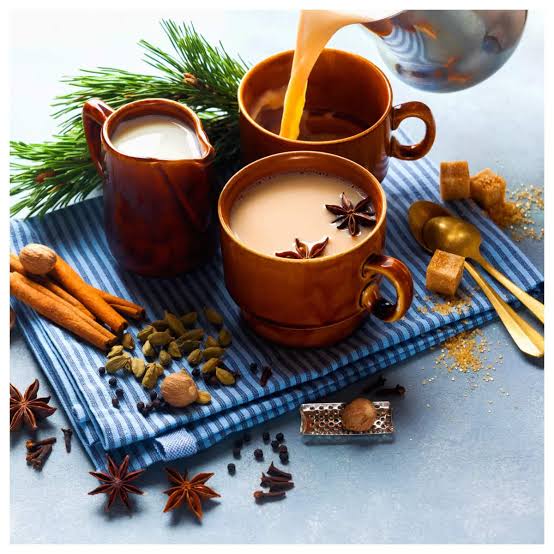
Tea masala is a wonderful blend of spices that adds a burst of flavor and warmth to your daily cup of tea. It’s a traditional concoction that has been cherished for generations, known by different names in various parts of the world, such as chai masala, chai spice mix, or simply masala tea.
The key ingredients that make up this delightful mixture include cinnamon, cardamom, ginger, cloves, and black pepper. Each spice contributes its unique character to the blend, creating a harmonious balance of sweetness, spiciness, and warmth.
Cinnamon, with its sweet and woody flavor, imparts a subtle sweetness to the tea, making it more appealing to those with a sweet tooth. It also adds a lovely fragrance that wafts through the air as your tea brews.
Cardamom, on the other hand, brings a refreshing and citrusy note to the mix. Its aromatic qualities invigorate the senses and add a layer of complexity to the flavor profile of the tea. You might notice hints of mint and eucalyptus, which make cardamom a standout spice in this blend.
Ginger, known for its spicy kick, adds warmth and depth to the tea. It provides a soothing effect, making tea masala an excellent choice for chilly days or when you need a comforting drink. Ginger’s ability to balance the flavors and enhance the overall taste cannot be overstated.
Cloves bring their intense and slightly peppery flavor to the mix. They also contribute a hint of bitterness, which contrasts nicely with the sweetness of cinnamon and cardamom. This complexity keeps your taste buds engaged with every sip.
Black pepper, with its sharp and spicy notes, adds a pleasant heat to the tea. It’s not overpowering but rather enhances the overall spiciness of the blend, making it well-suited for those who enjoy a bit of a kick in their tea.
To create the perfect cup of tea masala, you’ll need to combine these spices in precise proportions. Some recipes call for variations, with additional spices like fennel seeds or star anise, which can further personalize the blend to your taste.
Preparing tea masala-infused tea is a simple process. Start by simmering water with a blend of tea leaves (usually black tea), milk, and a spoonful of tea masala. The spices slowly release their flavors into the liquid, creating a rich and aromatic infusion. As the tea brews, you can adjust the amount of tea masala and sugar to suit your preferences, making it as sweet or as spicy as you like.
The end result is a cup of tea that not only warms your body but also tantalizes your taste buds. Tea masala isn’t just a beverage; it’s an experience. It’s the comforting aroma that fills your kitchen, the soothing warmth that spreads through your body, and the flavorful journey that dances on your palate.
In many cultures, tea masala isn’t just a daily indulgence; it’s a symbol of hospitality and togetherness. Sharing a cup of tea masala with friends and family is a tradition that fosters connections and creates lasting memories.
So, the next time you brew a pot of tea, consider adding a pinch of tea masala to elevate your tea-drinking experience. Whether you savor it in solitude or share it with loved ones, tea masala is a timeless blend that brings joy, comfort, and a touch of spice to your life.
Read Also: All you need to know about Wild Cat Rescue
13 Health Benefits of Tea Masala
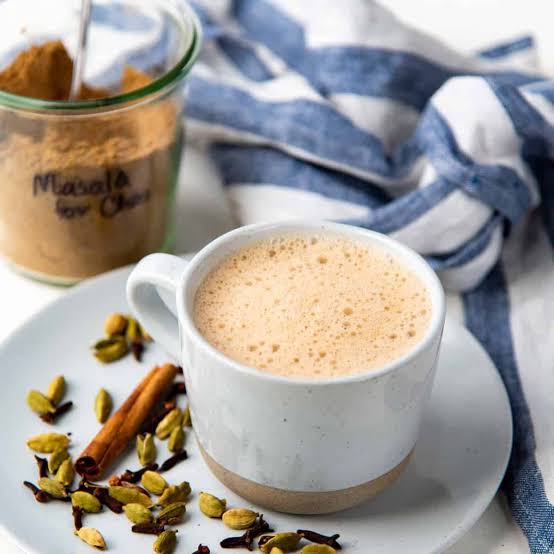
Here are 13 potential health benefits associated with consuming tea masala:
1. Digestive Aid: Tea masala’s combination of spices, including ginger and black pepper, can aid digestion by stimulating the digestive tract and reducing indigestion.
2. Anti-Inflammatory: Many of the spices in tea masala, such as ginger and cloves, have anti-inflammatory properties that may help reduce inflammation in the body.
3. Antioxidant Boost: The spices in tea masala, like cinnamon and cloves, contain antioxidants that can help protect cells from damage caused by free radicals.
4. Immune Support: Ginger and black pepper, both found in tea masala, are known for their immune-boosting properties, which may help your body fight off illnesses.
5. Improved Blood Circulation: The warming spices in tea masala, particularly ginger and black pepper, can promote better blood circulation.
6. Respiratory Health: The combination of spices, especially cloves and black pepper, may help alleviate respiratory issues and provide relief from cold and cough symptoms.
7. Stress Reduction: The soothing qualities of tea masala, along with its aromatic spices, can help reduce stress and promote relaxation.
8. Weight Management: Some components in tea masala, such as black pepper, have been associated with potential weight management benefits.
9. Oral Health: Cloves, a common ingredient in tea masala, have antimicrobial properties that can promote oral health and freshen breath.
10. Pain Relief: The spices in tea masala, like cloves and black pepper, may have mild pain-relieving properties and could provide relief from headaches and muscle aches.
11. Improved Heart Health: Certain spices in tea masala, such as cinnamon, may help regulate blood pressure and support heart health.
12. Enhanced Metabolism: The combination of spices, especially black pepper, can potentially boost metabolism and aid in weight loss efforts.
13. Antibacterial Properties: Some of the spices in tea masala, like ginger and cloves, have antibacterial properties that can help combat infections.
While these potential health benefits are associated with the individual spices found in tea masala, it’s essential to consume it in moderation as part of a balanced diet. Additionally, individual responses to these spices may vary, so it’s advisable to consult with a healthcare professional for personalized guidance, especially if you have specific health concerns or conditions.
Scientific Evidence and Case Studies on Drinking Tea Masala
1. Antioxidant Activity: Studies show that tea masala ingredients like cardamom, cinnamon, and cloves possess strong antioxidant properties that protect cells from oxidative stress and free radical damage.
2. Anti-inflammatory Effects: Research indicates that compounds in ginger and black pepper found in tea masala reduce inflammation, helping relieve symptoms of arthritis and other inflammatory conditions.
3. Digestive Health Benefits: Clinical evidence supports that masala tea ingredients such as ginger, fennel, and cardamom stimulate digestive enzymes, easing bloating and improving overall digestion.
4. Cardiovascular Support: Studies demonstrate that regular consumption of tea masala, especially with cinnamon and clove, helps lower cholesterol and supports healthy blood circulation.
5. Immune-Boosting Properties: Evidence suggests that the combination of spices in tea masala strengthens the immune system due to their antibacterial and antiviral compounds.
Nutritional Value Of Drinking Tea Masala
1. Rich in Antioxidants: Masala tea contains polyphenols from black tea and spices that help combat oxidative stress and improve cellular health.
2. Contains Essential Minerals: Spices like cinnamon and cardamom provide trace minerals such as manganese, iron, and magnesium that support metabolism and energy production.
3. Aids Digestion: Ginger, fennel, and black pepper stimulate digestive juices, helping the body process food efficiently and preventing nausea.
4. Boosts Immunity: The antimicrobial properties of clove and cardamom in tea masala help the body resist infections and strengthen immune defense.
5. Supports Heart Health: Cinnamon and black tea in masala help reduce bad cholesterol and maintain good heart function.
6. Provides Natural Energy: The caffeine in black tea offers a gentle energy boost without causing the jitters associated with coffee.
7. Improves Respiratory Health: Clove, ginger, and black pepper help clear nasal congestion and soothe the respiratory tract, making masala tea beneficial during colds.
Read Also: All you need to know about Exotic Cat Rescue
Uses of Tea Masala
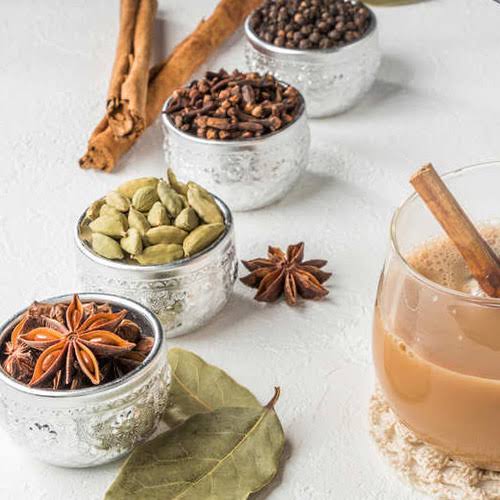
Tea masala, also known as chai masala or tea spice mix, is a versatile blend of spices that can be used in various culinary applications beyond just making tea. Here are some common uses of tea masala:
1. Tea Infusion: The primary use of tea masala is to add flavor and aroma to your tea. Simply sprinkle a pinch of tea masala into your tea leaves or tea bag while brewing for a spiced and aromatic cup of masala tea.
2. Spice Up Coffee: If you enjoy experimenting with flavors, you can add a tiny amount of tea masala to your coffee grounds before brewing to create a unique spiced coffee.
3. Baking: Tea masala can be used as a flavor enhancer in baking. Add a small amount to your cake or cookie batter for a subtle spiced flavor.
4. Smoothies: For an exotic twist, incorporate tea masala into your fruit smoothies or protein shakes. It can add depth and warmth to your beverages.
5. Oatmeal and Cereals: Sprinkle a pinch of tea masala onto your morning oatmeal or cereal for a flavorful and aromatic breakfast.
6. Yogurt and Cottage Cheese: Mix a small amount of tea masala with yogurt or cottage cheese for a unique and savory snack.
7. Curries and Stews: Tea masala can be used as a seasoning in savory dishes like curries, stews, and soups. It adds a warm and spicy flavor to the dish.
8. Marinades: Create flavorful marinades for meats or vegetables by combining tea masala with other ingredients like yogurt, lemon juice, and herbs.
9. Rice Dishes: Add a pinch of tea masala to your rice dishes, such as pilaf or biryani, for a subtle spiced flavor.
10. Pickling: Some people use tea masala in pickling recipes to enhance the flavor and aroma of pickled fruits or vegetables.
11. Homemade Spice Blends: Incorporate tea masala into your homemade spice blends for a unique twist on your favorite seasonings.
12. Potpourri: Tea masala’s aromatic spices can be used to create homemade potpourri for a fragrant and decorative touch to your living space.
13. Flavoring Sauces: Enhance the flavor of sauces and gravies by adding a pinch of tea masala. It works well in tomato-based sauces and creamy gravies.
14. Infused Oils and Vinegars: You can infuse cooking oils or vinegars with tea masala to add a subtle spiced flavor to your dishes.
15. Homemade Syrups: Make your own flavored syrups by simmering tea masala with sugar and water. These syrups can be used in cocktails, desserts, or to sweeten beverages.
When using tea masala in non-traditional ways, start with a small amount and adjust to your taste preferences.
Frequently Asked Questions About Drinking Tea Masala
1. What is tea masala made of?
Tea masala is a blend of spices like cardamom, cinnamon, ginger, cloves, and black pepper added to black tea.
2. Is masala tea good for health?
Yes, masala tea is packed with antioxidants and anti-inflammatory compounds that support digestion, immunity, and heart health.
3. Can I drink masala tea every day?
Yes, moderate daily consumption is safe and beneficial, but it’s best to limit it to 2–3 cups per day.
4. Does tea masala contain caffeine?
Yes, since it’s typically made with black tea, it contains a moderate amount of caffeine.
5. Can masala tea help with digestion?
Yes, ingredients like ginger and cardamom improve digestion and relieve stomach discomfort.
6. Is masala tea good for colds?
Yes, its warming spices like clove, ginger, and black pepper help relieve congestion and soothe sore throats.
7. Can I make tea masala without milk?
Yes, you can brew masala tea without milk for a lighter, herbal version of the drink.
8. Does masala tea help with weight loss?
It may support weight management by boosting metabolism and reducing bloating.
9. Can pregnant women drink masala tea?
Pregnant women should limit caffeine intake; decaffeinated or herbal versions of masala tea can be a safer choice.
10. How do I store tea masala powder?
Keep it in an airtight container, away from light and moisture, to preserve its flavor and freshness.
Do you have any questions, suggestions, or contributions? If so, please feel free to use the comment box below to share your thoughts. We also encourage you to kindly share this information with others who might benefit from it. Since we can’t reach everyone at once, we truly appreciate your help in spreading the word. Thank you very much for your support and for sharing!
Disclaimer: This article is for educational and informational purposes only. The health benefits described are based on scientific research and traditional knowledge. They are not a substitute for professional medical advice, diagnosis, or treatment. Always consult a healthcare professional before using any herb or natural remedy for medical purposes.
Read Also: Health Benefits of taking Watermelon during Early Pregnancy