


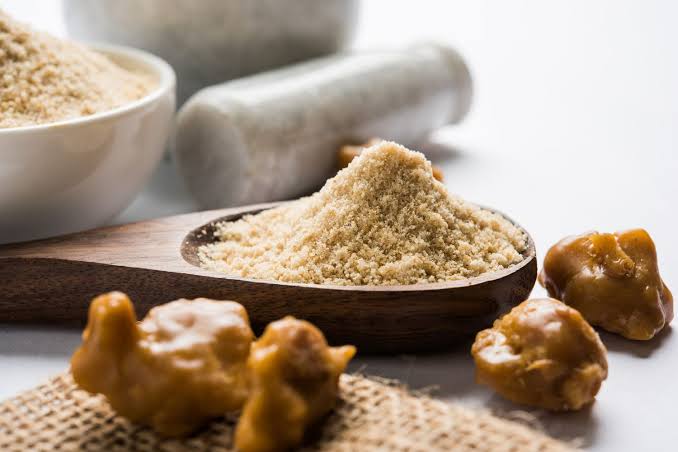
Asafetida is a special spice used in Indian cooking. It comes from a plant in the mountains of Afghanistan and Iran. Asafetida has a strong smell, like garlic. But when you cook it, the smell becomes better.
People love asafetida because it adds a great taste to food. It’s like onions and garlic, and you’ll find it in many Indian dishes. Especially in lentil soups, curries, and rice dishes. What’s really interesting is that asafetida is good for your tummy. In India, they use it to help with digestion and stop you from feeling too full and gassy.
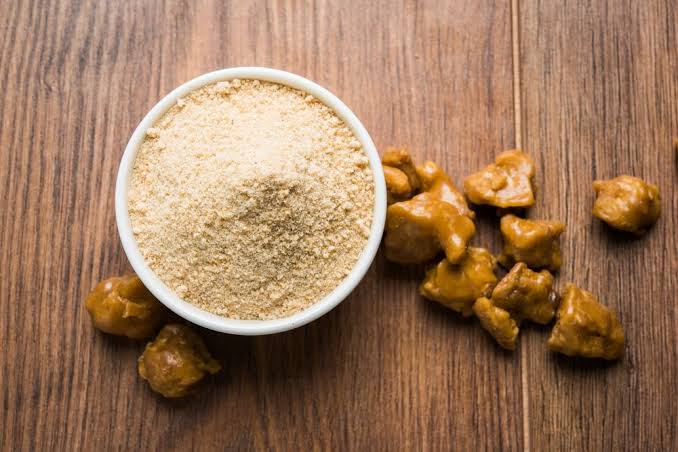
You can buy asafetida in two forms: resin or powder. The resin is hard and needs water or oil to become paste-like. The powder is easier to use and find. In Indian cooking, you heat some oil and add asafetida at the start. It makes your food taste better. People also use asafetida in ceremonies and for protection.
Chefs from all over the world like to use asafetida too. It makes dishes taste special. It’s not just for Indian food but also for other types of cooking. To sum it up, asafetida is a cool spice used a lot in Indian food. It smells strong but tastes great. It’s good for your tummy and can make your food more exciting. Chefs everywhere love to use it, and you can explore it in your own cooking adventures.
Read Also: Full Sun Flowers: All You Need To Know About
13 Health Benefits of Asafetida Spice
Asafetida, the unique and pungent spice, offers not only flavor but also various potential health benefits. Here are 13 of them:
1. Digestive Aid: Asafetida can aid digestion by reducing bloating and gas, making it a popular addition to bean and lentil dishes.
2. Anti-Inflammatory: It has anti-inflammatory properties that may help alleviate various inflammatory conditions.
3. Antioxidant: Asafetida contains antioxidants that can help protect your cells from damage caused by free radicals.
4. Blood Pressure: Some studies suggest that asafetida may help lower blood pressure, potentially benefiting heart health.
5. Respiratory Health: Asafetida has been used traditionally to treat respiratory issues, such as asthma and bronchitis.
6. Antibacterial: It possesses antibacterial properties that may help combat certain infections.
7. Anti-Cancer: While more research is needed, some studies indicate that asafetida may have potential anti-cancer properties.
8. Pain Relief: Asafetida’s anti-inflammatory properties may provide pain relief for conditions like arthritis.
9. Menstrual Relief: It’s been used to ease menstrual cramps and discomfort.
10. Anti-Asthmatic: Asafetida can act as a bronchodilator, potentially helping with asthma symptoms.
11. Nervous System: Some believe it can have a calming effect on the nervous system, aiding with anxiety and stress.
12. Anti-Flatulent: It reduces flatulence and may prevent embarrassing gas-related issues.
13. Immune Support: Asafetida can boost your immune system, helping your body fight off illnesses.
Scientific Evidence and Case Studies on Asafetida Spice
1. Antioxidant Properties: Asafetida exhibits strong antioxidant activity due to its sulfur-containing compounds, which help neutralize free radicals and reduce oxidative stress in cells.
2. Digestive Aid: Studies indicate that asafetida stimulates digestive enzymes and reduces flatulence, providing relief from indigestion and bloating by promoting gut motility.
3. Antiviral Effects: In vitro research demonstrates asafetida’s ability to inhibit the influenza A virus, suggesting potential protective effects against respiratory infections.
4. Lipid-Lowering Benefits: Evidence shows that asafetida can lower cholesterol and triglyceride levels, helping to protect against high blood fats and cardiovascular risks.
5. Anti-Inflammatory Action: Asafetida possesses compounds that inhibit inflammatory pathways, offering relief from conditions like arthritis by reducing swelling and pain.
Nutritional Value Of Asafetida Spice
1. Carbohydrates: Asafetida contains approximately 80 grams of carbohydrates per 100 grams, primarily in the form of complex sugars and fibers that provide sustained energy and support gut health by acting as prebiotics.
2. Fiber: With about 4.1 grams of dietary fiber per 100 grams, it aids in digestion, prevents constipation, and helps regulate blood sugar levels by slowing carbohydrate absorption.
3. Sulfur Compounds: Rich in unique sulfur-based molecules like 2-butyl 1-propenyl disulfide, these contribute to its pungent flavor and offer antimicrobial properties that support immune function.
4. Coumarins: Present in significant amounts, coumarins act as natural blood thinners, improving circulation and potentially reducing the risk of blood clots.
5. Polysaccharides: These complex carbohydrates, including glucose and galactose, enhance immune response and provide anti-inflammatory benefits for overall cellular health.
6. Terpenoids: Volatile terpenoids in asafetida contribute to its aroma and have neuroprotective effects, potentially aiding in mood regulation and stress reduction.
Uses of Asafetida Spice
Asafetida spice, often referred to as “hing,” is a versatile ingredient used in various culinary and traditional applications. Here are some common uses of asafetida:
1. Flavor Enhancer: Asafetida is primarily used to enhance the flavor of dishes. It adds a savory and umami note, similar to onions and garlic, making it a key ingredient in many recipes.
2. Indian Cuisine: It’s a staple in Indian cooking, particularly in vegetarian dishes. Asafetida is used in curries, lentil soups, rice dishes, and vegetable preparations.
3. Tempering: In Indian cuisine, it’s often added to hot oil or ghee at the beginning of cooking to release its flavors before adding other ingredients. This technique is known as tempering or tadka.
4. Legume Dishes: Asafetida is frequently used in dishes containing lentils, beans, and legumes. It helps reduce gas and aids in digestion, which is common with these ingredients.
5. Pickles: It’s an essential ingredient in making pickles, especially in South Indian cuisine. The spice adds both flavor and a preservative quality to pickled vegetables.
6. Spice Blends: Asafetida can be found in various spice blends such as curry powder and spice mixtures used in Indian cuisine.
7. Medicinal Use: In traditional medicine, asafetida is used to aid digestion, reduce flatulence, and alleviate stomach discomfort. It’s also used for respiratory issues and as a remedy for menstrual cramps.
8. Incense: In some cultures, a small amount of asafetida resin is burned as incense during religious ceremonies. It’s believed to have purifying and protective properties.
9. Flavoring Agent: Asafetida can be used as a substitute for garlic and onions, especially in dishes where these ingredients are not suitable.
10. Meat Dishes: While less common, asafetida can be used in meat-based dishes to add depth of flavor and aid in digestion.
11. Powdered Form: The powdered form of asafetida is more convenient and widely used in cooking. It can be easily added to dishes without needing to be mixed with water or oil.
12. Fermentation: Asafetida is sometimes used in the fermentation process of certain foods like lentil dosa or idli batter, contributing to flavor development.
Asafetida’s unique flavor and aroma make it a prized ingredient in many cuisines, and its historical use in traditional medicine adds to its cultural significance. Whether you are just exploring Indian cooking or experimenting with global flavors, asafetida can be a valuable addition to your spice collection.
Read Also: Significance And Uses of Sage Flower
Where to Find the Asafetida Spice near Me/You
You can find asafetida spice in various places, depending on where you live and your preferred shopping options. Here are common places to locate asafetida spice:
1. Indian Grocery Stores: Indian or South Asian grocery stores are the most likely places to find asafetida. It’s a staple spice in Indian cuisine, so these stores usually have a wide selection of brands and forms (powdered or resin).
2. Specialty Spice Shops: Some specialty spice shops or gourmet stores carry a range of exotic spices, including asafetida. You might find high-quality options here.
3. Online Retailers: You can buy asafetida spice from various online retailers, including Amazon, eBay, and specialty spice websites. Shopping online provides access to a wide variety of brands and forms, and it’s convenient if you don’t have a local source.
4. Ethnic Markets: Besides Indian grocery stores, you can also check out other ethnic markets that cater to Middle Eastern, Mediterranean, or Asian cuisines. Asafetida might be available in these stores due to its use in diverse culinary traditions.
5. Health Food Stores: Some health food stores with extensive spice sections carry asafetida, especially if they cater to customers interested in Ayurvedic or alternative medicine.
6. Local Co-ops: Food cooperatives or co-op stores that focus on natural and international foods may carry asafetida in their spice sections.
7. Herbal and Ayurvedic Shops: Stores specializing in herbal remedies and Ayurvedic products might have asafetida, often in resin or powdered form.
8. Online Spice Retailers: Several online spice retailers specialize in providing high-quality spices from around the world. These retailers often source directly from spice-producing regions, ensuring authenticity and freshness.
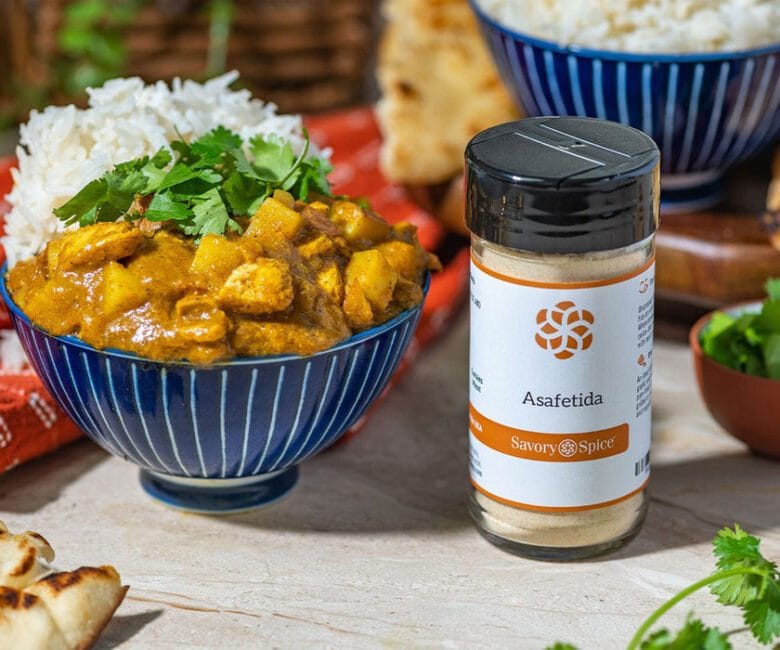
When purchasing asafetida, consider whether you prefer it in resin or powdered form, as both are available. Additionally, be aware that the aroma of asafetida is strong, so it’s usually packaged in airtight containers to contain the scent.
Before buying, check the ingredient list to ensure it’s pure asafetida without any added fillers or additives. Asafetida is a potent spice, so you typically need to use it sparingly in your recipes.
Frequently Asked Questions About Asafetida Spice
1. What is asafetida?
Asafetida, also known as hing, is a pungent gum resin extracted from the roots of the Ferula plant, used as a spice in cooking.
2. What does asafetida smell like?
It has a strong, sulfurous odor similar to garlic and onions, often described as pungent or like rotting garlic, but the smell mellows when cooked.
3. How is asafetida used in cooking?
Add a small pinch to hot oil during tempering to flavor lentils, vegetables, or curries, enhancing savory depth without overpowering other ingredients.
4. Is asafetida gluten-free?
Pure asafetida resin is gluten-free, but commercial powders may be mixed with wheat or rice flour, so check labels for purity.
5. What are the health benefits of asafetida?
It aids digestion, reduces gas and bloating, provides antioxidants, and may support respiratory health and blood sugar regulation.
6. Can asafetida be consumed daily?
Yes, in small culinary amounts like a pinch per dish, it’s safe and beneficial for most people, but avoid large medicinal doses without guidance.
7. What are the side effects of asafetida?
Excessive intake may cause stomach upset, gas, headaches, or skin irritation; pregnant individuals should consult a doctor due to its blood-thinning effects.
8. How should asafetida be stored?
Keep it in an airtight container in a cool, dark place to preserve its potency and contain its strong odor for up to a year.
9. Is asafetida suitable for vegetarians?
Absolutely, it’s a key spice in vegetarian Indian cuisine, often used as a garlic substitute in dishes like dal or pickles.
10. Where can I buy asafetida?
It’s available in Indian grocery stores, specialty spice shops, or online as powder, granules, or resin lumps.
Do you have any questions, suggestions, or contributions? If so, please feel free to use the comment box below to share your thoughts. We also encourage you to kindly share this information with others who might benefit from it. Since we can’t reach everyone at once, we truly appreciate your help in spreading the word. Thank you very much for your support and for sharing!
Disclaimer: This article is for educational and informational purposes only. The health benefits described are based on scientific research and traditional knowledge. They are not a substitute for professional medical advice, diagnosis, or treatment. Always consult a healthcare professional before using any herb or natural remedy for medical purposes.
Read Also: Do Landfills Decompose? A Closer Look at the Process