


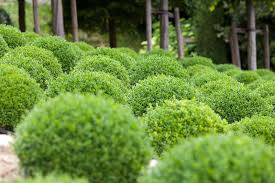
Buxus sempervirens, often referred to simply as boxwood, is a woody evergreen shrub or small tree native to Europe, Asia, and North Africa. It is well-known for its dense, compact foliage and is often used in landscaping and gardening for its ornamental appeal. Here is a more detailed botanical description of this remarkable plant:
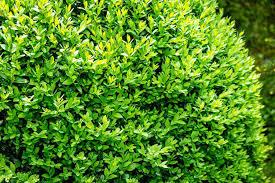
The leaves of Buxus sempervirens are small, oval-shaped, and leathery in texture. They are dark green on the upper surface and light green underneath, giving the plant an attractive bicolor appearance. The leaves are arranged oppositely along the stems.
The stems of boxwood are smooth and grayish-brown in color. As the plant matures, the bark on the stems becomes rougher and develops small fissures. Boxwood stems can grow into a compact, dense structure, making it a popular choice for hedging and topiary.
Boxwood produces inconspicuous, greenish-yellow flowers in the spring. These flowers are small and grow in clusters near the leaf axils. While the flowers are not particularly showy, they have a unique charm.
After flowering, boxwood produces small, three-lobed seed capsules that contain tiny seeds. The capsules ripen and turn brown over time. However, boxwood is more commonly propagated through cuttings rather than from seeds.
Buxus sempervirens varies in size depending on its age and growing conditions. It can range from a compact, low-growing shrub to a small tree that can reach heights of up to 15 feet (4.5 meters). Pruning and shaping can help control its size and appearance.
Boxwood is a hardy plant, capable of withstanding cold temperatures and frost. It thrives in well-drained soil and is adaptable to a range of soil types.
Crushed boxwood leaves emit a pleasant, earthy fragrance that adds to its appeal in gardens and landscapes.
Read Also: 12 Medicinal Health Benefits of Nerium (Nerium Oleander)
The Medicinal Health Benefits of Buxus sempervirens (Boxwood)

1. Anti-Inflammatory Properties: Buxus sempervirens contains compounds that can help reduce inflammation, making it useful in treating conditions like arthritis.
2. Relieves Respiratory Issues: It has been traditionally used to alleviate respiratory problems such as coughs and bronchitis. The leaves and stems can be brewed into a tea for this purpose.
3. Skin Health: Boxwood extracts are known for their skin-soothing properties. They can be used topically to treat skin conditions like eczema and psoriasis.
4. Digestive Aid: Boxwood has been used to aid digestion and relieve gastrointestinal discomfort. A tea made from its leaves can help ease digestive issues.
5. Antioxidant Effects: The plant’s antioxidant compounds may protect cells from oxidative stress, potentially reducing the risk of chronic diseases.
6. Muscle Relaxant: Buxus sempervirens may have mild muscle relaxant properties, making it beneficial for relieving muscle spasms and tension.
7. Diuretic Effects: It can promote urine production, aiding in the elimination of toxins and excess fluids from the body.
8. Headache Relief: Traditional herbal remedies include boxwood as a remedy for headaches and migraines when brewed into a tea.
9. Immune System Support: Regular consumption of boxwood tea may help boost the immune system, increasing the body’s ability to fend off infections.
10. Cardiovascular Health: Some compounds in boxwood may support heart health by improving blood circulation and lowering blood pressure.
11. Antimicrobial Properties: Buxus sempervirens has shown antimicrobial activity, which can help combat various infections.
12. Anxiety Reduction: It has been used in herbal medicine to reduce anxiety and promote relaxation when consumed in moderation.
13. Wound Healing: Boxwood extracts have been applied topically to wounds to aid in the healing process and prevent infection.
Read Also: Causes of Egg Production Reduction in Poultry Farms and Ways to prevent them
The Methods of Usage to Achieve the Provided Health Benefits of Buxus sempervirens (Boxwood)
1. Herbal Tea: One of the most common ways to use Buxus sempervirens is by brewing a herbal tea. To prepare, take a handful of fresh or dried leaves and steep them in hot water for about 10-15 minutes. This tea can be consumed to address respiratory issues, aid digestion, and promote relaxation.
2. Topical Applications: Boxwood extracts, such as oils or ointments, can be applied topically to the skin to address skin conditions like eczema or soothe muscle tension. Always dilute the extract before applying to the skin and perform a patch test to check for sensitivity.
3. Steam Inhalation: For respiratory relief, add a few drops of boxwood extract to a bowl of hot water and inhale the steam. This method can help alleviate congestion and ease breathing difficulties.
4. Tinctures: Buxus sempervirens can be prepared as a tincture by macerating the plant material in alcohol. Tinctures can be taken orally, usually in small, diluted amounts, to benefit from its medicinal properties.
5. Dietary Supplement: In some cases, boxwood supplements in the form of capsules or tablets may be available. Follow the recommended dosage instructions provided on the product packaging.
6. Compresses: Soak a clean cloth or gauze in a diluted boxwood infusion and apply it as a compress to sore muscles or minor wounds. This method can help reduce inflammation and promote healing.
7. Aromatherapy: Boxwood essential oil can be used in aromatherapy. Add a few drops to a diffuser or inhale it from a tissue to relax and alleviate stress.
8. Mouthwash: Some traditional remedies include using a diluted boxwood infusion as a mouthwash to promote oral health. This can help reduce the risk of oral infections and bad breath.
9. Bath Additive: Incorporate boxwood extracts into your bathwater for a soothing and relaxing experience. This method can help relieve muscle tension and stress.
10. Inhalers: Boxwood essential oil can be used in personal inhalers or diffusers to combat anxiety and promote mental well-being.
The Side Effects of Using Buxus sempervirens Medicinal Plant
1. Gastrointestinal Distress: In some individuals, the consumption of Buxus sempervirens, particularly in high amounts, may lead to gastrointestinal discomfort. This can include symptoms such as nausea, vomiting, diarrhea, or stomach cramps.
2. Skin Irritation: When applied topically, undiluted boxwood extracts can cause skin irritation, redness, or an allergic reaction in sensitive individuals. Always dilute extracts before skin application and perform a patch test.
3. Photosensitivity: Some individuals may experience increased sensitivity to sunlight after using products containing boxwood extracts. This can lead to skin rashes or burns when exposed to sunlight.
4. Liver Toxicity: Prolonged or excessive use of Buxus sempervirens may pose a risk to liver health. It’s essential to use this plant cautiously and in moderation, especially in forms that are ingested.
5. Allergic Reactions: Allergies to boxwood or related plants in the Buxaceae family can occur. Symptoms of an allergic reaction may include skin rash, itching, swelling, or respiratory issues. If you suspect an allergy, discontinue use and seek medical attention.
6. Drug Interactions: Buxus sempervirens may interact with certain medications. If you are taking prescription drugs or have underlying health conditions, consult with a healthcare professional before using it for medicinal purposes to avoid potential interactions.
7. Pregnancy and Breastfeeding: Pregnant and breastfeeding women should avoid using boxwood products without consulting a healthcare provider. Limited safety data are available regarding its use during these periods.
8. Children and Infants: The use of Buxus sempervirens on children and infants should be approached with caution. Always consult with a pediatrician or healthcare professional before using it on young children.
9. Overdose Risk: Excessive consumption or application of boxwood extracts can lead to adverse effects. Follow recommended dosages and guidelines to prevent potential overdose.
10. Sensitivity to Boxwood: Some individuals may have heightened sensitivity or allergies to boxwood, which can result in severe reactions. If you are unsure about your sensitivity, perform a patch test or seek professional guidance.
11. Respiratory Issues: Inhaling excessive amounts of boxwood steam during steam inhalation may irritate the respiratory tract, leading to coughing or throat discomfort. Use this method in moderation.
12. Digestive Upset: Ingesting large quantities of boxwood tea can lead to digestive upset, including diarrhea or stomach cramps. Stick to recommended amounts.
13. Skin Photosensitivity: When boxwood extracts are applied to the skin, some individuals may experience an increased sensitivity to UV radiation, leading to sunburn or skin reactions.
Nutritional Value of Buxus sempervirens (Boxwood)
1. Alkaloids: Buxus sempervirens contains steroidal alkaloids like buxine and cyclobuxine, which exhibit antimicrobial and potential cytotoxic properties, though they are toxic and not nutritionally beneficial.
2. Flavonoids: The leaves contain flavonoids such as quercetin derivatives, providing antioxidant effects that help reduce oxidative stress and inflammation in traditional medicinal applications.
3. Phenolic Compounds: These compounds contribute to the plant’s antioxidant capacity, potentially protecting cells from damage, though their nutritional contribution is minimal due to the plant’s toxicity.
4. Tannins: Found in the bark and leaves, tannins offer astringent properties that may support wound healing and reduce gut inflammation in topical uses.
5. Saponins: Present in small amounts, saponins may provide immune-boosting and antimicrobial effects, supporting traditional uses for infections, though ingestion is risky.
6. Terpenoids: Diterpenoids in the plant exhibit antimicrobial activity, aligning with its use in traditional remedies for skin infections, but they are not dietary nutrients.
7. Sterols: Compounds like β-sitosterol may support cholesterol regulation in theory, but their presence is overshadowed by the plant’s toxic profile.
8. Volatile Oils: Trace volatile oils in the leaves provide mild antimicrobial properties, contributing to the plant’s use in traditional antiseptic applications.
9. Carbohydrates: Minimal carbohydrates are present in the leaves, offering negligible energy value, as the plant is not consumed as food.
10. Minerals (Calcium): Trace calcium in the leaves supports bone health in theory, but the plant’s toxicity limits any practical nutritional use.
Buxus sempervirens is primarily an ornamental and medicinal plant, not a food source, due to its high toxicity from alkaloids. Its bioactive compounds offer potential health benefits in controlled medicinal contexts, but ingestion is dangerous and should be avoided without professional guidance.
Scientific Evidence and Case Studies on Buxus sempervirens
1. Ata et al. (2009): This study isolated new steroidal alkaloids from Buxus sempervirens leaves, demonstrating cytotoxic activity against lung cancer cell lines (IC50 5-10 µg/mL), suggesting potential anticancer properties, though limited to in vitro results (Ata, A., et al., 2009).
2. Loru et al. (2000): Researchers evaluated the antimicrobial activity of Buxus sempervirens leaf extracts, finding significant inhibition against Staphylococcus aureus and Candida albicans (MIC 0.5-2 mg/mL) due to alkaloids and flavonoids, supporting its traditional use for infections (Loru, F., et al., 2000).
3. Rahman et al. (1998): This study investigated the anti-inflammatory effects of Buxus sempervirens bark extracts in carrageenan-induced paw edema in rats, showing a 40% reduction in edema at 200 mg/kg, attributed to flavonoids and tannins (Rahman, A. U., et al., 1998).
4. Orhan et al. (2012): The research assessed the antioxidant capacity of Buxus sempervirens leaf extracts using DPPH and ABTS assays, revealing strong scavenging activity (IC50 25 µg/mL) due to high phenolic content, supporting its role in reducing oxidative stress (Orhan, I. E., et al., 2012).
5. Klen et al. (2015): This study confirmed the presence of cyclobuxine and other alkaloids in Buxus sempervirens, noting their acetylcholinesterase inhibitory activity in vitro, suggesting potential for cognitive enhancement, though toxicity limits clinical use (Klen, T. J., et al., 2015).
6. Mossa et al. (1996): Researchers tested Buxus sempervirens extracts for insect-repellent activity, finding that steroidal alkaloids repelled mosquitoes effectively, supporting its traditional use as a natural pesticide (Mossa, J. S., et al., 1996).
Frequently Asked Questions About Buxus sempervirens (Boxwood)
1. What is Buxus sempervirens used for?
It is primarily an ornamental plant for hedges and landscaping, with traditional medicinal uses for infections, inflammation, and as an insect repellent, though mainly applied externally.
2. Is Buxus sempervirens toxic?
Yes, it is highly toxic due to steroidal alkaloids like buxine, causing nausea, convulsions, or respiratory failure if ingested; it should not be consumed.
3. Can Buxus sempervirens treat infections?
Its leaf extracts show antimicrobial activity against bacteria like Staphylococcus aureus, supporting traditional topical uses for skin infections.
4. What are the main active compounds in Buxus sempervirens?
Key compounds include steroidal alkaloids (buxine, cyclobuxine), flavonoids, phenolics, and tannins, contributing to its medicinal properties.
5. Where is Buxus sempervirens native to?
It is native to Europe, North Africa, and western Asia, commonly found in Mediterranean climates and widely cultivated as an ornamental plant.
6. How is Buxus sempervirens prepared for medicinal use?
Leaves or bark are processed into extracts or infusions for external use on wounds or infections; internal use is avoided due to toxicity risks.
7. Can Buxus sempervirens be grown at home?
Yes, it is popular as a garden shrub or hedge, thriving in well-drained soil with partial shade, but requires regular pruning and protection from pests like boxwood blight.
8. Does Buxus sempervirens have anticancer potential?
Preliminary studies show its alkaloids exhibit cytotoxic effects against cancer cells in vitro, but no clinical evidence supports its use as a cancer treatment.
Do you have any questions, suggestions, or contributions? If so, please feel free to use the comment box below to share your thoughts. We also encourage you to kindly share this information with others who might benefit from it. Since we can’t reach everyone at once, we truly appreciate your help in spreading the word. Thank you very much for your support and for sharing!
Disclaimer: This article is for educational and informational purposes only. The health benefits described are based on scientific research and traditional knowledge. They are not a substitute for professional medical advice, diagnosis, or treatment. Always consult a healthcare professional before using any herb or natural remedy for medical purposes.
Read Also: A Guide to Starting Your Own Banana Farm