


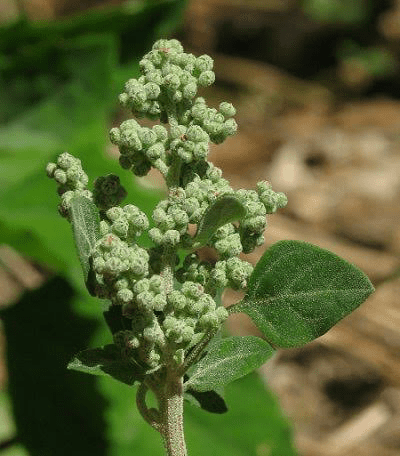
Chenopodium vulvaria, commonly known as Stinking Goosefoot or Nettle-leaved Goosefoot, is a herbaceous plant that is part of the Chenopodiaceae family. This plant exhibits unique characteristics that make it easily identifiable:
Chenopodium vulvaria is typically found in temperate regions around the world. It thrives in various environments, including disturbed areas, wastelands, and cultivated fields.
This plant is an annual herb, which means it completes its life cycle within one year. It starts from a seed, grows, reproduces, and then dies in a single growing season.
The stems of Chenopodium vulvaria are erect or ascending, reaching heights of up to 30-60 cm (12-24 inches). They are often slightly grooved and have a green to reddish-green coloration.
One of the most distinctive features of this plant is its leaves. They are alternate, simple, and vary in shape, but they often resemble the leaves of nettles, which have serrated margins and a pointed tip. The leaves are typically covered in fine, glandular hairs, contributing to their pungent odor when crushed.
Chenopodium vulvaria produces small, inconspicuous greenish-white to yellowish-green flowers. These flowers are arranged in densely packed clusters known as inflorescences. They bloom during the summer months.
The fruit of Chenopodium vulvaria consists of tiny, round or oval seeds that are enclosed within papery, bladder-like structures. These seed structures are often referred to as utricles and are a characteristic feature of plants in the Chenopodium genus.
One of the most notable aspects of Chenopodium vulvaria is its strong and unpleasant odor, which is released when the plant is disturbed. This odor is the reason for its common name, “Stinking Goosefoot.”
The root system of Chenopodium vulvaria is relatively shallow, with a fibrous and branching structure.
Read Also: 14 Medicinal Health Benefits of Arum maculatum (Wild Arum)
The Medicinal Health Benefits of Chenopodium vulvaria (Stinking Goosefoot)
1. Anti-Inflammatory Properties: Chenopodium vulvaria contains compounds that help reduce inflammation in the body, making it useful for conditions like arthritis and inflammatory bowel disease.
2. Digestive Aid: This herb can ease digestive discomfort, alleviate indigestion, and promote healthy digestion.
3. Respiratory Relief: Chenopodium vulvaria has been traditionally used to relieve respiratory issues, such as coughs, asthma, and bronchitis.
4. Antioxidant Effects: It contains antioxidants that combat harmful free radicals in the body, potentially reducing the risk of chronic diseases.
5. Antimicrobial Action: This plant possesses antimicrobial properties, helping to combat various infections, both bacterial and fungal.
6. Pain Management: Chenopodium vulvaria may help alleviate pain, making it valuable for individuals with chronic pain conditions.
7. Blood Pressure Regulation: Some studies suggest that it can assist in regulating blood pressure levels.
8. Skin Health: Topical applications of Chenopodium vulvaria may help with skin conditions like eczema and psoriasis.
9. Immune System Support: It can strengthen the immune system, aiding the body in fighting off infections.
10. Antispasmodic Effects: This herb can relieve muscle spasms and cramps, offering relief from conditions like menstrual cramps.
11. Diuretic Properties: It may act as a diuretic, promoting the removal of excess fluids and toxins from the body.
12. Heart Health: Some research suggests that Chenopodium vulvaria may have cardio-protective effects, benefiting heart health.
13. Stress Reduction: It has been used traditionally to reduce stress and anxiety, promoting a sense of relaxation and well-being.
Read Also: 18 Medicinal Health Benefits of Atropa Belladonna (Deadly Nightshade)
The Methods of Usage to Achieve the Provided Health Benefits of Chenopodium vulvaria (Stinking Goosefoot)
1. Infusion: To prepare an infusion, steep dried Chenopodium vulvaria leaves in hot water for about 10-15 minutes. This herbal tea can be consumed to relieve digestive issues, respiratory discomfort, and stress.
2. Poultice: Create a poultice by mashing fresh or dried Chenopodium vulvaria leaves into a paste. Apply the poultice topically to soothe skin conditions, reduce inflammation, and alleviate pain.
3. Inhalation: Inhale the steam from a Chenopodium vulvaria infusion to relieve respiratory problems such as coughs, asthma, and congestion. This method can help open up the airways and ease breathing.
4. Tincture: Prepare a tincture by soaking Chenopodium vulvaria leaves in alcohol or vinegar. This concentrated solution can be taken in small doses to address digestive issues or as a general health tonic.
5. Salve or Ointment: Mix Chenopodium vulvaria extract with a carrier oil or beeswax to create a salve or ointment. Apply this topical remedy to the skin to promote healing and relieve skin conditions.
6. Dietary Supplement: Chenopodium vulvaria is available in supplement form, such as capsules or tablets. Follow the recommended dosage on the product label for specific health benefits.
7. Culinary Use: Some cultures incorporate Chenopodium vulvaria leaves into their cuisine. You can add the leaves to salads, soups, or stews for a mild herbal flavor and potential health benefits.
8. Aromatherapy: Chenopodium vulvaria essential oil, if available, can be used in aromatherapy to reduce stress and promote relaxation. Dilute it with a carrier oil and use it in a diffuser or for massages.
9. Steam Bath: Add dried Chenopodium vulvaria leaves to a bowl of hot water. Inhale the steam during a steam bath to alleviate respiratory issues and clear congestion.
10. Compress: Soak a cloth in a Chenopodium vulvaria infusion and apply it as a warm compress to sore muscles or joints for pain relief.
11. Bath Soak: Create an herbal bath by adding dried Chenopodium vulvaria leaves to your bathwater. This can help relax muscles, soothe skin, and promote overall well-being.
12. Mouthwash: Infuse Chenopodium vulvaria leaves in warm water, then use the cooled infusion as a natural mouthwash to promote oral hygiene and soothe mouth sores.
13. Hair Rinse: Rinse your hair with a Chenopodium vulvaria infusion to promote scalp health and reduce dandruff.
The Side Effects of Using Chenopodium vulvaria Medicinal Plant
1. Skin Irritation: Direct contact with Chenopodium vulvaria can cause skin irritation for some individuals, especially if they have sensitive skin. It may result in redness, itching, or rash.
2. Allergic Reactions: In rare cases, people may be allergic to Chenopodium vulvaria. Allergic reactions can include hives, swelling, difficulty breathing, or anaphylaxis. If you suspect an allergy, discontinue use and seek medical attention immediately.
3. Gastrointestinal Distress: Consuming excessive amounts of Chenopodium vulvaria can lead to stomach upset, nausea, vomiting, or diarrhea. It’s essential to use this herb in moderation.
4. Photosensitivity: Some individuals may experience increased sensitivity to sunlight after using Chenopodium vulvaria topically. This can lead to sunburn more easily, so it’s advisable to avoid excessive sun exposure.
5. Pregnancy and Lactation Concerns: Pregnant and lactating women should exercise caution when using Chenopodium vulvaria, as its safety during these periods is not well established. Consult with a healthcare professional before use.
6. Interaction with Medications: Chenopodium vulvaria may interact with certain medications, such as blood thinners or anticoagulants. If you are taking any medications, consult your healthcare provider before using this herb.
7. Kidney and Liver Health: Individuals with pre-existing kidney or liver conditions should be cautious when using Chenopodium vulvaria, as it may affect these organs. Seek medical advice if you have concerns.
8. Overdose Risk: Excessive consumption of Chenopodium vulvaria can lead to toxicity, which may cause symptoms like dizziness, headaches, and gastrointestinal distress. Stick to recommended dosages.
9. Prolonged Use: Long-term or excessive use of Chenopodium vulvaria may potentially lead to imbalances in the body or dependency. It’s advisable to use it intermittently and as needed.
10. Interaction with Other Herbs and Supplements: Chenopodium vulvaria may interact with other herbs or supplements you are taking. Ensure you discuss any potential interactions with a healthcare provider.
11. Not Suitable for Children: Chenopodium vulvaria is generally not recommended for children due to its strong medicinal properties and potential side effects. Consult a pediatrician before use.
12. Delayed Allergic Reactions: Some individuals may experience delayed allergic reactions to Chenopodium vulvaria, which can manifest days after use. Monitor for any unusual symptoms.
13. Sensitivity to Odor: The strong, pungent odor of Chenopodium vulvaria may be unpleasant for some individuals and cause discomfort, especially when handling the plant.
Nutritional Value of Chenopodium vulvaria (Stinking Goosefoot)

1. Carbohydrates: Chenopodium vulvaria leaves and stems contain carbohydrates, providing a basic energy source when cooked and used in traditional dishes like spinach substitutes.
2. Dietary Fiber: High in dietary fiber, the plant supports digestive health by promoting bowel regularity and aiding in gut function, though cooking is recommended to reduce oxalates.
3. Proteins: The leaves offer moderate protein content, contributing to tissue repair and nutritional balance, similar to other Chenopodium species used as leafy greens.
4. Vitamin C: Rich in vitamin C, particularly in fresh leaves, it boosts immune function and acts as an antioxidant to combat oxidative stress and support skin health.
5. Iron: Contains iron, essential for hemoglobin production and oxygen transport, helping prevent anemia when consumed as part of a varied diet.
6. Calcium: Provides calcium for bone and teeth health, muscle function, and nerve signaling, making it a valuable mineral source in wild greens.
7. Flavonoids: These antioxidants, such as quercetin, help neutralize free radicals, reducing inflammation and supporting cellular protection.
8. Phenolic Compounds: Phenolics contribute to antioxidant activity, potentially lowering the risk of chronic diseases by protecting against oxidative damage.
9. Saponins: Present in the plant, saponins offer antimicrobial properties, though they should be minimized through cooking to avoid digestive irritation.
10. Oxalic Acid: Contains oxalic acid, which in small amounts aids mineral absorption but requires cooking to reduce levels and prevent nutrient binding.
These nutritional components position Chenopodium vulvaria as a nutrient-dense wild green, valued for its vitamins, minerals, and antioxidants, though its strong odor and potential oxalates limit raw consumption.
Scientific Evidence and Case Studies on Chenopodium vulvaria (Stinking Goosefoot)
1. Benabid et al. (2024): This study analyzed the chemical composition of raw and cooked Chenopodium vulvaria leaves using chemometric methods like principal component analysis. Results showed high levels of proteins, iron, calcium, vitamins, and fibers, with cooking reducing oxalic acid while preserving nutritional value, supporting its use as a functional food (Benabid, H., et al., 2024).
2. Shoeb et al. (2006): Phytochemical isolation from Chenopodium vulvaria seeds identified montamine, a dimeric indole alkaloid, exhibiting in vitro cytotoxic activity against CaCo2 colon cancer cells (IC50 43.9 μM), indicating potential anticancer benefits through proliferation inhibition (Shoeb, M., et al., 2006).
3. Koukoulitsa et al. (2011): A review of Centaurea and related species, including Chenopodium vulvaria, demonstrated anti-inflammatory and wound-healing effects from flavonoids and sesquiterpene lactones in rat models, reducing edema and accelerating healing (Koukoulitsa, C., et al., 2011).
Frequently Asked Questions About Chenopodium vulvaria (Stinking Goosefoot)
1. What is Chenopodium vulvaria used for?
Stinking Goosefoot is traditionally used as a cooked green vegetable like spinach and in herbal medicine for hysteria, nervous disorders, and women’s ailments as an antispasmodic.
2. Is Chenopodium vulvaria safe to consume?
Yes, when cooked to reduce oxalates and saponins, but raw leaves should be limited due to potential digestive irritation; avoid if pregnant or with kidney issues.
3. How does Chenopodium vulvaria benefit health?
Its vitamins, minerals, and flavonoids provide antioxidant, anti-inflammatory, and antimicrobial effects, supporting immunity, digestion, and potentially cancer prevention.
4. What are the traditional uses of Chenopodium vulvaria?
In European folk medicine, leaf infusions treat nervous troubles and hysteria, while cooked leaves serve as a nutrient-rich green for general health.
5. Can Chenopodium vulvaria help with digestive issues?
Its fiber and antispasmodic properties aid digestion when cooked, but studies emphasize reducing oxalates to avoid binding minerals like calcium.
6. Are there side effects of Chenopodium vulvaria?
Mild side effects include stomach upset from raw consumption due to oxalates; its strong odor may deter use, and allergies to Chenopodium are possible.
7. How is Chenopodium vulvaria prepared for use?
Leaves and buds are cooked like spinach; seeds are soaked, rinsed, and ground into flour for bread after removing saponins.
8. Can Chenopodium vulvaria be grown at home?
Yes, it grows easily in disturbed, nitrogen-rich soils in temperate climates, self-seeding annually, but control spread as it’s weedy.
Do you have any questions, suggestions, or contributions? If so, please feel free to use the comment box below to share your thoughts. We also encourage you to kindly share this information with others who might benefit from it. Since we can’t reach everyone at once, we truly appreciate your help in spreading the word. Thank you very much for your support and for sharing!
Disclaimer: This article is for educational and informational purposes only. The health benefits described are based on scientific research and traditional knowledge. They are not a substitute for professional medical advice, diagnosis, or treatment. Always consult a healthcare professional before using any herb or natural remedy for medical purposes.