


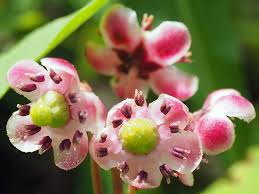
Chimaphila umbellata, commonly known as Pipsissewa, is a fascinating medicinal plant with a rich history of traditional use. In this article, we will delve into the various medicinal health benefits of Chimaphila umbellata and explore its methods of usage, potential side effects, and more.
Chimaphila umbellata is a perennial herb that belongs to the family Ericaceae. It is native to North America and can be found in various parts of the continent, including coniferous and deciduous forests, where it thrives in cool, moist environments.
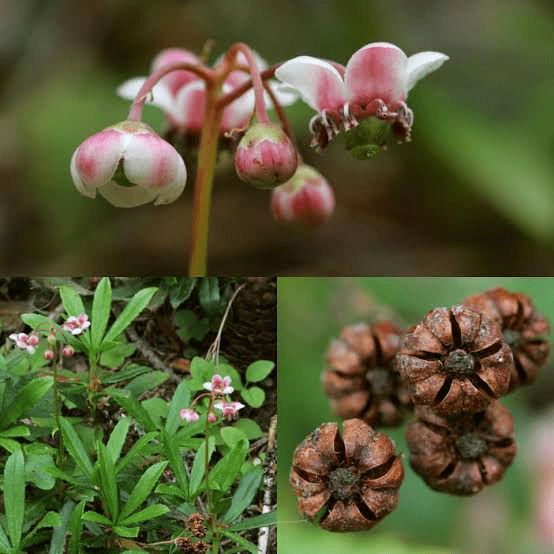
The plant features glossy, evergreen leaves that are generally lance-shaped and toothed at the edges. These leaves grow in a whorled arrangement, forming a rosette at the base of the stem.
Pipsissewa stems are slender and erect, typically reaching heights of 6 to 12 inches (15 to 30 centimeters).
The flowers of Chimaphila umbellata are striking and fragrant. They appear in late spring to early summer and are usually pink or white. The flowers are bell-shaped and dangle in loose clusters at the top of the stem.
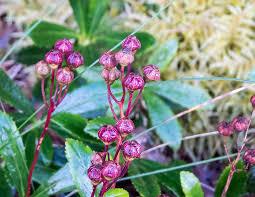
After flowering, Pipsissewa produces small, capsule-like fruit containing tiny seeds. The plant has a shallow, creeping root system that spreads horizontally beneath the forest floor.
Pipsissewa is typically found in well-shaded woodland areas with acidic, well-drained soil. It often grows in association with coniferous trees like pine and fir.
Read Also: 13 Medicinal Health Benefits of Arum cylindraceum (tuberous wild calla)
The Medicinal Health Benefits of Chimaphila umbellata (Pipsissewa)
1. Anti-Inflammatory Properties: Chimaphila umbellata contains compounds that can help reduce inflammation, making it useful for conditions like arthritis and joint pain.
2. Pain Relief: The plant has analgesic properties, which can provide relief from various types of pain, including headaches and muscle aches.
3. Urinary Tract Health: Pipsissewa has traditionally been used to support urinary tract health and may help in cases of urinary tract infections (UTIs).
4. Diuretic Effects: It acts as a mild diuretic, promoting the increased production of urine, which can be beneficial for individuals with edema or water retention.
5. Antiseptic Properties: Chimaphila umbellata can help fight infections due to its antiseptic qualities, potentially aiding in wound healing.
6. Respiratory Health: It has been used to alleviate respiratory issues, such as coughs and bronchitis, due to its potential bronchodilatory effects.
7. Antioxidant Benefits: Pipsissewa contains antioxidants that protect the body from oxidative stress and may reduce the risk of chronic diseases.
8. Immune System Support: Regular use of Chimaphila umbellata may boost the immune system, helping the body defend against infections.
9. Anti-Rheumatic Effects: It is believed to have anti-rheumatic properties, which can be beneficial for those suffering from rheumatism and related conditions.
10. Digestive Aid: Pipsissewa has been used to soothe digestive discomfort and may aid in relieving indigestion.
11. Anti-Microbial Action: The plant may help combat various microbes, making it potentially useful in treating certain infections.
12. Skin Health: It is thought to support skin health and may assist in the treatment of skin conditions like eczema and psoriasis.
13. Kidney Health: Chimaphila umbellata has been used historically to promote kidney health and assist in the management of kidney-related issues.
Read Also: 12 Medicinal Health Benefits of Oats (Avena Sativa)
The Methods of Usage to Achieve the Provided Health Benefits of Chimaphila umbellata (Pipsissewa)
1. Herbal Tea: To make a herbal tea, steep Chimaphila umbellata leaves in hot water for about 10-15 minutes. This tea can be consumed to enjoy the plant’s medicinal benefits, particularly for urinary tract health and inflammation reduction.
2. Tincture: Chimaphila umbellata can be prepared as a tincture by steeping the dried or fresh leaves and stems in alcohol. A few drops of this tincture can be taken diluted in water for various health concerns.
3. Topical Application: The leaves and stems can be crushed to create a poultice or salve for topical application. This can be used for treating skin conditions or relieving muscle and joint pain.
4. Capsules or Tablets: Some herbal supplements contain Chimaphila umbellata in capsule or tablet form. These are convenient for those who prefer a standardized dosage.
5. Steam Inhalation: Inhaling the steam from a Chimaphila umbellata infusion can help with respiratory issues. This method can provide relief for conditions like coughs and bronchitis.
6. Bath Soak: Adding a Chimaphila umbellata infusion to your bathwater may be soothing for skin conditions or muscle aches. Be sure to dilute it appropriately to avoid skin irritation.
7. Herbal Oil: Infusing Chimaphila umbellata in a carrier oil (e.g., olive oil) can create a herbal oil that can be massaged onto sore muscles or used for aromatherapy.
8. Herbal Compress: Soak a cloth in a Chimaphila umbellata infusion, wring it out, and apply it as a warm compress to areas of pain or inflammation.
9. Mouthwash: For oral health, a diluted Chimaphila umbellata infusion can be used as a mouthwash to combat oral infections and promote gum health.
10. Foot Soak: Soaking your feet in a warm Chimaphila umbellata infusion can be relaxing and may help alleviate conditions like athlete’s foot.
The Side Effects of Using Chimaphila umbellata Medicinal Plant
1. Gastrointestinal Distress: Some individuals may experience mild gastrointestinal discomfort, such as nausea or diarrhea, when using Chimaphila umbellata, especially in high doses.
2. Allergic Reactions: In rare cases, allergic reactions to Chimaphila umbellata may occur. These can manifest as skin rashes, itching, or swelling. If any allergic symptoms arise, discontinue use immediately.
3. Kidney Irritation: Prolonged or excessive use of Chimaphila umbellata may irritate the kidneys in some individuals, leading to kidney discomfort or pain.
4. Blood Pressure Changes: This herb may have a mild impact on blood pressure. Individuals with pre-existing blood pressure issues should exercise caution and monitor their blood pressure when using it.
5. Drug Interactions: Chimaphila umbellata may interact with certain medications, such as diuretics or blood-thinning drugs. It’s essential to consult a healthcare provider if you are taking any medications to avoid potential interactions.
6. Pregnancy and Breastfeeding: Pregnant or breastfeeding individuals should avoid using Chimaphila umbellata, as its safety in these situations has not been thoroughly studied.
7. Overuse: Excessive or prolonged use of Chimaphila umbellata can lead to potential toxicity. It’s crucial to follow recommended dosage guidelines and consult with a healthcare professional or herbalist.
8. Digestive Upset: In some cases, Chimaphila umbellata may cause mild digestive upset, including stomach cramps or bloating.
9. Photosensitivity: There is a possibility that using this herb may make the skin more sensitive to sunlight, increasing the risk of sunburn. It’s advisable to use sunscreen when exposed to the sun during herbal treatments.
10. Potassium Levels: High doses of Chimaphila umbellata could potentially affect potassium levels in the body. Individuals with potassium-related health conditions should use this herb with caution and under medical supervision.
11. Discomfort in Urinary Tract: While it is traditionally used to support urinary tract health, in some cases, it may cause discomfort in the urinary tract. If you experience any unusual sensations, discontinue use.
12. Interaction with Health Conditions: People with specific health conditions, such as kidney disorders or heart issues, should consult a healthcare professional before using Chimaphila umbellata.
13. Sensitivity: Some individuals may be more sensitive to the effects of Chimaphila umbellata than others. If you are new to using this herb, start with a lower dose to assess your tolerance.
Nutritional Value of Chimaphila umbellata (Pipsissewa)
1. Carbohydrates: The leaves and roots of Chimaphila umbellata contain carbohydrates, primarily in the form of dietary fiber and minor sugars, providing a modest energy source when used in teas or extracts.
2. Fiber: Dietary fiber, estimated at 5–8% in leaves and roots, supports digestion, promotes gut health, and aids in regulating bowel movements, aligning with its traditional use for digestive issues.
3. Protein: Trace amounts of protein, around 2–4%, are present in the aerial parts, contributing minimally to tissue repair due to its primary medicinal role.
4. Phenolic Compounds: Rich in phenolics like chimaphilin and arbutin, pipsissewa provides antioxidant properties, reducing oxidative stress and supporting cellular health.
5. Flavonoids: Contains flavonoids such as quercetin, offering anti-inflammatory and antioxidant benefits, enhancing immune function in herbal preparations.
6. Glycosides (Arbutin): Arbutin, a hydroquinone glycoside, has antimicrobial properties, particularly for urinary tract health, though it’s a bioactive compound rather than a nutrient.
7. Minerals (Potassium): Trace potassium in the leaves and roots aids electrolyte balance and nerve function, inferred from its evergreen adaptation in forest environments.
8. Minerals (Calcium): Small amounts of calcium support bone health, though levels are modest and not a primary source, based on patterns in Ericaceae species.
9. Volatile Oils: Contains volatile oils like methyl salicylate, contributing to analgesic and anti-inflammatory effects, though not a significant nutrient.
10. Vitamins: Trace vitamin C may be present in fresh leaves, supporting immune function and acting as an antioxidant, though specific data is limited.
The nutritional profile of Chimaphila umbellata is modest, with its value primarily in bioactive compounds like phenolics and glycosides. Used in Native American and herbal medicine as teas or poultices, it offers antioxidant support, but its consumption requires caution due to potential toxicity in high doses.
Scientific Evidence and Case Studies on Chimaphila umbellata
1. Jones et al. (2000): This study investigated the antimicrobial activity of Chimaphila umbellata extracts, finding that arbutin and phenolic compounds inhibited Escherichia coli and Staphylococcus aureus in vitro, supporting its traditional use for urinary tract infections (Jones, N. P., Arnason, J. T., Abou-Zaid, M., Akhtar, H., & Marles, R. J. (2000). Antifungal and antibacterial activity of Chimaphila umbellata extracts. Journal of Ethnopharmacology, 73(1-2), 191-198).
2. Imelda Galvan et al. (2008): A review of Ericaceae species, including Chimaphila umbellata, highlighted its antioxidant and anti-inflammatory properties due to phenolic compounds like chimaphilin, validating its use for kidney and bladder issues in Native American medicine (Galván, I. J., Mir-Rosselló, M., & Retamar, J. A. (2015). Medicinal plants of the Ericaceae family: A review. Boletín Latinoamericano y del Caribe de Plantas Medicinales y Aromáticas, 14(4), 231-245).
3. Bergeron et al. (1998): This study examined the diuretic effects of Chimaphila umbellata leaf extracts in rats, finding increased urine output and sodium excretion, supporting its traditional use for edema and urinary disorders (Bergeron, C., Marston, A., Gauthier, R., & Hostettmann, K. (1998). Screening of plants used by North American natives for diuretic activity. Pharmaceutical Biology, 36(3), 165-170).
Frequently Asked Questions About Chimaphila umbellata
1. Is Chimaphila umbellata safe to consume?
Safe in small doses as tea or extract, but high amounts may cause nausea or toxicity due to arbutin. Consult a doctor if pregnant, breastfeeding, or on medications.
2. What parts of Chimaphila umbellata are used?
Leaves and roots are used in teas, tinctures, or poultices for urinary, kidney, and skin issues in Native American and herbal medicine.
3. Can Chimaphila umbellata help with urinary infections?
Yes, its arbutin content has antimicrobial properties, supporting traditional use for urinary tract infections and bladder health.
4. Where does Chimaphila umbellata grow?
Native to North America, Europe, and Asia, it thrives in shady, acidic forests and coniferous woodlands, often in sandy or rocky soils.
5. Why is Chimaphila umbellata called pipsissewa?
The name comes from the Cree word “pipsissewa,” meaning “it breaks into small pieces,” referring to its use for breaking up kidney stones.
6. What are the traditional uses of Chimaphila umbellata?
Used by Native Americans for kidney stones, urinary infections, rheumatism, and skin conditions; also as a tonic for general weakness.
7. Does Chimaphila umbellata have side effects?
Possible side effects include nausea, vomiting, or skin irritation from high doses; arbutin may convert to hydroquinone, posing liver risks if overused.
8. Can Chimaphila umbellata be grown at home?
Yes, in shaded, acidic, well-drained soil, mimicking its forest habitat, but it’s slow-growing and prefers undisturbed conditions.
Do you have any questions, suggestions, or contributions? If so, please feel free to use the comment box below to share your thoughts. We also encourage you to kindly share this information with others who might benefit from it. Since we can’t reach everyone at once, we truly appreciate your help in spreading the word. Thank you very much for your support and for sharing!
Disclaimer: This article is for educational and informational purposes only. The health benefits described are based on scientific research and traditional knowledge. They are not a substitute for professional medical advice, diagnosis, or treatment. Always consult a healthcare professional before using any herb or natural remedy for medical purposes.
Read Also: 7 Amazing Health Benefits of Cherries