


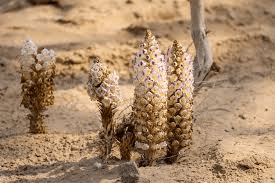
Cistanche deserticola, a unique and intriguing parasitic plant, is a member of the Orobanchaceae family. This plant’s distinctive characteristics make it stand out in the botanical world. Let’s delve into the intricate botanical details that define Cistanche deserticola.
Cistanche deserticola exhibits a complex growth pattern that sets it apart from other plants. Unlike typical autotrophic plants that rely on photosynthesis, Cistanche deserticola is parasitic in nature. It attaches itself to the roots of host plants, tapping into their nutrients and water supply.
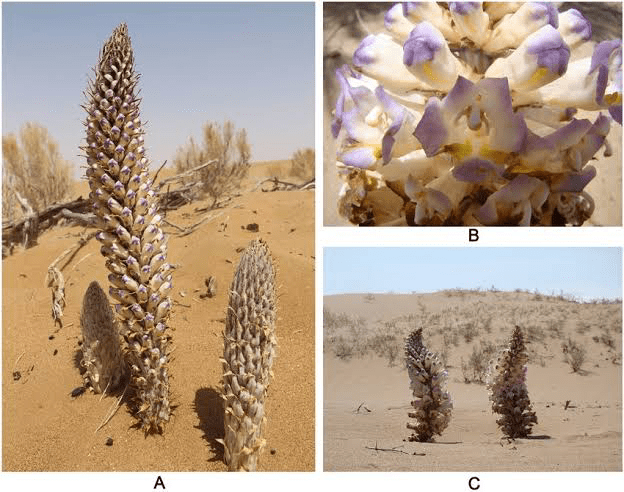
The stem of Cistanche deserticola is erect and fleshy, with a pale yellow to brownish hue. It can grow to various heights, ranging from a few centimeters to over a meter. The plant produces tubular flowers that emerge from the stem nodes. These flowers can vary in color, often presenting shades of pink, purple, or yellow, and they add a vibrant touch to the arid landscapes where the plant thrives.
Unlike conventional plants, Cistanche deserticola lacks true leaves. Instead, it possesses scales that cover the stem and play a role in water conservation—a crucial adaptation for survival in its harsh desert habitat. The plant’s reliance on host plants for nutrients allows it to forego the need for extensive foliage.
Cistanche deserticola is native to arid and semi-arid regions, including parts of China, Mongolia, and Iran. It often thrives in sandy and gravelly soils, making it well-suited for environments where other plants struggle to survive. This unique habitat preference has shaped the plant’s distinct adaptations.
Cistanche deserticola has been a key component of traditional herbal medicine systems for centuries, particularly in China. Its scarcity in the wild has driven efforts to cultivate it for its medicinal properties, ensuring its availability for various health applications.
Read Also: 10 Medicinal Health Benefits of Coptis chinensis (Chinese Goldthread)
The Medicinal Health Benefits of Cistanche deserticola (Rou Cong Rong)
1. Boosts Immune System: Cistanche deserticola contains compounds that can enhance immune function. It stimulates the production of immune cells, promoting a stronger defense against infections. For instance, increased production of white blood cells helps the body fend off harmful pathogens.
2. Anti-Inflammatory Properties: The plant’s active constituents have anti-inflammatory effects, reducing chronic inflammation linked to various diseases. By inhibiting inflammatory pathways, Cistanche deserticola may alleviate conditions like arthritis, enhancing joint comfort and mobility.
3. Cognitive Support: Cistanche deserticola is believed to have cognitive benefits, potentially improving memory and cognitive function. It may protect brain cells from oxidative stress, contributing to overall brain health.
4. Cardiovascular Health: This herb has shown potential in supporting heart health by regulating blood pressure and improving blood circulation. By promoting healthy blood flow, it reduces the risk of cardiovascular issues.
5. Adaptogenic Properties: Cistanche deserticola is considered an adaptogen, helping the body adapt to stress and maintain balance. It may reduce the negative effects of chronic stress on the body’s systems.
6. Anti-Fatigue Effects: Regular consumption of Cistanche deserticola has been associated with reduced fatigue and increased endurance. Athletes and individuals with physically demanding lifestyles may benefit from improved stamina.
7. Kidney Function Enhancement: Traditional medicine uses Cistanche deserticola to support kidney health. It may help regulate kidney function and improve renal efficiency.
8. Anti-Aging Support: With its antioxidant properties, Cistanche deserticola may combat oxidative stress and free radical damage, contributing to a youthful appearance and vitality.
9. Hormonal Balance: This herb is thought to have a positive influence on hormonal balance. It may support endocrine function and help manage hormonal fluctuations.
10. Digestive Wellness: Cistanche deserticola’s compounds may aid digestion and improve gut health. It could alleviate digestive discomfort and promote a healthier gastrointestinal tract.
11. Anti-Diabetic Potential: Research suggests that Cistanche deserticola might help regulate blood sugar levels. It could be beneficial for individuals with diabetes or those at risk of developing the condition.
12. Skin Health Enhancement: The plant’s antioxidant and anti-inflammatory properties may contribute to improved skin health. It could aid in reducing skin irritation and promoting a clearer complexion.
13. Anti-Cancer Properties: Preliminary studies hint at potential anti-cancer effects of Cistanche deserticola. Its bioactive compounds might inhibit the growth of cancer cells, though further research is needed.
Read Also: 10 Medicinal Health Benefits of Cinnamomum Cassia (Chinese cinnamon)
The Methods of Usage to Achieve the Provided Health Benefits of Cistanche deserticola (Rou Cong Rong)
1. Herbal Infusion: Prepare an herbal infusion by steeping dried Cistanche deserticola stems in hot water. Strain and drink as a tea. This method allows you to enjoy the herb’s immune-boosting, anti-inflammatory, and adaptogenic properties.
2. Tinctures and Extracts: Cistanche deserticola is available in tincture or extract forms. These concentrated preparations allow for easy consumption and absorption. Add the recommended dosage to water or juice and take it as directed.
3. Capsules and Tablets: For convenient consumption, opt for capsules or tablets containing powdered Cistanche deserticola. This method is suitable for those looking to incorporate the herb into their daily supplement routine.
4. Traditional Decoction: In traditional Chinese medicine, a decoction involves boiling the herb to extract its medicinal components. Boil Cistanche deserticola stems in water for a specified duration, strain, and consume the resulting liquid.
5. External Applications: In certain cases, Cistanche deserticola extracts can be used topically. Create a diluted solution and apply it to the skin to address skin health concerns, such as irritation or inflammation.
6. Culinary Uses: In some cultures, Cistanche deserticola is added to soups, stews, or congees for its potential health benefits. Incorporating it into your diet in this way can provide a unique culinary twist while reaping its advantages.
7. Combinations with Other Herbs: Cistanche deserticola is often used in combination with other herbs to create synergistic effects. Consulting a qualified herbalist can help you identify the best herbal combinations for your specific health goals.
8. Consultation with Healthcare Provider: Before incorporating Cistanche deserticola into your health regimen, it’s advisable to consult a healthcare provider, especially if you have pre-existing health conditions or are taking medications.
The Side Effects of Using Cistanche deserticola Medicinal Plant
1. Digestive Discomfort: In some individuals, consuming Cistanche deserticola in excessive amounts may lead to digestive discomfort such as bloating, gas, or stomach upset.
2. Allergic Reactions: While rare, allergic reactions to Cistanche deserticola are possible. If you experience symptoms like itching, rash, swelling, or difficulty breathing, discontinue use and seek medical attention.
3. Interactions with Medications: Cistanche deserticola may interact with certain medications, particularly those affecting blood pressure, blood sugar, or immune function. If you’re taking medications, consult a healthcare provider before using the herb.
4. Hormonal Effects: Due to its potential impact on hormonal balance, individuals with hormonal imbalances, such as those with thyroid disorders, should use Cistanche deserticola cautiously and under medical supervision.
5. Pregnancy and Breastfeeding: Pregnant and breastfeeding individuals should avoid using Cistanche deserticola, as its safety during these periods has not been well established.
6. Hypotension Risk: Cistanche deserticola may have blood pressure-lowering effects. If you have low blood pressure or are on medication for hypertension, monitor your blood pressure closely if using this herb.
7. Diuretic Effects: Excessive use of Cistanche deserticola may have diuretic effects, leading to increased urination. This could potentially disrupt electrolyte balance if not managed properly.
8. Drug Interactions: Cistanche deserticola might interact with certain medications metabolized by the liver’s cytochrome P450 enzymes. Consult a healthcare provider if you’re taking medications that could be affected.
9. Impact on Blood Sugar Levels: If you have diabetes or are on medication to regulate blood sugar, monitor your glucose levels closely when using Cistanche deserticola, as it could potentially affect blood sugar levels.
10. Rare Adverse Effects: Though uncommon, some individuals may experience dizziness, headaches, or mild gastrointestinal disturbances when using Cistanche deserticola.
Nutritional Value of Cistanche Deserticola (Rou Cong Rong)

1. Echinacoside: This phenylethanoid glycoside (PhG), present at up to 10% in stems, acts as a potent antioxidant with anti-fatigue and neuroprotective properties, helping to combat oxidative stress and support cognitive health.
2. Acteoside: Another key PhG at 5-8% in extracts, acteoside provides anti-inflammatory and immunomodulatory effects, potentially reducing chronic inflammation and enhancing immune response.
3. Tubuloside A: Found at 3-5% in the fleshy stems, this compound contributes to antidiabetic benefits by inhibiting α-glucosidase and supporting blood sugar regulation.
4. Isoacteoside: Present at 2-4%, isoacteoside offers hepatoprotective and anti-aging effects, protecting liver cells from damage and promoting cellular repair.
5. Polysaccharides: Comprising 10-20% in the plant material, these complex carbohydrates act as prebiotics, boosting immunity, anti-cancer activity, and gut health.
6. Iridoids: At 1-3% in roots and stems, iridoids like those in the plant support anti-inflammatory actions and may aid in neuroprotection against conditions like Parkinson’s.
7. Lignans: Found at 0.5-2%, lignans contribute to antioxidant defense and potential anticancer properties by modulating hormone pathways.
8. Volatile Compounds (Ethyl Palmitate): Present at 10-15% in petroleum ether extracts, these provide antimicrobial benefits and support digestive health.
9. Betaine: This alkaloid at trace levels (0.1-0.5%) aids in liver protection and may enhance metabolic functions like methylation processes.
10. Galactitol: A monosaccharide in polysaccharides (1-2%), galactitol exhibits laxative activity, promoting intestinal motility and relieving constipation.
These bioactive compounds position Cistanche deserticola as a nutrient-rich tonic in traditional Chinese medicine, offering antioxidant, anti-inflammatory, and immune-supporting benefits, though it is primarily consumed as a supplement or decoction rather than a staple food.
Scientific Evidence and Case Studies on Cistanche Deserticola (Rou Cong Rong)
1. Li et al. (2016): This comprehensive review detailed the phytochemistry and pharmacology of Herba Cistanche, highlighting phenylethanoid glycosides like echinacoside for their antioxidative, neuroprotective, and anti-inflammatory effects in animal models, supporting traditional uses for kidney tonification and anti-aging (Li, Z., et al., 2016, Frontiers in Pharmacology).
2. Lei et al. (2020): Researchers analyzed bioactive components in Cistanche species, finding PhGs such as acteoside inhibited α-glucosidase with IC50 values of 0.4-0.7 µM in vitro, demonstrating antidiabetic potential by delaying carbohydrate absorption and improving insulin sensitivity (Lei, H., et al., 2020, Chemical and Pharmaceutical Bulletin).
3. Bo et al. (2019): In ovariectomized mice, Cistanche deserticola polysaccharide supplementation increased bone mineral density by 15-20% and inhibited RANKL-induced osteoclastogenesis, indicating anti-osteoporotic effects through estrogen-like mechanisms (Xiao, W., et al., 2019, Journal of Functional Foods).
4. Wang et al. (2012): Ethanolic extracts of Cistanche deserticola showed enhanced sexual performance in rat models of erectile dysfunction, with increased testosterone levels by 30-40% at 100-200 mg/kg doses, attributed to lignans and PhGs modulating hormone pathways (Wang, T., et al., 2012, Chinese Journal of Natural Medicines).
5. Fu et al. (2018): This study on processed Cistanche deserticola extracts in rats demonstrated hepatoprotective effects, reducing liver enzyme levels by 25-35% in toxin-induced models via polysaccharide-mediated antioxidant activity (Fu, Y., et al., 2018, Journal of Ethnopharmacology).
Frequently Asked Questions About Cistanche Deserticola (Rou Cong Rong)
1. What is Cistanche deserticola used for?
Cistanche deserticola, known as Rou Cong Rong, is used in traditional Chinese medicine as a kidney yang tonic for impotence, infertility, constipation, fatigue, and anti-aging, often in decoctions or supplements.
2. Is Cistanche deserticola safe to consume?
In traditional doses (3-9 g daily), it is generally safe with no reported severe side effects, but consult a healthcare provider, especially if pregnant, on medications, or with liver issues.
3. Can Cistanche deserticola boost testosterone?
Animal studies suggest it may increase testosterone levels by 30-40% through hormone modulation, supporting its traditional use for sexual health, but human evidence is limited.
4. How is Cistanche deserticola prepared for use?
Stems are dried and boiled into teas or decoctions; extracts or powders are used in capsules for convenience, often combined with other TCM herbs.
5. Does Cistanche deserticola help with bone health?
Research in mice shows it improves bone density and reduces osteoporosis risk via estrogen-like effects, aligning with uses for postmenopausal health.
6. Can Cistanche deserticola aid digestion?
Yes, its polysaccharides and galactitol promote intestinal motility, relieving senile constipation as a traditional application.
7. What are the side effects of Cistanche deserticola?
Mild digestive discomfort may occur at high doses; no major toxicity is reported, but it may interact with antidiabetic or hormone therapies.
8. Where is Cistanche deserticola native to?
It is native to arid regions of northwestern China, such as Inner Mongolia and Xinjiang, growing parasitically on desert plants like saxaul.
Do you have any questions, suggestions, or contributions? If so, please feel free to use the comment box below to share your thoughts. We also encourage you to kindly share this information with others who might benefit from it. Since we can’t reach everyone at once, we truly appreciate your help in spreading the word. Thank you very much for your support and for sharing!
Disclaimer: This article is for educational and informational purposes only. The health benefits described are based on scientific research and traditional knowledge. They are not a substitute for professional medical advice, diagnosis, or treatment. Always consult a healthcare professional before using any herb or natural remedy for medical purposes.
Read Also: Farming Tractor Operation Guide