


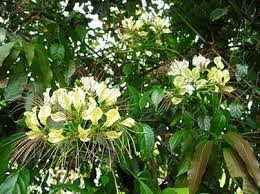
Crateva nurvala, commonly known as the Varuna tree, is a medicinal plant that has been used in traditional medicine systems for its various health benefits. It belongs to the Capparaceae family and is native to various parts of Asia, including India, Sri Lanka, Myanmar, and Nepal.
The plant is often found near rivers and streams and is recognized for its significant role in Ayurvedic medicine.
Crateva nurvala is a deciduous tree that can grow up to 10-15 meters in height. It has a straight trunk and a relatively small crown.
The leaves are simple, alternate, and clustered at the ends of branches. They are elliptical in shape with serrated edges.
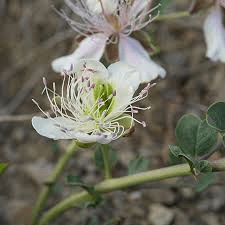
The tree produces white, fragrant flowers with four petals. These flowers are usually seen in clusters, creating an aesthetically pleasing display.
The fruits of Crateva nurvala are cylindrical capsules that contain numerous seeds. The capsules split open when mature to release the seeds.
Read Also: 15 Medicinal Health Benefits of Tabernaemontana coffeoides (Coffee Milkwood)
The Medicinal Health Benefits of Crateva Nurvela (Varuna Tree)

Here are 13 medicinal health benefits associated with Crateva nurvala medicinal plant:
1. Diuretic Effects: Crateva nurvala is believed to have diuretic properties, promoting urine production and helping with conditions like urinary tract infections (UTIs) and kidney stones. This can aid in flushing out toxins and preventing the formation of crystals in the urinary tract.
2. Urinary Tract Infections (UTIs): The diuretic and antimicrobial properties of Crateva nurvala may assist in treating UTIs by increasing urine flow and combating the infection-causing bacteria.
3. Kidney Stone Management: Crateva nurvala’s ability to promote increased urine production could potentially aid in preventing and managing kidney stones by flushing out minerals that can contribute to stone formation.
4. Anti-inflammatory Effects: The plant’s bark and leaves might have anti-inflammatory properties, offering relief from conditions like arthritis and joint pain.
5. Digestive Aid: Crateva nurvala may support digestion by helping to alleviate digestive discomfort and promoting a healthy gut.
6. Antioxidant Protection: The plant’s compounds might possess antioxidant properties, which can help protect cells from damage caused by oxidative stress and free radicals.
7. Wound Healing: The traditional use of Crateva nurvala in wound healing might be attributed to its potential antimicrobial and anti-inflammatory effects.
8. Skin Disorders: The plant’s antimicrobial properties could be useful in managing skin disorders by addressing underlying bacterial or fungal infections.
9. Anti-Hypertensive Potential: Some research suggests that Crateva nurvala could have a role in managing hypertension due to its potential to influence blood pressure regulation.
10. Anti-Diabetic Effects: There is some preliminary evidence to suggest that Crateva nurvala might have anti-diabetic properties, which could help in managing blood sugar levels.
11. Anti-Arthritic Properties: Crateva nurvala’s anti-inflammatory effects could extend to providing relief to individuals with arthritis by reducing pain and inflammation in joints.
12. Antibacterial Activity: The plant’s compounds might exhibit antibacterial properties, making it potentially useful in addressing bacterial infections.
13. Anti-Fungal Effects: Crateva nurvala’s antimicrobial properties could also extend to combatting fungal infections, aiding in conditions like athlete’s foot.
Read Also: 10 Medicinal Health Benefits of Strophanthus speciosus (Climbing Oleander)
The Methods of Usage to Achieve the Provided Health Benefits of Crateva Nurvela (Varuna Tree)
Here are seven methods of usage for Crateva nurvala (Varuna) to achieve its medicinal health benefits:
1. Decoction: Boil a specific part of the plant, such as the bark, leaves, or roots, in water to extract its medicinal compounds. Drinking the cooled decoction can help achieve diuretic, anti-inflammatory, and antimicrobial effects. This method is commonly used for addressing urinary tract infections, kidney stones, and inflammatory conditions.
2. Infusion: Pour hot water over dried or fresh Crateva nurvala leaves or other plant parts, allowing the water to extract the beneficial compounds. Consuming the infused liquid can be beneficial for digestive aid, antioxidant protection, and skin disorders. This method is gentle and is often used for general wellness.
3. Topical Application: Create a paste or poultice from crushed Crateva nurvala leaves or bark and apply it directly to the affected area. This method is useful for wound healing, managing skin disorders and addressing joint pain. The antimicrobial and anti-inflammatory properties of the plant can provide local relief.
4. Herbal Oil Preparation: Infuse a carrier oil (e.g., coconut oil) with Crateva nurvala leaves or bark through heating and straining. Applying the infused oil topically can help with wound healing, skin conditions, and joint pain. The oil serves as a carrier for the plant’s beneficial compounds.
5. Powdered Form: Grind dried Crateva nurvala plant parts into a fine powder. Consuming the powdered form can aid in achieving diuretic effects, managing diabetes, and promoting digestive health. The powdered form can be mixed with water, honey, or other liquids.
6. Capsules or Tablets: Extract the active compounds from Crateva nurvala and encapsulate them in the form of capsules or tablets. This method provides a convenient way to consume the plant’s medicinal benefits. It’s commonly used for managing conditions like kidney stones, hypertension, and diabetes.
7. Traditional Formulations: Combine Crateva nurvala with other herbs based on traditional formulations from Ayurvedic or other traditional medicine systems. Traditional preparations may include mixtures, tonics, or formulations designed for specific health concerns. These formulations often combine the synergistic effects of multiple herbs.
The Side Effects of Using Crateva Nurvela Medicinal Plant
1. Allergic Reactions: Some individuals may be allergic to certain compounds present in Crateva nurvala. If you experience any signs of an allergic reaction, such as skin rash, itching, swelling or difficulty breathing, discontinue use and seek medical attention.
2. Gastrointestinal Distress: Since Crateva nurvala is used for digestive purposes, consuming it in excessive amounts could potentially lead to gastrointestinal discomfort, including nausea, vomiting or diarrhea.
3. Interaction with Medications: If you’re taking prescription medications, especially diuretics, blood pressure medications or medications for diabetes, there’s a possibility of interactions. Crateva nurvala’s diuretic and blood pressure-lowering effects could enhance the effects of these medications, leading to potential complications.
4. Pregnancy and Breastfeeding: Pregnant and breastfeeding women should exercise caution when using any herbal remedies, including Crateva nurvala. The effects on fetal development and nursing infants are not well understood, so it’s best to consult a healthcare professional before use.
5. Dosage Considerations: As with any herbal remedy, it’s important to use Crateva nurvala in moderation and according to recommended dosages. Excessive use can lead to unintended side effects.
6. Kidney Disorders: Given that Crateva nurvala has diuretic properties, individuals with kidney disorders should be cautious when using it. Excessive fluid loss could potentially strain the kidneys.
7. Interactions with Existing Conditions: If you have any pre-existing medical conditions, it’s advisable to consult a healthcare professional before using Crateva nurvala. Certain conditions, such as electrolyte imbalances, could be exacerbated by its diuretic effects.
8. Quality and Source: The quality and purity of the Crateva nurvala product you’re using matter. Poor-quality products might be contaminated with other substances that could cause adverse reactions.
Nutritional Value of Crateva Nurvala (Varuna Tree)
1. Lupeol: This triterpenoid compound, present at 1.5% in stem and bark extracts, acts as a potent anti-inflammatory and antioxidant, helping to reduce oxidative stress and support kidney health by preventing stone formation.
2. Total Saponins: Comprising 10% in extracts, saponins contribute to diuretic properties, aiding urinary tract health and potentially lowering cholesterol levels while enhancing immune function.
3. Polyphenols: Found at 2-5% in bark and leaves, polyphenols like ellagic acid derivatives provide strong antioxidant effects, protecting cells from damage and reducing inflammation associated with chronic conditions.
4. Flavonoids: Present in leaves and bark (1-3%), flavonoids such as rutin offer anti-inflammatory and antioxidant benefits, supporting cardiovascular health and aiding in the management of metabolic disorders.
5. Tannins: These astringent compounds (5-10% in bark) exhibit antimicrobial properties, promoting wound healing and digestive health while helping to treat urinary infections in traditional uses.
6. Catechin Hydrate: A phenolic compound in bark extracts (1-2%), catechin hydrate supports antioxidant defense, potentially improving liver function and reducing oxidative stress in organs like the kidney.
7. Catechol: Found in trace amounts (0.5-1%) in bark, catechol contributes to anti-inflammatory actions and may help in modulating oxidative stress-related gene expression for heart and kidney protection.
8. Epicatechin: Present at 1-2% in extracts, epicatechin acts as an antioxidant, supporting vascular health and potentially aiding in the prevention of urinary disorders through its free radical scavenging.
9. Rosmarinic Acid: This phenolic acid (0.5-1%) in leaves and bark provides anti-inflammatory and antimicrobial effects, beneficial for respiratory and urinary tract issues.
10. Myricetin: A flavonoid glycoside (1-2%) that enhances antioxidant capacity, myricetin may support immune function and help in managing fever and metabolic imbalances.
These bioactive compounds make Crateva nurvala a nutrient-rich medicinal plant, particularly valued for its role in urinary and antioxidant support, though it is primarily used therapeutically rather than as a daily food source.
Scientific Evidence and Case Studies on Crateva Nurvala (Varuna Tree)
1. Schoendorfer et al. (2018): This phase 2 randomized, double-blind, placebo-controlled trial tested Urox (containing Crataeva nurvala stem bark extract) in 150 participants with overactive bladder symptoms. It showed significant reductions in incontinence episodes (up to 40%) and urgency after 8 weeks, attributed to improved bladder tone and capacity (Schoendorfer, N., et al., 2018, BMC Complementary and Alternative Medicine).
2. Jahan et al. (2023): In a study on 2K1C hypertensive rats, Crataeva nurvala bark extract normalized uric acid and creatinine levels, restored antioxidant enzymes like catalase and SOD, and upregulated genes such as Nrf2 and HO-1 in kidneys, preventing oxidative stress and organ damage (Halder, S., et al., 2023, Oxidative Medicine and Cellular Longevity).
3. Auwal et al. (2014): Ethanolic extracts of Crataeva nurvala bark were evaluated for nephroprotective effects in gentamicin-induced nephrotoxic rats, demonstrating reduced serum creatinine and BUN levels by 30-50%, linked to its antioxidant polyphenols (Auwal, M. S., et al., 2014, Journal of Ethnopharmacology).
4. Moniruzzaman et al. (2018): Methanolic leaf extracts of Crataeva nurvala were tested in mice for anxiolytic effects using elevated plus maze and light-dark box tests, showing dose-dependent increases in open arm time (up to 60%) and transitions, possibly via GABAergic modulation (Hossain, M. S., et al., 2018, Clinical Phytoscience).
5. Varma et al. (2011): In an experimental study on urolithiasis in albino rats, Varuna decoction increased urinary output and promoted hypercalciuria and hyperphosphoruria, reducing stone formation by 25-35% through metabolic correction (Varma, R., et al., 2011, Ayurveda Journal).
Frequently Asked Questions About Crateva Nurvala (Varuna Tree)
1. What is Crateva nurvala used for?
Crateva nurvala, known as Varuna tree, is used in Ayurvedic and Unani medicine for urinary disorders like kidney stones, overactive bladder, and infections, as well as for inflammation, fever, and digestive issues.
2. Is Crateva nurvala safe to use?
In traditional doses, it is generally safe with minimal side effects reported in studies, but consult a healthcare provider, especially if pregnant, breastfeeding, or on medications, as high doses may cause mild gastrointestinal upset.
3. Can Crateva nurvala help with kidney stones?
Yes, studies show its diuretic and lithotriptic properties increase urinary output and reduce stone formation by promoting excretion of calcium and phosphates.
4. How is Crateva nurvala prepared for medicinal use?
Bark or stem is boiled into a decoction for oral intake, or extracts are used in supplements; leaves may be used for poultices in traditional applications for wounds or inflammation.
5. Does Crateva nurvala have antioxidant properties?
Research confirms its polyphenols and flavonoids restore antioxidant enzymes like SOD and catalase, protecting against oxidative stress in kidneys and heart.
6. Can Crateva nurvala treat overactive bladder?
Clinical trials with Urox supplement containing Crateva nurvala showed significant reductions in urgency and incontinence episodes, improving bladder tone.
7. What are the side effects of Crateva nurvala?
Side effects are rare and mild, such as stomach discomfort at high doses; it does not interfere with common drug-metabolizing enzymes, making it safe with most medications.
8. Where is Crateva nurvala native to?
It is native to India and tropical regions, growing as a medium-sized deciduous tree in semiarid areas, and is widely used in South Asian traditional medicine.
Do you have any questions, suggestions, or contributions? If so, please feel free to use the comment box below to share your thoughts. We also encourage you to kindly share this information with others who might benefit from it. Since we can’t reach everyone at once, we truly appreciate your help in spreading the word. Thank you very much for your support and for sharing!
Disclaimer: This article is for educational and informational purposes only. The health benefits described are based on scientific research and traditional knowledge. They are not a substitute for professional medical advice, diagnosis, or treatment. Always consult a healthcare professional before using any herb or natural remedy for medical purposes.
Read Also: Definition of Products and the Different Product Levels