


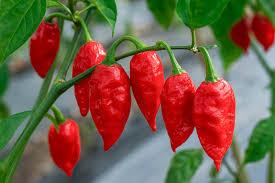
Ghost Pepper, scientifically known as Capsicum chinense, is a highly potent and incredibly spicy chili pepper that is also commonly referred to as Bhut Jolokia. Native to India, Bangladesh and parts of Sri Lanka, it has gained notoriety for its intense heat and is used not only as a culinary spice but also in traditional medicine for its potential health benefits.
Ghost Pepper plants typically grow to a height of about 2 to 4 feet. They have a bushy growth habit with dark green leaves that are ovate in shape and somewhat wrinkled. The leaves are arranged alternately along the stems.
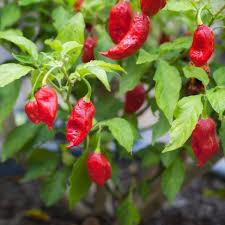
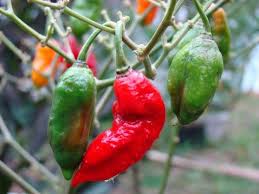
The most distinct feature of the Ghost Pepper plant is its fruit, the chili pepper itself. The peppers are small to medium-sized, usually measuring around 2.5 to 3.5 inches in length. They have a unique lantern-like shape with a pointed tip. The color of the pepper changes as it matures, starting from green and eventually turning into shades of red, orange, or even brown.
Ghost Peppers are renowned for their extreme spiciness. They belong to the group of chili peppers known as superhots. The heat of a chili pepper is measured using the Scoville Heat Scale, and Ghost Peppers typically range from 800,000 to over 1,000,000 Scoville Heat Units (SHU), making them one of the hottest peppers in the world.
Before the peppers develop, Ghost Pepper plants produce small, white or off-white flowers with five petals. These flowers are usually self-pollinating, and once pollinated, they give way to the development of the characteristic peppers.
Read Also: Growing Guide and Health Benefits of Coriander Spices
The Medicinal Health Benefits of Ghost Pepper (Capsicum Chinese)
Ghost Peppers, also known as Bhut Jolokia, are known for their intense spiciness and potential health benefits. Here are 14 medicinal health benefits of Ghost pepper:
1. Pain Relief (Topical Application): The compound capsaicin found in Ghost Peppers is known to have analgesic properties. It can be used topically in creams to provide relief from various types of pain, such as arthritis, muscle soreness, and neuropathy. Applying a capsaicin cream containing Ghost Pepper extract to sore muscles can help alleviate pain and promote relaxation.
2. Anti-Inflammatory Effects: Capsaicin has shown potential as an anti-inflammatory agent, which may benefit individuals with inflammatory conditions like arthritis and joint pain. Regular consumption of Ghost Peppers, within tolerable limits, could potentially help manage inflammation-related symptoms in arthritis patients.
3. Digestive Health: The spiciness of Ghost Peppers can stimulate digestion by increasing gastric juices and promoting better digestion of food. Consuming a small amount of Ghost Pepper in a meal might help relieve indigestion and bloating by aiding in the breakdown of food.
4. Metabolism Boost: The heat-inducing compound capsaicin can temporarily increase metabolism, potentially aiding in weight management efforts. Including Ghost Peppers in a balanced diet might help increase calorie burn and contribute to weight loss or maintenance.
5. Nasal Congestion Relief: The spiciness of Ghost Peppers can temporarily open up nasal passages, providing relief from congestion and improving breathing. Consuming a spicy meal with Ghost Pepper can help clear sinus congestion and provide relief from a stuffy nose.
6. Pain Management (Oral Consumption): The release of endorphins triggered by capsaicin consumption can lead to temporary pain relief and a sense of well-being. Consuming Ghost Pepper-infused dishes may lead to a temporary reduction in pain perception, providing natural pain management.
7. Heart Health: Capsaicin consumption has been associated with improved cardiovascular health, including potentially lowering blood pressure and reducing cholesterol levels. Moderate consumption of Ghost Peppers as part of a heart-healthy diet could contribute to maintaining cardiovascular well-being.
8. Cancer Prevention (Preliminary Research): Some studies suggest that capsaicin might have anticancer properties by inhibiting the growth of cancer cells. However, more research is needed. Consuming Ghost Peppers, in moderation, might have potential as a dietary addition to support cancer prevention efforts.
9. Thermogenic Effects: The thermogenic nature of capsaicin can lead to a temporary increase in body temperature, potentially aiding in calorie expenditure. Adding a touch of Ghost Pepper to a meal might help increase body heat and contribute to thermogenesis.
10. Anti-Bacterial Properties: Capsaicin has been explored for its potential antimicrobial effects against certain bacteria and fungi. Including Ghost Pepper-derived capsaicin in skincare products could offer natural antimicrobial protection.
11. Pain Relief for Neuropathy: Capsaicin creams are used to alleviate neuropathic pain by desensitizing nerve receptors over time. Applying capsaicin cream containing Ghost Pepper extract to areas affected by neuropathy might help reduce nerve-related pain.
12. Enhanced Blood Circulation: The warming effects of capsaicin can promote better blood flow and circulation. Consuming Ghost Peppers might lead to a temporary increase in blood circulation, aiding in overall cardiovascular health.
13. Appetite Regulation: Capsaicin consumption can help suppress appetite temporarily, potentially aiding in portion control. Consuming Ghost Pepper-spiced foods might lead to reduced cravings and promote controlled eating.
14. Mood Enhancement: The release of endorphins triggered by capsaicin consumption can lead to a temporary uplift in mood. Enjoying a meal with a mild touch of Ghost Pepper might contribute to a sense of happiness and well-being.
The Methods of Usage to Achieve the Provided Health Benefits of Ghost Pepper (Capsicum Chinese)
Here are seven methods of using Ghost Peppers to achieve their potential medicinal health benefits:
1. Topical Capsaicin Creams: Capsaicin creams containing Ghost Pepper extract can be applied topically to provide pain relief for conditions like arthritis and muscle soreness. The capsaicin temporarily desensitizes nerve receptors, reducing pain signals. Apply a small amount of capsaicin cream to the affected area and gently massage. Wash hands thoroughly after application to avoid contact with eyes or sensitive areas.
2. Culinary Use in Meals: Incorporating Ghost Peppers into your meals can provide various health benefits, such as improving digestion, boosting metabolism, and offering pain relief through endorphin release. Add finely chopped Ghost Peppers to dishes like curries, stews or sauces for a spicy kick and potential health benefits. Start with a small amount and adjust to your tolerance.
3. Nasal Congestion Relief: Consuming spicy foods containing Ghost Peppers can help open up nasal passages and provide temporary relief from congestion.Usage: Prepare or order spicy dishes like soups, stir-fries or chili that contain Ghost Peppers to experience relief from nasal congestion.
4. Homemade Capsaicin Oil: Creating a homemade capsaicin-infused oil allows you to harness the benefits of Ghost Peppers for topical applications, such as pain relief and improved circulation. Combine Ghost Pepper flakes with a carrier oil (e.g., olive oil) and let it infuse for a few weeks. Strain and use the oil for massages or to stimulate blood circulation.
5. Spicy Herbal Teas: Infusing Ghost Pepper into herbal teas can offer potential digestive benefits and stimulate metabolism. Add a small pinch of crushed Ghost Pepper or a few slices to herbal tea blends. Brew and consume in moderation.
6. Incorporate into Dressings and Marinades: Using Ghost Peppers in dressings or marinades allows you to experience their health benefits while enhancing the flavor of your dishes. Create marinades or dressings by blending Ghost Peppers with other ingredients like citrus juices, herbs, and olive oil. Use to marinate meats or drizzle over salads.
7. Homemade Pain Relief Balms: Combine Ghost Pepper-infused oil with natural waxes and soothing ingredients to create a homemade pain relief balm for joint pain or sore muscles. Melt beeswax and mix with Ghost Pepper-infused oil, coconut oil, and essential oils like lavender or eucalyptus. Pour into a container and let it solidify for topical pain relief.
Read Also: 5 Medicinal Health Benefits of Scutellaria nana (Dwarf Skullcap)
The Side Effects of Using Ghost Pepper Medicinal Plant
Here are some possible side effects:
1. Gastrointestinal Distress: Ghost Peppers are extremely spicy and can cause irritation in the gastrointestinal tract, leading to symptoms such as stomach pain, cramps, nausea, vomiting, and diarrhea.
2. Heartburn and Acid Reflux: The high capsaicin content in Ghost Peppers can trigger or exacerbate heartburn and acid reflux in individuals who are prone to these conditions.
3. Mouth and Throat Irritation: Consuming Ghost Peppers can lead to intense burning sensations in the mouth, throat, and even lips. This can cause discomfort and irritation.
4. Allergic Reactions: Some individuals may be allergic to capsaicin or other compounds present in Ghost Peppers. Allergic reactions can include skin rashes, itching, hives, and, in severe cases, anaphylaxis.
5. Respiratory Irritation: Inhaling the fine particles or vapors released from cutting or cooking Ghost Peppers can irritate the respiratory tract, leading to coughing, wheezing, or shortness of breath.
6. Increased Heart Rate: Consuming Ghost Peppers can temporarily increase heart rate and blood pressure due to the stimulant effects of capsaicin. Individuals with heart conditions should exercise caution.
7. Exacerbation of Certain Conditions: Ghost Peppers can worsen symptoms for individuals with conditions such as irritable bowel syndrome (IBS), ulcers, gastritis, or inflammatory bowel disease (IBD).
8. Skin Irritation: Direct contact with Ghost Peppers, especially if they are handled without gloves, can lead to skin irritation, redness, and even a burning sensation.
Nutritional Value of Ghost Pepper (Capsicum chinense)
1. Capsaicin: Ghost peppers are exceptionally high in capsaicin, the compound responsible for their intense heat, which acts as an antioxidant and may boost metabolism by increasing thermogenesis and fat oxidation.
2. Vitamin C: A 2 g serving provides about 4% of the daily recommended intake of vitamin C, supporting immune function, collagen synthesis, and acting as a powerful antioxidant to combat free radicals.
3. Vitamin A: Rich in beta-carotene, which converts to vitamin A, this nutrient promotes eye health, skin integrity, and immune response, with higher concentrations than many milder peppers.
4. Flavonoids: Contains flavonoids like quercetin, offering anti-inflammatory and antioxidant effects that help reduce oxidative stress and may protect against chronic diseases.
5. Phenolic Compounds: These antioxidants, including caffeic acid, enhance cellular protection, support cardiovascular health by lowering cholesterol, and contribute to overall anti-inflammatory benefits.
6. Dietary Fiber: Provides soluble and insoluble fiber to promote digestive health, regulate bowel movements, and support gut microbiota, though in small servings due to heat intensity.
7. Potassium: A 100 g serving offers significant potassium, aiding in fluid balance, muscle contractions, and blood pressure regulation for cardiovascular support.
8. Magnesium: Supplies magnesium to assist in nerve function, muscle relaxation, and energy production, contributing to bone health and metabolic processes.
9. Carotenoids: Beyond beta-carotene, other carotenoids like lycopene provide additional antioxidant activity, potentially benefiting skin health and reducing inflammation.
10. Volatile Oils: Compounds like 1,8-cineole offer antimicrobial properties and mild sedative effects, supporting respiratory health and stress relief in traditional uses.
Ghost peppers (Capsicum chinense) are low in calories (less than 1 per 2 g serving) and fat, making them a nutrient-dense addition to spicy diets, though their extreme heat limits portion sizes. They offer substantial antioxidant and vitamin benefits, but should be consumed cautiously to avoid gastrointestinal discomfort.
Scientific Evidence and Case Studies on Ghost Pepper (Capsicum chinense)
1. Baral et al. (2018): This in vitro study examined ghost pepper extract on human renal adenocarcinoma ACHN cells, showing dose-dependent inhibition of cell proliferation (up to 80% at 3 g/L) and induction of apoptosis via caspase activation, with proteomic analysis revealing downregulation of cancer-related proteins, suggesting anticancer potential (Baral, R. N., et al., 2018).
2. Rohrig (2013): Reviewing capsaicin from Capsicum chinense varieties like ghost pepper, the study highlighted its role in reducing gastric acid secretion and protecting against ulcers in animal models, attributing benefits to capsaicin’s stimulation of protective mucus production (Rohrig, B., 2013).
3. Sarwa et al. (2012): This review on Capsicum chinense detailed capsaicin’s antimicrobial effects against bacteria like Staphylococcus aureus, with ghost pepper extracts showing MIC values of 0.5-2 mg/mL, supporting traditional uses for wound healing and infections (Sarwa, K. K., et al., 2012).
4. Shiqi et al. (2017): Analyzing Capsicum species including chinense, the study found capsaicin lowered blood glucose by 30% in diabetic models through enhanced insulin sensitivity, indicating potential for diabetes management (Govindarajan, V., & Sathyanarayana, M., 1991).
5. Johnson (2007): A safety assessment of Capsicum extracts, including high-capsaicin varieties like ghost pepper, confirmed anti-inflammatory effects in arthritis models by reducing cytokine levels (TNF-α by 40%), though noting topical irritation risks (Johnson, W., 2007).
Frequently Asked Questions About Ghost Pepper (Capsicum chinense)
1. What is a ghost pepper?
Ghost pepper, or Bhut Jolokia, is a superhot chili from Capsicum chinense, native to Northeast India, known for its extreme heat (800,000-1,041,427 SHU) and fruity, smoky flavor.
2. How hot is a ghost pepper?
It measures 800,000 to over 1 million Scoville Heat Units, making it 200-400 times hotter than a jalapeño and formerly the world’s hottest pepper until 2011.
3. Are ghost peppers safe to eat?
Safe in small amounts for most people, providing health benefits like antioxidants, but excessive consumption can cause severe burning, nausea, or stomach pain; start small.
4. Can ghost peppers kill you?
No, but eating about 3 pounds (1.3 kg) of dried powder could be lethal due to capsaicin toxicity; realistic amounts won’t, though they may cause intense discomfort.
5. What are the health benefits of ghost peppers?
They offer antioxidants for immune support, capsaicin for metabolism boost and pain relief, potential cancer inhibition, and digestive aid, but evidence is preliminary.
6. Where do ghost peppers come from?
Native to Assam, Nagaland, and Manipur in Northeast India, cultivated for centuries and used in traditional curries and as elephant repellents.
7. How do you grow ghost peppers?
Plant seeds in warm, humid soil (32-38°C for germination), full sun, spaced 2 feet apart; they mature in 100-120 days and thrive in tropical climates.
8. What is the flavor of ghost peppers?
A sweet, fruity, and slightly smoky taste upfront, followed by an intense, slow-building heat that lingers for 30-45 seconds.
Read Also: Effect of Tropical Climate on Animal Parasites, Vectors and Diseases