


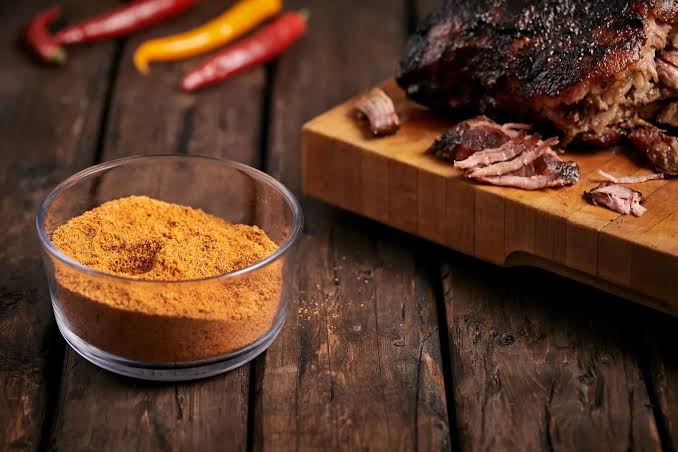
Pork Rub is a special mixture of seasonings and spices used to add flavor to pork meat. People use it to make their pork taste really delicious. Pork is a kind of meat that comes from pigs, and when you cook it with the right pork rub, it can be incredibly tasty.
To make a good pork rub, you need a few basic ingredients like salt, pepper, paprika, garlic powder, and brown sugar. These are things you can find in your kitchen. You mix them together in just the right amounts to create a special blend. This blend is what gives your pork that amazing flavor.
First, you take your pork meat. It can be pork chops, pork ribs, or a pork roast – whichever you like. Then, you rub the mixture of spices all over the meat. This is why it’s called a “rub.” You make sure the spices cover the meat evenly, so every bite is tasty.
Once you’ve rubbed the spices on the pork, you can let it sit for a little while. This is called “marinating.” It lets the flavors sink into the meat and make it even more delicious. Some people like to marinate their pork for a few hours, while others do it overnight. The longer you wait, the more flavorful it becomes.
After the marinating time is up, you can cook your pork. You can grill it, bake it in the oven, or even cook it on the stove. The heat makes the spices in the rub blend with the pork’s juices, creating a mouthwatering taste.
When your pork is all cooked, you can enjoy it with your favorite side dishes. Some people like to have coleslaw, cornbread, or mashed potatoes with their pork. It’s a meal that can make your taste buds dance with happiness.
Pork rubs can also be customized to your liking. If you want it a bit spicier, you can add some chili powder. If you like it sweeter, you can put more brown sugar. That’s the fun part about making your own pork rub – you can make it just the way you like it!
In addition, Pork Rub is a simple but magical mixture of spices that turns ordinary pork into a flavorful masterpiece. You can make it at home with basic ingredients and adjust it to your taste. So, the next time you cook pork, don’t forget to give it a good rub for a mouthwatering experience.
Read Also: Siamese Cats: All You Need to Know About Them
15 Health Benefits of Pork Rub

Pork rub is primarily a mixture of spices and seasonings used to enhance the flavor of pork, and while it’s not a health food itself, it can contribute to a tasty and enjoyable meal. Here are 15 potential health benefits associated with using pork rub in your cooking:
1. Rich in Flavor: Pork rub adds flavor to pork dishes, making them more enjoyable, which can encourage you to eat mindfully and savor your meal.
2. Low in Calories: Pork rub itself is low in calories, so using it to flavor your meat can help you control your overall calorie intake.
3. Antioxidant Properties: Some ingredients in pork rub, like paprika, contain antioxidants that help protect your cells from damage.
4. Stress Reduction: Enjoying a delicious meal seasoned with pork rub can reduce stress and increase feelings of contentment.
5. Iron Source: Pork is a good source of iron, and using pork rub may encourage you to consume more iron-rich foods.
6. Protein Boost: Pork is also a good source of protein, which is essential for muscle health and overall body function.
7. B-Vitamins: Pork contains various B-vitamins like B1, B3, B6, and B12, which are important for energy metabolism and brain function.
8. Satiety: The flavorful pork created with rub can help you feel fuller, potentially reducing overall food consumption.
9. Flavor Variety: Pork rubs come in various flavors, allowing you to experiment with different tastes and spices.
10. Portion Control: By focusing on the taste imparted by the rub, you may eat smaller portions of meat, promoting better portion control.
11. Digestive Benefits: Some ingredients in pork rub, such as herbs like oregano and thyme, may aid in digestion.
12. Reduced Sodium: You can control the amount of salt in your pork rub, which can be beneficial for those watching their sodium intake.
13. Improved Mood: Eating delicious meals can boost your mood and enhance overall well-being.
14. Social Enjoyment: Sharing a flavorful pork dish with friends and family can promote social bonds and a sense of community.
15. Culinary Exploration: Experimenting with different pork rub recipes can spark your creativity in the kitchen and encourage a diverse and balanced diet.
Scientific Evidence and Case Studies on Pork Rub
1. Flavor and Texture Improvement: Studies show that dry rubs containing salt, sugar, and spices enhance the flavor, tenderness, and juiciness of pork by promoting moisture retention during cooking.
2. Antioxidant Properties: Research indicates that herbs and spices commonly found in pork rubs—such as paprika, garlic, and black pepper—are rich in antioxidants that protect meat lipids from oxidation during grilling or roasting.
3. Antimicrobial Effects: Studies reveal that spice blends with garlic, thyme, and cumin possess antimicrobial compounds that reduce bacterial growth on meat surfaces.
4. Anti-Inflammatory Effects: Compounds such as capsaicin (from chili) and curcumin (from turmeric) present in some pork rubs show anti-inflammatory potential, supporting overall body health.
5. Sodium Reduction Potential: Research demonstrates that spice-based rubs can enhance pork flavor even with reduced salt levels, helping to maintain taste while promoting heart-friendly meals.
Nutritional Value Of Pork Rub
1. Rich in Antioxidants: Spices like paprika, cumin, and chili powder provide natural antioxidants that help fight oxidative stress in the body.
2. Contains Essential Minerals: Ingredients like garlic and onion powder offer trace minerals such as calcium, potassium, and iron, which are vital for body functions.
3. Low-Calorie Flavor Source: Pork rub adds intense flavor without significant calories, making it ideal for healthy meal preparation.
4. Supports Digestive Health: Certain spices, including cumin and black pepper, stimulate the production of digestive enzymes that aid in nutrient absorption.
5. Contains Natural Anti-Inflammatory Compounds: Turmeric, chili, and black pepper contribute anti-inflammatory effects that may reduce inflammation-related discomfort.
6. Promotes Heart Health: Using spice rubs instead of heavy marinades or high-sodium sauces can reduce overall sodium and fat intake.
7. Rich in Phytochemicals: The blend of herbs and spices provides bioactive plant compounds that may help support the immune system and protect against disease.
Commom Uses of Pork Rub
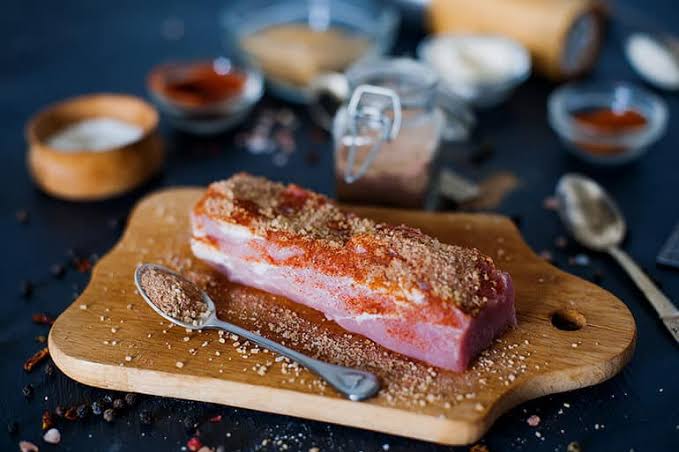
Pork rub isn’t just for pork alone, as it can be a versatile seasoning that adds flavor to a variety of dishes. Here are six common uses of pork rub:
1. Chicken: Pork rub can be used as a seasoning for chicken. It adds a smoky and savory flavor that pairs well with grilled, baked, or roasted chicken.
2. Fish: For those who enjoy a bold flavor, pork rub can be sprinkled on fish fillets before cooking. It can give your fish a unique and spicy twist.
3. Vegetables: Pork rub can be used to season roasted or grilled vegetables. It can transform simple veggies like potatoes, carrots, or cauliflower into a flavorful side dish.
4. Tofu or Tempeh: If you’re a vegetarian or vegan, you can use pork rub to season tofu or tempeh. It can infuse these plant-based proteins with a rich and savory taste.
5. Beans and Legumes: Pork rub can be added to beans, lentils, or chickpeas while cooking to give them a smoky and spicy kick. It’s a great way to liven up vegetarian chili or bean soups.
6. Popcorn: Believe it or not, pork rub can be used as a seasoning for popcorn. Sprinkle it over freshly popped popcorn for a unique and savory snack.
These alternative uses for pork rub can add excitement to your meals and snacks while allowing you to explore different flavor combinations. Just remember to adjust the amount of rub based on your taste preferences and the specific dish you are preparing.
Read Also: Cats and Rabbits can be Friends
Where to Find Pork Rub near Me/You

You can find pork rub in various places, both online and in physical stores. Here are four perfect places to locate pork rub near you:
1. Grocery Stores: Your local grocery store is a convenient place to find a variety of pork rub brands and flavors. Visit the spice aisle or the section dedicated to grilling and barbecue supplies.
2. Specialty Food Stores: Specialty food stores or gourmet shops often carry a selection of high-quality pork rubs, including unique and artisanal blends. Check out stores that focus on grilling or barbecue products.
3. Online Retailers: Shopping online provides a vast range of options. Websites like Amazon, Walmart, and specialty food retailers offer a wide selection of pork rubs. You can read reviews and compare different brands and flavors before making a purchase.
4. Local Butcher Shops or Meat Markets: Many local butcher shops and meat markets not only offer fresh cuts of meat but also sell spice blends, including pork rubs. These establishments may even have their own house-made rubs.
When purchasing pork rub, consider factors like the flavor profile you desire, any dietary restrictions or preferences (e.g., low-sodium or organic), and the level of spiciness you prefer. Additionally, be sure to check the expiration date and storage instructions on the packaging to ensure you’re getting a fresh product.
Frequently Asked Questions About Pork Rub
1. What is a pork rub?
A pork rub is a dry mixture of spices, herbs, salt, and sometimes sugar that is applied to pork before cooking to add flavor and form a tasty crust.
2. What ingredients are commonly used in a pork rub?
Typical ingredients include paprika, garlic powder, brown sugar, black pepper, onion powder, chili powder, cumin, and salt.
3. How do I apply a pork rub?
Pat the pork dry, coat it evenly with the rub, and let it rest for at least 30 minutes—or refrigerate it overnight—for better flavor absorption.
4. Can I use pork rub on other meats?
Yes, pork rub can also enhance the taste of chicken, beef, or even vegetables depending on your cooking style.
5. Should I add oil or liquid to a pork rub?
No, pork rubs are usually applied dry, but you can lightly brush the meat with oil to help the rub stick if needed.
6. Is pork rub spicy?
That depends on the ingredients. Some blends are sweet and smoky, while others have a spicy kick from cayenne or chili powder.
7. Can I make my own pork rub at home?
Yes, homemade rubs are easy to make using your preferred combination of spices and seasonings.
8. How long should I leave the rub on the pork before cooking?
Allow it to sit for at least 30 minutes at room temperature or refrigerate it for 4–12 hours for deeper flavor infusion.
9. How should I store leftover pork rub?
Keep it in an airtight container in a cool, dry place for up to 6 months to preserve freshness and potency.
10. Can pork rub be used with barbecue sauce?
Yes, apply the rub first and allow it to cook into the meat before brushing on barbecue sauce near the end of cooking for the best results.
Do you have any questions, suggestions, or contributions? If so, please feel free to use the comment box below to share your thoughts. We also encourage you to kindly share this information with others who might benefit from it. Since we can’t reach everyone at once, we truly appreciate your help in spreading the word. Thank you very much for your support and for sharing!
Disclaimer: This article is for educational and informational purposes only. The health benefits described are based on scientific research and traditional knowledge. They are not a substitute for professional medical advice, diagnosis, or treatment. Always consult a healthcare professional before using any herb or natural remedy for medical purposes.
Read Also: Mustard Seeds (Brassica nigra): Health Benefits, Facts, and Side Effects