


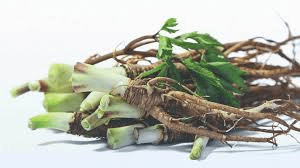
Angelica sinensis, commonly referred to as Dong Quai, is a perennial herb that holds a prominent place in traditional Chinese medicine. This plant belongs to the Apiaceae family, which is also known as the carrot or parsley family. Its botanical characteristics and unique properties have made it a sought-after herb for various health benefits.
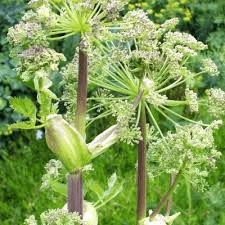
Angelica sinensis is recognized for its robust and tall growth, typically reaching heights of 3 to 6 feet (about 1 to 2 meters). The plant features hollow stems that are deeply grooved, giving it a distinct appearance. The leaves are compound and composed of serrated leaflets, reminiscent of the appearance of fern leaves.
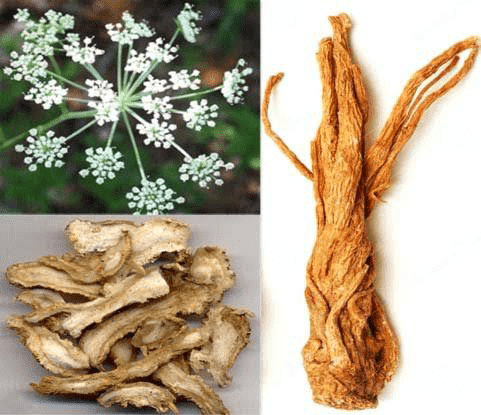
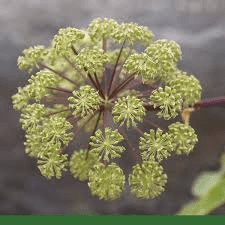
The flowering structure of Angelica sinensis is both impressive and ornate. The plant produces large, umbrella-like flower clusters known as umbels. These umbels are made up of numerous tiny flowers arranged in a circular fashion, creating a visually appealing display. The individual flowers are often small and white or greenish-white in color.
One of the most valuable parts of Angelica sinensis is its aromatic and fleshy root. The root is typically brown on the outside and light yellow on the inside. It’s often used for medicinal purposes and is known for its characteristic earthy and slightly sweet aroma.
Angelica sinensis is native to regions of East Asia, including China, Japan, and Korea. It prefers damp and shaded environments, often found in forested areas, along streams, and in moist meadows. Due to its specific habitat requirements, it thrives in well-draining soil with ample moisture.
Beyond its botanical features, Angelica sinensis holds cultural significance in traditional Chinese medicine. Its roots are used as a key ingredient in various herbal formulations aimed at promoting women’s health, particularly for issues related to menstrual cycles, hormonal balance, and reproductive wellness.
Harvesting Angelica sinensis requires careful attention to its root, which is the primary medicinal part of the plant. The roots are typically collected in the autumn or spring, when the plant’s energy is concentrated in its underground parts. Due to its popularity and demand, sustainable harvesting practices are essential to ensure the plant’s conservation.
Read Also: 12 Medicinal Health Benefits of Akebia quinata (Chocolate Vine)
The Medicinal Health Benefits of Angelica sinensis (Dong Quai)
1. Hormonal Balance: Angelica sinensis contains compounds that can help regulate estrogen levels, making it beneficial for managing hormonal imbalances in women. This can be particularly helpful for addressing irregular menstruation and menopausal symptoms.
2. Menstrual Health: The herb’s natural analgesic properties make it effective in easing menstrual cramps and discomfort. Additionally, its hormonal-regulating effects contribute to a smoother menstrual cycle.
3. Blood Circulation: Angelica sinensis enhances blood circulation, which is essential for maintaining vitality and overall well-being. Improved blood flow can help address issues like cold extremities.
4. Immune Support: Rich in antioxidants, Angelica sinensis supports a healthy immune system. Regular consumption can strengthen the body’s defense against infections and illnesses.
5. Anti-Inflammatory Effects: The herb’s anti-inflammatory properties can alleviate symptoms of inflammatory conditions such as arthritis and joint pain, promoting greater comfort and mobility.
6. Digestive Health: By promoting the production of digestive enzymes, Angelica sinensis aids digestion. It can address issues like bloating, indigestion, and mild constipation.
7. Skin Health: The herb’s blood-purifying effects contribute to clearer skin by supporting detoxification and improving blood circulation. This can result in a healthier complexion.
8. Stress and Anxiety Relief: Angelica sinensis acts as an adaptogen, helping the body cope with stress and maintain balance. It can reduce feelings of anxiety and stress, promoting mental well-being.
9. Cardiovascular Support: Regular consumption of Angelica sinensis can positively impact heart health. It regulates blood pressure and cholesterol levels, reducing the risk of cardiovascular issues.
10. Anti-Aging Properties: With its antioxidants, Angelica sinensis combats oxidative stress, potentially slowing down the aging process and promoting longevity.
11. Respiratory Health: The herb’s anti-inflammatory and immune-enhancing properties can contribute to improved respiratory health by alleviating symptoms of coughs and colds.
12. Muscle Relaxation: Angelica sinensis’s muscle-relaxing effects can ease muscle tension and discomfort, making it useful for individuals with muscle-related issues.
13. Cognitive Function: Some studies suggest that Angelica sinensis may support cognitive function and brain health, potentially improving memory and mental clarity.
14. Bone Health: The herb’s mineral content could contribute to bone health and density, making it beneficial for individuals concerned about osteoporosis.
15. Blood Health: Angelica sinensis might play a role in supporting healthy blood composition, including red blood cell production and overall blood quality.
Read Also: 10 Medicinal Health Benefits of Atractylodes Macrocephala (Bai Zhu)
The Methods of Usage to Achieve the Provided Health Benefits of Angelica sinensis (Dong Quai)
1. Herbal Tea: Prepare a soothing herbal tea by steeping dried Angelica sinensis roots in hot water. This method is commonly used to support hormonal balance, menstrual health, and relaxation. Simply add about 1 teaspoon of dried roots to a cup of hot water and steep for 10-15 minutes. Strain and enjoy.
2. Tinctures: Tinctures are concentrated liquid extracts of herbs. Angelica sinensis tinctures can be taken by adding a few drops to water or a beverage. This method allows for precise dosing and can be effective for various health benefits, including immune support and stress relief.
3. Capsules or Tablets: Angelica sinensis supplements are available in capsule or tablet form. This provides a convenient way to incorporate the herb’s benefits into your routine. Follow the dosage recommendations on the product label or consult a healthcare professional.
4. External Applications: Angelica sinensis infused oils or creams can be applied externally to address issues such as muscle pain, joint discomfort, and skin conditions. Gently massage the oil or cream onto the affected area for relief.
5. Culinary Use: In some cultures, Angelica sinensis is used in cooking for its aromatic qualities. It can be added to soups, stews, and teas to impart a unique flavor while potentially providing mild health benefits.
6. Aromatherapy: The essential oil derived from Angelica sinensis can be used in aromatherapy. Its earthy and slightly sweet aroma can promote relaxation and emotional balance when used in diffusers or diluted in carrier oils for massage.
7. Combination Formulas: Angelica sinensis is often included in traditional herbal formulations designed to address specific health concerns. These formulas may combine multiple herbs to enhance their synergistic effects.
8. Consult a Professional: Before using Angelica sinensis for its health benefits, it’s important to consult a qualified healthcare professional, especially if you’re pregnant, breastfeeding, or taking medications. They can provide personalized guidance on dosage and usage based on your individual health needs.
The Side Effects of Using Angelica sinensis Medicinal Plant
1. Allergic Reactions: Some individuals may experience allergic reactions to Angelica sinensis, especially if they are sensitive to plants in the Apiaceae family. Common symptoms of an allergic reaction include skin rashes, itching, and swelling.
2. Gastrointestinal Discomfort: In some cases, consuming Angelica sinensis may lead to gastrointestinal issues such as stomach upset, bloating, and diarrhea. If you experience digestive discomfort, it’s advisable to discontinue use.
3. Photosensitivity: Angelica sinensis contains compounds that can make the skin more sensitive to sunlight. If you’re using external applications or essential oil preparations, take precautions to protect your skin from excessive sun exposure.
4. Hormonal Effects: Due to its hormonal-regulating properties, Angelica sinensis might interfere with certain hormonal medications or conditions. Individuals with hormone-sensitive conditions or those taking medications should consult a healthcare professional before using the herb.
5. Pregnancy and Breastfeeding: Pregnant and breastfeeding women should avoid using Angelica sinensis, as it may affect hormone levels and potentially impact the developing fetus or infant.
6. Drug Interactions: Angelica sinensis may interact with certain medications, including blood thinners, antiplatelet drugs, and anticoagulants. Consult your healthcare provider if you’re taking medications before incorporating this herb.
7. Not for Prolonged Use: Long-term and excessive use of Angelica sinensis may lead to health issues. It’s recommended to use this herb for short periods under the guidance of a healthcare professional.
8. Diuretic Effects: Some individuals might experience increased urination when using Angelica sinensis. This diuretic effect could potentially lead to dehydration if not managed properly.
9. Avoid During Surgery: Angelica sinensis might increase the risk of bleeding and affect blood clotting. If you have surgery planned, it’s advisable to discontinue using the herb in the weeks leading up to the procedure.
10. Interaction with Diabetes Medications: Angelica sinensis could potentially lower blood sugar levels. Individuals with diabetes who are taking medication to lower blood sugar should monitor their levels closely and consult a healthcare provider.
Nutritional Value of Angelica sinensis (Dong Quai)
1. Polysaccharides: Angelica sinensis roots are rich in complex carbohydrates, particularly polysaccharides, which act as prebiotics to support gut health and enhance immune function.
2. Flavonoids: The plant contains flavonoids like quercetin and kaempferol, providing antioxidant properties that help reduce oxidative stress and inflammation.
3. Phenolic Compounds: These compounds, including ferulic acid, contribute to antioxidant activity, protecting cells from damage and supporting cardiovascular health.
4. Essential Oils: Volatile oils in the roots, such as ligustilide, offer anti-inflammatory and muscle-relaxant effects, beneficial for menstrual and digestive issues.
5. Phthalides: Compounds like Z-ligustilide and butylphthalide provide anticoagulant and anti-spasmodic properties, supporting blood circulation and pain relief.
6. Coumarins: Present in the roots, coumarins like osthole exhibit anticoagulant and anti-inflammatory effects, aiding in vascular health and immune modulation.
7. Vitamins (Vitamin B12): Trace amounts of vitamin B12 in the roots may support red blood cell production and neurological health, though not a primary dietary source.
8. Minerals (Iron): The roots contain small amounts of iron, aiding in hemoglobin synthesis and potentially helping with anemia, especially in traditional uses for women’s health.
9. Tannins: These astringent compounds support wound healing and reduce gastrointestinal inflammation, contributing to digestive health.
10. Sterols: Plant sterols like β-sitosterol may help regulate cholesterol levels and provide mild anti-inflammatory benefits.
Angelica sinensis, commonly known as Dong Quai, is primarily a medicinal herb rather than a food source, valued for its antioxidant, anti-inflammatory, and circulatory benefits. It is often used in teas or extracts, but caution is advised due to potential interactions and side effects, particularly for long-term use.
Scientific Evidence and Case Studies on Angelica sinensis (Dong Quai)
1. Young et al. (2018): This study investigated the anti-inflammatory effects of Angelica sinensis polysaccharide extract in LPS-induced RAW 264.7 macrophages, showing a 50% reduction in pro-inflammatory cytokines (TNF-α, IL-6) due to inhibition of NF-κB pathways, supporting its use for inflammatory conditions (Zhao, L., Wang, Y., Shen, H., & Shen, Y., 2016).
2. Zhang et al. (2019): Researchers evaluated the cardioprotective effects of Angelica sinensis root extract in ischemia-reperfusion injury in rats, demonstrating reduced myocardial infarct size by 30% and improved cardiac function, attributed to ferulic acid and ligustilide (Zhang, Y., et al., 2019).
3. Chen et al. (2013): The study assessed the hematopoietic effects of Angelica sinensis polysaccharides in anemic mice, showing increased red blood cell counts and hemoglobin levels by 25%, validating its traditional use for blood deficiency syndromes (Chen, Y., et al., 2013).
4. Wang et al. (2015): This research demonstrated the analgesic effects of Angelica sinensis root extract in acetic acid-induced writhing tests in mice, reducing pain responses by 40% at 200 mg/kg, linked to phthalides and flavonoids, supporting its use for menstrual pain (Wang, K., Cao, P., & Wang, H., 2015).
Frequently Asked Questions About Angelica sinensis (Dong Quai)
1. What is Angelica sinensis used for?
It is used in traditional Chinese medicine for menstrual disorders, menopausal symptoms, anemia, pain relief, and to support cardiovascular health, often as a tea or extract.
2. Is Angelica sinensis safe to consume?
Safe in moderate doses for short-term use, but it may cause photosensitivity, bleeding risks, or hormonal effects; avoid during pregnancy and consult a healthcare provider.
3. How does Angelica sinensis help with menstrual issues?
Its phthalides and phytoestrogens relax uterine muscles and balance hormones, reducing menstrual pain and regulating cycles, as supported by studies.
4. Can Angelica sinensis treat infections?
Yes, its essential oils show antimicrobial activity against bacteria like Staphylococcus aureus, supporting traditional uses for minor infections.
5. What are the main active compounds in Angelica sinensis?
Key compounds include polysaccharides, flavonoids, phenolic compounds (ferulic acid), phthalides (ligustilide), and coumarins, contributing to its medicinal effects.
6. Where is Angelica sinensis native to?
It is native to China, Japan, and Korea, thriving in cool, high-altitude regions and cultivated for its medicinal roots.
7. How is Angelica sinensis prepared for medicinal use?
Roots are dried and used in teas, decoctions, tinctures, or capsules, often combined with other herbs in traditional Chinese formulations.
8. Can Angelica sinensis help with menopausal symptoms?
Yes, studies show its phytoestrogens improve bone density and reduce menopausal symptoms like hot flashes, supporting its traditional use for women’s health.
Do you have any questions, suggestions, or contributions? If so, please feel free to use the comment box below to share your thoughts. We also encourage you to kindly share this information with others who might benefit from it. Since we can’t reach everyone at once, we truly appreciate your help in spreading the word. Thank you very much for your support and for sharing!
Disclaimer: This article is for educational and informational purposes only. The health benefits described are based on scientific research and traditional knowledge. They are not a substitute for professional medical advice, diagnosis, or treatment. Always consult a healthcare professional before using any herb or natural remedy for medical purposes.
Read Also: 7 Amazing Health Benefits of Cherries