


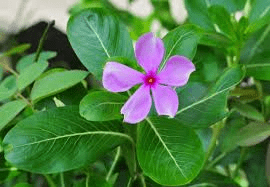
Catharanthus Roseus, commonly known as Madagascar Periwinkle, is a flowering plant that belongs to the Apocynaceae family. Native to Madagascar, this evergreen shrub is characterized by its glossy green leaves and vibrant, star-shaped flowers.
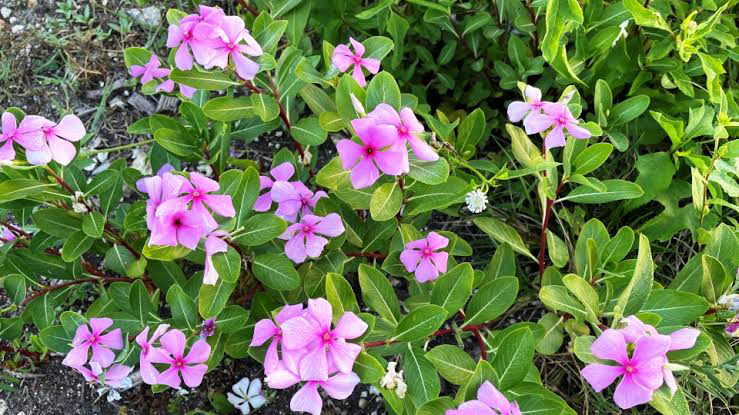
The plant typically reaches a height of about 1 to 1.5 meters and showcases blooms in shades of pink, white, and sometimes even lavender. Its botanical name, “Catharanthus Roseus,” reflects its elegant appearance and the various hues of its flowers.
The leaves of Catharanthus Roseus are simple, opposite, and oval-shaped, measuring around 2 to 7 centimeters in length. The flowers are solitary, with five distinct petals forming a wheel-like arrangement. These blossoms are not only aesthetically pleasing but also contain essential compounds that contribute to the plant’s remarkable medicinal properties.
Catharanthus Roseus has found its way beyond its native land and is now cultivated in various regions around the world. It thrives in warm and tropical climates, making it a popular choice for ornamental gardens. Despite its delicate appearance, this plant is robust and has adapted to different environments with ease.
The plant’s adaptability and the presence of valuable medicinal compounds have led to its use in traditional medicine systems. From its leaves to its roots, Catharanthus Roseus offers a range of health benefits, making it a plant of significant importance in the field of natural remedies.
Read Also: A Guide to Growing and Caring for Ophiopogon Grass (Mondo Grass)
The Medicinal Health Benefits of Catharanthus roseus (Madagascar Periwinkle)
1. Treatment of Diabetes: Catharanthus Roseus contains alkaloids that have shown potential in regulating blood sugar levels. Compounds like vincamine and vincristine assist in improving insulin sensitivity, aiding in diabetes management.
2. Anti-Cancer Properties: The plant’s alkaloids, such as vinblastine and vincristine, have demonstrated anti-cancer effects. These compounds interfere with cell division, making them valuable in cancer treatments, especially for leukemia and lymphoma.
3. Hypertension Management: Catharanthus Roseus is known to contain compounds that act as vasodilators, helping to relax blood vessels. This property can contribute to managing high blood pressure.
4. Wound Healing: The leaves of the plant possess wound-healing properties. Their application as poultices or extracts can aid in the healing of cuts, burns, and minor injuries.
5. Anti-Inflammatory Effects: Certain compounds in Catharanthus Roseus have anti-inflammatory properties that can assist in reducing inflammation and alleviating associated discomfort.
6. Treatment of Malaria: Traditionally, the plant has been used to treat malaria due to its alkaloids’ ability to combat the malaria parasite within the body.
7. Relief from Menstrual Disorders: Catharanthus Roseus is believed to have properties that can help alleviate menstrual irregularities and discomfort.
8. Cardiovascular Support: The plant’s compounds may contribute to overall heart health by promoting healthy circulation and reducing the risk of cardiovascular diseases.
9. Gastrointestinal Health: Catharanthus Roseus extracts have been used to address gastrointestinal issues, including diarrhea and stomach cramps.
10. Neurological Disorders: Certain alkaloids in the plant have shown potential in supporting neurological health, making them subjects of research for conditions like Alzheimer’s and Parkinson’s diseases.
11. Analgesic Properties: The plant’s extracts have been traditionally used to alleviate pain, making it a potential natural analgesic.
12. Skin Health: Due to its wound-healing and anti-inflammatory properties, Catharanthus Roseus can be beneficial for various skin conditions, including eczema and psoriasis.
13. Antioxidant Support: The plant contains antioxidants that help combat oxidative stress and reduce the risk of chronic diseases.
14. Respiratory Relief: Compounds in Catharanthus Roseus may assist in providing relief from respiratory conditions such as asthma and bronchitis.
15. Immune System Boost: The plant’s bioactive compounds can potentially support the immune system, helping the body defend against infections and illnesses.
Read Also: 8 Medicinal Health Benefits of Alisma orientale (Asian water plantain)
The Methods of Usage to Achieve the Provided Health Benefits of Catharanthus roseus (Madagascar Periwinkle)
1. Herbal Infusion: Prepare an herbal infusion by steeping Catharanthus Roseus leaves in hot water. This method is effective for obtaining benefits like diabetes management and immune system support. Drink the infusion daily for best results.
2. Topical Application: Create poultices or ointments using crushed Catharanthus Roseus leaves for wound healing, skin health, and pain relief. Apply directly to the affected area and cover with a clean cloth or bandage.
3. Tinctures: Tinctures made from Catharanthus Roseus can be used to address various health issues, including cardiovascular support and respiratory relief. Follow the recommended dosage on the tincture label.
4. Decoctions: For gastrointestinal health and menstrual disorder relief, prepare a decoction by boiling Catharanthus Roseus roots or leaves. Strain and consume the liquid in moderation.
5. Herbal Supplements: Catharanthus Roseus supplements are available in capsule or tablet form. These supplements can offer a convenient way to incorporate the plant’s benefits into your daily routine. Follow the dosage instructions provided.
6. Inhalation: Steam inhalation using Catharanthus Roseus extracts can provide respiratory relief. Add a few drops of the extract to a bowl of hot water, cover your head with a towel, and inhale the steam.
7. Oil Infusion: Infuse Catharanthus Roseus leaves or flowers in carrier oils like coconut or olive oil. This infused oil can be applied topically for skin health and pain relief.
8. Herbal Teas: Dried Catharanthus Roseus leaves can be used to make herbal teas. This method is suitable for promoting cardiovascular health and immune system support. Drink the tea regularly.
9. Aromatherapy: Catharanthus Roseus essential oil can be used in aromatherapy to promote relaxation and alleviate stress-related conditions. Use a diffuser or dilute the oil for topical application.
10. Dietary Incorporation: Include Catharanthus Roseus leaves in salads or as a garnish to incorporate its antioxidants into your diet. This can contribute to overall health and well-being.
The Side Effects of Using Catharanthus roseus Medicinal Plant
1. Hypotension: Compounds in Catharanthus Roseus can lead to low blood pressure, especially when consumed in excessive amounts. This can result in dizziness, lightheadedness, and fainting.
2. Gastrointestinal Distress: Overconsumption of Catharanthus Roseus may cause stomach upset, nausea, vomiting, or diarrhea due to its potent compounds.
3. Allergic Reactions: Some individuals might be sensitive to the plant and experience allergic reactions like skin rashes, itching, or swelling upon contact or ingestion.
4. Interaction with Medications: Catharanthus Roseus can interact with certain medications, potentially reducing their effectiveness or causing adverse effects. Consult a healthcare professional if you’re on medication.
5. Neurological Effects: In high doses, certain alkaloids in the plant may lead to neurological symptoms such as confusion, hallucinations, or seizures.
6. Pregnancy and Breastfeeding Concerns: The safety of Catharanthus Roseus during pregnancy and breastfeeding is not well established. It’s best to avoid using it during these periods to prevent any potential risks.
7. Liver and Kidney Impact: Excessive consumption of Catharanthus Roseus might have adverse effects on the liver and kidneys. Individuals with liver or kidney conditions should exercise caution.
8. Blood Clotting Issues: Some compounds in Catharanthus Roseus can interfere with blood clotting, which could be problematic for individuals with bleeding disorders or those undergoing surgery.
9. Drug Interactions: The plant’s compounds might interact with medications such as anticoagulants, antiplatelet drugs, and blood pressure medications. This could lead to unwanted reactions.
10. Photosensitivity: Catharanthus Roseus extracts, when applied topically, can make the skin more sensitive to sunlight, potentially leading to sunburn or skin irritation.
11. Not Suitable for Children: Due to its potent compounds, Catharanthus Roseus is generally not recommended for children, as their developing systems might be more sensitive to its effects.
12. Mental Health Concerns: High doses of Catharanthus Roseus can potentially impact mental health, causing symptoms like depression or anxiety in susceptible individuals.
13. Dizziness and Sedation: Certain compounds in the plant can induce drowsiness, dizziness, or sedation. Avoid activities that require alertness if using Catharanthus Roseus.
14. Overdose Risk: Using extremely high doses of Catharanthus Roseus can lead to severe toxicity and overdose symptoms. Always adhere to recommended dosages.
15. Hormonal Imbalance: Excessive or prolonged use of Catharanthus Roseus could potentially disrupt hormonal balance, leading to various health issues.
Nutritional Value of Catharanthus Roseus (Madagascar Periwinkle)
1. Alkaloids: Catharanthus roseus is rich in alkaloids such as vincristine and vinblastine, which are potent anticancer agents, though used only in pharmaceutical preparations due to toxicity.
2. Flavonoids: These antioxidant compounds in the leaves and stems help reduce oxidative stress, potentially lowering the risk of chronic diseases like heart disease and cancer.
3. Phenolic Compounds: Phenolics provide antioxidant and anti-inflammatory benefits, supporting cellular health and immune function.
4. Terpenoids: Found in the plant, terpenoids contribute to antimicrobial and anti-inflammatory effects, aligning with traditional uses for infections.
5. Saponins: These compounds may enhance immune response and exhibit antimicrobial properties, supporting traditional applications for wound healing.
6. Tannins: Present in the leaves, tannins have astringent properties that aid in wound healing and reduce inflammation when applied topically.
7. Carbohydrates: The plant contains minimal carbohydrates, offering a basic energy source in medicinal preparations, with low caloric impact.
8. Trace Minerals: Minor amounts of minerals like calcium and magnesium support metabolic functions, though not in significant dietary quantities.
9. Glycosides: Cardiac glycosides in the plant may have mild cardiovascular effects, but their use is limited due to toxicity risks.
10. Volatile Oils: Trace volatile oils contribute to antimicrobial properties and are used in traditional remedies for respiratory issues.
Scientific Evidence and Case Studies on Catharanthus Roseus
1. Noble et al. (1958): Noble et al. first isolated vincristine and vinblastine from Catharanthus roseus, demonstrating their efficacy in treating leukemia and lymphoma, leading to their use in chemotherapy for cancers like Hodgkin’s disease.
2. Aloke et al. (2022): Aslam et al. reviewed the pharmacological properties of Catharanthus roseus, confirming its antidiabetic, antimicrobial, and antioxidant activities due to flavonoids and phenolic compounds, supporting traditional uses for diabetes and infections.
3. Pereira et al. (2010): Pereira et al. investigated the antidiabetic effects of Catharanthus roseus extracts in streptozotocin-induced diabetic rats, finding significant reductions in blood glucose levels, attributed to alkaloids and flavonoids.
Frequently Asked Questions About Catharanthus Roseus
1. What is Catharanthus Roseus?
Catharanthus roseus, or Madagascar periwinkle, is a perennial herbaceous plant in the Apocynaceae family, native to Madagascar, widely used for its medicinal alkaloids.
2. How is Catharanthus roseus used in traditional medicine?
Its leaves and roots are used in decoctions or extracts to treat diabetes, hypertension, infections, and wounds, particularly in African and Asian traditional medicine.
3. What are the health benefits of Catharanthus roseus?
It provides anticancer (vincristine, vinblastine), antidiabetic, antimicrobial, and antioxidant effects, supporting cancer therapy, blood sugar control, and infection treatment.
4. Is Catharanthus roseus safe to consume?
No, it is highly toxic due to alkaloids and should only be used in pharmaceutical forms or under medical supervision; ingestion of raw plant parts can cause severe side effects.
5. What are the main active compounds in Catharanthus roseus?
Key compounds include alkaloids (vincristine, vinblastine), flavonoids, phenolics, and terpenoids, driving its medicinal properties.
6. Can Catharanthus roseus be used for cancer treatment?
Yes, its alkaloids vincristine and vinblastine are used in chemotherapy for leukemia, lymphoma, and other cancers, but only as prescribed medications.
7. Where does Catharanthus roseus grow?
Native to Madagascar, it is cultivated in tropical and subtropical regions worldwide, including Africa, Asia, and the Americas, thriving in warm, well-drained soils.
8. Are there risks associated with Catharanthus roseus?
Yes, it can cause nausea, neurotoxicity, or low blood cell counts if misused; it interacts with certain medications and is unsafe for self-medication.
Do you have any questions, suggestions, or contributions? If so, please feel free to use the comment box below to share your thoughts. We also encourage you to kindly share this information with others who might benefit from it. Since we can’t reach everyone at once, we truly appreciate your help in spreading the word. Thank you very much for your support and for sharing!
Disclaimer: This article is for educational and informational purposes only. The health benefits described are based on scientific research and traditional knowledge. They are not a substitute for professional medical advice, diagnosis, or treatment. Always consult a healthcare professional before using any herb or natural remedy for medical purposes.
Read Also: How to Get Started with Sugar Cane Minecraft