


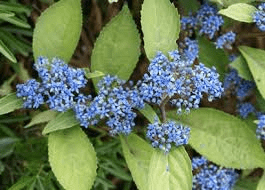
Dichroa febrifuga, commonly known as Dichroa, is a medicinal plant that belongs to the family Hydrangeaceae. It is native to various parts of Asia, including China, Japan, Nepal, and India. The plant has been used for centuries in traditional medicine systems, particularly in Ayurveda and Traditional Chinese Medicine, for its potential therapeutic properties.
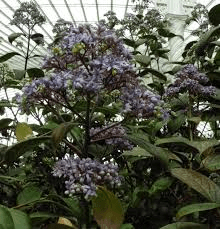
Dichroa has attractive, glossy, and elliptical leaves that are usually arranged in an alternate fashion along the stems. The leaves can vary in size but are generally around 10-15 cm long. They have a deep green color and prominent veins.
The plant produces clusters of small, star-shaped flowers that are usually blue or violet in color. These flowers are arranged in terminal or axillary inflorescences. The inflorescences can be quite showy and contribute to the plant’s ornamental value.
Read Also: 15 Medicinal Health Benefits of Angelica sinensis (Dong Quai)
The Medicinal Health Benefits of Dichroa (Dichroa Febrifuga)
Here are 15 medicinal health benefits of Dichroa:
1. Fever Reduction: Dichroa has historically been used to reduce fever due to its potential antipyretic properties. For example, a decoction made from its roots might be administered to individuals with high fevers, with the belief that it can help lower their body temperature.
2. Anti-Inflammatory Effects: Compounds found in Dichroa may exhibit anti-inflammatory effects. Inflammation-related conditions like arthritis could potentially benefit from its use. People might use Dichroa-based ointments or teas to alleviate joint pain and swelling.
3. Respiratory Ailments: Dichroa’s anti-inflammatory and potential antiviral properties might make it useful in addressing respiratory infections. A decoction or inhalation of its vapor might be used to ease symptoms of conditions like the common cold or bronchitis.
4. Antibacterial Potential: Some compounds in Dichroa could possess antibacterial properties. This could be applied topically to minor wounds or infections to help prevent bacterial growth and promote healing.
5. Antiviral Activity: Traditional use suggests that Dichroa might have antiviral effects. It could be used as a supportive treatment during viral infections, such as influenza or herpes outbreaks.
6. Allergy Management: Due to its potential anti-allergic properties, Dichroa could be used to manage allergic reactions. People experiencing mild allergies might consume Dichroa-based preparations to help alleviate symptoms like sneezing and itching.
7. Digestive Aid: Dichroa’s compounds might have digestive benefits. A decoction or infusion of its leaves could be consumed to ease indigestion or mild gastrointestinal discomfort.
8. Stress and Anxiety Reduction: Traditional uses indicate that Dichroa might have calming effects on the nervous system. Infusions or teas made from its leaves might be used to alleviate stress or mild anxiety.
9. Skin Health: The potential antibacterial and anti-inflammatory properties of Dichroa could benefit skin health. Topical applications or washes made from its extracts might be used to address acne or minor skin irritations.
10. Urinary Tract Support: In traditional medicine, Dichroa has been used for its potential diuretic effects. People might consume Dichroa-based preparations to promote urinary flow and potentially aid in managing urinary tract infections.
11. Anti-Rheumatic: Due to its anti-inflammatory properties, Dichroa could be used to alleviate rheumatic discomfort. People with mild joint pain might find relief from using Dichroa-infused oils for massage.
12. Headache Relief: Traditional uses suggest that Dichroa might be useful in alleviating headaches. An infusion made from its leaves could be consumed to help manage mild headaches.
13. Menstrual Health: Dichroa’s potential to alleviate inflammation might extend to menstrual discomfort. Women experiencing mild menstrual cramps might consume Dichroa-based remedies to help reduce pain.
14. Antioxidant Properties: While research is limited, Dichroa could potentially possess antioxidants that protect cells from oxidative stress. Consuming Dichroa-infused beverages might contribute to overall health.
15. Immune System Support: Traditional uses propose that Dichroa could support the immune system. Consuming its extracts might be believed to help strengthen the body’s defense against infections.
Read Also: 10 Medicinal Health Benefits of Anisodus tanguticus (Chinese Belladonna)
The Methods of Usage to Achieve the Provided Health Benefits of Dichroa (Dichroa Febrifuga)
Here are seven methods of usage to achieve the medicinal health benefits associated with Dichroa febrifuga:
1. Decoctions and Infusions: Prepare a decoction by boiling Dichroa roots, stems, leaves, or a combination of these plant parts in water. For an infusion, pour boiling water over the dried or fresh plant material and let it steep.
This method extracts bioactive compounds from the plant, making them available for consumption. Decoctions and infusions can be ingested to potentially achieve benefits like fever reduction, anti-inflammatory effects, allergy management, and digestive aid.
2. Topical Applications: Create a paste or salve by grinding dried Dichroa leaves or stems and mixing them with a carrier oil or another suitable base. Apply this mixture to the affected area of the skin.
Topical applications could provide localized benefits such as antibacterial and anti-inflammatory effects, making them useful for wound healing, acne treatment, and skin irritations.
3. Steam Inhalation: Add dried Dichroa leaves or stems to a bowl of hot water. Lean over the bowl, cover your head with a towel, and inhale the steam. Steam inhalation can help address respiratory issues by utilizing the potential antiviral and anti-inflammatory properties of Dichroa. This method may offer relief from cold symptoms, bronchitis, or sinus congestion.
4. Tinctures: Prepare a tincture by soaking dried or fresh Dichroa plant parts in alcohol or another solvent for a period of time. The resulting liquid can be consumed in small doses. Tinctures offer a concentrated form of the plant’s bioactive compounds. They can be used for conditions such as stress reduction, immune system support, and potentially managing menstrual discomfort.
5. Teas and Herbal Drinks: Steep dried or fresh Dichroa leaves, stems, or a combination in hot water to make a herbal tea. You can add other complementary herbs or sweeteners if desired. Herbal teas provide a soothing and flavorful way to consume Dichroa’s potential health benefits. They can be used for stress reduction, immune support, and digestive aid.
6. Massage Oils: Infuse a carrier oil (such as coconut or olive oil) with dried Dichroa leaves or stems by placing the plant material in the oil and allowing it to sit for a period of time. Massage oils infused with Dichroa can offer anti-inflammatory benefits and be used for joint pain, rheumatic discomfort, and relaxation.
7. Oral Supplements (Under Professional Guidance): Capsules, tablets or liquid extracts of Dichroa can be taken orally as dietary supplements. It’s essential to consult a healthcare professional before using oral supplements.
Supplements provide a convenient way to consume consistent doses of Dichroa’s potential medicinal properties. Professional guidance is crucial to ensure proper dosage and safety.
The Side Effects of Using Dichroa Medicinal Plant
1. Allergic Reactions: Individuals may have allergic reactions to plants, including Dichroa. This could manifest as skin rashes, itching, swelling, or respiratory symptoms. It’s advisable to perform a patch test before applying any new herbal preparation to your skin.
2. Gastrointestinal Upset: Some people might experience stomach discomfort, nausea, or diarrhea when consuming herbal preparations. It’s crucial to start with small doses and observe how your body reacts.
3. Interactions with Medications: If you’re taking prescription or over-the-counter medications, there’s a possibility that Dichroa could interact with them. It’s recommended to consult a healthcare professional before using Dichroa alongside other medications.
4. Pregnancy and Breastfeeding: The safety of using Dichroa during pregnancy and breastfeeding has not been well-studied. Pregnant and breastfeeding individuals should exercise caution and consult a healthcare provider before using any herbal remedies.
5. Liver and Kidney Function: Since herbal remedies can impact liver and kidney function, individuals with pre-existing liver or kidney conditions should be cautious when using Dichroa or any other herbs.
6. Dosage and Duration: Using herbal remedies in excessive amounts or for extended periods could lead to adverse effects. It’s essential to follow recommended dosages and duration guidelines, preferably under the guidance of a qualified healthcare provider.
7. Quality and Purity: The quality and purity of the herbal product you’re using can greatly impact its safety. Contaminants or improper processing could lead to unexpected side effects.
8. Children and Elderly: Children and elderly individuals might be more sensitive to the effects of herbal remedies. Adjusting dosages and considering potential risks is important in these populations.
9. Individual Variations: Every person’s body reacts differently to herbal remedies. What’s safe for one person might not be safe for another. Personal health history, genetics, and existing health conditions can all influence how your body responds to herbs.
Nutritional Value of Dichroa (Dichroa febrifuga)
1. Febrifugine: This quinazolinone alkaloid is a primary bioactive compound in Dichroa febrifuga roots, known for its antimalarial properties, but it also contributes to potential anti-inflammatory effects by modulating immune responses.
2. Isofebrifugine: An isomer of febrifugine, this alkaloid supports antimicrobial activity and may aid in reducing parasitic infections, though its role in nutrition is limited due to toxicity concerns.
3. Flavonoids: Present in the leaves and roots, flavonoids act as antioxidants, helping to neutralize free radicals and potentially supporting cellular health and reducing oxidative stress.
4. Terpenoids: Compounds like isoarborinol in the leaves provide anti-inflammatory benefits, contributing to the plant’s traditional use in managing inflammation and related conditions.
5. Phenolic Compounds: These antioxidants in the extracts enhance the plant’s capacity to combat oxidative damage, potentially benefiting liver health and overall immune function.
6. Alkaloids: Various alkaloids beyond febrifugine offer antimicrobial properties, supporting infection control, but they are not considered nutritional in a dietary sense due to potential toxicity.
7. Coumarins: Trace coumarins contribute to anticoagulant and anti-inflammatory effects, which may indirectly support vascular health in traditional preparations.
8. Polysaccharides: Found in the roots, these complex carbohydrates may act as prebiotics, promoting gut health and enhancing the absorption of other bioactive compounds.
9. Tannins: These polyphenolic compounds provide astringent properties, aiding in wound healing and reducing inflammation, with minor antioxidant benefits.
10. Glycosides: Including hydrangenoside C, glycosides support anti-inflammatory activities and may contribute to the plant’s overall pharmacological profile for fever reduction.
Dichroa febrifuga is primarily a medicinal herb rather than a nutritional food source, valued for its bioactive compounds like alkaloids and flavonoids that offer antioxidant and anti-inflammatory benefits. Due to its toxicity, particularly from febrifugine, it should not be consumed directly and is best used in controlled extracts under professional guidance.
Scientific Evidence and Case Studies on Dichroa (Dichroa febrifuga)

1. Wang et al. (2024): This comprehensive review summarized the phytochemistry and pharmacological activities of Dichroa febrifuga, identifying 30 compounds including alkaloids and terpenoids with anti-malarial, anti-inflammatory, anti-tumor, and anti-parasitic effects, highlighting its potential despite toxicity concerns (Wang, M., Xu, X. R., Bai, Q. X., Wu, L. H., Yang, X. P., Yang, D. Q., & Kuang, H. X., 2024).
2. Pham et al. (2023): Researchers isolated isoarborinol from Dichroa febrifuga leaves and tested it in a carrageenan-induced edema mouse model, showing dose-dependent inhibition of inflammation similar to diclofenac, attributed to binding with 5-LOX and PLA2 enzymes, confirming anti-inflammatory benefits (Pham, T. V., Ngo, H. P. T., Nguyen, N. H., Do, A. T., Vu, T. Y., Nguyen, M. H., & Do, B. H., 2023).
3. Park et al. (2009): The study examined aqueous root extract of Dichroa febrifuga in LPS-stimulated mouse macrophages, demonstrating inhibition of IL-1β and IL-6 production via blocking NF-κB, MAPK, and Akt pathways, providing a molecular basis for its anti-inflammatory effects in endotoxin-mediated inflammation (Park, S. Y., Park, G. Y., Ko, W. S., & Kim, Y. H., 2009).
4. Takaya et al. (1999): This research isolated febrifugine and isofebrifugine from Dichroa febrifuga, showing high antimalarial activity against Plasmodium falciparum in vitro, with acetone extracts reducing parasitemia, supporting its traditional use for malaria treatment (Takaya, M., Hosokawa, N., & Ikegami, Y., 1999).
Frequently Asked Questions About Dichroa (Dichroa febrifuga)
1. What is Dichroa febrifuga used for?
It is traditionally used in Chinese medicine to treat malaria, fevers, parasitic infections, and inflammation, primarily from its roots as an antimalarial herb known as Changshan.
2. Is Dichroa febrifuga toxic?
Yes, it contains toxic alkaloids like febrifugine that can cause severe side effects such as nausea and liver damage; toxicity reduction methods like processing with lime are used, but medical supervision is essential.
3. What are the main active compounds in Dichroa febrifuga?
Key compounds include alkaloids (febrifugine, isofebrifugine), terpenoids (isoarborinol), flavonoids, and phenolics, contributing to its antimalarial and anti-inflammatory properties.
4. Can Dichroa febrifuga treat malaria?
Yes, studies confirm its extracts and febrifugine show high activity against Plasmodium species, reducing parasitemia in animal models, supporting its historical use as Chinese quinine.
5. Where is Dichroa febrifuga native to?
It is native to central and southern China, Indochina, Malesia, and New Guinea, thriving as a shrub in subtropical regions.
6. How does Dichroa febrifuga help with inflammation?
Its extracts inhibit pro-inflammatory cytokines like IL-1β and IL-6 via pathways such as NF-κB and MAPK, as shown in macrophage studies, making it useful for endotoxin-related inflammation.
7. Is Dichroa febrifuga safe during pregnancy?
No, it is contraindicated due to potential toxicity and emetic effects; pregnant women should avoid it entirely.
8. How is Dichroa febrifuga prepared for medicinal use?
Roots are typically processed (e.g., with lime to reduce toxicity) and used as decoctions or extracts for treating fevers and malaria, often in traditional Chinese formulations.
Do you have any questions, suggestions, or contributions? If so, please feel free to use the comment box below to share your thoughts. We also encourage you to kindly share this information with others who might benefit from it. Since we can’t reach everyone at once, we truly appreciate your help in spreading the word. Thank you very much for your support and for sharing!
Disclaimer: This article is for educational and informational purposes only. The health benefits described are based on scientific research and traditional knowledge. They are not a substitute for professional medical advice, diagnosis, or treatment. Always consult a healthcare professional before using any herb or natural remedy for medical purposes.
Read Also: See Why You Should Be Scared of Artificial Intelligence